
Why this topic matters in today’s exams
Across many exams today, something important has changed. Questions look familiar and the syllabus feels the same, but results often surprise students. Many write answers that are correct, neat, and grammatically sound, yet still score lower than expected. This happens because exams now focus less on what students know and more on how they use that knowledge. Examiners look for relevance, judgment, and clarity within limited time. Most students struggle not due to lack of effort, but because preparation still rewards correctness over usefulness. Correct answers feel safe and measurable. Effective answers, however, depend on understanding the question’s real demand. This difference now strongly affects results.
How examiners actually think about this area
Examiners don’t just read through answer papers like fact-checkers ticking off information. Their job is more about evaluating the quality of the response, not acting like an encyclopedia. Each question is crafted with a specific goal: to see how well a candidate can decide what information is most important, how they link different ideas together, and how they actually answer what was asked, rather than just showcasing what they know.
When examiners create these questions, they generally expect that serious candidates will have the basic facts right. The real differences in marks come from other aspects. What they really look for is whether the answer shows a solid understanding of the main issue, if it matches the depth and scope of the question, and if it presents the insights clearly and effectively.
From an examiner’s point of view, an answer that is technically correct but misses the main point, context, or direction can be frustrating. It takes extra time to figure out what’s actually relevant. A truly effective answer, even if it’s not covering every single detail, shows that the candidate understood what the question was really asking.
This is why questions are often designed in a way that you can’t just answer them by copying information. Keywords that ask for judgment, comparisons, or implications are put there on purpose. They encourage candidates to think and interpret. The examiner is more likely asking themselves, “Is this useful for answering this question?” rather than just, “Is this factually correct?”
Understanding this shift—from focusing solely on correctness to evaluating the effectiveness of the answer—is key to really doing well in exams.
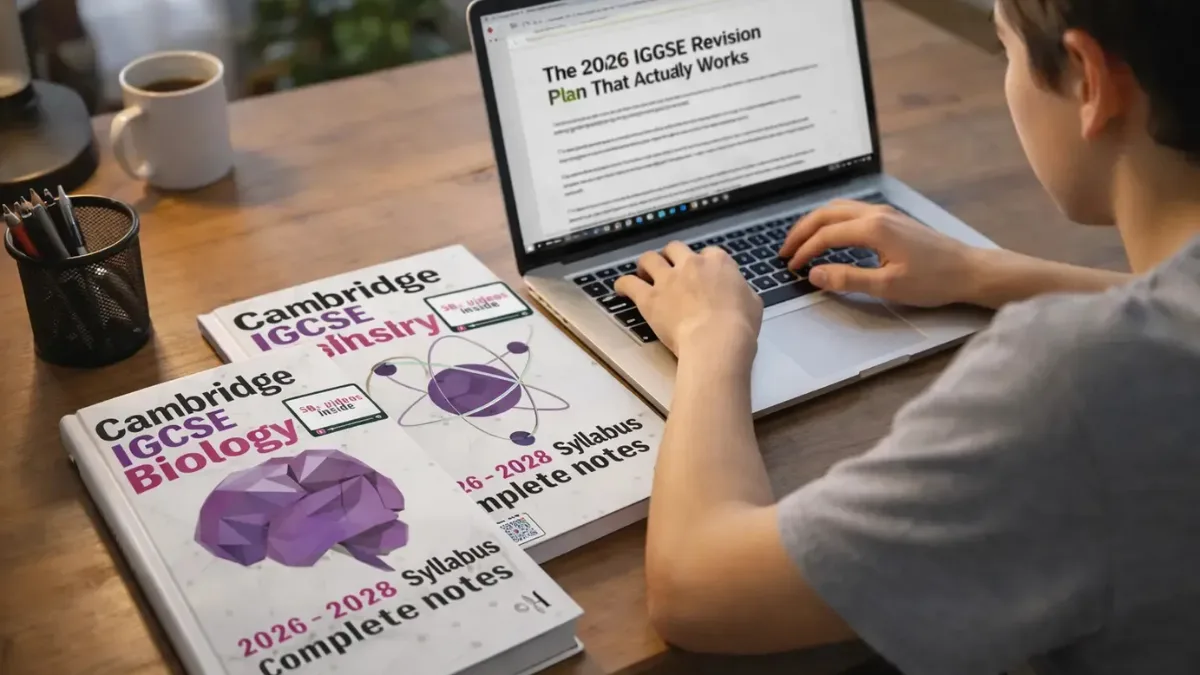
How the same concept appears across different papers
It’s interesting how the difference between simply writing correctly and writing effectively really comes out differently depending on the type of task, even though the core idea is tested everywhere.
When it comes to essays, for example, it’s not just about getting the facts right. A paper might be factually accurate but wander all over the place, and it could score lower than one that focuses on fewer points but really explores them deeply and logically. Being effective here means leading the reader through a clear, understandable line of thought.
With multiple-choice or short-answer questions, you might think it’s all about getting the right answer, but even there, effectiveness matters. It shows up in how well you understand the options or how your brief explanation actually fits the question. You could know the material perfectly but still mess up if you overthink things or don’t give enough context in your answer.
Case studies really highlight this difference. A person might spot every single important fact, but if they can’t figure out how to use those facts in the specific situation of the case, they won’t do well. Effective writing in this context is about knowing which pieces of information are most important and applying them correctly, not just listing everything.
And in interviews or personality tests, this difference shows up verbally. Candidates often give correct information, but they miss the mark if they don’t address the real underlying question or concern the interviewer is exploring. Truly effective answers show that you understand the situation, can use the right tone, and get what’s really being asked, rather than just being factually complete.
So, across all these different situations, what makes writing effective isn’t just about being accurate, it’s about making sure what you write (or say) actually serves the purpose of the task.
Where most students go wrong
There are several common reasons why writing correctly doesn’t always mean you’ve given an effective answer.
Firstly, students often think that putting in a lot of effort means covering everything. They believe adding more correct points makes their answer safer. But this can actually dilute their response, making the main point harder to spot.
Secondly, students sometimes treat questions like an opportunity to show off what they know, rather than tackling a specific problem. This shifts their focus from being relevant to just recalling information.
Thirdly, students frequently misunderstand the key words in a question and interpret them loosely. This leads to answers that, while correct, don’t really match what’s being asked for.
Fourthly, many students write defensively. They try to cover every possible angle, which usually results in answers that lack a clear focus or prioritization.
These mistakes aren’t usually because students lack ability. Instead, they come from ingrained study habits that reward covering everything, rather than knowing what’s most important.
How toppers approach this differently
Great candidates have a unique way of thinking internally. They’re very selective about what they focus on, deliberately deciding what to leave out. They tend to assume they’re right and focus on making sure what they say is relevant. When they structure their answers, they put the main point right upfront to guide the reader from the start. The details they use are there to support their central idea, not just to be there on their own. When it comes to deciding what’s important, they match the depth of their explanation to the topic’s significance. touching briefly on smaller points and exploring bigger ones more thoroughly. What really sets them apart isn’t knowing more than others, but how well they communicate, tailoring their writing to the examiner’s limited time and mental energy.
A practical framework students can reuse
A simple reusable framework can help shift from correct to effective writing:
Identify the core task.
Before recalling content, clarify what decision, judgment, or explanation is being sought.
Select, don’t collect.
Choose points that directly serve the task. Discard those that merely demonstrate knowledge.
Signal structure early.
Let the examiner know where the answer is headed.
Develop proportionately.
Allocate space based on importance, not familiarity.
Close the loop.
Ensure the answer returns to the question, reinforcing alignment.
This model is subject-agnostic and applies wherever evaluation involves interpretation.
How this way of thinking helps beyond exams
Good writing really shows how well you think. The same abilities—like knowing what’s important, being clear, and understanding who you’re talking to—are just as key in making decisions, communicating at work, and talking about issues in public.
When you learn to write well, you train your brain to pick out what matters from all the unimportant stuff. It pushes you to say things on purpose instead of just rambling. In the long run, this doesn’t just help with tests; it also boosts your confidence in thinking through things and getting your point across.
Final takeaway
Think of it this way: writing correctly isn’t the same as writing effectively, and aiming for one doesn’t mean cutting corners or lowering your standards compared to the other. It’s more about focusing your energy in a way that directly supports your main goal.
Getting the details right (correctness) helps you build trust and credibility with your reader. But writing effectively is what truly makes an impact and gets your message across powerfully. Nowadays, tests and exams are increasingly looking for that impact, while still expecting you to get the basics right.
If you ever feel like you’re working hard and preparing genuinely, but your results just aren’t reflecting it, understanding this difference can really help. The aim isn’t about knowing less; it’s about using what you *do* know more thoughtfully and purposefully.

FAQs
- Can an answer be effective even if it is not very detailed?
Yes. Effectiveness depends on relevance and clarity, not length. - Does effective writing mean taking risks in exams?
No. It means making informed choices about emphasis, not speculation. - Is correctness still important in evaluation?
Absolutely. Correctness is foundational, but it is no longer sufficient on its own. - How can I practise writing more effectively?
By analysing questions for intent before answering and reviewing whether each point serves that intent. - Does this apply only to descriptive papers?
No. The principle applies across formats wherever interpretation and judgment are involved.
Occasional analytical essays on examiner thinking and answer evaluation are published on The Vue Times, offering further context for serious students navigating modern exam patterns.