
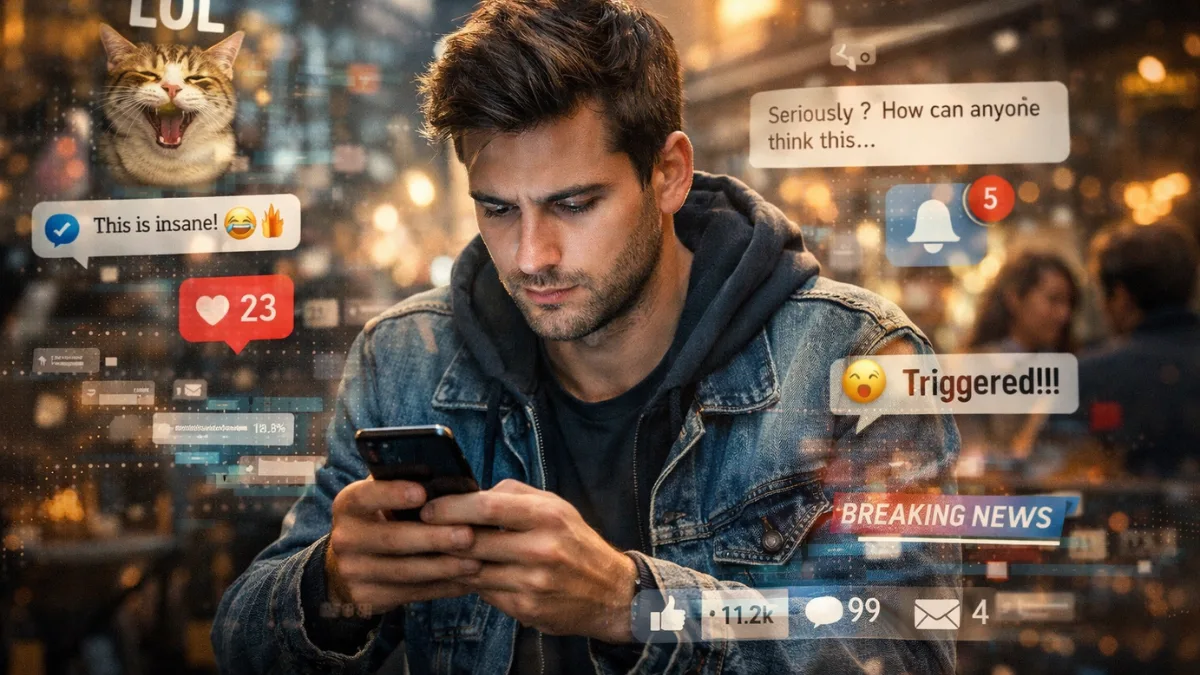
There’s a moment most people recognize but rarely pause to examine. You’re scrolling—not searching, not learning, just scrolling—and suddenly you catch yourself thinking in memes. A situation in real life plays out, and instead of reacting naturally, your mind reaches for how it would look as a tweet, a reel, or a viral comment.
That moment, subtle as it is, hints at something deeper. Not just heavy internet use, but a shift in perception. A way of seeing the world that feels shaped—sometimes even distorted—by constant digital immersion.
That’s where the phrase Chronically Online enters the conversation.
What “Chronically Online” Actually Means
Someone who is chronically online doesn’t just use the internet—they process reality through it.
You see it in the way people:
- Interpret real-world events using internet discourse
- Use niche slang that only exists within online communities
- React to serious situations with meme logic or performative outrage
- Blur the line between online persona and real identity
It’s less about screen time and more about cognitive alignment with digital culture.
The Rise of Chronically Online Culture
The phrase didn’t appear overnight. It evolved alongside platforms like Twitter (now X), Reddit, TikTok, and Instagram—spaces where culture moves faster than traditional social norms can keep up.
During the pandemic, this shift accelerated dramatically. With physical interactions limited, people didn’t just spend more time online—they lived there.
Communities formed around hyper-specific interests. Humor became increasingly layered and self-referential. Conversations began assuming a shared understanding of internet context.
And gradually, a new kind of cultural fluency emerged—one that rewards those who are always plugged in.
Being Chronically Online became both a critique and, oddly, a badge of awareness.
Why “Chronically Online” Is Trending Right Now
The term is trending not because internet use is new—but because its effects are becoming visible.
People are starting to notice patterns:
- Overreaction cycles driven by viral posts
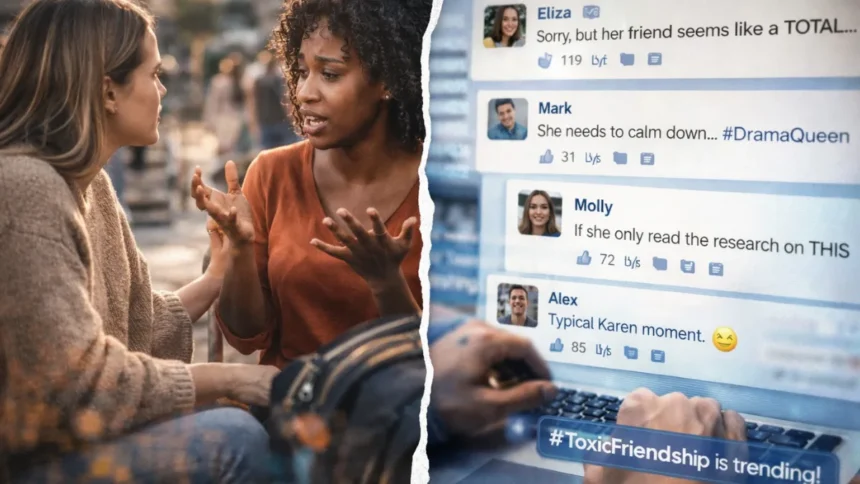
- Moral debates that escalate far beyond their original context
- Real-world conversations echoing online arguments
- Individuals performing opinions rather than forming them
There’s a growing recognition that digital environments aren’t neutral. They shape behavior.
And more importantly, they shape how we think about thinking.
When Reality Feels Like Content
One of the defining traits of being chronically online is the subtle transformation of life into content.
Moments are no longer just experienced—they’re evaluated for shareability.
A funny incident becomes “this would go viral.”
A disagreement becomes “this discourse again.”
Even personal struggles are framed through narratives that perform well online.
This doesn’t mean people are being fake. It means the boundaries between authentic experience and curated expression are dissolving.
The internet doesn’t just document reality anymore—it influences how reality is lived.
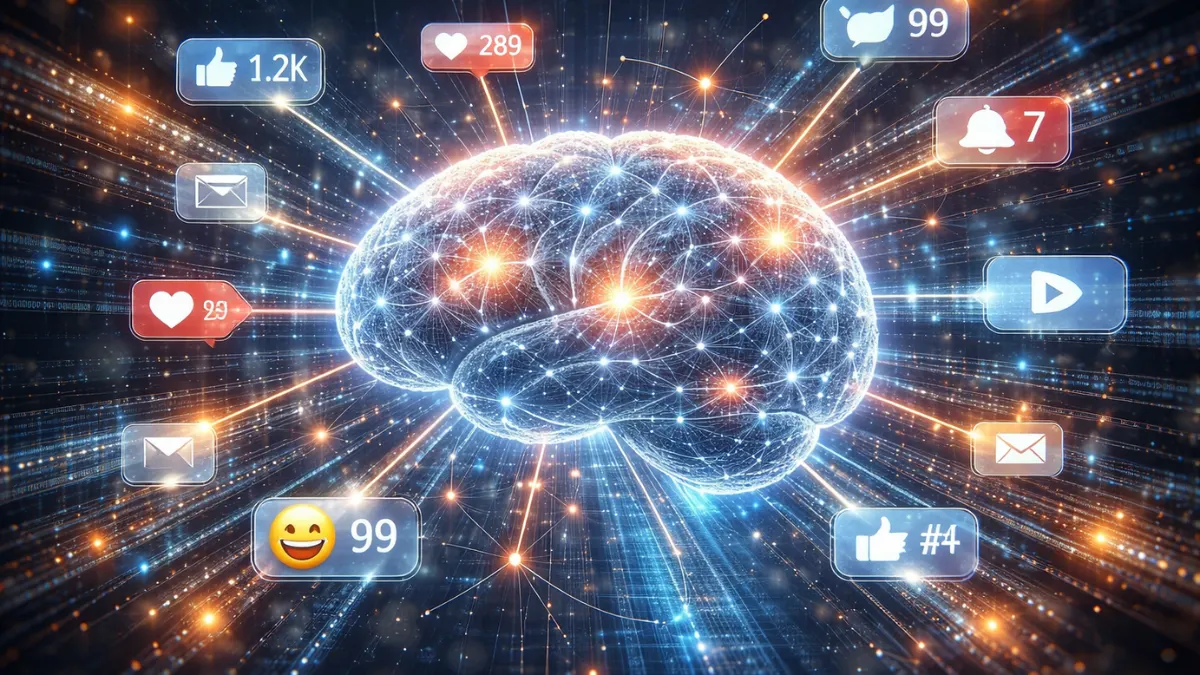
The Psychology Behind Being Chronically Online
There’s a reason this behavior feels so natural.
Digital platforms are designed to reward engagement, not reflection. They prioritize speed, reaction, and emotional intensity.
Over time, this creates certain patterns:
1. Hyper-Awareness
People become extremely aware of social issues, trends, and discourse—sometimes to the point of fatigue.
2. Binary Thinking
Complex topics are reduced to simplified takes: right vs wrong, good vs bad, with little room for nuance.
3. Identity Performance
Opinions become signals of belonging. Posting becomes a way to align with a group rather than explore ideas.
4. Emotional Acceleration
Reactions happen faster and more intensely because platforms amplify what gets attention—anger, humor, outrage.
Being Chronically Online isn’t just a habit. It’s a cognitive environment.
The Business Side of Being Chronically Online
There’s also a reason companies are paying close attention to this behavior.
Brands, media platforms, and creators thrive on audiences that are deeply embedded in online culture.
Why?
Because chronically online users:
- Engage more frequently
- Understand trends faster
- Participate in viral loops
- Influence others within their networks
For digital businesses, this is the ideal audience—highly reactive, culturally tuned, and constantly connected.
But there’s a trade-off.
The same users who amplify trends can also shift sentiment rapidly. Today’s viral success can become tomorrow’s backlash.
This volatility is part of the ecosystem.
Is Being Chronically Online a Problem?
Not necessarily—but it depends on degree and awareness.
Being deeply engaged with internet culture can mean:
- Better cultural awareness
- Faster access to information
- Stronger digital communication skills
But without boundaries, it can also lead to:
- Distorted perception of reality
- Constant comparison and validation loops
- Reduced attention span
- Emotional burnout
The issue isn’t the internet itself. It’s when the internet becomes the primary filter through which everything else is interpreted.
The Future of Chronically Online Behavior
If anything, this trend is likely to deepen.
With AI-driven feeds, immersive platforms, and increasingly personalized content, the digital experience is becoming more tailored—and more consuming.
We’re moving toward a world where:
- Online and offline identities merge further
- Digital discourse influences real-world policy and culture
- Attention becomes an even more valuable currency
The concept of being Chronically Online may eventually stop being a critique and start being the default.
Which raises a bigger question.
Not whether we’re online too much—but whether we still know how to step outside of it.
Conclusion
Being Chronically Online isn’t just about scrolling endlessly—it’s about how deeply the internet reshapes perception, behavior, and identity. As digital culture continues to influence real-world thinking, awareness becomes the only real boundary.
Final Insight
The internet was designed to connect us to the world. But somewhere along the way, it started redefining the world itself. The challenge now isn’t disconnecting—it’s remembering that reality exists beyond the feed.-THE VUE TIMES
Frequently Asked Questions
What does Chronically Online mean?
It refers to people whose thinking, language, and behavior are heavily influenced by internet culture, often beyond just time spent online.
Is being Chronically Online harmful?
Not always, but excessive exposure can lead to distorted thinking, emotional fatigue, and reduced real-world engagement.
Why is Chronically Online trending?
Because more people are recognizing how digital platforms shape opinions, reactions, and even identity in noticeable ways.
How do you know if you are Chronically Online?
If you interpret real-life situations through memes, online discourse, or feel disconnected without constant updates, it may be a sign.
Can you stop being Chronically Online?
Yes, by setting boundaries, reducing passive scrolling, and engaging more intentionally with both digital and real-world experiences.