Sunday, 12 Jul 2026

Exclusive insights, data, and analysis for financial market experts.

Explore Now
The Vue Times
  • TVT +
  • India / National
  • Latest
  • Daily News
  • Business & Economy
  • India News
  • General Awareness
  • Viral / Trending Now
  • Politics
The Vue TimesThe Vue Times
Font ResizerAa
  • Home
  • Blog
  • Contact
Search
  • Home
  • Blog
  • Contact
Follow US
India / National

Geography of India: A Comprehensive Guide to India’s Diverse Landscape

Riya Mehta
Last updated: July 3, 2026 5:51 am
Riya Mehta
Share
4 Min Read
SHARE

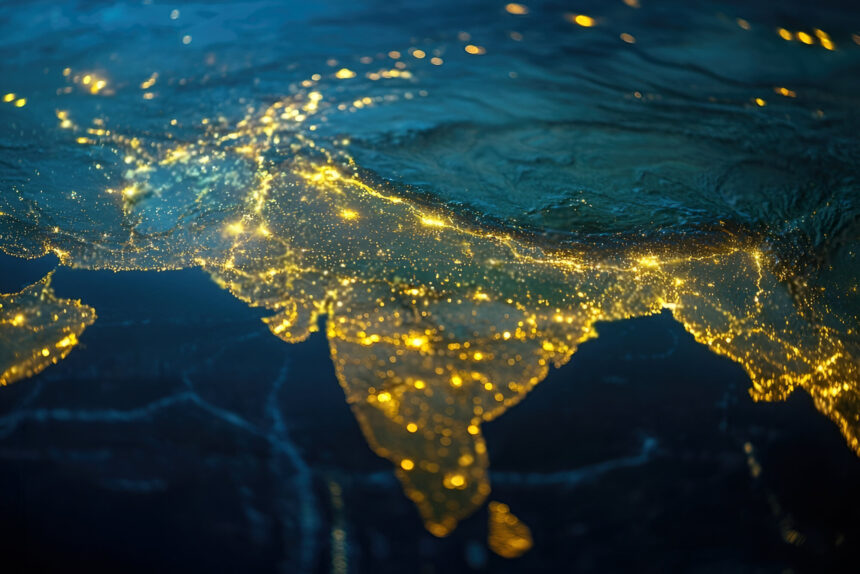
India, the seventh-largest country in the world, is a land of incredible geographical diversity. From the snow-capped Himalayas in the north to the tropical beaches of the south, and from the arid deserts of the west to the lush green plains in the east — the geography of India is as varied as its culture and heritage.

Contents
1. Introduction to India’s Geography2. Major Physical Divisions of Indiaa) The Himalayan Mountain Rangeb) The Indo-Gangetic Plainsc) The Peninsular Plateaud) The Western and Eastern Ghatse) The Thar Desertf) The Coastal Plains and Islands3. Climate of India4. Major Rivers of Indiaa) Himalayan Riversb) Peninsular Rivers5. Natural Resources and Biodiversity

In this blog post, we’ll explore the major geographical features of India, including its physical divisions, climate, rivers, and natural resources.

1. Introduction to India’s Geography

  • Location: India lies in South Asia, between latitudes 8°4’N and 37°6’N and longitudes 68°7’E and 97°25’E.

  • Area: 3.28 million square kilometers.

  • Borders: Shares international borders with Pakistan, China, Nepal, Bhutan, Bangladesh, and Myanmar. It is also close to Sri Lanka and the Maldives in the south.

  • Coastline: Over 7,500 km long, touching the Arabian Sea in the west and the Bay of Bengal in the east.

2. Major Physical Divisions of India

India’s physical geography is divided into six major regions:

a) The Himalayan Mountain Range

  • Forms the northern boundary of India.

  • Home to the world’s highest peaks including Mount Everest (on the Nepal border) and Kanchenjunga (India’s highest peak).

  • Divided into the Greater Himalayas (Himadri), Lesser Himalayas (Himachal), and the Shivalik Hills.

b) The Indo-Gangetic Plains

  • Fertile plains formed by the Indus, Ganga, and Brahmaputra rivers.

  • Covers states like Punjab, Uttar Pradesh, Bihar, and West Bengal.

  • Densely populated and agriculturally rich.

c) The Peninsular Plateau

  • An ancient landmass made of igneous and metamorphic rocks.

  • Divided into Central Highlands and Deccan Plateau.

  • Rich in minerals like iron ore, coal, and manganese.

d) The Western and Eastern Ghats

  • Mountain ranges flanking the Deccan Plateau.

  • Western Ghats are UNESCO World Heritage Sites and biodiversity hotspots.

e) The Thar Desert

  • Located in Rajasthan, this is India’s only major desert.

  • Characterized by sand dunes, sparse vegetation, and extreme temperatures.

f) The Coastal Plains and Islands

  • India has western (Konkan & Malabar) and eastern (Coromandel) coastal plains.

  • Major islands include Andaman & Nicobar (Bay of Bengal) and Lakshadweep (Arabian Sea).

More Read

IMD Rain Alert
IMD Rain Alert Reveals Fresh Monsoon Risks Across India
Bill Threatening 500% Tariff on India for Russia Oil Trade Gets Trump’s Nod
Judicial Review Explained: Meaning, Process, Examples, and Why It Is in the News
From Ritual to Romance: How Karwa Chauth 2025 Blends Ancient Devotion with Modern Love
10 Forgotten Freedom Fighters You Didn’t Learn About in School

3. Climate of India

India experiences a tropical monsoon climate, with four major seasons:

  • Winter (Dec–Feb): Cool and dry.

  • Summer (Mar–Jun): Hot and dry.

  • Monsoon (Jun–Sep): Heavy rainfall, especially in the Western Ghats and Northeast.

  • Post-Monsoon (Oct–Nov): Transition phase with retreating rains.

Interesting Fact: Mawsynram in Meghalaya receives the highest rainfall in the world.

4. Major Rivers of India
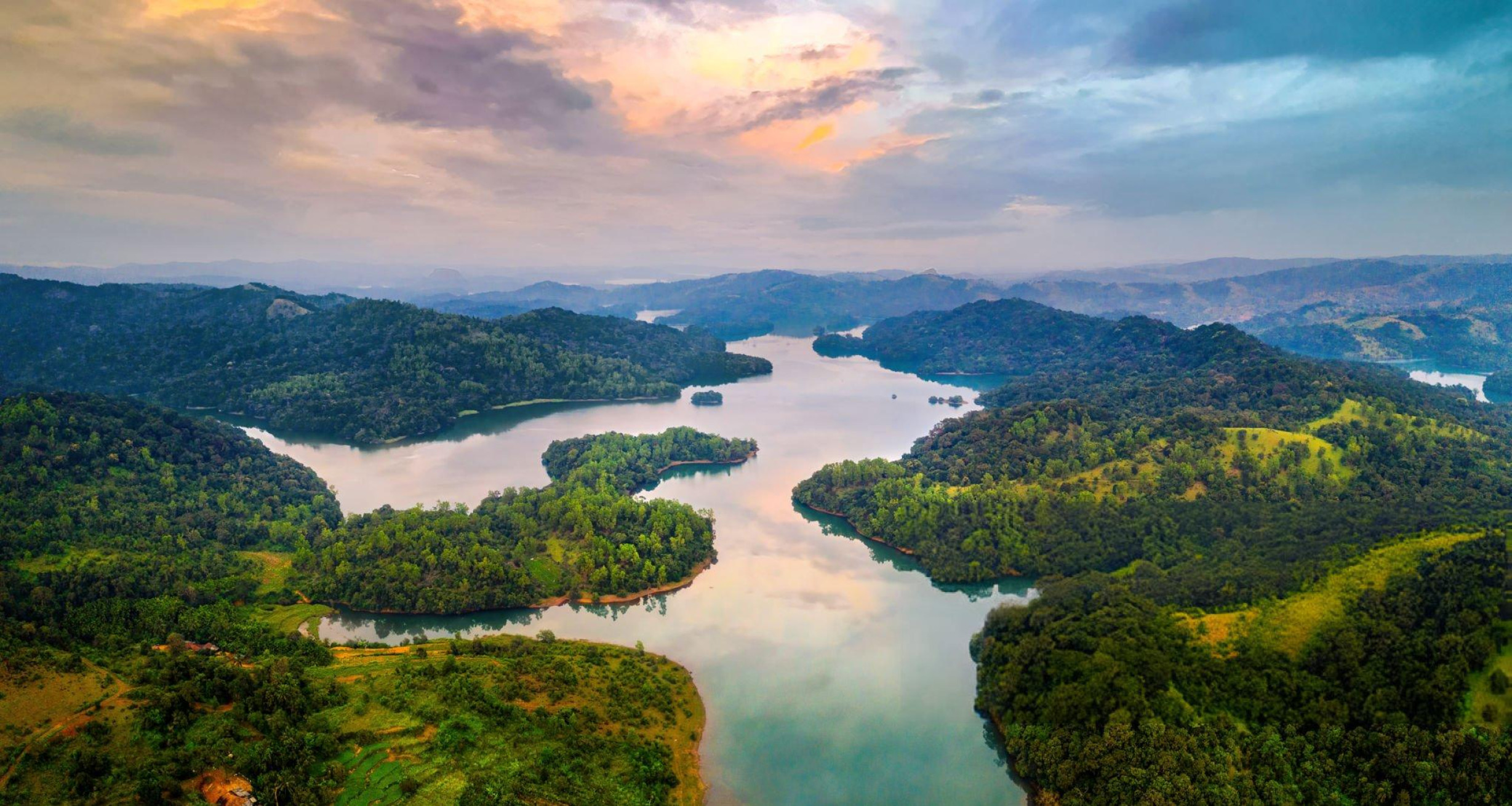
India’s rivers are classified into two groups:

a) Himalayan Rivers

  • Perennial rivers with snow-fed origins.

  • Major ones: Ganga, Yamuna, Brahmaputra.

b) Peninsular Rivers

  • Mostly rain-fed and seasonal.

  • Major ones: Godavari, Krishna, Mahanadi, Narmada, and Kaveri.

Rivers are crucial for agriculture, drinking water, hydroelectricity, and transportation.

5. Natural Resources and Biodiversity

  • Forests: India has 24% forest cover. Home to national parks like Jim Corbett, Kaziranga, and Sundarbans.

  • Minerals: Rich in coal, iron ore, bauxite, and mica.

  • Wildlife: Tigers, elephants, lions, rhinos, and over 1,200 species of birds.

You Might Also Like

Supreme Court AI Warning Raises Legal Questions
India Men’s Hockey Asia Cup 2025 Lessons & Future Outlook
India-Pakistan Indus Waters Treaty – Background, Relevance & Challenges
Why Gig Workers Are Protesting in India
Nationwide Voter List Revision by Election Commission
TAGGED:BiodiversityHotspotsCoastalPlainsDeccanPlateauGeoCulturalLandscapeGeographyOfIndiaHimalayasPlainsDesertIndianPhysiographicZonesIslandGeographyIndiaLandUsePatternsRegionalLandforms
Share This Article
Facebook Copy Link Print
3kFollowersLike
5kFollowersFollow
2kFollowersFollow
4.2kSubscribersSubscribe
WhatsAppFollow
2.5kFollowersFollow
Most Read
UPI Global Expansion

UPI Global Expansion Unlocks New Travel Benefits

india-japan-investment

India-Japan Investment Boost Signals Powerful New Growth Era

Jaishankar six-nation tour

Jaishankar’s 6 Nation Tour Signals India’s Global Ambition

Jaishankar six-nation tour

Jaishankar’s 6 Nation Tour Signals India’s Global Ambition

Indonesia BrahMos deal

Indonesia Buys BrahMos: India’s Strategic Leap

You Might Also Like

Air pollution in Indian cities showing thick smog affecting daily life
Business & Economy

Pollution Is Everyone’s Problem: How Indian Citizens Can Protect Themselves

July 3, 2026
India accelerates toward a quantum-powered future with breakthroughs in computing, research, and national innovation programs
Business & Economy

Quantum Computing in India — Dream or Near Future?

June 29, 2026
Strategic significance of QUAD in the Indo Pacific region
Education & Career

What Is QUAD and Why It Is in the News: Meaning, Members, and Strategic Significance

July 3, 2026
Families in Telangana waiting for updates after Mecca to Medina bus accident
Daily News

Saudi Arabia Bus Crash: 45 Indian Pilgrims Feared Dead Near Medina, Hyderabad Families Devastated

June 29, 2026
The Vue Times

About US

The Vue Times is a modern digital news platform dedicated to delivering accurate, timely, and insightful coverage of the stories that matter. From breaking news and business updates to technology, lifestyle, entertainment, and global affairs, we strive to keep our readers informed with credible journalism and balanced perspectives.

Top Categories
  • Bollywood
  • Business & Economy
  • Crime & Law
  • Daily News
  • Education & Career
  • Entertainment
  • Health & Wellness
  • India / National
Usefull Links
  • Home
  • Blog
  • Contact
  • Privacy Policy
  • Cookie Policy
IMD Rain Alert
India / National

IMD Rain Alert Reveals Fresh Monsoon Risks Across India

Read More
UPI Global Expansion
India / National

UPI Global Expansion Unlocks New Travel Benefits

Read More

© The Vue Times. All Rights Reserved.

Welcome Back!

Sign in to your account

Username or Email Address
Password

Lost your password?