

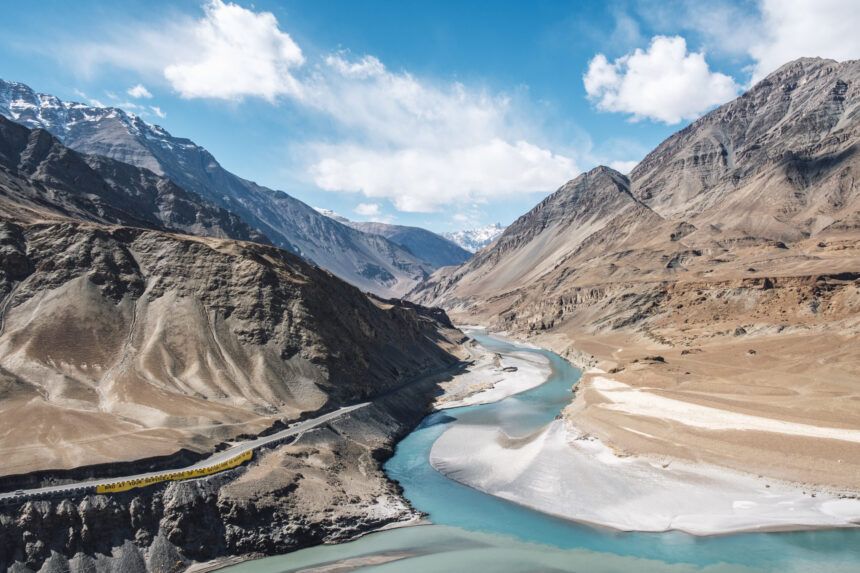
The Indus Waters Treaty (IWT) is a vital agreement between India and Pakistan that governs the use of water from the Indus River system, which flows through both countries. Signed in 1960, this treaty has become a symbol of international cooperation in managing shared water resources. Despite its importance, the treaty has faced challenges over the years, especially due to rising political tensions and growing water scarcity.
History of the Indus Waters Treaty
The Indus River system is one of the largest and most significant river systems in the world, serving millions of people across India and Pakistan. The river system consists of six major rivers: the Indus, Jhelum, Chenab, Ravi, Beas, and Sutlej. Historically, these rivers have supported agriculture and livelihoods in both countries.
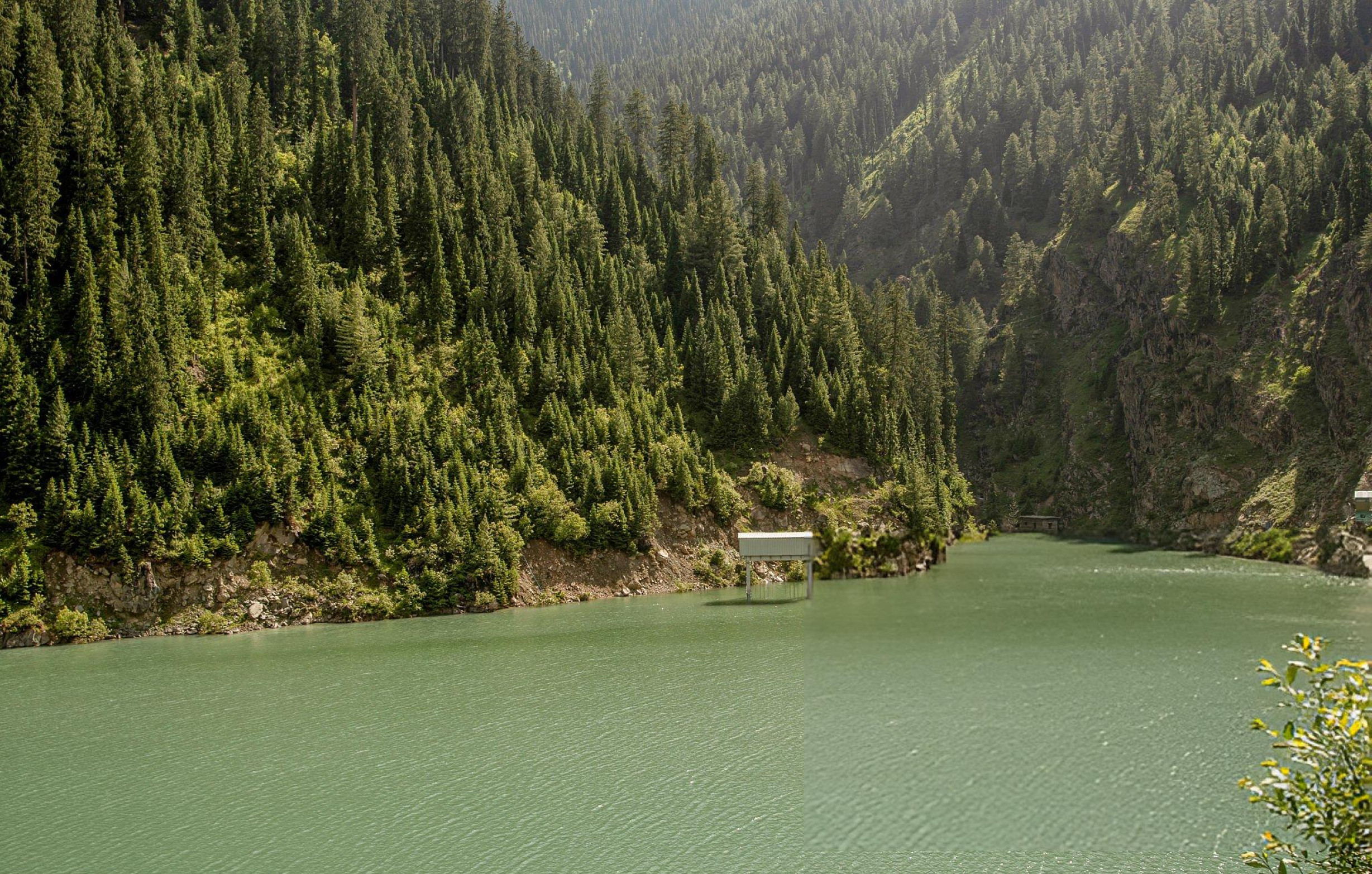
When India and Pakistan were partitioned in 1947, control over the Indus and its tributaries became a point of conflict. The partition disrupted the flow of water and left both nations heavily dependent on the rivers for irrigation and power generation. As tensions grew between India and Pakistan, the distribution of water resources became a major issue, especially after the two nations fought wars in 1947-1948 and 1965.
In 1951, the World Bank intervened, urging India and Pakistan to come to a resolution
regarding water sharing. The situation became even more urgent as both countries were facing water shortages, and the threat of escalating tensions over the issue was high.
Finally, in 1960, the Indus Waters Treaty was signed between India and Pakistan, with the World Bank acting as a mediator. The treaty was designed to resolve disputes over the sharing of the Indus River waters and to ensure that both countries could use the river for their agricultural and economic needs without further conflict.
Key Provisions of the Treaty
The Indus Waters Treaty divided the six rivers of the Indus system into two categories:
- India was given control over the eastern rivers (the Beas, Ravi, and Sutlej), while
- Pakistan was given control over the western rivers (the Indus, Chenab, and
Jhelum).
The treaty gave each country the right to use the waters of the rivers in its allocated region for irrigation and hydropower generation. However, India’s use of the eastern rivers was subject to certain restrictions, especially regarding the construction of major dams or barrages, which could affect the flow of water to Pakistan.
A key feature of the treaty was the creation of the Permanent Indus Commission, composed of representatives from both countries. The Commission was tasked with resolving any disputes that arose regarding water usage and ensuring compliance with the treaty’s provisions.
Relevance of the Indus Waters Treaty
The IWT has played a crucial role in ensuring peaceful management of the Indus River waters between India and Pakistan. Its relevance extends to several key areas:
- Conflict Resolution: Despite several wars and ongoing tensions between India and
Pakistan, the IWT has managed to maintain relative peace over water-sharing,
preventing conflicts over this crucial resource. - Agriculture and Economy: The Indus River is vital to both India and Pakistan,
especially for agriculture. In Pakistan, around 90% of its agriculture depends on the
Indus Basin, while in India, the rivers of the Indus system provide water for irrigation in
states like Punjab and Haryana. The treaty ensures that both nations can continue using
these waters for agriculture, which is a vital source of livelihood. - Hydropower Generation: Both countries also use the rivers for generating hydroelectric power. The treaty allows for the development of hydropower projects while ensuring that one country’s projects do not adversely affect the water flow into the other country.
- International Example: The treaty is often cited as a model for other regions with
shared water resources. Despite the ongoing political issues between India and
Pakistan, the treaty has largely been adhered to, showcasing how diplomacy can
succeed in managing common resources.
More Read

Challenges Facing the Indus Waters Treaty
While the treaty has stood the test of time, several challenges continue to threaten its stability and future:
- Political Tensions: The Indus Waters Treaty has been heavily impacted by the political relationship between India and Pakistan. Periods of heightened tension, such as after the Pulwama attack (2019) or the Kashmir conflict, have led to calls for either revising or even scrapping the treaty. While the treaty itself is a legal agreement, political hostility makes cooperation difficult.
- Water Scarcity and Climate Change: Both countries are facing significant water
scarcity due to overuse, climate change, and reduced rainfall. Pakistan, which depends
on the western rivers, has raised concerns that Indian dams and projects on the eastern
rivers could reduce the flow of water into its territory. Climate change is exacerbating this issue, as decreasing snowfall in the Himalayas affects the river system’s flow. - India’s Infrastructure Projects: India has been constructing several hydroelectric
projects on the eastern rivers, particularly the Beas, Sutlej, and Ravi. Although these
projects are permitted under the treaty, Pakistan has repeatedly raised concerns that
they could affect the flow of water to Pakistan. Tensions around such infrastructure
projects have increased in recent years. - Water Quality and Environmental Concerns: While the treaty deals primarily with
water quantity, issues related to water quality, pollution, and environmental sustainability have not been addressed adequately. Both countries face challenges related to water pollution, especially from industrial and agricultural waste, which threatens the long-term health of the river system. - Dispute Resolution Mechanism: Although the treaty provides a framework for
resolving disputes, the process is often slow and ineffective in handling urgent issues.
The Permanent Indus Commission, which was established to mediate disputes, has
faced difficulties in enforcing its decisions and ensuring that both countries comply with
the terms of the treaty.