
India’s rivers are not mere bodies of water; they are living narratives, pulsing arteries that have carried the country’s people, ideas, and soul for millennia. In a land where geography and mythology intertwine, the Ganga, Yamuna and Saraswati stand out as the trinity of sacred rivers, shaping every facet of Indian civilisation—from the earliest settlements along their banks to the grandest epics, from the first agricultural societies to the present-day struggles for water security.
Below we trace the cultural journey of these rivers, exploring how their geography, spirituality, and socio‑economic influence forged a civilization that still reveres them as deities, ancestors, and sources of life.
1. The Landscape: Rivers as the First Civilization Builders
1.1 The Ganga – The Life‑Sustaining Pulse of the North
The Ganga’s source lies in the Gangotri Glacier on the western slopes of the Himalayas. From there, it carves a 2,525‑kilometre course, descending through the steep mountains, gliding through the fertile plains of Punjab, Haryana, Uttar Pradesh, and Bihar before emptying into the Bay of Bengal. Its tributaries, the Yamuna, Sirsa, and Ghaggar, form a complex network that has suffused the northern plains with mineral‑rich alluvium.
For the ancient Indus Valley people and later Vedic settlers, the Ganga was a life‑giver. Its waters irrigated vetch, wheat, and barley, allowing settled agriculture to flourish, which in turn gave rise to the first cities: Harappa, Mohenjo‑Daro, and later, the urban centres of Varanasi, the Kashi of the east. The river’s predictable monsoon-fed flow meant that cultivation could be planned, leading to surplus production and the dawn of craft specialization.
1.2 The Yamuna – The Fertile Companion
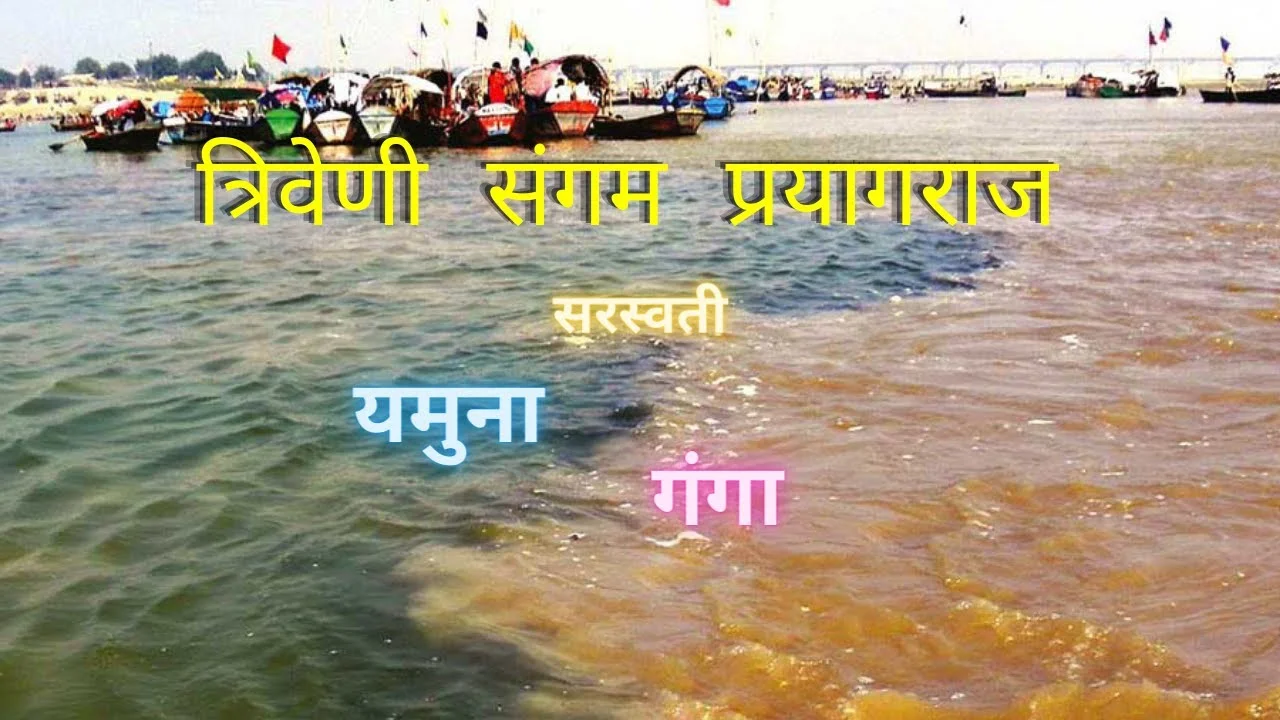
The Yamuna begins in the Yamunotri Glacier in Uttarakhand, meandering westward for 1,376 kilometres. Its confluence with the Ganga at Prayag (modern‑day Allahabad) marks a symbolic union of two divine forces. The Yamuna’s alluvial plains, especially in the states of Haryana and Uttar Pradesh, have long been the cradle of the ancient Vedic culture, as evidenced by the archaeological sites of Kuru and Harsha.
Unlike the Ganga, the Yamuna’s course is narrower and more prone to flooding, which has historically made its banks both a source of danger and abundance. The river’s periodic floods deposited nutrient‑rich silt, sustaining dense populations along its banks and ensuring the growth of an agrarian society that would later give rise to the great empires of the Ganga‑Yamuna plains.
1.3 The Saraswati – The Mythical River of the Indus
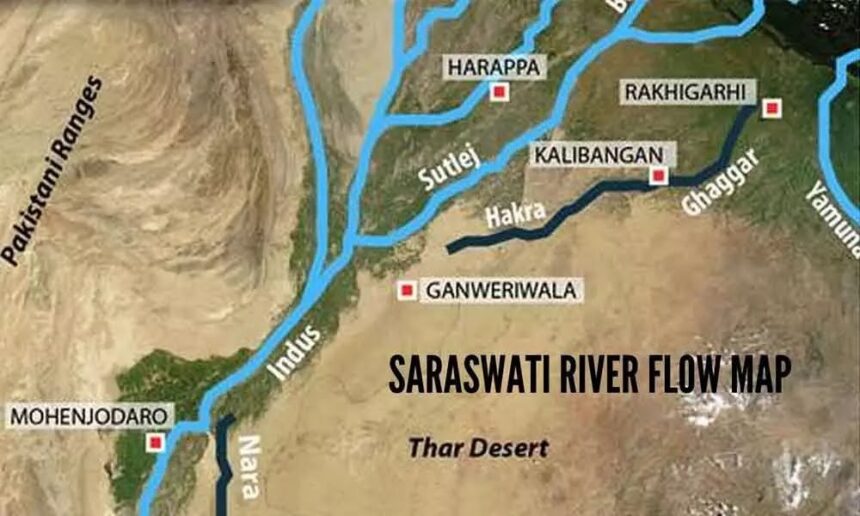
The Saraswati is perhaps the most enigmatic of India’s sacred rivers. Historically, it is believed to have flowed through the Indus Valley, drying up around 3000 BCE due to tectonic shifts. The ancient Vedic hymns—especially the Rig Veda—paint the Saraswati as a mighty, turquoise waterway that ran parallel to the Ganga. Its disappearance is a subject of scholarly debate: some suggest a shifting of the Indus river system, while others point to a gradual recession of the subterranean channels that fed the Saraswati.
Whatever the precise mechanism, the Saraswati’s historical presence explains why Vedic migrations gravitated towards the north‑western parts of the subcontinent. The river’s mythic sanctity has kept it alive in the cultural imagination, inspiring rituals that take place on the dried‑up banks and even modern geo‑engineering projects attempting to revive its flow.
2. Spiritual Confluence: Rivers as Deities and Sanctuaries
2.1 The Ganga as the Divine Mother
In Vedic cosmology, the Ganga is personified as the goddess Ganga, an embodiment of purity, renewal, and grace. The homonymous “Ganga Saptami” festival and the “Kumbh Mela” have turned the river into a pilgrimage magnet. According to legend, the Ganga descended from the heavens to cleanse humanity’s sins, and bathing in her waters is believed to grant moksha (liberation). The hymns of the Upanishads and the Puranas revere her as “Mata Ganga” (Mother Ganga), her sanctity weaving through every strand of Hindu ethos.
2.2 The Yamuna as the River of Sacrifice
The Yamuna’s sanctity is tied to the ancient city of Prayag, the site of the famous “Ayodhya Yagyā” and the “Kumbh Mela.” The river’s confluence with the Ganga is considered the most auspicious point for rituals. In the Mahabharata, the Yamuna is invoked during the “Ganga-Jamuni” marriage of the Pandavas and Draupadi, symbolising the unification of divine law and human duty.
2.3 The Saraswati as the River of Knowledge
The Saraswati is revered as the goddess of learning, music, and art. From the Tamil epic *Kamba Ramayanam* to present‑day “Saraswati Jayanti” celebrations, the river is invoked by scholars and musicians alike. In the Sanskrit “Rasa” traditions, the Saraswati is seen as the vessel that carries the soul’s creative potential, and the river’s mythic presence has inspired countless literary, musical, and philosophical traditions.
3. Cultural Tapestry: The Rivers as Threads in Indian Art, Music, and Literature
3.1 Literature: From Vedas to Modern Poetry
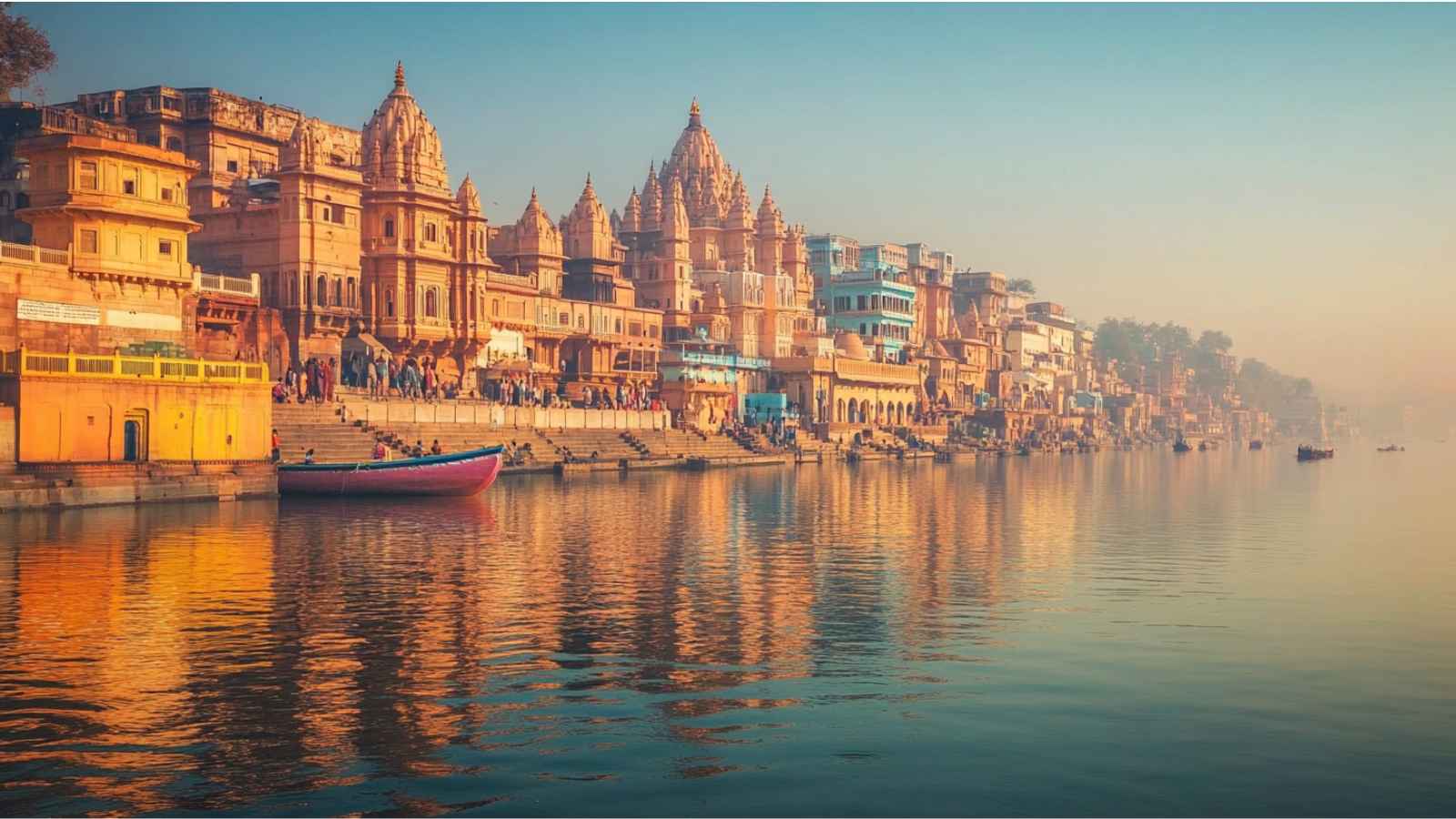
The Rig Veda’s hymns to the Ganga and Saraswati are the earliest known literary references. The Mahabharata and Ramayana weave these rivers into their narratives, giving characters like Satyavati and Sita boat‑ride scenes and connecting the river’s sanctity to moral lessons. In the medieval *Baul* tradition, the Ganga’s symbolism of spiritual journey is a recurring motif. Contemporary poets such as Mahadevi Varma and Rabindranath Tagore have invoked the rivers as metaphors for change, freedom, and renewal.
3.2 Music: The Raga of the River
In Hindustani classical music, the “Ganga” and “Yamuna” ragas are dedicated to these rivers, encapsulating their moods—Ganga’s riverine melancholy and Yamuna’s serene devotion. Folk music across Uttar Pradesh, Bihar, and Punjab regularly references the rivers, reinforcing their role as cultural touchstones.
3.3 Art: Murals and Iconography
From the terracotta reliefs of the Indus Valley to the frescoes of the Mauryan period, the rivers have been depicted as flowing deities. In the Gupta era, the “Ganga” is often illustrated with a white elephant, and the “Yamuna” with a stylised dragon. In modern times, festivals like the Kumbh Mela have spurred a visual culture that ranges from street art to digital media, with the rivers as central, almost living, canvases.
4. Socio‑Political Influence: From Ancient Empires to Contemporary Governance
4.1 Royal Patronage and Riverine City Planning
The Mauryan emperor Ashoka’s “Ceylon’s Edict” emphasises the moral duty to protect the Ganga’s purity. The Gupta period’s “Pragjyotishika” states that the city of Varanasi’s planners used the river’s meanders to design grid‑like roads. The Mughal emperors’ gardens—Shalimar and Mehmud—often incorporated water channels, symbolising the integration of imperial authority with the sanctity of the Ganga and Yamuna.
4.2 Colonial Exploitation and the Rise of Water Politics
During British rule, the Ganga and Yamuna were harnessed for irrigation canals, rail lines, and the cotton industry. The colonial administration’s disregard for the rivers’ ecological balance led to pollution and over‑extraction. This legacy remains a core issue in contemporary water‑rights movements, especially among rural farmers in Punjab and Haryana.
4.3 Post‑Independence Conservation and the “Clean Ganga” Movement
Since the 1970s, India has seen a sustained push for river‑cleaning initiatives. The “National Mission for Clean Ganga” (2014) aims to treat 12.5 million tonnes of waste annually. Meanwhile, the “Yamuna Action Plan” seeks to reduce industrial effluents. These programmes highlight how the rivers are not only spiritual assets but also vital resources for public health and economic development.
5. Modern Challenges and the Future of the Sacred Rivers
More Read

5.1 Environmental Degradation
Pollution from industrial discharge, sewage, and agricultural runoff has turned once‑crystal Ganga waters into a sanitary hazard. The Yamuna, especially near Delhi, has become a case study in urban‑river erosion. The Saraswati’s dried basin, however, has seen a resurgence of interest with the “Saraswati River Revival” project, which seeks to re‑channel the ancient waterway to restore ecological balance.
5.2 Climate Change and Monsoon Variability
Climate change threatens the monsoon patterns that feed the Ganga and Yamuna. Droughts in the Himalayan catchment can reduce spring water flows, while extreme rainfall can lead to catastrophic floods. The Saraswati, perched on an ancient alluvial basin, may suffer from groundwater depletion, further complicating its revival efforts.
5.3 Socio‑Cultural Resilience
Despite these challenges, the rivers continue to inspire a vibrant culture of stewardship. River‑cleaning festivals—like the “Mahaprasad” at Varanasi—fuse ritual with activism. NGOs and grassroots movements champion “Swachh Bharat” principles, linking the preservation of rivers to India’s larger national identity.
6. Conclusion: Rivers as Living Legacies
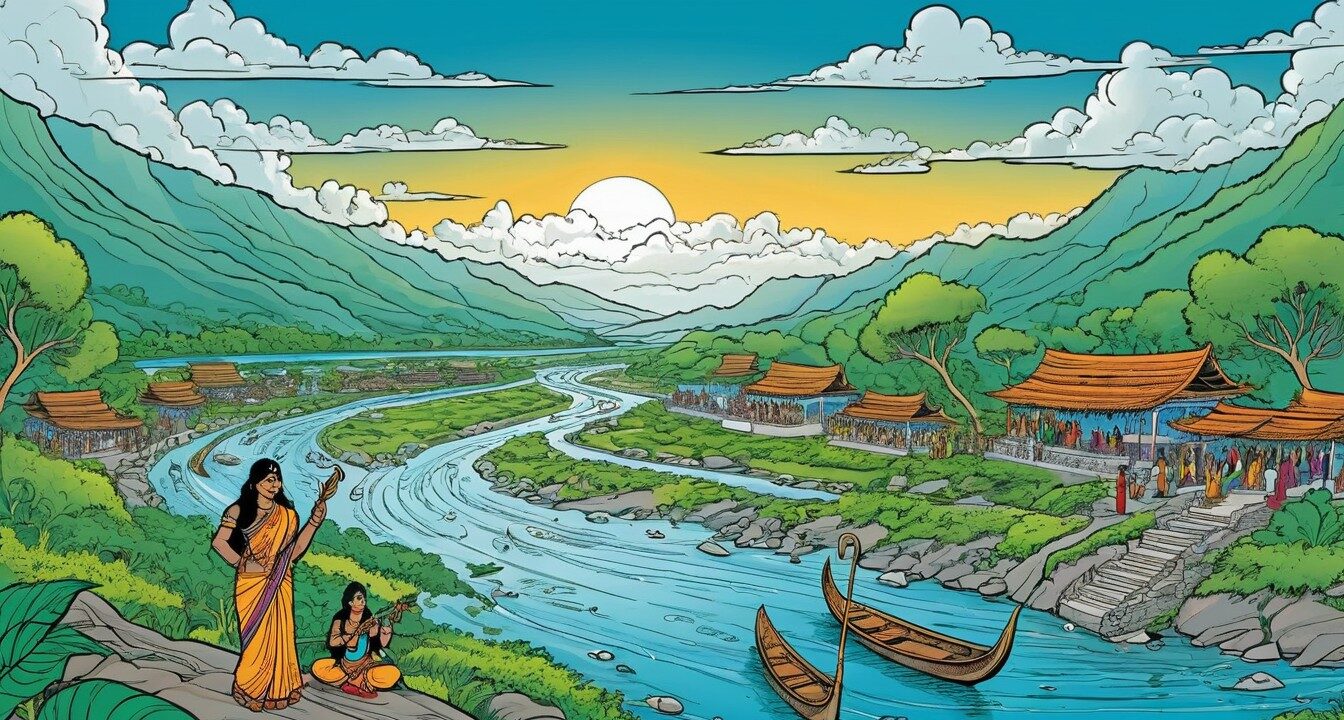
The Ganga, Yamuna, and Saraswati are not simply waterways; they are living legacies that have shaped India’s geography, culture, spirituality, and political life. Their currents have carried seeds of civilisation, nourishing fields, cities, and hearts alike. Their mythic stories have crystallised into rituals that bind millions in shared devotion. Their ecological health is now a barometer of India’s future—of how its citizens will balance modernity with reverence for the sacred.
In every Ganga‑Bharat, every Yamuna‑Praja, and every Saraswati‑Sanskrit, one can see the intertwined dance of nature and nurture. The cultural journey of these rivers is, in essence, the cultural journey of India itself—a tale of birth, growth, decline, and renewal, forever flowing toward a horizon where the past and future merge in sparkling foam.