

There’s a moment most people don’t notice anymore. You tap “send,” refresh a page, or load a video—and it simply works. No delay, no friction, no visible machinery. It feels effortless, almost invisible. But behind that instant response is one of the most complex systems humans have ever built.
That quiet, seamless experience is precisely where the real story begins: What Is Internet Infrastructure? It’s not a single thing, but an intricate web of physical hardware, digital protocols, and global coordination that keeps the modern world functioning.
We rarely think about it—until something breaks.
What Is Internet Infrastructure? A System You Never See
Strip away the abstraction, and the internet stops being a cloud. It becomes something very physical.
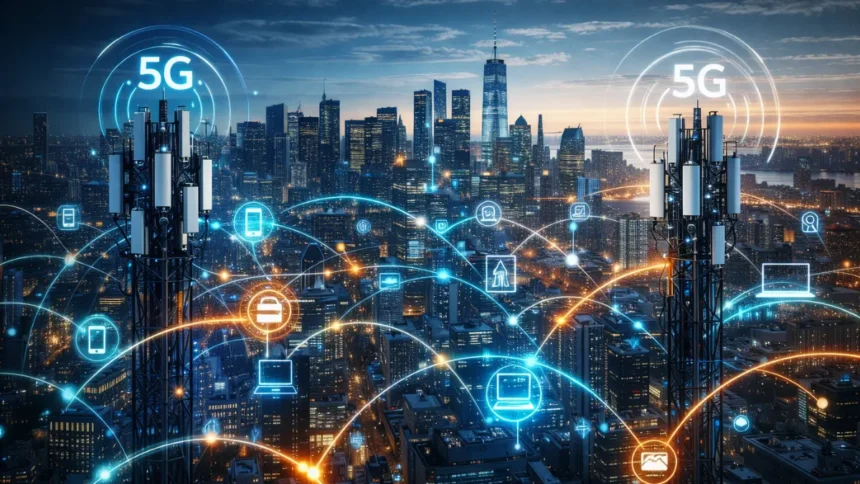
At its core, What Is Internet Infrastructure? It’s the collection of systems that allow data to travel from one point to another across the globe. This includes fiber optic cables under oceans, massive data centers processing requests, wireless towers transmitting signals, and the protocols that ensure everything arrives intact.
Imagine sending a simple WhatsApp message. That message might travel through local towers, pass into regional networks, jump across continents via submarine cables, hit servers in distant data centers, and then reverse the journey to reach the recipient. All of this happens in milliseconds.
The internet isn’t floating somewhere above us. It’s buried beneath our streets, stretched across oceans, and housed in buildings the size of stadiums.

From ARPANET to Global Dependency
Understanding What Is Internet Infrastructure? requires stepping back into its origins.
The internet didn’t begin as a consumer product. It started as a military experiment in the late 1960s with ARPANET—an attempt to create a decentralized communication network that could survive disruptions. That foundational idea still shapes the internet today: no single point of failure.
Over time, universities joined the network, followed by corporations, governments, and eventually the public. The explosion of personal computing in the 1990s and the rise of smartphones in the 2000s transformed the internet from a specialized system into a daily necessity.
What was once a tool for scientists is now the backbone of economies.
The Hidden Architecture Behind the Screen
When people ask, What Is Internet Infrastructure?, they often imagine Wi-Fi routers or mobile networks. But that’s only the visible tip.
1. Physical Layer: The Internet’s Skeleton
Fiber optic cables carry most global data. These cables use light signals to transmit information at extraordinary speeds. Submarine cables alone handle over 95% of international data traffic.
Cell towers, satellites, and routers form the access layer—connecting users to the broader network.
2. Data Centers: The Brain
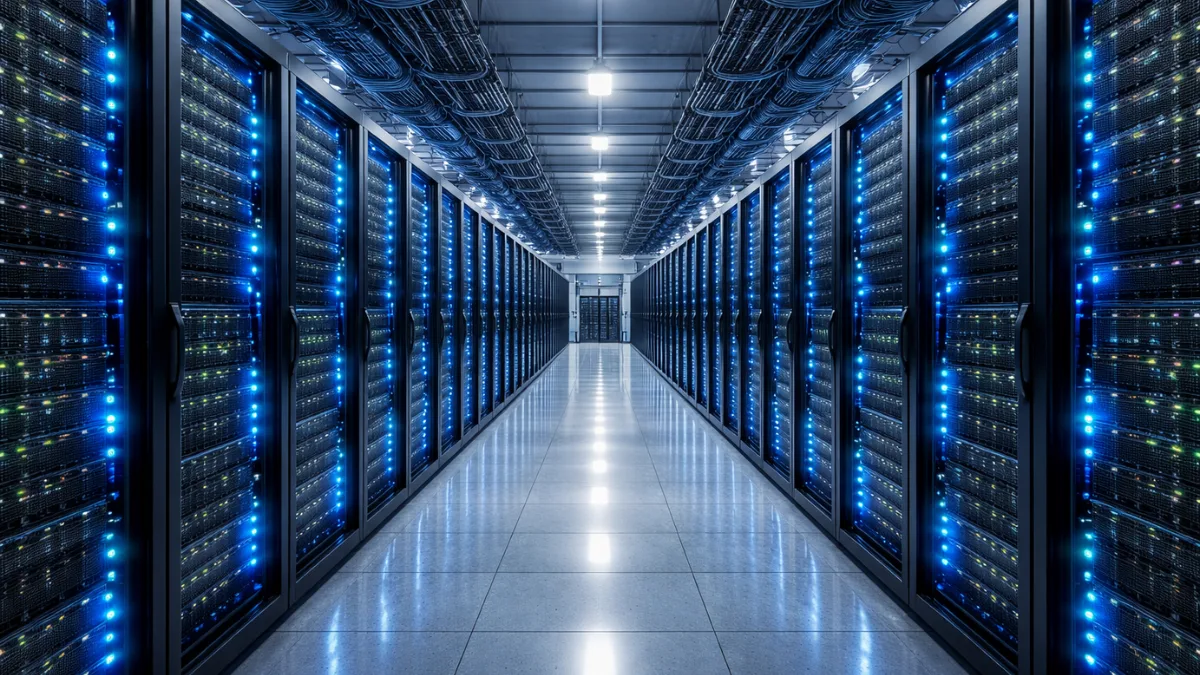
These are not abstract “clouds.” Data centers are physical facilities filled with servers that store, process, and distribute information. Every website, app, and service relies on them.
From streaming videos to storing emails, these centers operate 24/7, consuming massive amounts of electricity while maintaining uptime close to perfection.
3. Internet Service Providers (ISPs): The Gatekeepers
ISPs connect individuals and businesses to the internet. They manage bandwidth, route traffic, and maintain local infrastructure.
Without them, the global network would remain inaccessible to everyday users.
4. Protocols and Routing Systems
Behind every click is a set of rules. Protocols like TCP/IP ensure data is broken into packets, transmitted, and reassembled correctly. Routing systems determine the fastest and most efficient path for data.
It’s less like a highway—and more like a constantly adapting nervous system.
Why Internet Infrastructure Matters More Than Ever
There was a time when the internet was optional. That era is gone.
Today, entire industries depend on it—finance, healthcare, education, logistics. A disruption isn’t just inconvenient; it can halt operations, delay services, and trigger economic losses.
Consider online payments. A few seconds of downtime can mean millions lost. In healthcare, telemedicine depends on stable connectivity. In governance, digital services rely on uninterrupted networks.
The question What Is Internet Infrastructure? has shifted from technical curiosity to national priority.
Governments are now treating it like critical infrastructure—on par with electricity and water.
The Business of Staying Online
Behind the technical complexity lies a massive economic ecosystem.
Tech giants invest billions into infrastructure. Companies like cloud providers build hyperscale data centers across continents. Telecom operators expand fiber networks into rural areas. Startups innovate on edge computing and low-latency systems.
But this expansion isn’t just about speed—it’s about control.
Owning infrastructure means controlling access, data flow, and ultimately, influence.
That’s why geopolitical tensions increasingly involve digital networks. Undersea cables, satellite systems, and data sovereignty are no longer purely technical matters—they’re strategic assets.
The Fragility of a System That Feels Unbreakable
The internet feels permanent. It isn’t.
Cables can be cut. Servers can fail. Cyberattacks can disrupt entire networks. Even something as simple as a configuration error can bring down major platforms.
When outages happen, they reveal something unsettling: how dependent we’ve become.
A few hours without internet can disrupt communication, halt business, and expose vulnerabilities in systems we rarely question.
The illusion of stability hides a reality of constant maintenance and risk management.
The Human Side of Infrastructure
There’s also a psychological layer to What Is Internet Infrastructure?.
We’ve built habits around immediacy. We expect instant replies, real-time updates, and continuous access. When that expectation breaks, frustration follows quickly.
Infrastructure doesn’t just support technology—it shapes behavior.
It has redefined how we work, learn, socialize, and even think. The always-on nature of the internet has blurred boundaries between personal and professional life.
And yet, most users remain disconnected from the system enabling it all.
Where It’s Headed Next
The future of internet infrastructure isn’t just faster—it’s smarter and more distributed.
1. Edge Computing
Instead of sending data to distant servers, processing happens closer to the user. This reduces latency and improves performance for real-time applications like gaming and autonomous systems.
2. 5G and Beyond
Higher speeds, lower latency, and greater device connectivity will redefine how networks operate, especially for IoT ecosystems.
3. Satellite Internet Expansion
Low-earth orbit satellite systems aim to provide connectivity in remote regions, reducing the digital divide.
4. Sustainable Infrastructure
Data centers are energy-intensive. The push toward renewable energy and efficient cooling systems is becoming critical.
5. Cybersecurity Integration
Infrastructure is no longer just about connectivity—it’s about resilience. Security is now built into every layer of the network.
More Read

Conclusion: The System That Quietly Runs the World
So, What Is Internet Infrastructure?
It’s not just cables, servers, or signals. It’s the foundation of modern existence—an invisible system that enables communication, commerce, knowledge, and connection.
We don’t notice it when it works. But everything stops when it doesn’t.
As the digital world expands, this infrastructure will only grow more complex—and more essential. The real question isn’t just how it works, but how we choose to build, secure, and govern it in the years ahead.
Because the future won’t just run on the internet.
It will depend on how strong its foundation truly is.
Final Insight
The strongest systems are often the ones people never see. Internet infrastructure falls into that category—quietly powering economies, shaping societies, and redefining human interaction. The next phase of digital growth won’t be defined by apps or platforms, but by the resilience of the networks beneath them.-THE VUE TIMES
Frequently Asked Questions
What is internet infrastructure in simple terms?
→ It refers to the physical and digital systems that allow the internet to function, including cables, servers, data centers, and network protocols.
Why is internet infrastructure important?
→ It supports communication, business operations, and digital services. Without it, modern systems like online banking, cloud storage, and streaming would fail.
What are the main components of internet infrastructure?
→ Key components include fiber optic cables, data centers, ISPs, routers, and communication protocols.
Who owns internet infrastructure?
→ It is owned by a mix of private companies, telecom providers, governments, and global tech firms.
Can the internet infrastructure fail?
→ Yes, outages can occur due to technical failures, cyberattacks, or physical damage to cables and servers.