
Introduction
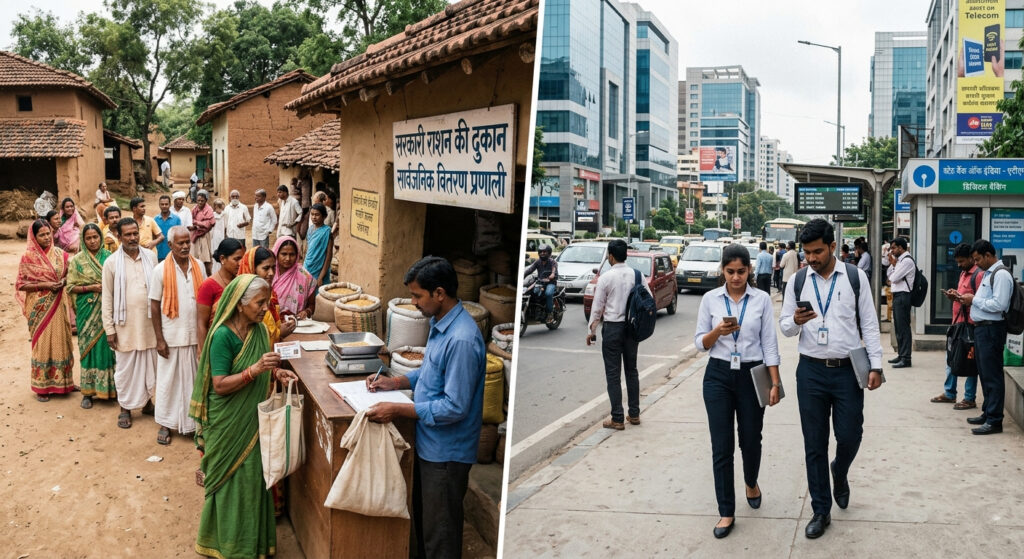
The debate around freebies vs development India has moved far beyond policy circles into mainstream discourse. It now influences elections, shapes economic decisions, and affects the everyday lives of millions. From free electricity and water to loan waivers and direct cash transfers, welfare schemes have become central to governance in India.
But this raises a fundamental question: are these measures essential for social justice, or do they undermine long-term development? Should governments prioritize immediate relief for citizens or invest more heavily in infrastructure, education, and economic growth?
In a country as diverse and unequal as India, the answer is not straightforward. The subsidy debate India reflects deeper tensions between equity and efficiency, political strategy and economic prudence, short-term gains and long-term sustainability.
As India aims for sustained high growth and global economic relevance, understanding this debate is crucial. This article provides a comprehensive, balanced, and deeply analytical look at the issue—cutting through noise to explore what truly matters.
Background and Context
To understand the modern freebies vs development India debate, we must look at its historical roots.
Early Years: Welfare as Necessity
Post-independence, India faced extreme poverty, low literacy rates, and weak industrial capacity. The government adopted a welfare-oriented approach to address these challenges. Subsidies became a key policy tool to ensure:
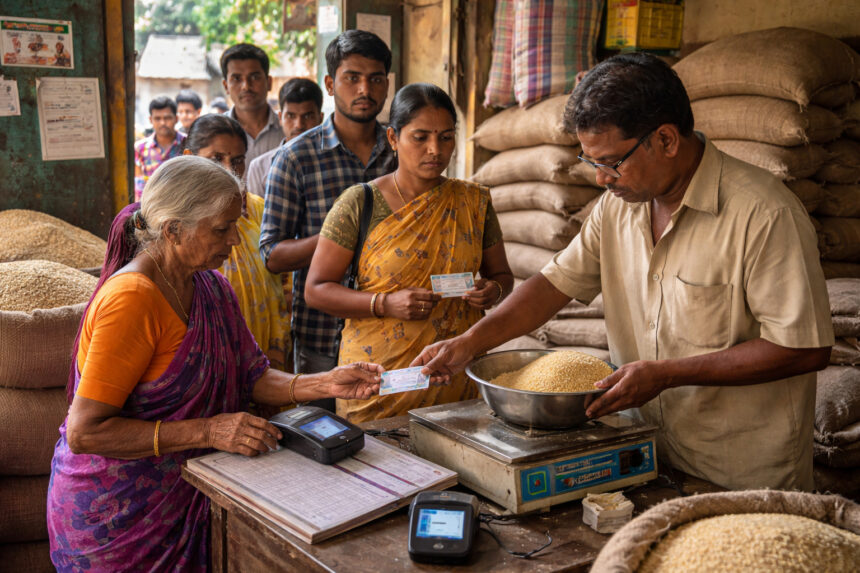
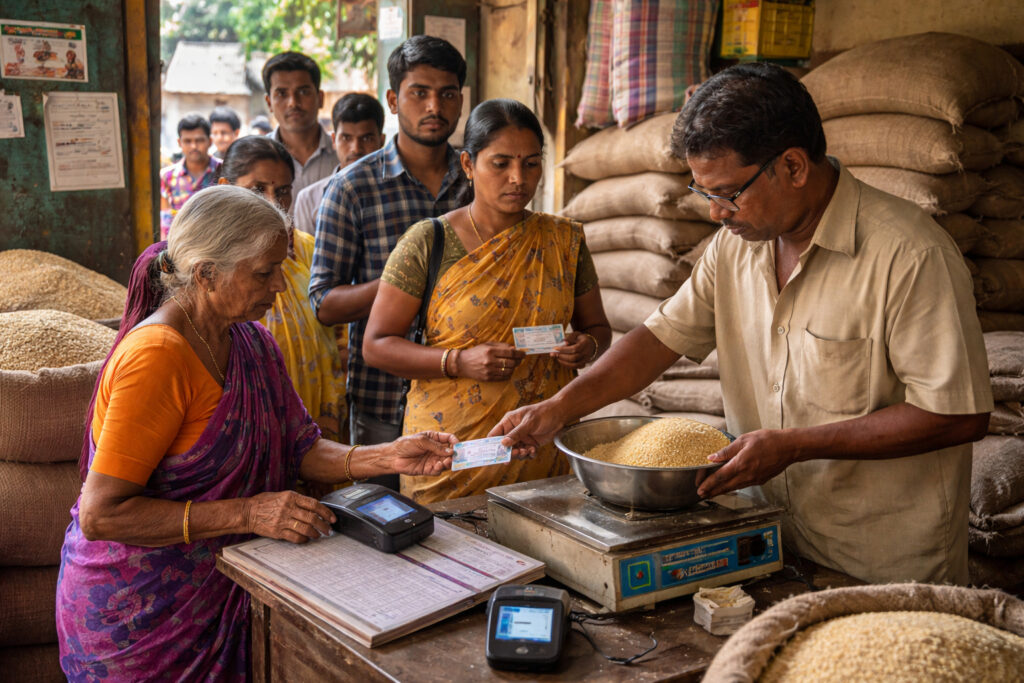
- Food security through the Public Distribution System (PDS)
- Agricultural support via fertilizer subsidies
- Affordable fuel and energy access
- Employment through rural schemes
These were not political luxuries—they were economic necessities.
Liberalization and Shift Toward Growth
The 1991 economic reforms marked a turning point. India began moving toward:
- Market-driven growth
- Private sector participation
- Infrastructure development
- Global integration
However, welfare policies did not disappear. Instead, India developed a dual approach—balancing subsidies with development initiatives.
Evolution of Welfare in the Digital Era
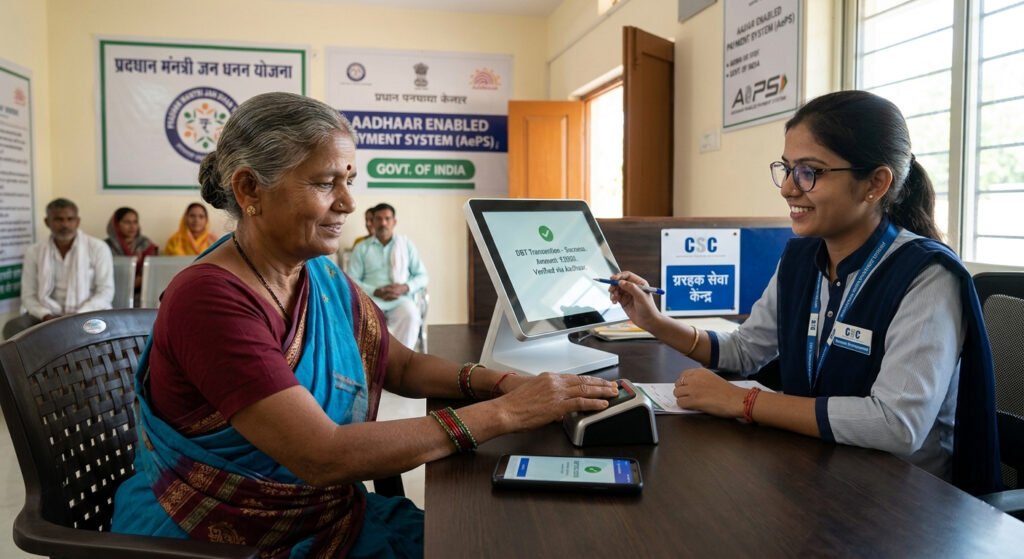
In recent years, technology has transformed welfare delivery:
- Direct Benefit Transfer (DBT) systems
- Aadhaar-linked subsidies
- Digital payments via UPI
These innovations reduced leakages and improved targeting, making welfare more efficient—but also easier to expand politically.
Structural Reality
India still has:
- Significant income inequality
- Large informal workforce
- Rural-urban disparities
This makes welfare not just a policy choice, but a structural requirement—adding complexity to the subsidy debate India.
What Is Happening Right Now
The freebies vs development India discussion has intensified significantly in recent years due to a combination of political, economic, and social factors.
1. Rise of Competitive Populism
Political parties across states increasingly compete by promising:
- Free electricity units
- Cash transfers to women
- Free transport services
- Loan waivers
These promises are often decisive in elections, making freebies a strategic tool.
2. Growing Fiscal Stress
Many states are experiencing rising debt levels. High expenditure on subsidies leaves less room for:
- Infrastructure projects
- Healthcare investment
- Education reforms
This has raised concerns among economists and policymakers.
3. Judicial and Institutional Attention
There have been discussions at institutional levels about regulating or defining “freebies,” especially in the context of electoral fairness and fiscal discipline.
4. Post-Pandemic Economic Reality
The COVID-19 pandemic increased reliance on welfare measures:
- Free ration schemes
- Emergency cash transfers
- Support for small businesses
While necessary, these expanded the scope of government spending.
5. Technological Enablement
With efficient digital systems, governments can now deliver benefits quickly and directly, making large-scale welfare programs easier to implement.
Why This Topic Is Controversial
The subsidy debate India is controversial because it sits at the intersection of economics, politics, and ethics.
Key Points of Contention
- Fiscal Responsibility vs Social Responsibility
- Short-Term Relief vs Long-Term Growth
- Political Strategy vs Economic Prudence
Core Question
Is it better to provide immediate support to citizens today or invest in building a stronger economy for tomorrow?
This is not a simple policy decision—it is a philosophical divide.
Different Perspectives
Supporters’ View
Supporters of welfare schemes argue that the focus on “freebies” is often misleading.
1. Welfare as a Right, Not a Handout
They argue that subsidies are a form of redistribution. In a country with deep inequality, they help ensure basic dignity.
2. Boost to Human Development
Access to essentials like:
- Food
- Electricity
- Education
- Healthcare
directly improves productivity and quality of life.
3. Economic Multiplier Effect
When poor households receive support, they tend to spend it locally, stimulating economic activity.
4. Addressing Market Failures
Markets do not always provide equitable access. Government intervention becomes necessary.
5. Political Mandate
Elected governments are expected to deliver visible benefits to citizens.
From this perspective, the freebies vs development India debate is often framed incorrectly—welfare is seen as integral to development.
Critics’ View
Critics take a more cautionary stance.
1. Fiscal Sustainability Concerns
Excessive subsidies can lead to:
- Rising debt
- Budget deficits
- Reduced creditworthiness
2. Opportunity Cost
Money spent on freebies could be used for:
- Infrastructure
- Innovation
- Skill development
3. Short-Term Political Gains
Freebies are often designed to win elections rather than create lasting impact.
4. Risk of Dependency
Continuous support without conditions may discourage self-reliance.
5. Inefficiency and Leakages
Not all subsidies reach the intended beneficiaries, leading to wastage.
For critics, the subsidy debate India is about ensuring responsible governance and sustainable growth.
Facts vs Claims
A balanced view requires separating evidence from perception.
Verified Facts
- Subsidies form a significant portion of government expenditure.
- Welfare schemes have reduced poverty levels over time.
- Some states with high freebie spending face fiscal challenges.
- Infrastructure investment correlates strongly with long-term growth.
Claims vs Reality
| Claim | Reality |
| Freebies destroy the economy | Only if excessive and poorly managed |
| Welfare always reduces inequality | Depends on targeting and scale |
| Development alone solves poverty | Not in the short term |
| Freebies guarantee votes | Voters consider multiple factors |
The truth is nuanced—both sides have valid points.
What People Might Be Missing
The debate is often oversimplified in public discourse.
1. Distinction Between Types of Subsidies
- Productive: Education, healthcare, skill development
- Non-productive: Short-term consumption-based giveaways
This distinction is critical.
2. Timing Matters
In times of crisis, welfare is essential. In stable periods, development should take priority.
3. Governance Quality
The effectiveness of both welfare and development depends on implementation.
4. Political Economy
Freebies are shaped by voter expectations and electoral incentives.
5. Global Context
Even developed countries use subsidies—especially during crises.
Impact on Society / Economy / Users
Economic Impact
Positive:
- Increased consumption
- Poverty reduction
- Stabilization during crises
Negative:
- Fiscal strain
- Reduced investment capacity
Social Impact
- Improved access to essentials
- Greater social inclusion
- Potential dependency risks
Stakeholder Impact
| Stakeholder | Impact |
| Poor households | Immediate relief |
| Middle class | Mixed effects |
| Businesses | Indirect benefits |
| Government | Fiscal pressure |
The real-world impact of freebies vs development India depends on balance and execution.
Role of Media and Narrative
Media plays a crucial role in shaping the subsidy debate India.
1. Framing the Debate
Media often simplifies complex issues into binary narratives.
2. Political Influence
Coverage can reflect ideological biases.
3. Social Media Amplification
Extreme views gain more visibility than balanced analysis.
4. Emotional Storytelling
Stories focus on individuals rather than systemic analysis.
This influences how citizens perceive the issue.
Bigger Picture / Future Outlook
The future of the freebies vs development India debate will be shaped by evolving economic and political realities.
Emerging Trends
1. Targeted Welfare
Better data will enable precise delivery of benefits.
2. Conditional Subsidies
Linking benefits to outcomes (e.g., education attendance).
3. Fiscal Discipline
Increased scrutiny of government spending.
4. Hybrid Policy Models
Combining welfare with development initiatives.
5. Voter Awareness
Citizens may demand both welfare and growth.
Long-Term Question
Can India create a model that ensures both equity and efficiency?
The answer will define its development trajectory.
Deep Dive: Economic Trade-offs in Freebies vs Development India
To truly understand the freebies vs development India debate, we must examine the economic trade-offs involved.
Short-Term vs Long-Term Gains
| Aspect | Freebies | Development |
| Impact Timing | Immediate | Delayed |
| Political Benefit | High | Moderate |
| Economic Return | Limited | High (long-term) |
| Sustainability | Risky if excessive | More stable |
Fiscal Space Constraint
Governments operate within limited budgets. Every rupee spent on subsidies reduces the capacity for capital expenditure.
Multiplier Effect Comparison
- Welfare spending → boosts consumption
- Infrastructure spending → boosts productivity
Both are important, but their effects differ in scale and timing.
Case-Based Understanding (Generic Patterns)
While avoiding specific political bias, certain patterns emerge across regions:
- States with heavy subsidy models often face fiscal pressure.
- Regions investing in infrastructure tend to attract more private investment.
- Balanced states show better long-term outcomes.
Ethical Dimension of the Subsidy Debate India
This debate is not purely economic—it is also ethical.
Key Ethical Questions
- Is it fair to deny immediate support in the name of future growth?
- Should taxpayers fund large-scale subsidies?
- What is the role of government in ensuring equality?
Different ideological perspectives lead to different answers.
Policy Design: The Middle Path
The real solution lies not in choosing sides but in designing better policies.
Principles for Balance
- Targeting: Ensure benefits reach the needy
- Transparency: Clear reporting of subsidy costs
- Efficiency: Reduce leakages
- Complementarity: Align welfare with development goals
- Accountability: Evaluate outcomes regularly
Conclusion
The freebies vs development India debate reflects the complexity of governing a diverse and rapidly evolving nation. It is not a question of choosing one over the other, but of finding the right balance.
More Read

Freebies, when used responsibly, can uplift vulnerable populations and provide stability. Development, when prioritized effectively, can create long-term prosperity and opportunity.
The subsidy debate India ultimately comes down to intent, design, and execution. Poorly designed policies—whether welfare or development—can fail. Well-designed ones can transform lives.
As India moves forward, the challenge is not to eliminate subsidies or abandon development, but to integrate them intelligently.
Because the real goal is not just growth—but inclusive and sustainable progress.