


It usually starts with a number you don’t recognize. You hesitate for a second, pick it up, and within moments you’re listening to a robotic voice offering a “pre-approved loan” or a “limited-time credit card deal.” You disconnect, slightly irritated. Then it happens again. And again. By the end of the week, your phone feels less like a personal device and more like a public announcement system you never subscribed to.
Spam calls in India have quietly evolved from an occasional nuisance into a daily intrusion. And the problem isn’t just about inconvenience—it sits at the intersection of privacy, technology, and regulatory gaps. A perfect example of how Technology & Digital Issues often creep into everyday life without warning.
It usually starts with a number you don’t recognize. You hesitate for a second, pick it up, and within moments you’re listening to a robotic voice offering a “pre-approved loan” or a “limited-time credit card deal.” You disconnect, slightly irritated. Then it happens again. And again. By the end of the week, your phone feels less like a personal device and more like a public announcement system you never subscribed to.
Spam calls in India have quietly evolved from an occasional nuisance into a daily intrusion. And the problem isn’t just about inconvenience—it sits at the intersection of privacy, technology, and regulatory gaps. A perfect example of how Technology & Digital Issues often creep into everyday life without warning.
When Personal Numbers Become Public Assets
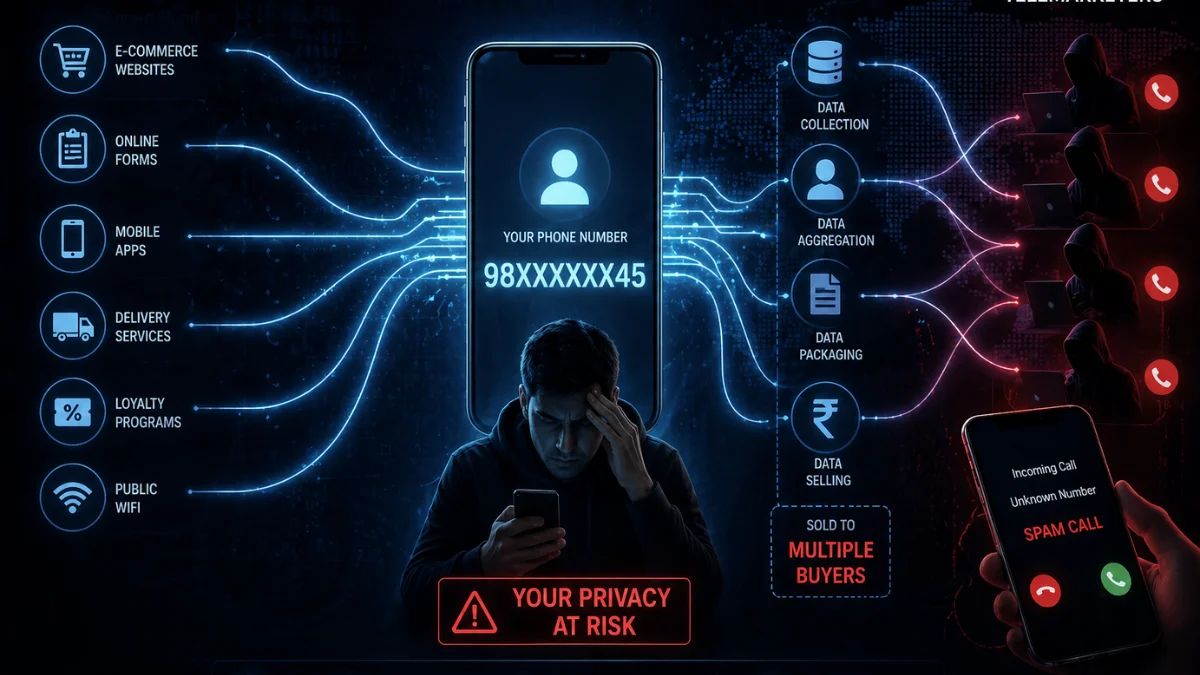
The uncomfortable truth is that your phone number isn’t as private as you think. Every online form, app signup, or delivery order creates a small data trail. Individually harmless, collectively powerful.
Somewhere along the line, that data gets aggregated, sold, or leaked—legally or otherwise. Telemarketing firms thrive on these lists. Many operate in gray areas, using rotating numbers or spoofing techniques to bypass restrictions.
The result? A system where blocking one number feels like cutting a single branch off a tree that keeps growing.
Why Spam Calls Haven’t Disappeared Despite Regulations
India isn’t short on regulation. The Telecom Regulatory Authority of India (TRAI) introduced the Do Not Disturb (DND) registry years ago. On paper, it’s straightforward: register your number, and promotional calls should stop.
In practice, it’s more complicated.
Telemarketers often:
- Use unregistered numbers
- Mask identities through caller ID spoofing
- Operate from international gateways
- Categorize calls as “transactional” instead of promotional
Even with initiatives like the Distributed Ledger Technology (DLT) framework, enforcement remains inconsistent. This gap between policy and implementation is a classic case of broader Technology & Digital Issues—where systems exist, but adaptability lags behind evolving tactics.
The Illusion of Control: Why Blocking Numbers Isn’t Enough
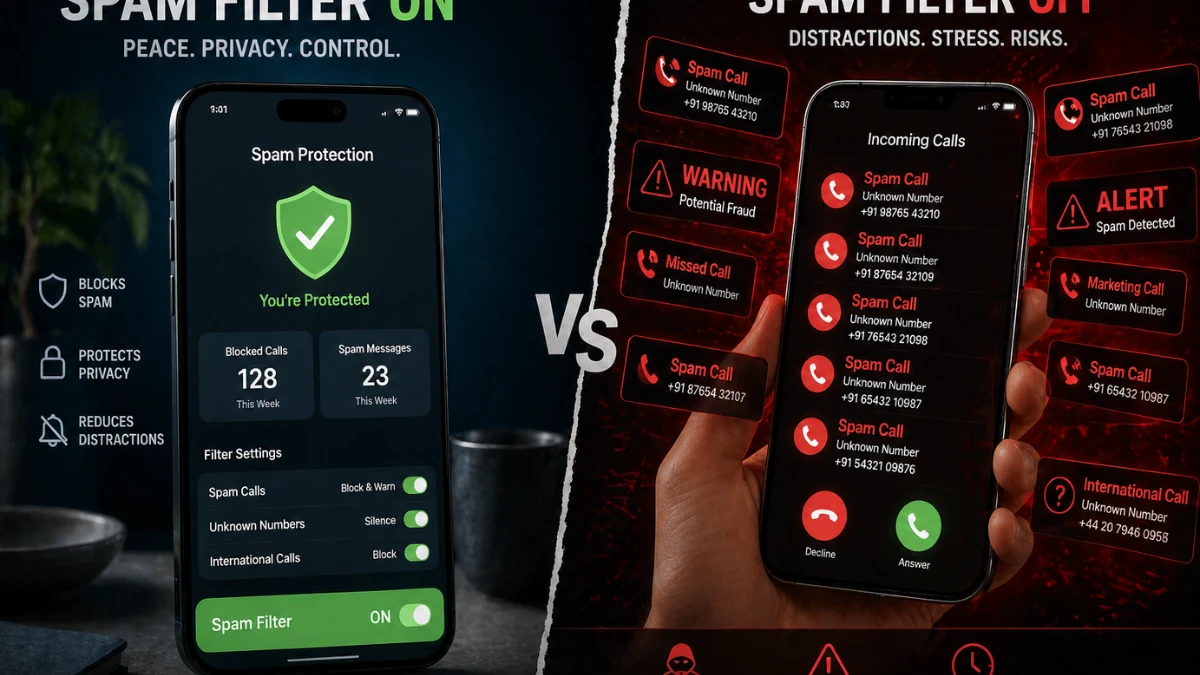
Most people rely on the simplest defense: block the number. It works temporarily, but it doesn’t solve the root problem.
Spam ecosystems are designed to be fluid. Callers rotate through thousands of numbers, often generated automatically. Blocking becomes a reactive strategy in a system that requires proactive thinking.
It’s similar to cybersecurity. You don’t just block one attack—you build layers of defense.
Practical Strategies That Actually Work
There’s no single switch to stop spam calls permanently, but a combination of methods can dramatically reduce them.
1. Activate DND the Right Way
Registering for DND is still a necessary first step. You can do this via SMS or through your telecom provider’s app.
But here’s the nuance:
Choose fully blocked categories, not partial preferences. Partial filters often leave loopholes that marketers exploit.
2. Use Official Complaint Channels
Apps like TRAI DND App allow you to report spam calls with timestamps and details.
Repeated complaints against the same sender increase the chances of action. It’s slow, but it builds pressure within the system.
3. Smart Call Filtering Apps
Apps like Truecaller have become popular for a reason. They crowdsource spam data, identifying suspicious numbers in real time.
But there’s a trade-off:
These apps often require access to your contacts and call logs. You’re solving one privacy issue while potentially creating another.
That’s the paradox of modern Technology & Digital Issues—solutions are rarely without compromise.
4. Silence Unknown Callers
Both Android and iOS now offer built-in features to silence unknown numbers. Calls still come through, but they don’t interrupt you.
It’s a small shift, but psychologically powerful. The noise disappears, even if the problem hasn’t fully gone away.
5. Avoid Data Leakage at the Source
This is where long-term impact lies.
- Don’t share your number unnecessarily
- Use alternate numbers for registrations
- Be cautious with permissions when installing apps
- Avoid entering your number on unverified websites
Spam calls are often a downstream effect of upstream carelessness.
The Business Behind Spam
It’s easy to view spam calls as random annoyance, but there’s a structured economy behind them.
Lead generation companies sell verified phone numbers. Telemarketing firms buy them. Conversion rates are low—but the scale makes it profitable.
Even if only 1% of people respond, the model works.
This explains why spam persists despite regulations. It’s not just a loophole—it’s an incentive-driven system.
Psychological Fatigue: The Hidden Cost
Beyond privacy, spam calls create something less visible: cognitive fatigue.
Every unknown call forces a micro-decision:
- Should I pick up?
- What if it’s important?
- What if I miss something urgent?
Over time, this erodes trust in communication itself. People begin ignoring calls—even legitimate ones. Businesses struggle to reach customers. Individuals miss important information.
It’s a subtle but significant impact of unresolved Technology & Digital Issues—where friction builds quietly until it changes behavior.
What the Future Might Look Like
The next phase of spam control will likely involve AI.
Telecom companies are already experimenting with:
- AI-based call pattern detection
- Voice recognition to identify robocalls
- Real-time spam scoring systems
If implemented effectively, this could shift the burden away from users.
But technology alone won’t solve it. Enforcement, accountability, and user awareness need to evolve together.
Otherwise, spam will simply adapt—as it always has.
More Read

Conclusion
Stopping spam calls permanently in India isn’t about finding a single solution. It’s about understanding the system—how data flows, how businesses operate, and how technology both creates and solves the problem.
The tools exist. The regulations exist. What’s missing is alignment between them.
Until then, the best defense remains layered, conscious, and slightly skeptical.
Final Insight
Spam calls aren’t just interruptions—they’re signals. Signals of how loosely personal data moves through digital systems, and how slowly governance catches up. As India becomes more connected, the real challenge isn’t access to technology—it’s control over it.
At The Vue Times, we see this not as a telecom issue, but as a defining moment in the broader conversation around Technology & Digital Issues—where convenience, privacy, and power constantly collide.-The Vue Times
Frequently Asked Questions
1. How can I permanently stop spam calls in India?
→ There’s no single permanent fix, but combining DND registration, complaint reporting, call-filtering apps, and limiting data sharing can significantly reduce spam calls.
2. Does DND completely block all spam calls?
→ No. It reduces promotional calls, but some telemarketers bypass the system using unregistered or spoofed numbers.
3. Is using Truecaller safe for privacy?
→ It helps identify spam calls, but requires access to your data. Users should weigh convenience against privacy concerns.
4. Why do I still get spam calls after registering for DND?
→ Many calls come from unregulated sources or are disguised as transactional calls, which aren’t always covered under DND rules.
5. Can telecom companies stop spam calls completely?
→ Technically possible with advanced AI and stricter enforcement, but currently limited by infrastructure, policy gaps, and evolving spam tactics.