
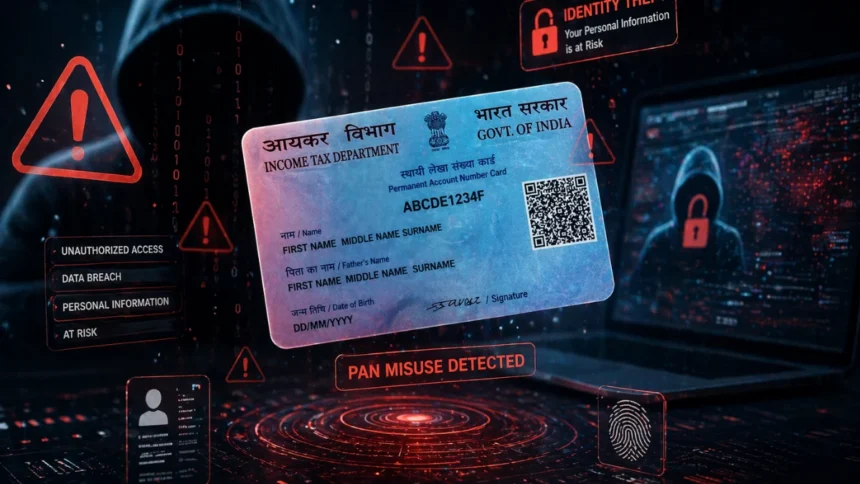
It usually doesn’t begin with a dramatic warning. No flashing alerts. No urgent SMS. Just a small inconsistency—maybe a tax notice that doesn’t quite make sense, or a loan application you never filed appearing in your financial history.
That’s how most people discover something unsettling: their PAN isn’t just theirs anymore.
The idea sounds abstract until it isn’t. In a system where your Permanent Account Number quietly connects your taxes, bank accounts, investments, and credit behavior, misuse doesn’t just mean inconvenience—it can reshape your financial identity without you even realizing it.
Understanding How to Check If Your PAN Is Misused is no longer a niche concern. It’s becoming a basic digital survival skill.
Why PAN Misuse Is Becoming More Common
India’s financial ecosystem has moved rapidly into digital territory. From instant loans to seamless KYC verification, the same system that enables convenience also creates vulnerability.
Your PAN is now linked to:
- Bank accounts
- Mutual funds and stock investments
- Loans and credit cards
- High-value transactions
That centralization is efficient. But it also means one compromised detail can ripple across multiple systems.
Fraudsters don’t always “hack” accounts in the traditional sense. Often, misuse begins with something far simpler—data leaks, careless document sharing, or even fake KYC submissions using your PAN.
The problem? You rarely see it happening in real time.

How to Check If Your PAN Is Misused (Step-by-Step)
There’s no single dashboard that flashes a “misuse detected” warning. Instead, verification requires a layered approach—connecting signals across financial and tax systems.
1. Check Your Income Tax Portal Activity
The first place to start is the Income Tax portal.
Review:
- Your filed returns
- Reported income sources
- Tax credits (Form 26AS)
If you notice unfamiliar employers, transactions, or income streams, it’s a red flag. Many cases of PAN misuse surface when individuals find income attributed to them that they never earned.
2. Review Form 26AS and AIS (Annual Information Statement)
This is where patterns become visible.
Form 26AS and AIS show:
- TDS deducted
- High-value transactions
- Investments linked to your PAN
If there are entries you don’t recognize—say, a large purchase or interest income from an unknown account—it may indicate your PAN has been used elsewhere.
This step is often overlooked, but it’s one of the most reliable ways to detect misuse early.
3. Check Your Credit Report Regularly
PAN misuse frequently overlaps with identity theft in lending.
Pull your credit report from agencies like:
- CIBIL
- Experian
- Equifax
Look for:
- Unknown loans
- Credit cards you didn’t apply for
- Sudden drops in credit score
A fraudulent loan linked to your PAN doesn’t just disappear—it affects your financial credibility long-term.
4. Monitor SMS and Email Alerts from Banks
Banks and financial institutions usually send alerts for:
- New account openings
- KYC updates
- Loan approvals
If you receive notifications about services you never initiated, don’t ignore them. These early signals often precede larger issues.
5. Verify PAN Usage Through NSDL or UTIITSL
You can also cross-check your PAN details via official PAN service providers.
This helps confirm:
- Whether your PAN details are correctly registered
- If any suspicious updates have occurred
While this won’t directly show misuse, inconsistencies in records can indicate tampering.
6. Watch for Unexpected Tax Notices
One of the most common ways misuse comes to light is through tax scrutiny.
If you receive:
- Notices for undisclosed income
- Queries about transactions you didn’t make
…it’s time to investigate immediately. Ignoring such notices can escalate the issue from fraud detection to legal complication.
The Subtle Psychology Behind PAN Negligence
Most people treat their PAN like a static identity marker—something that exists but doesn’t require attention.
That assumption is outdated.
In reality, PAN functions more like a financial passport. And unlike a passport, it’s used far more frequently—often without your direct involvement.
There’s also a behavioral gap at play. People are cautious with passwords and OTPs, but far less protective of documents. Sharing a PAN copy for verification feels routine. Sometimes, too routine.
That normalization is exactly what makes misuse easier.
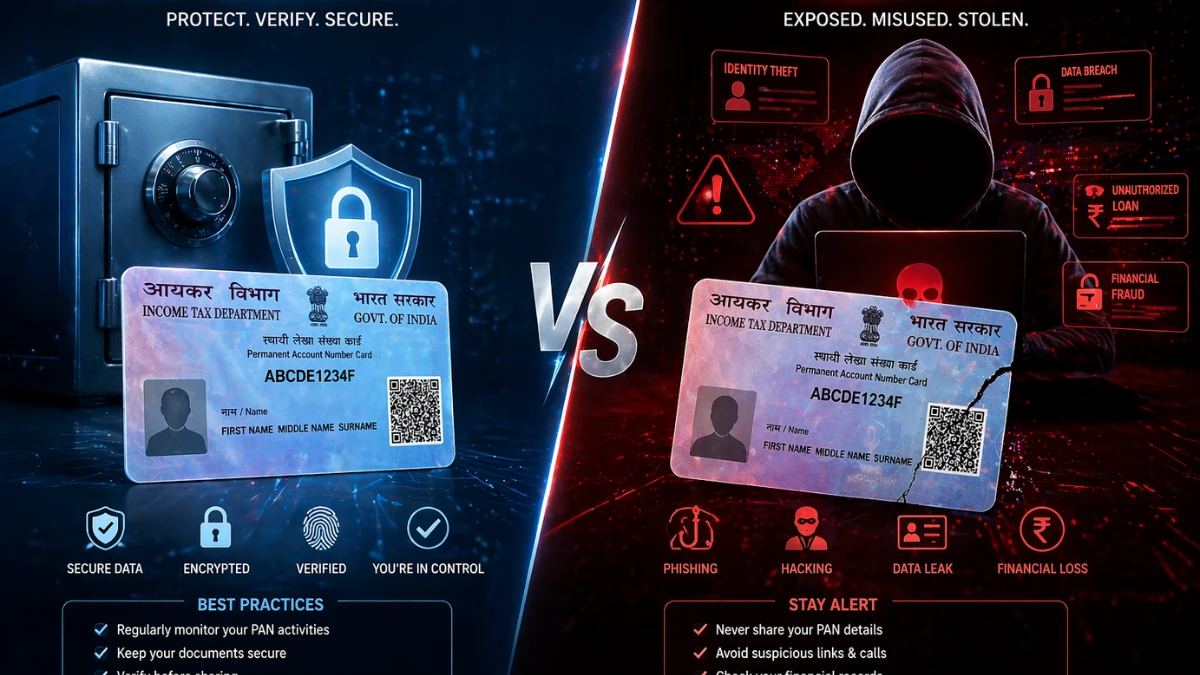
What Happens If Your PAN Is Misused?
The consequences aren’t always immediate, but they compound over time.
- Tax complications: You may be taxed for income you didn’t earn
- Credit damage: Fraudulent loans affect your credit score
- Legal scrutiny: Authorities may question unexplained transactions
- Financial stress: Clearing your name requires time and documentation
The bigger issue is friction. Rectifying PAN misuse isn’t just about reporting fraud—it’s about proving absence of involvement, which can be exhausting.
What To Do If You Suspect Misuse
Detection is only half the process. Response matters just as much.
- File a complaint with the Income Tax Department
- Report the issue to your bank or financial institution
- Raise a dispute with credit bureaus
- Lodge a complaint on the cybercrime portal
Timing is critical. The earlier you act, the easier it is to contain the damage.
Why This Topic Is Trending Now
PAN misuse isn’t new. What’s changing is scale.
With:
- Faster digital onboarding
- Increased fintech adoption
- Rising data breaches
…the opportunities for misuse have expanded.
There’s also growing awareness. More individuals are noticing inconsistencies in their financial records—not because fraud is new, but because systems are becoming more transparent.
In many ways, awareness is catching up with risk.
Looking Ahead: The Future of PAN Security
The next phase of financial identity protection will likely involve:
- AI-based anomaly detection
- Real-time transaction monitoring
- Stronger consent-based data sharing
But technology alone won’t solve the problem.
The shift has to be behavioral. People need to start treating PAN not as a document, but as an active financial identity—something that requires periodic monitoring, just like a bank account.
More Read

Conclusion
PAN misuse doesn’t announce itself loudly. It slips in quietly, often unnoticed until the consequences surface.
Knowing How to Check If Your PAN Is Misused is less about paranoia and more about awareness. In a system built on interconnected data, vigilance isn’t optional—it’s practical.
Final Insight
The real shift isn’t just digital—it’s psychological. As financial systems become faster and more invisible, responsibility quietly moves to the user. Your PAN may sit in your wallet, but its activity lives far beyond it. The question is no longer whether misuse is possible—but whether you’re paying attention early enough to stop it.-THE VUE TIMES
Frequently Asked Questions
How can I check if my PAN card is being used by someone else?
Review your Form 26AS, AIS, and credit report regularly. Any unknown transactions, loans, or income entries could indicate misuse.
What are the signs of PAN misuse?
Unexpected tax notices, unknown loans, unfamiliar transactions, or discrepancies in income records are common warning signs.
Can someone take a loan using my PAN?
Yes, if combined with other identity details. That’s why monitoring your credit report is essential to detect unauthorized borrowing.
How often should I check my PAN activity?
Ideally, every 3–6 months. Regular checks help identify issues early before they escalate into financial or legal problems.
What should I do immediately if I detect PAN misuse?
Report it to the Income Tax Department, inform your bank, and raise disputes with credit bureaus. Also file a complaint on the cybercrime portal.