Introduction
Every scroll, like, and share you make online is quietly shaped by invisible systems deciding what appears on your screen. The concept of algorithm influence social media has become one of the most powerful yet least understood forces driving today’s digital ecosystem. These algorithms do far more than organize content—they influence what goes viral, which voices get heard, and how opinions are formed across millions of users.
In the modern attention economy, where user engagement is currency, social media algorithms act as gatekeepers. They determine not only what content reaches audiences but also how long users stay engaged on platforms. This has massive implications for individuals, businesses, and even governments. As digital consumption increases globally, especially in emerging markets, understanding how algorithms work India has become crucial. With a rapidly growing internet population, diverse user behavior, and regional content preferences, India represents a unique testing ground for algorithm-driven platforms.
Today, algorithms are no longer just backend systems—they are active participants in shaping conversations, influencing trends, and driving digital behavior. Whether it is a viral reel, a trending hashtag, or a political narrative, algorithms play a silent but significant role. Understanding their impact is essential for anyone looking to navigate or succeed in the digital world.
Background and Context
Social media algorithms were not always as complex as they are today. In the early days of platforms like Facebook and Twitter, content was displayed in a simple chronological order. Users saw posts exactly when they were published, without any filtering or prioritization. While this approach was transparent, it quickly became impractical as user bases grew and content volume exploded.
As platforms expanded, users were exposed to an overwhelming amount of information. This created the need for smarter systems that could filter and prioritize content based on relevance. This is where algorithms came into play. Initially, these systems relied on basic signals such as recency and simple engagement metrics. However, with advancements in artificial intelligence and machine learning, algorithms evolved into highly sophisticated models capable of analyzing complex user behavior.
Today, algorithm influence social media operates through multiple layers of data analysis. These systems track user interactions such as likes, shares, comments, watch time, and even scrolling behavior. They also consider factors like device usage, location, and time spent on specific types of content. The goal is simple: to predict what content a user is most likely to engage with and keep them on the platform longer.
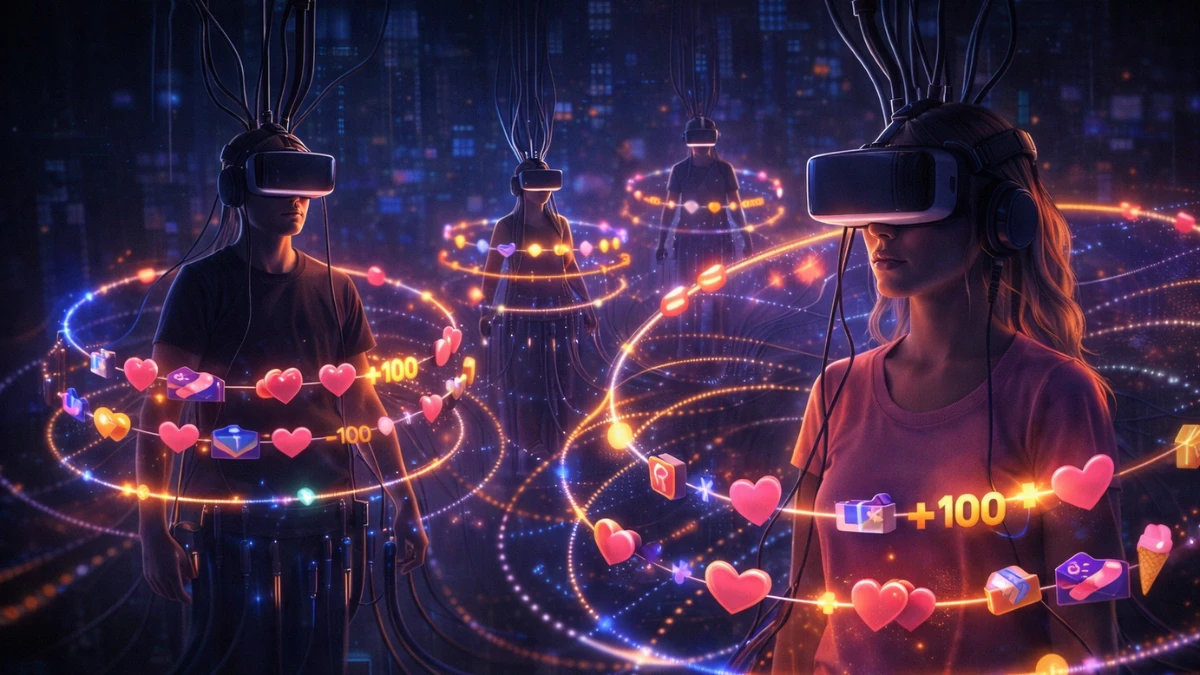
[caption id="attachment_10419" align="alignnone" width="1024"]
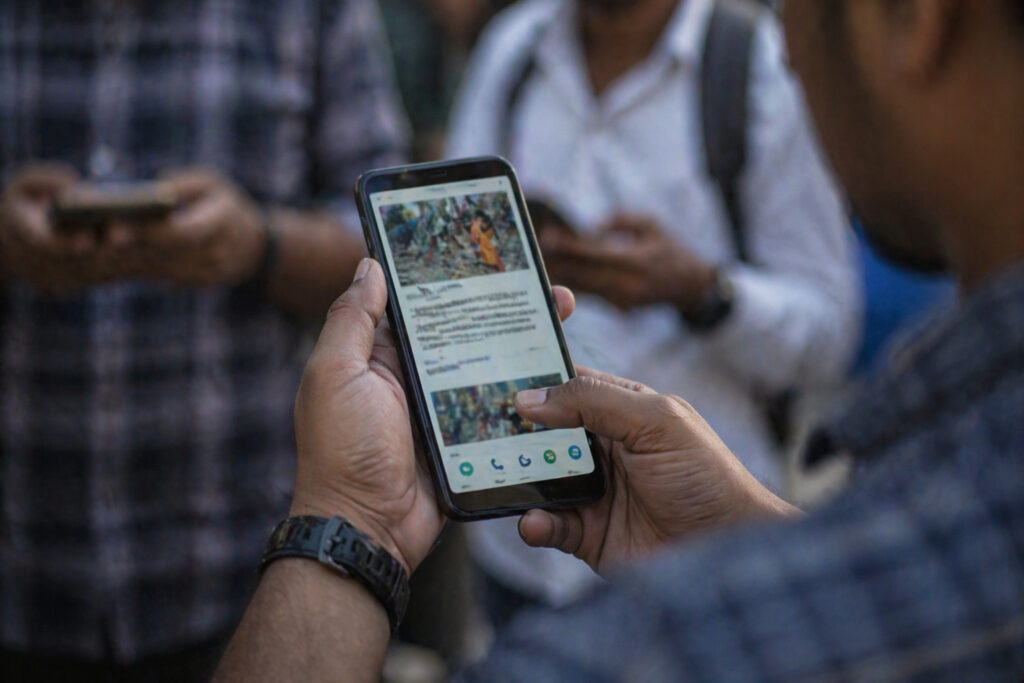
Algorithms help creators reach wider audiences and grow online presence[/caption]
In India, the evolution of algorithms has taken a unique path. With the rapid increase in smartphone usage and affordable internet access, millions of new users have joined social media platforms. This has created a highly diverse digital environment where algorithms must adapt to multiple languages, cultural contexts, and consumption habits. Understanding how algorithms work India requires recognizing this diversity and the challenges it presents for content ranking systems.
What Is Happening Right Now
The conversation around algorithm influence social media has intensified significantly in recent years. As social media platforms continue to grow, questions about transparency, accountability, and control have become more prominent. Governments, researchers, and digital experts are increasingly scrutinizing how these algorithms operate and the impact they have on public discourse.
One of the key trends today is the rise of short-form video content. Platforms like Instagram Reels and YouTube Shorts rely heavily on algorithm-driven recommendations. These systems can quickly amplify content, turning unknown creators into viral sensations overnight. However, this rapid amplification also raises concerns about fairness and consistency.
In India, the growth of regional content has further highlighted the role of algorithms. Content in local languages is gaining popularity, and algorithms are adapting to serve these audiences. This has opened new opportunities for creators but has also created competition for visibility. Many creators are now focusing on understanding and optimizing for algorithms to increase their reach.
At the same time, regulatory discussions are gaining momentum. Policymakers are exploring ways to ensure that algorithms are transparent and do not promote harmful or misleading content. This includes discussions around content moderation, data privacy, and algorithmic accountability.
Why This Topic Is Controversial
The growing influence of algorithms has sparked significant debate, making algorithm influence social media a highly controversial topic. One of the main reasons for this controversy is the lack of transparency. Most users do not fully understand why they see certain content, which creates a sense of uncertainty and mistrust.
A major concern is the creation of echo chambers. Algorithms tend to show users content that aligns with their existing preferences and beliefs. While this improves engagement, it can limit exposure to diverse viewpoints. Over time, this can reinforce biases and create polarized communities.
Another issue is the spread of misinformation. Algorithms often prioritize content that generates high engagement, which can include sensational or emotionally charged posts. This creates an environment where misleading or false information can spread rapidly, sometimes faster than verified facts.
In addition, there are concerns about manipulation. Critics argue that algorithms can be used to influence user behavior, whether for commercial, political, or social purposes. In a country like India, where digital platforms play a significant role in information dissemination, this raises important questions about fairness and responsibility.
Different Perspectives
Supporters’ View
Supporters of social media algorithms argue that they significantly enhance user experience. Without algorithms, users would be overwhelmed by the sheer volume of content available online. Algorithms help filter this content, ensuring that users see posts that are relevant and engaging.
From a business standpoint, algorithms are essential for growth and scalability. They enable brands to target specific audiences, improve marketing efficiency, and measure performance accurately. For content creators, algorithms provide opportunities to reach large audiences without traditional gatekeepers.
In India, algorithms have played a key role in democratizing content creation. Regional creators can now reach audiences across the country, regardless of language or location. This has led to the growth of diverse digital communities and increased representation.

Critics’ View
On the other hand, critics argue that algorithms prioritize engagement over quality and well-being. They believe that these systems are designed to maximize user attention, often at the cost of meaningful or balanced content.
Bias is another major concern. Since algorithms are trained on historical data, they may reflect existing societal biases. This can lead to unequal visibility for certain groups or perspectives. In a diverse country like India, this can have significant implications for representation and inclusivity.
Critics also highlight the potential for manipulation. By controlling what content is shown, algorithms can influence user behavior and decision-making. This raises ethical questions about the power held by social media platforms and the need for greater oversight.
Facts vs Claims
Understanding the reality of algorithm influence social media requires separating facts from assumptions.
Verified Facts:
Algorithms use data such as likes, shares, watch time, and interactions to rank content. They are designed to maximize user engagement and retention.
Public Claims:
Many users believe algorithms deliberately suppress certain content or favor specific groups. While there may be patterns, not all claims are supported by evidence.
The truth often lies somewhere in between. Algorithms are not inherently biased, but their outcomes can reflect the data and objectives they are built upon.
What People Might Be Missing
One overlooked aspect of algorithm influence social media is that users themselves play a role in shaping these systems. Every interaction feeds data back into the algorithm, influencing future recommendations.
Another misconception is that algorithms are static. In reality, they are constantly evolving. Platforms regularly update their models to improve performance and address issues.
In India, the diversity of user behavior adds another layer of complexity. Algorithms must adapt to different languages, cultural preferences, and consumption habits, making their behavior less predictable.
Impact on Society, Economy, and Users
The impact of algorithm influence social media extends far beyond individual user experience.
On Society:
Algorithms shape public opinion by determining which topics gain visibility. This can influence political discussions, social movements, and cultural trends.
On Economy:
Businesses rely heavily on algorithms for visibility. A small change in ranking systems can significantly impact revenue for creators and companies.
On Users:
Users are affected in subtle ways, from the content they consume to the decisions they make. Over time, this can influence behavior, preferences, and even mental health.
Role of Media and Narrative
Media plays a crucial role in shaping how people perceive algorithm influence social media. News reports, documentaries, and expert opinions contribute to the narrative around algorithms.
At the same time, social media platforms themselves act as both the subject and the medium of discussion. This creates a complex dynamic where the same systems being questioned are also shaping the conversation.
In India, media coverage has increasingly focused on digital literacy, helping users understand how algorithms work India and their broader implications.
[caption id="attachment_10451" align="alignnone" width="1024"]

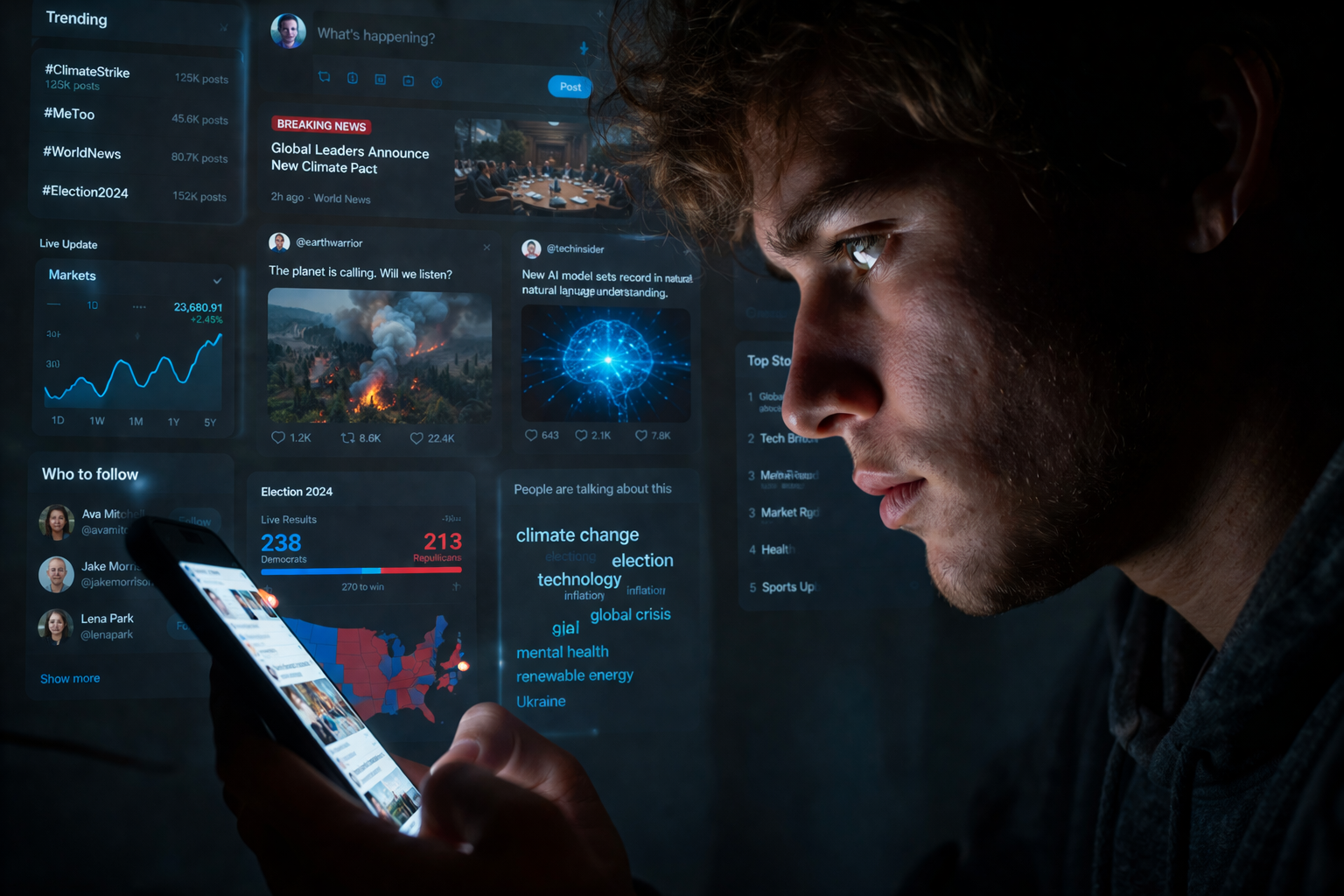
Algorithms personalize content feeds based on user behavior and preferences[/caption]
Bigger Picture and Future Outlook
Looking ahead, the role of algorithms in social media is expected to grow even more significant. Advances in artificial intelligence will make these systems more accurate and personalized.
However, this also raises questions about control and responsibility. Governments may introduce stricter regulations to ensure transparency and fairness. Platforms may need to provide users with more control over what they see.
In India, the future of algorithms will likely be shaped by the country’s unique digital landscape. As more users come online, the demand for inclusive and fair algorithms will increase.
Conclusion
The concept of algorithm influence social media highlights the invisible yet powerful systems shaping our digital experiences. From determining what content we see to influencing societal trends, algorithms play a central role in modern life.
[ruby_related heading="More Read" total=5 layout=1 offset=5]
While they offer significant benefits in terms of personalization and efficiency, they also raise important questions about transparency, bias, and control. Understanding how these systems work, especially in diverse environments like India, is essential for navigating the digital world responsibly.
As technology continues to evolve, the challenge will be finding a balance between innovation and accountability. The future of social media will not just depend on algorithms but on how society chooses to shape and regulate them.














Comments (0)