

Baisakhi Explained: History, Significance, and Its Cultural Importance Today

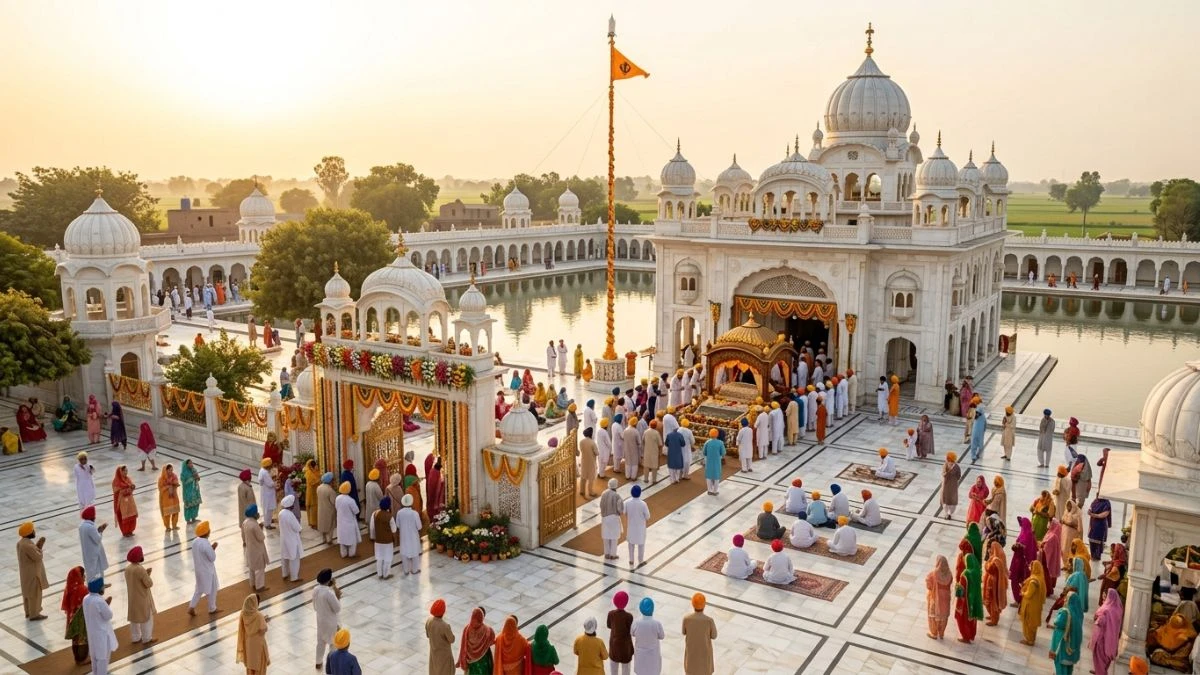
Baisakhi morning does not come silently. It has a sense of movement in most regions in North India, particularly in Punjab, with fields about to be harvested, communities coming together, and a rhythm that seems both festive and earthly. It is not merely a day on the calendar. It is a place at the intersection of agriculture and faith and identity in such a manner that it has stayed pertinent over centuries.
When individuals seek Baisakhi explained, they tend to seek more than a definition. They are attempting to comprehend why this festival is still of such importance, not to farmers, but to communities who are navigating such a fast-changing world. Baisakhi is not fixed, but dynamic, changes, and reflects the times without losing its connection with tradition.
[caption id="attachment_10203" align="alignnone" width="1200"]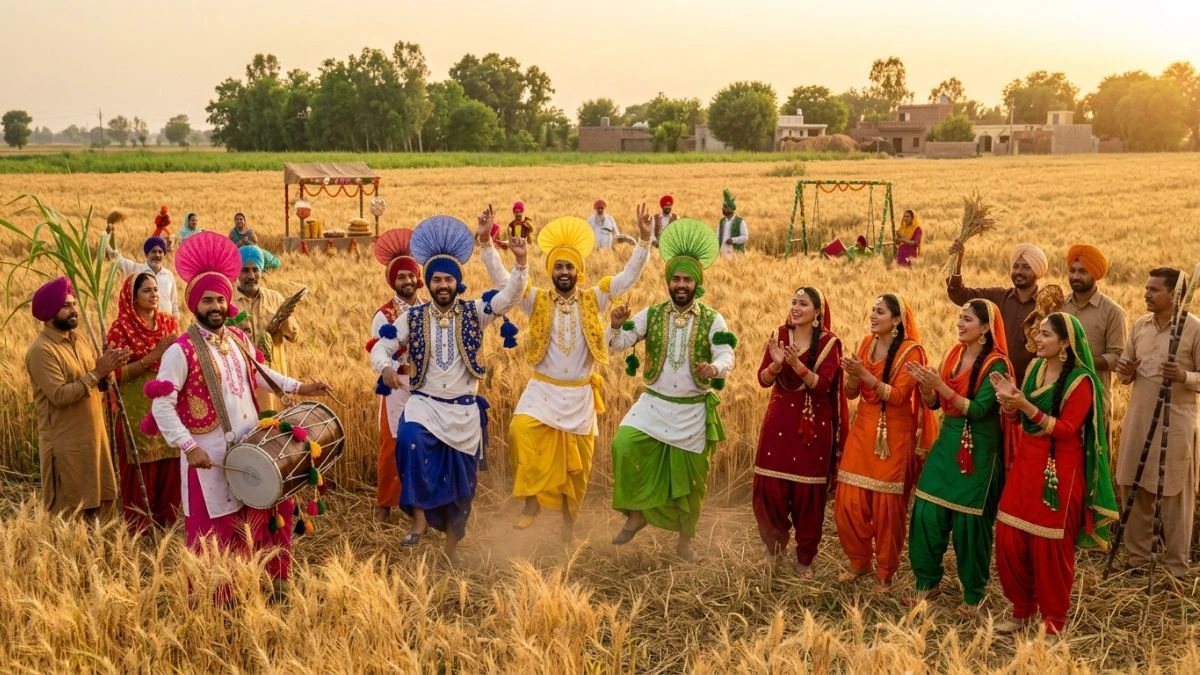 Baisakhi Festival[/caption]
Baisakhi Festival Culture[/caption]
Baisakhi Festival[/caption]
Baisakhi Festival Culture[/caption]
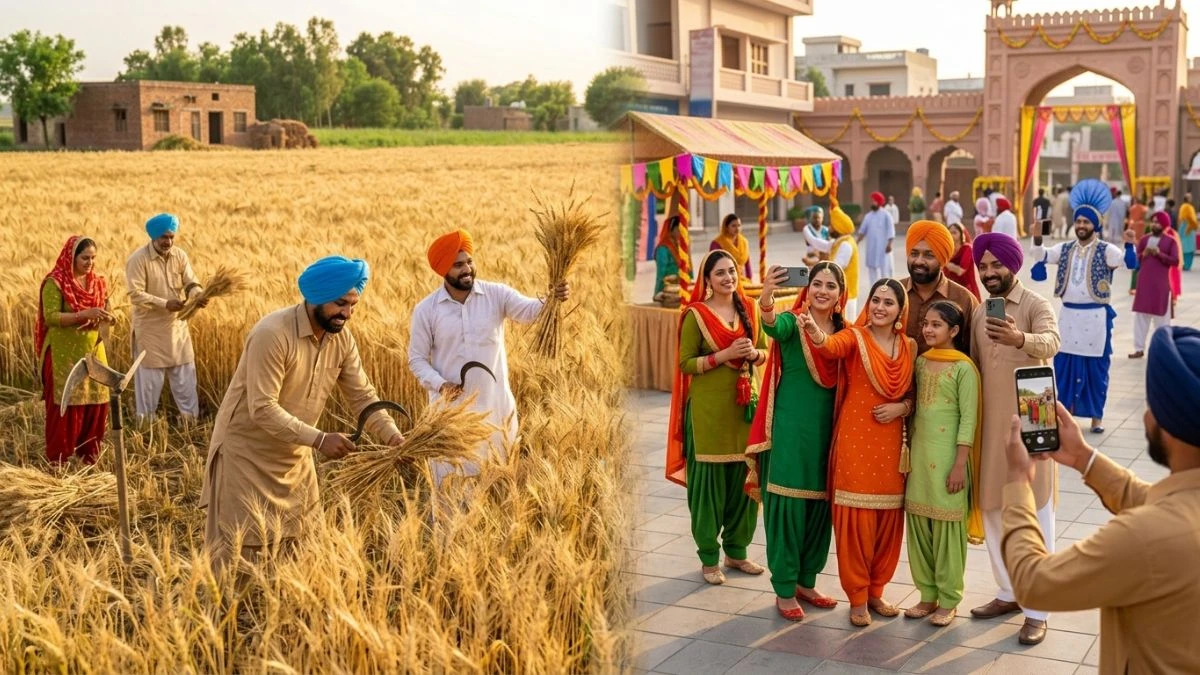 Baisakhi Festival Culture And Tradition[/caption]
Baisakhi Festival[/caption]
The Origins of Baisakhi: a Festival of the Land
Baisakhi is in essence a harvest festival. It is the start of the new harvest period especially of wheat in northern India. To the farmers, it is a rewarding season after months of work. The formerly green and growing fields are now golden, a sign of both toil and crop. The relationship between Baisakhi and agriculture is very practical rather than symbolic one. In a nation where many people in the past relied on agriculture, seasonal holidays such as Baisakhi were a means of time keeping, honoring perseverance, and reinforcing communal ties. But Baisakhi does not only deal with crops. In the course of its evolution, it has acquired new meanings that are much more than agricultural.The Baisakhi Festival and its Religious significance
The Khalsa was Formed.
Among the most memorable events related to the Baisakhi festival was one that happened in 1699. It is on this day that Guru Gobind Singh formed a group of dedicated Sikhs known as the Khalsa with spiritual discipline, equality, and courage. It is a time that changed Baisakhi from a seasonal festival to a profoundly religious one. It was a turning point, as a festival that had been associated with the rhythms of nature became one that was, as well, about identity, opposition, and solidarity. The Khalsa came into being bringing with it values that are still relevant in Sikh identity nowadays:- Â equality among individuals
- commitment to justice
- collective responsibility
A Community and Group Energy Festival
The way that Baisakhi unites people is one of the most evident features of it. It is not an isolated festival. It establishes common grounds of celebration whether in the country towns or the towns. Community meetings tend to involve:- conventional dance such as Bhangra and Gidka.
- local markets and fairs.
- communal meals
- cultural performances
Why Baisakhi is not like other Festivals
Baisakhi may appear to be like any other harvest festival in India. There is something unique to its energy, though. This is in part due to its dual identity:- agricultural celebration
- spiritual observance
Baisakhi Still Matters Today
It is here that the discussion is changed from history to relevancy. Baisakhi still has a role in the modern context due to a number of reasons.A Notice to Agricultural Foundations
Agriculture is an important component of the Indian structure even in the face of the increased digitalization of the economy. Baisakhi is a reminder of that underpinning. It gets the city populations back in touch with the realities of food production, which is easily forgotten.2. Continuity of Culture in Transition
With the changing nature of societies, cultural touchpoints are always at a risk of being lost. Festivals such as Baisakhi are anchors. They bring continuity, as the traditions could be passed to the next generation and do not lose their spirit.3. Identity and Representation
The Baisakhi is closely related to identity in many communities, particularly in Punjab. It is a form of expressing the heritage, both locally and internationally. This is especially crucial in the diaspora communities, where cultural preservation acquires a new meaning.4. Economic activity and local ecosystems
Festivals are not only cultural, but also economic. Baisakhi promotes local industries, craftsmen and markets. The festival creates buzz in the various industries through clothing to food.Baisakhi 2026: Why the Festival is Different this Year
Something is distinctly different in the way Baisakhi is being observed in 2026. The nature of the festival is still the same, but how people interact with it is gradually changing. It is not a dramatic shift, but a slow transformation defined by technology, urban living and the changing economic facts.The Emergence of Online Parties
One of the most apparent developments is the way celebrations transcend physical locations. With such platforms as Instagram and YouTube, Baisakhi has become a collective online experience. We can now access live kirtans, cultural performances and even virtual community gatherings anywhere. To most people and more so the youth, the festival is viewed on screens than on the ground. It does not substitute traditional celebrations, but shifts the extent and rate of their sharing.City vs Country: The Increasing Opposition
Baisakhi has retained its original meaning in the rural areas. It is directly related to the land, harvest, and the beat of agrarian life. The festivities are earthy, relating to work and success. The festival has acquired a more cultural identity in urban places. Parties are held, shows are put on and the agricultural connection is not as direct. Now what is left is the atmosphere of partying, only that the atmosphere has changed. This difference is not necessarily a separation, rather, it is a way of adapting. The times of tradition transformation come with change in lifestyles.The Economic Backdrop of the Festival
It is also a time of economic activity, which is frequently forgotten by Baisakhi. The festival boosts local markets, clothing businesses, food vendors and artisans. This economic layer is increasingly being evident in 2026. Celebrations are not only determined by tradition but also by money as the costs are increasing and consumer behavior is evolving. The way people spend has become more choosy and businesses are changing their ways to suit such expectations. Meanwhile, online trading is having its role. The economic aspect of Baisakhi is subtly being redefined by festive sales, online offers and regional products that are being distributed to more people.A Festival of Continued Change, Not Decay
It may be easy to consider such changes as being a loss of tradition. However, that would be missing the bigger picture. Baisakhi is not losing its meaning, it is expanding its context. The festival nowadays has various manifestations:- traditional and agricultural
- cultural and urban
- local and digital
The Importance of this Shift
It is significant to know about such changes as they are indicative of something bigger. Festivals such as Baisakhi are usually signs of the ways the societies develop. They demonstrate the reactions to technology, migration, and economic changes in traditions. Baisakhi 2026 is not only a celebration in that sense. It is a moment of a society undergoing change, clinging to its traditions as it silently reinvents the manner in which the roots are manifested. [caption id="attachment_10204" align="alignnone" width="1200"] Baisakhi Festival Culture[/caption]
Shifting Faces of Baisakhi
Although the fundamental message of Baisakhi is the same, its mode of celebration has changed.Urban Celebrations
The festival will be more structured in cities. The cultural events, mass events and performances will be organized to unite communities. The emphasis is a bit diverted to cultural expression as opposed to agriculture.Digital Influence
Social media has also transformed the way in which festivals are being experienced. Baisakhi festivities are not just celebrated locally but are now extended to masses that are miles away. This makes them visible but also alters the presentation of traditions.Global Celebrations
In nations where there is a high number of Indian and Sikh people, Baisakhi has turned into a worldwide affair. The celebration is put on an international scale through parades, community meetings and cultural festivals.A subtle Change: Experience vs Celebration
Another layer is to be considered. There was more doing than showing of Baisakhi in the past. It was participation and not presentation. The current trend is the apparent move towards the way festivals are presented. This is not in itself bad, but the nature of the experience is transformed. The meaning is sometimes displaced by visibility. But still, there is something that remains unchanged despite the changes to its nature, Baisakhi.Where Tradition Meets Modernity
The fact that Baisakhi is at the crossroads of tradition and contemporary life is one of the most intriguing details of the culture today. On the one hand, there are centuries-old practices. There is on the other a fast evolving world that has been affected by technology, urbanization, and changing lifestyles. The symmetry between these two forces is not always ideal. Yet it is this tension that makes the festival relevant. It allows for adaptation without complete transformation.The wider cultural implications of the Baisakhi
The impact of Baisakhi is not limited to its actual celebration.Cultural Representation
The festival helps in the perception of Indian culture around the world. Cultural knowledge is usually approached through music, dance, and traditions related to Baisakhi.Social Connection
Festivals such as Baisakhi are aimed at organizing people in an ever-individualistic world. They provide the places where individuals meet, not because they have to but because they share a meaning.Intergenerational Exchange
Among the not so obvious yet significant features of Baisakhi is the way it enables communication across generations. There is sharing of stories, practices and values, usually in an informal manner, to maintain continuity. [caption id="attachment_10199" align="alignnone" width="1200"] Baisakhi Festival Culture And Tradition[/caption]
Reality Check: Difficulties in Maintaining Authenticity
Yet it should be noted that not all is the same. There are challenges:- commercialization of festivals
- demise of traditional ways in cities.
- Less affiliation with agriculture in younger generations.
Awareness and Education
Knowledge of Baisakhi is more than just a celebration. It involves awareness. Schools, cultural groups and the media have a role to play in conveying the importance of the festival. This includes:- historical context
- cultural practices
- contemporary relevance
- Importance of balance between nature and progress
- Worth of common experiences.
- Influence of tradition on the formation of the modern identity.







Comments (0)