

Nepal Flash Floods: The Chain of Events That Turned the Himalayas Deadly

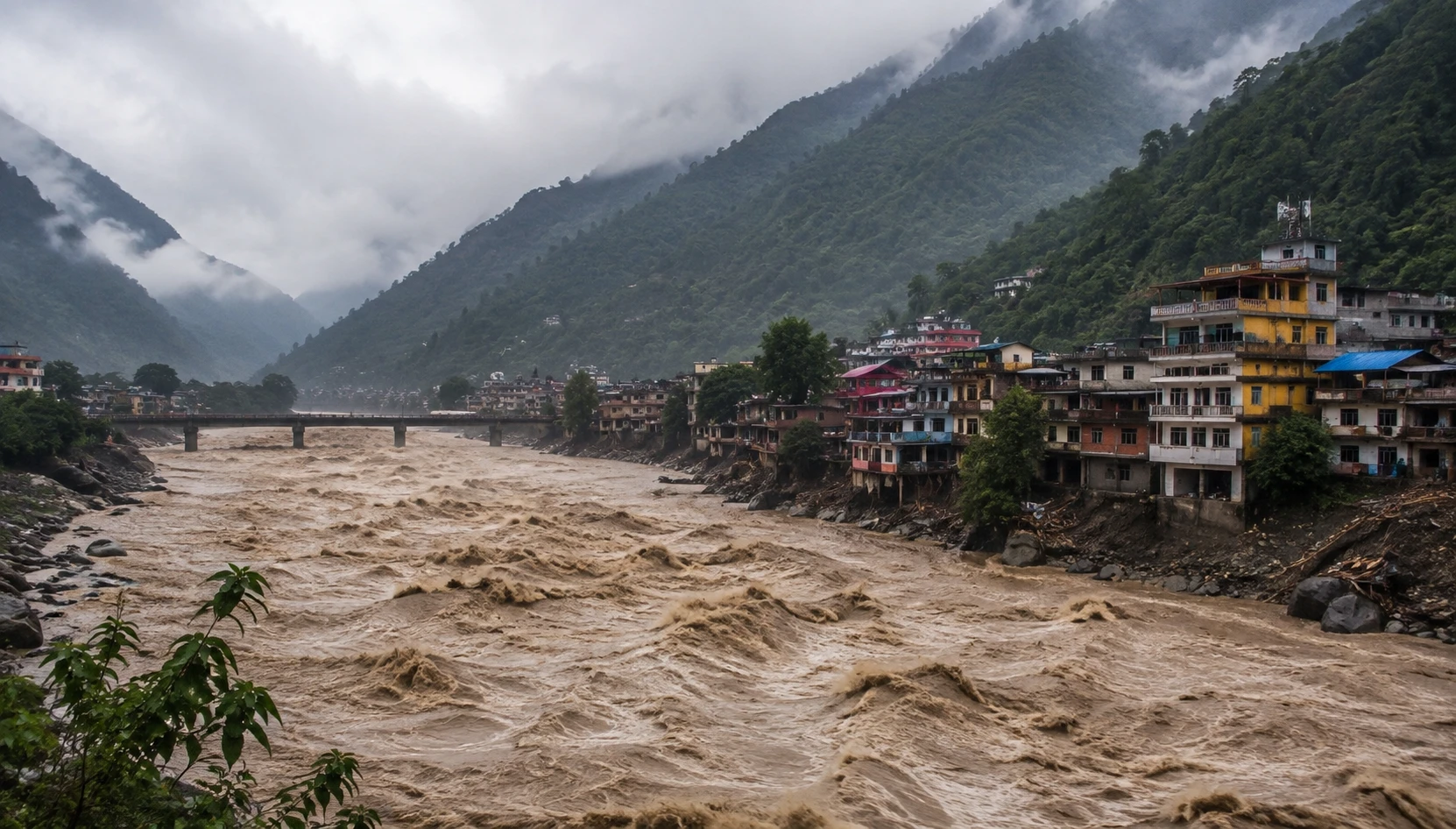
The Himalayas were the epicenter of a disaster which would spread far beyond on 26th August 2026.
Homes, bridges, roads and other infrastructure were swept away by a sudden increase in water and debris in the Bhote Koshi and Trishuli river corridors in Nepal. The communities of Rasuwa and some of the downstream districts were particularly badly affected and rescue was very challenging due to the absence of people.
However, it was not just a matter of heavy rainfall filling up a river.
A sequence of ice, rock, temporary blockage and sudden water release is unraveling to a much greater degree by scientists and authorities. The timing is still being worked out but the evidence is converging to an ice-rock avalanche and a glacial collapse in high Himalayas.
https://youtube.com/shorts/I0hq1MuIw_g?si=iH45m6EKYy8nkvFw
Then what happened?
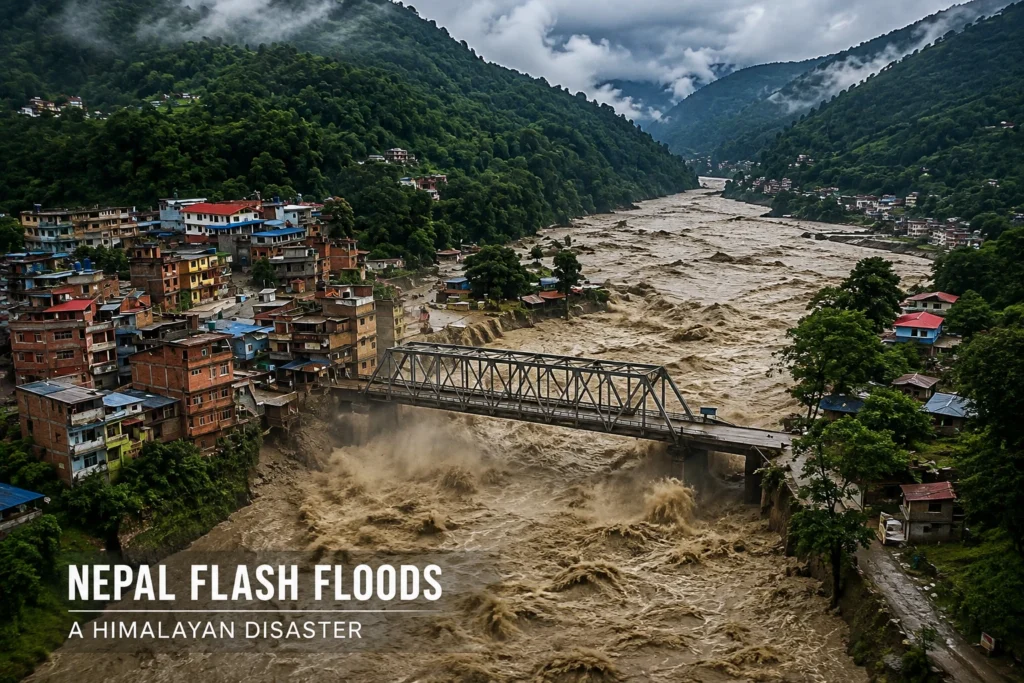 The first indications are of an ice rock avalanche and a glacial collapse in the Lhende River system. There might have been a small blockage in the river upstream which released water downstream. Investigations are continuing.
The disaster wasn't just a typical rainfall flood. A sudden upstream ice and rock event has been a major cause of the flooding as evidenced.
When unstable ice breaks away, it can fall into a river or valley with huge amounts of rock and debris. This can block water temporarily and then release it suddenly, creating a powerful downstream flood.
Scientists have not established that climate change directly caused this specific event. However, warming temperatures are changing glaciers, frozen ground and mountain stability, potentially increasing the risk of glacier-related hazards.
A newly formed lake near the Nepal-China border has created concerns about further flooding if its natural blockage fails. Authorities and experts are monitoring the situation, but another major flood is not certain.
The first indications are of an ice rock avalanche and a glacial collapse in the Lhende River system. There might have been a small blockage in the river upstream which released water downstream. Investigations are continuing.
The disaster wasn't just a typical rainfall flood. A sudden upstream ice and rock event has been a major cause of the flooding as evidenced.
When unstable ice breaks away, it can fall into a river or valley with huge amounts of rock and debris. This can block water temporarily and then release it suddenly, creating a powerful downstream flood.
Scientists have not established that climate change directly caused this specific event. However, warming temperatures are changing glaciers, frozen ground and mountain stability, potentially increasing the risk of glacier-related hazards.
A newly formed lake near the Nepal-China border has created concerns about further flooding if its natural blockage fails. Authorities and experts are monitoring the situation, but another major flood is not certain.
It Started High in the Himalayas
In Nepal, a portion of the mountain environment became unstable, well above the villages and roads. Based on preliminary assessments, ice and rock mass was observed to have fallen in the upper Himalayan region near Lhende River. The falling material went into the river system and might have formed a temporary natural dam. Imagine that you were to put a massive wall in the middle of a river! For a short period of time, water may pool behind that wall. However, a naturally constructed loose rock, ice and debris dam is not stable. Once it fails or breaks, or water gets in it can get out in a flash. That's when things started going out of hand.The river was suddenly blocked one day.
The probable ice-rock avalanche was responsible for more than sending debris down the mountain. It may also have temporarily obstructed the flow of the Lhende River, creating a pool in the area. Researchers are still investigating the duration and timing of the blockage and the cause of its release. If such a blockage doesn't work, it doesn't just go back to normal for the river. A significant amount of water may flow rapidly together with mud, rocks, broken ice (and other debris). https://youtube.com/shorts/P690Qd3Ukcc?si=EL0AzdfKx6GNNTvU The result can have a more destructive and/or moving aspect than a regular river flood.From Mountain Avalanche to Flash Flood
The trapped water and debris was released and then the surge entered into the Bhote Koshi river system. It was made even more dangerous by the steep terrain of the Himalayas. Water flowing down a narrow mountain valley has little room to spread lateral to the flow. Rather, it can flow swiftly downstream, collecting additional soil, rocks and debris as it goes. Then the flood proceeded down the river courses of the Trishuli system to impact the communities which were quite distant from the river source. The bodies and flood debris were later found hundreds of km downstream indicating the extent of the event. That's one reason that flash floods in mountainous regions can be so deadly. Hazard might not have to start at home. It may originate a number of kilometres upstream.Why Was the Flood So Destructive?
The higher the altitude, the faster the floods are. The higher up the Himalayas, the faster the flood is. The topography of the Himalayan region is steep, rough and has narrow valleys. An enormous amount of water rushes suddenly into these valleys, gravity does much of the work. The water cascades through the lowlands and may accumulate:- Rocks
- Mud
- Broken trees
- Ice
- Soil
- Building debris
In the end, there was little time to react.
Other big issues were the speed of the event. A typical river flood can provide hours or days for people to prepare. A flash flood stemming from a sudden collapse in the upstream location can be very different. The water can rise very quickly – and communities downstream may only have a short notice to take heed and get to safety. The flood came on very suddenly, officials said. The difference can mean all the difference between coming out of and getting stuck in.Could this have been caused by climate change?
One of the major issues that loom around the Nepal flash floods. The answer is not as easy as "climate change caused the flood." The exact cause of the collapse of the glacier and rocks remains a mystery. But the effect of a warming climate on the environment of the Himalayas is of concern. Glacier melt and frozen ground/ mountain stability changes can result from higher temperatures. These changes can make ice and rock avalanches, landslides and other high mountain hazards more likely, scientists say. In other words, climate change does not necessarily cause any given disaster, but it could contribute to the already unstable environment of a mountain area. This is significant.











Comments (0)