
Introduction
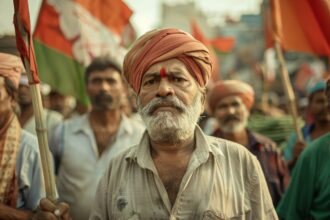
Open any social media app today, and it doesn’t take long to notice something striking—people are not just sharing opinions, they are defending sides. Conversations quickly turn into debates, and debates often become divisions. This is where the concept of online polarization meaning becomes critical, especially in a diverse and complex country like India.
Online polarization refers to the growing divide in opinions and beliefs among people, amplified by digital platforms. In India, this divide is increasingly visible across political, social, and cultural discussions. What makes this more significant is the speed and scale at which it spreads, shaping public perception in real time.
The idea of a social media divide in India is no longer abstract. It influences how individuals think, interact, and even make decisions in everyday life. This article explores the deeper layers of online polarization, offering a balanced and analytical perspective on what it means, why it matters, and where it is headed.
Background and Context
To understand the online polarization meaning, it is important to look at how communication in India has evolved over time.
Traditionally, public discourse was shaped by newspapers, television, and face-to-face conversations. While disagreements existed, they were often limited in reach and impact. The introduction of the internet and smartphones changed this dynamic completely.
With the rise of social media platforms, millions of people gained the ability to express their opinions instantly. This democratization of content creation was a significant milestone. However, it also introduced challenges related to information overload and content verification.
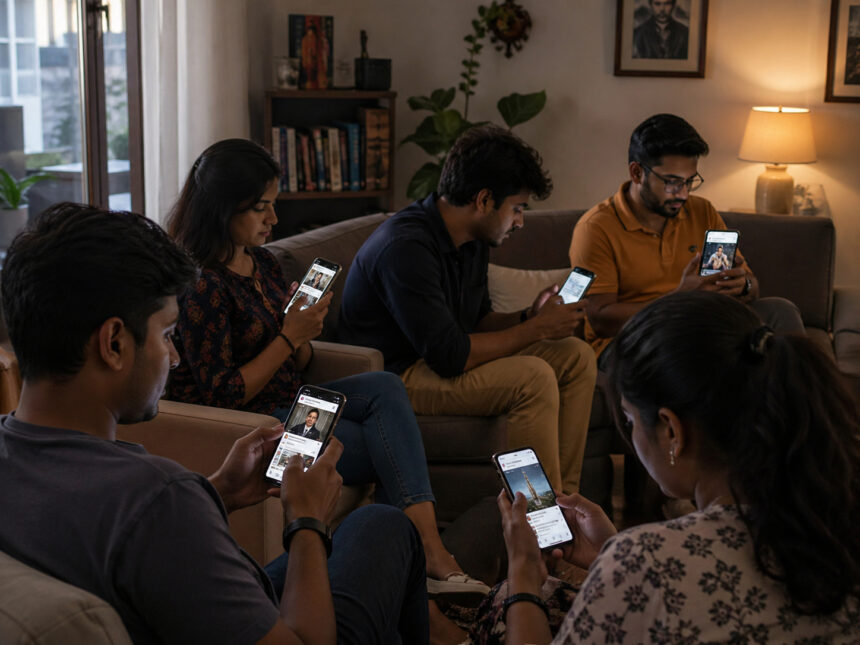
Over time, algorithms began to play a central role in shaping what users see. These algorithms prioritize content that generates engagement—likes, shares, and comments. As a result, emotionally charged or controversial content often receives more visibility.
This shift has contributed to the growing social media divide in India, where individuals are increasingly exposed to content that reinforces their existing beliefs, creating a cycle of confirmation and division.
What Is Happening Right Now
Currently, the impact of online polarization meaning is more visible than ever in India.
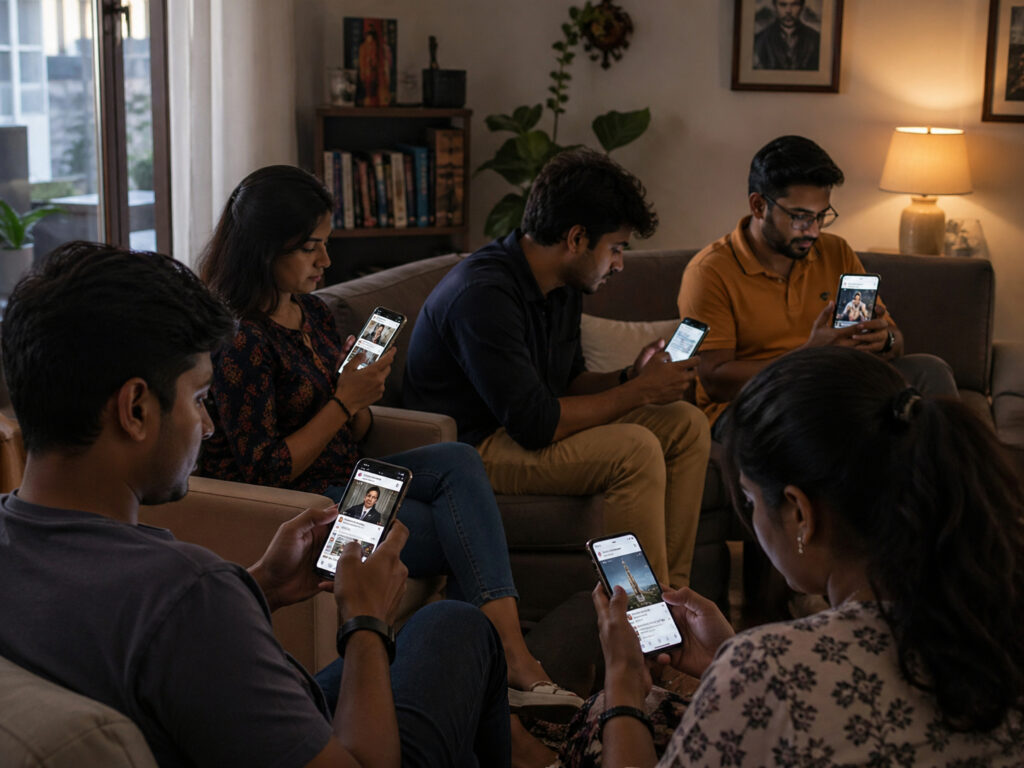
Social media platforms have become primary sources of news and information for many users. Discussions around politics, social issues, and even entertainment often turn into polarized debates. Different groups form around specific viewpoints, and interactions between these groups can become confrontational.
Another important trend is the rise of short-form content. Quick videos, headlines, and posts are designed to capture attention instantly. While effective for engagement, they often lack depth, making it easier for narratives to become oversimplified or exaggerated.
The social media divide in India is also reinforced by influencers and digital communities. People tend to follow accounts that align with their views, creating digital spaces where opposing perspectives are rarely encountered.
Additionally, the speed of information sharing means that opinions are formed quickly, sometimes without complete context. This further deepens the divide, as initial impressions can be difficult to change.

Why This Topic Is Controversial
The discussion around online polarization meaning is controversial because it touches on fundamental aspects of society—freedom of expression, diversity of opinion, and social harmony.
One of the main points of debate is whether polarization is inherently negative. Some argue that it reflects a healthy democracy where people are free to express diverse views. Others believe it leads to division and reduces the possibility of constructive dialogue.
Another factor is the role of platforms. There is ongoing debate about whether social media companies should regulate content more strictly or allow open expression, even if it leads to polarization.
The social media divide in India also raises concerns about misinformation. When people are exposed primarily to one side of a narrative, it becomes harder to evaluate information objectively.
These issues make the topic highly complex and often emotionally charged, contributing to its controversial nature.
Different Perspectives
Supporters’ View
Supporters of the current digital ecosystem argue that online polarization meaning is a natural outcome of increased participation in public discourse.
They believe that social media has given a voice to individuals who were previously unheard. From this perspective, polarization is not necessarily a problem but a reflection of diverse opinions.
Supporters also point out that access to multiple sources allows users to verify information and form independent opinions. They see the social media divide in India as an opportunity for greater engagement and awareness.
Critics’ View
Critics, however, argue that online polarization meaning has serious negative consequences.
They highlight how echo chambers and algorithm-driven content limit exposure to diverse viewpoints. This can lead to extreme positions and reduce the willingness to engage in meaningful dialogue.
Critics also emphasize the role of misinformation. False or misleading content can spread quickly, shaping perceptions and reinforcing divisions.
For them, the social media divide in India represents a challenge to social cohesion and informed decision-making.
Facts vs Claims
Understanding online polarization meaning requires distinguishing between verified facts and common claims.
Verified Facts
- Social media usage in India has grown significantly in recent years.
- Algorithms influence the visibility of content based on user engagement.
- Online discussions often show higher levels of disagreement compared to offline interactions.
- Digital platforms enable rapid information sharing across large audiences.
Common Claims
- Social media always creates division.
- All online debates are unproductive.
- Users are completely controlled by algorithms.
The reality is more nuanced. While polarization can occur, it is influenced by multiple factors, including user behavior, platform design, and societal context.
What People Might Be Missing
One of the most overlooked aspects of online polarization meaning is the role of individual responsibility.
Users are not just passive consumers—they actively shape the content ecosystem through their interactions. Likes, shares, and comments influence what becomes visible and popular.
Another important factor is cognitive bias. People tend to prefer information that confirms their existing beliefs. This contributes to the social media divide India, as individuals may avoid engaging with opposing viewpoints.
There is also a tendency to assume that online behavior reflects real-world attitudes. In reality, online interactions can be more extreme due to anonymity and lack of direct consequences.
Understanding these hidden layers provides a more complete picture of how polarization develops and persists.
Impact on Society / Economy / Users
The effects of online polarization extend beyond digital platforms.
Society
Polarization can influence public opinion and shape social dynamics. It may lead to increased divisions but can also encourage active participation in discussions.
Economy
Businesses and markets can be affected by online narratives. Public sentiment, influenced by digital discussions, can impact brand reputation and consumer behavior.
Users
For individuals, the social media divide India creates challenges in accessing balanced information. It can also affect mental well-being, as constant exposure to conflict may lead to stress or fatigue.
Role of Media and Narrative
Media plays a crucial role in shaping the context of online polarization.
Traditional media and digital platforms both contribute to how information is presented. The framing of stories, choice of language, and emphasis on certain aspects can influence perception.
Social media platforms amplify this effect through algorithms. Content that generates strong reactions is more likely to be promoted, increasing its reach.
At the same time, responsible journalism and fact-checking initiatives are working to improve the quality of information. These efforts are essential in addressing the challenges associated with the social media divide in India.
Bigger Picture / Future Outlook
The future of online polarization meaning in India will depend on several factors.
Technology will continue to evolve, introducing new tools for communication and content creation. Artificial intelligence may play a role in both amplifying and addressing polarization.
Regulation is likely to become more important, with discussions around content moderation and platform accountability gaining attention.
User awareness will also be a key factor. As people become more informed about how digital platforms work, they may adopt more critical approaches to consuming and sharing information.
The social media divide in India is unlikely to disappear entirely, but its impact can be managed through a combination of technology, policy, and individual responsibility.
Conclusion
The concept of online polarization reflects a broader shift in how people communicate and engage with information in India. While digital platforms have created opportunities for expression and participation, they have also introduced challenges related to division and perception.
More Read

Understanding this phenomenon requires looking beyond simple explanations. It involves examining the interplay between technology, human behavior, and societal dynamics.
The key lies in balance. Encouraging open dialogue while promoting responsible content consumption can help bridge the gap created by the social media divide India.
In a world where information shapes reality, the ability to think critically and engage constructively may be the most valuable skill of all.
FAQs
1. What does online polarization mean?
Online polarization refers to the growing division of opinions and beliefs among people on digital platforms, often amplified by algorithms and user behavior.
2. Why is online polarization controversial?
It is controversial because it can both reflect diversity of opinion and contribute to social division and misinformation.
3. What is the social media divide India?
It refers to the separation of users into different groups based on beliefs, often influenced by algorithms and selective content exposure.
4. What are the key facts about online polarization?
It is driven by increased digital participation, algorithmic content delivery, and user engagement patterns.
5. Does social media always cause polarization?
Not always. While it can amplify divisions, it also provides opportunities for dialogue and information sharing.