Why Global Summits Matter More Than Ever for India
International summits have become more than ceremonial gatherings or photo opportunities. In today’s interconnected world, they function as high-impact policy laboratories where national priorities are tested against global realities. For India, whose global role has expanded significantly over the past two decades, these summits increasingly shape how domestic priorities align with external commitments.
Whether it is a G20 leaders’ meeting, a climate conference, or a regional security dialogue, decisions taken, or even conversations initiated, at these forums often ripple back into Indian policy-making. Trade rules, climate targets, technology standards, and security postures discussed abroad frequently translate into legislative changes, budget priorities, and strategic recalibration at home.
Understanding how international summits influence Indian policy offers valuable insight into how global governance intersects with national interest. This is not about diplomacy in abstraction, but about the real pathways through which dialogue becomes direction and consensus becomes policy.
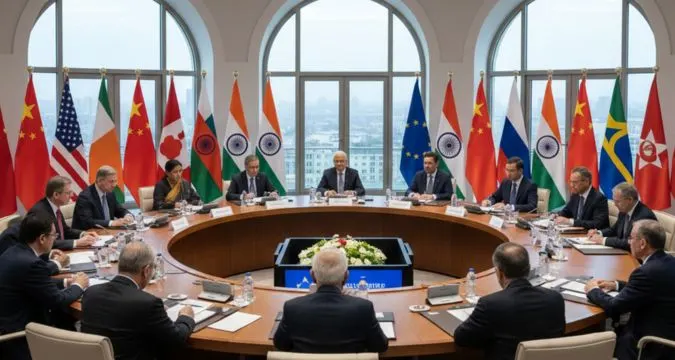
Understanding International Summits in the Policy Ecosystem
An international summit is typically a high-level meeting involving heads of state, ministers, or senior officials from multiple countries. These gatherings may be global, regional, or issue-specific, but they share one defining trait: agenda-setting power.

What Makes Summits Policy-Relevant
International summits influence Indian policy through several mechanisms:
- Norm-setting, where shared standards are discussed
- Agenda alignment, helping governments prioritize issues
- Peer pressure, shaping commitments through collective expectation
- Coalition-building, enabling coordinated action
Unlike bilateral diplomacy, summits compress negotiation, visibility, and accountability into a short window. This intensity gives them outsized influence relative to their duration.
India’s Approach to Global Summits: From Participation to Shaping Outcomes
India’s engagement with international summits has evolved significantly. Earlier participation was often reactive, focused on safeguarding sovereignty or articulating moral positions. Today, India increasingly enters these forums with clear objectives and negotiable red lines.
From Observer to Agenda Contributor
India now approaches major summits with prepared policy frameworks:
- Position papers and issue briefs
- Inter-ministerial coordination before participation
- Clear messaging tailored to domestic and international audiences
This shift reflects India’s growing confidence and its desire to shape, not just respond to, global conversations.

The Policy Transmission Process: How Summits Shape Indian Decisions
The influence of an international summit on Indian policy rarely appears overnight. Instead, it follows a multi-stage process that connects external commitments with internal governance.
Stage 1: Pre-Summit Policy Alignment
Before attending a summit, Indian policymakers assess:
- Domestic political feasibility
- Economic implications
- Strategic trade-offs
This ensures that India’s stance reflects both global engagement and internal constraints.

Stage 2: Commitments and Declarations
Summits often conclude with joint declarations or action plans. While these are not always legally binding, they create political obligations that governments must account for.
Stage 3: Domestic Translation
Post-summit, relevant ministries:
- Review commitments
- Identify policy gaps
- Propose regulatory or legislative changes
This is where global dialogue begins influencing Indian policy in concrete ways.
Historical Context: Summits and India’s Policy Evolution
India’s experience with international summits mirrors its broader global journey.
Early Years: Defensive Multilateralism
In the decades after independence, India used summits primarily to:
- Assert strategic autonomy
- Advocate decolonization and development equity
- Resist pressure from major power blocs
Policy influence was indirect, focused more on norm-building than domestic reform.
Liberalization Era: Economic Integration
Post-1990s, summits became gateways for:
- Trade liberalization frameworks
- Financial governance norms
- Development finance coordination
India’s economic reforms increasingly aligned with global discussions taking place at multilateral forums.

Current Trends: Why Summits Matter More Today
Several global shifts have amplified the policy impact of international summits on India.
Multipolar Competition
As global power becomes more diffused, summits serve as arenas for coordination among like-minded states without rigid alliances. India uses these spaces to maintain flexibility while advancing interests.
Issue-Based Diplomacy
Modern summits focus less on ideology and more on specific challenges:
- Climate action
- Digital governance
- Supply chain resilience
This issue-centric approach makes summit outcomes more actionable for domestic policy.
Visibility and Accountability
High media coverage means summit commitments are closely scrutinized, increasing pressure on governments to follow through.
Case Study Lens: Sectoral Influence on Indian Policy
International summits affect Indian policy unevenly across sectors. Some domains are particularly sensitive to global coordination.
Climate and Energy Policy
Global climate summits have influenced:
- Renewable energy targets
- Climate finance mechanisms
- Reporting and transparency standards
India often uses these platforms to negotiate flexibility while gradually integrating global norms into national planning.
Trade and Economic Policy
Economic summits shape:
- Trade facilitation rules
- Investment norms
- Digital economy frameworks
India’s cautious but selective adoption reflects a balance between openness and domestic protection.
Security and Strategic Policy
Security dialogues influence India’s strategic thinking, even without formal alliances. Shared threat assessments and interoperability discussions inform defense planning and procurement.
Implications for Governance and Society
The influence of international summits extends beyond elite diplomacy. Their outcomes affect governance structures and societal priorities.
For Policymakers
Summit participation provides:
- Policy benchmarking against peers
- Early warning of emerging global standards
- Opportunities to shape narratives
This can accelerate reform, but also constrain policy choices.
For Citizens and Institutions
Summit-driven policies may influence:
- Environmental regulations
- Digital rights frameworks
- Economic opportunity structures
Understanding this linkage helps citizens better interpret why certain reforms gain urgency.
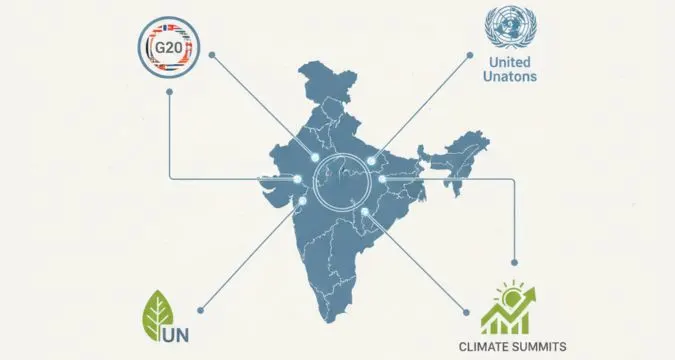
Common Misconceptions About Summit Influence
Despite their importance, international summits are often misunderstood.
“Summits Are Just Talk Shops”
While not all declarations lead to action, many set the direction for long-term policy shifts. The impact is cumulative rather than immediate.
“India Loses Policy Autonomy at Summits”
India retains decision-making authority. Summit commitments are negotiated, not imposed, and often include flexibility clauses.
“Only Big Powers Benefit”
Middle and emerging powers like India often use summits to amplify influence beyond bilateral constraints.
What to Watch Next: Signals from Future Summits
Several indicators reveal whether a summit will significantly influence Indian policy:
- Inclusion of follow-up mechanisms
- Alignment with domestic reform agendas
- Engagement of multiple ministries
Future summits are likely to focus more on technology governance, climate adaptation, and global economic resilience, areas where India’s policy choices will have lasting impact

Key Takeaways
- International summits are critical platforms shaping Indian policy direction
- Influence occurs through structured stages, not instant decisions
- India increasingly uses summits to shape outcomes, not just participate
- Policy impact varies by sector, with climate and economy most affected
- Understanding summit dynamics offers insight into India’s strategic thinking
Frequently Asked Questions
Why do international summits matter for Indian policy now?
Global challenges such as climate change, digital governance, and supply chain disruptions require coordinated responses. Summits provide structured platforms where India can negotiate flexibility, protect national interests, and align domestic policies with global realities without sacrificing autonomy.
Do summit commitments legally bind India?
Most summit outcomes are political rather than legal commitments. They guide policy direction and create expectations but require domestic processes for implementation. This allows India to adapt global agreements to national circumstances.
How does India prepare for major international summits?
Preparation involves inter-ministerial consultations, policy assessments, and strategic messaging. This ensures that India’s positions are coherent, realistic, and aligned with both domestic priorities and international expectations.
Can summits influence policy without immediate action?
Yes. Many summit outcomes shape long-term agendas rather than short-term reforms. They influence how issues are framed, prioritized, and resourced over time, gradually affecting policy choices.
What role will summits play in India’s future policymaking?
As global governance becomes more fragmented, summits will remain key coordination points. India is likely to use them increasingly to shape norms, build coalitions, and integrate global trends into national development strategies.
Stay informed beyond the headlines. Follow The Vue Times for clear, credible analysis on the technologies, policies, and global shifts shaping our future. Read deeper, think sharper, and return for context that helps you understand not just what is happening but why it matters.