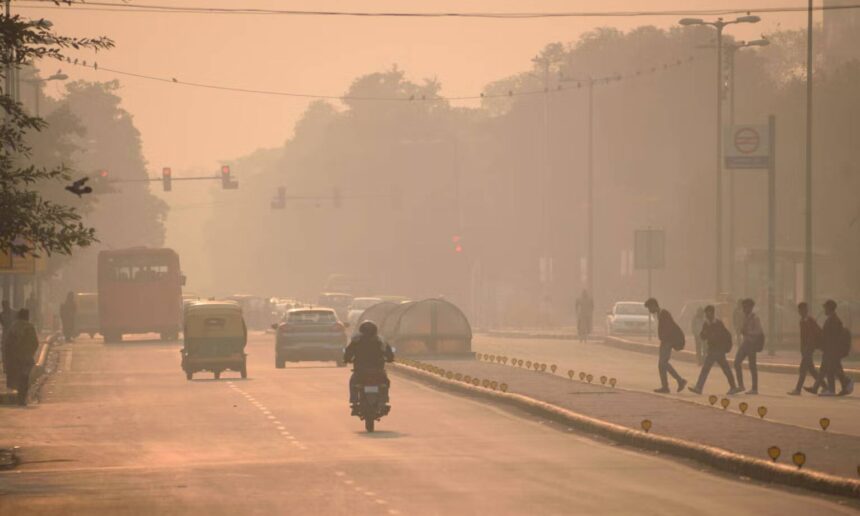
In India, we no longer need to speak about pollution as a matter of environmental concern on the occasion of World Environment Day. It is a real life which influences everyday life, health, productivity and even lifespan. Pollution has been silent in that it has grown to be one of the greatest dangers of Indian citizens today just as it is seen as choking smog in metropolis cities to contaminated water in rural belts.
The air pollution in India is not just restricted to winter smog in Delhi or the industrial areas. It enters the villages by burning crop residues, the home due to smoke indoors, and children by clean water and harmful environment. The bad news is that it is not the governments or only one sector that causes pollution, and there is no solution to it. The relationship between Indian citizens and pollution is very strong, and personal interventions are equally significant to the policies of the country.
This detailed discussion examines the causes of pollution in India, health impacts of air pollution, government initiatives supported by government data, and above all of all, execution of practical pollution prevention steps that every citizen can follow to save themselves and help ensure clean air India.

The Indian problem of pollution: How did we get here?
The pollution crisis in India is mostly related with its development story. There are factors of rapid urbanisation, industrialisation, increased vehicle numbers, and increased energy consumption. Economic development tore out millions of people out of poverty yet in some cases environmental protection kept falling behind.
Pollution during the early decades of independence was viewed as an essential by-product of growth. Factories were also promoted, cities grew without long-term development and fossil fuels were the order of the day. In the long run this strategy led to the worsening air and water quality.
As per the official evaluations quoted by policy organizations like NITI Aayog, such a huge percentage of the Indian population is facing air quality standards which are much higher than the safe standards. Of such pollution in India nowadays is not seasonal, but structural.
The Air Pollution in India on a Daily basis
The most obvious and harmful type of environmental degradation in India includes air pollution. Microscopic particles get into lungs and blood systems where they may not cause impending symptoms making it a silent killer.
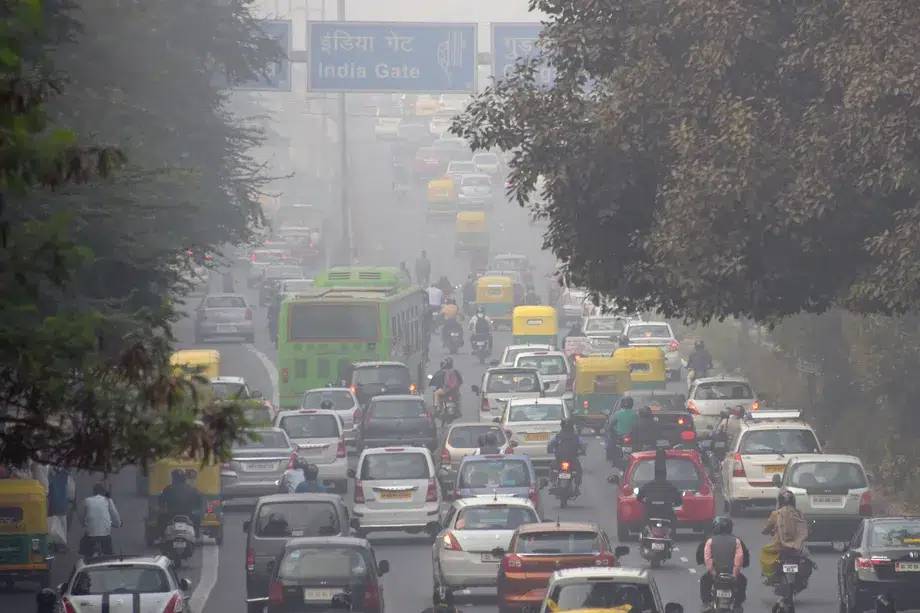

Major contributors include:
- Urban vehicular emissions.
- Thermal power plants and industrial smoke.
- Road debris and construction dust.
- Farm state crop residue burning.
- Solid fuel indoor pollution.
The increasing exposure to both outdoor and indoor air pollution is what makes the problem of air pollution in India especially serious. Families continue using biomass energy exposing women and children to toxic fumes every day in their homes.
The air pollution that is witnessed in India today dichotomizes cut across classes, geography and occupation.

Health impact of Air Pollution: The Silent Epidemic
Air pollution does not just have health impacts that are limited to coughing or irritation of the eyes. Medical research and health statistics of the government always indicate that chronic diseases are related with exposure to pollution.
Significant health effects are:
- The respiratory diseases include asthma and bronchitis.
- Cardiovascular diseases, stroke.
- Lower development of lungs in children.
- Increased risk of cancer
- Complications in pregnancy
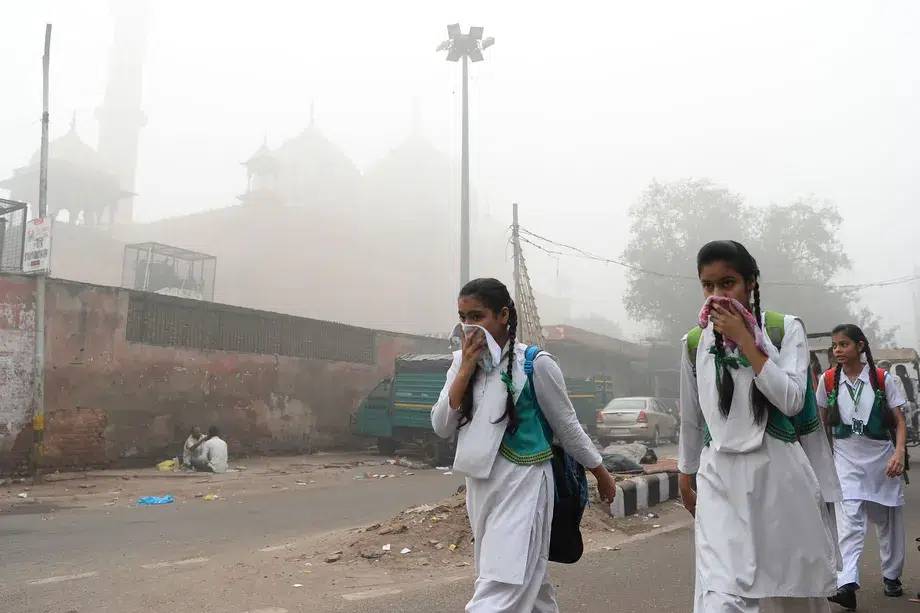
Physicians in India are reporting increased infection of the pollution related diseases even in the small towns. The children, the elderly and workers outside are particularly vulnerable.
The safety tips on air pollution in India no longer qualify as lifestyle choices; the survival tips.
Reasons of Pollution in India: It is a Multi-Layered Problem
To be able to find solutions to the pollution problem in India, it is important to understand its causes. A single activity does not cause the problem, but several daily practices which cumulate to the problem.
Key causes include:
- Having too much reliance on fossil fuels.
- Inefficient waste management systems.
- Unplanned and fast urbanization.
- Absence of public transport adoption.
- Poor environmental education India requires.
The approaches to preventing pollution should align both the systemic failures and individual responsibility.
Action by the Government and Evidence-Based Policy
The Indian government has over the years recognized the magnitude of the pollution crisis. A change towards data-driven environmental governance is indicated through the policy statements and national action plans.
Governmentally supported programs deal with:
- Sensing air quality through cities.
- Fueling cleaner fuels and renewable energy.
- Fostering electric adoption.
- Minimizing domestic air pollution.
The knowledge about the small, positive shifts on the official platform, such as PIB, points to the increased focus on the clean energy transition and sustainable urban planning. Nevertheless, the success of the policy requires a lot of involvement of the people.
Without the involvement of citizens, environmental protection India is a goal to no avail.
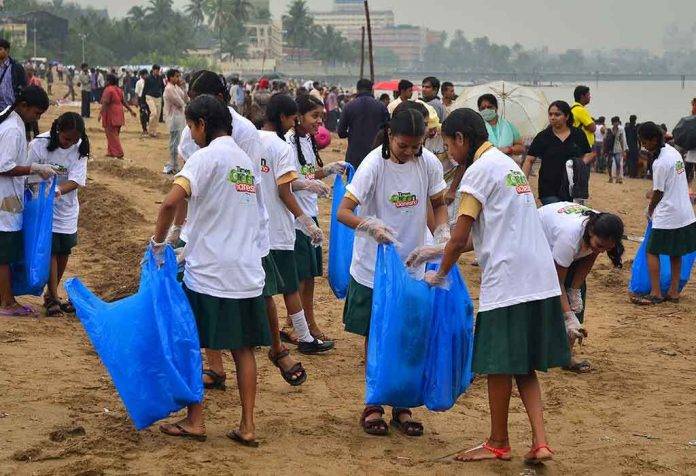
Pollution and Indian citizens: Why action on the part of the individual counts
Another major misunderstanding is that it is only the factories or governments that cause pollution. As a matter of fact, personal decisions almost cumulatively affect environmental results.
Everyday actions such as:
- Traveling via personal cars rather than transport.
- Burning waste
- Over consumption of electricity.
- Ignoring waste segregation
- add to the contamination levels.
The engagement of citizen in solving the pollution problem is not symbolical; it is quantifiable and effective.

A Real-Life Story: Change on the Ground Level
A schoolteacher detected the emergence of breathing problems in children in a small village in central India. Rather, she initiated campaigns about the risk of indoor smoke and the benefits of cleaner cooking among parents instead of relying on other individuals to assist them.
Through community mobilization and simple awareness, a number of households were able to abandon the smoky stoves. Health indicators of children improved over time, and the village was an example on local change leadership by citizens.
This narrative represents a larger fact. Prevention of pollution begins with awareness, but not authoritative.
Introduction to Minimizing Home Pollution
Households are not always considered as the sources of pollution, but home activities have a great impact on air quality.
Practical steps include:
- Replacing dirty forms of cooking energy.
- Avoiding burning of waste
- Installing energy-efficient machines/appliances.
- Improving ventilation
- Cutting down on unnecessary use of electric supply.
Such measures safeguard the families themselves by limiting pollution.

Air Pollution Protection: Measures of Personal Safety
Although the long-term solutions are changing, people will need to defend themselves against air pollution in the present day.
Some of the safety tips that residents of India should observe in regards to air pollution are:
- Checking the quality of air in the area.
- Restricting outdoor activity when the pollution is high.
- Using masks when necessary
- Air Cleanliness in indoors.
- Keeping fit and keeping the lungs clean.
These precautions are not that complicated, but they minimize health risks greatly.
Movement Alternatives and Air Quality Improvement
One of the largest sources of air pollution in India is transport. Individual vehicle travel has grown enormously, way exceeding road network capacity.
The citizens can minimize pollution by:
- To use public transport as much as possible.
- Carpooling
- Short-distance walking or bicycling.
- Adequately maintaining vehicles.
Small transport choices with recurrence daily result in a significant compound impact.

Clean Air India: Urban Planning
Cities are very instrumental in determining the outcome of pollution. Poor urban spaces congest pollutants and inhibit air movement.
Local government involvement in community projects, community consultation, and involvement of citizen participation in local citizens can drive cities into cleaner designs.
The smart cities and the smart citizens can help clean air India.
Waste Management and Environmental Protection India Requires
Poor disposal of waste material leads to pollution of air, water and soil. The release of fumes toxifies the atmosphere during burning garbage, and the ecosystems are gagged with plastic waste.
Waste practices would consist of:
- Segregating waste at source
- Composting organic waste
- The minimization of single-use plastics.
- Favoring recycling campaigns.
There is no way that environmental protection India is possible without remedying waste behaviors.
Rural India and Pollution: A Neglected Fact
Pollution can be thought of as an urban issue, however, the countryside has distinct problems. The unhealthy water resources, crop burning and poor sanitation can impact health and environment.
There should be solutions that are both rural and urban-based.
Long-Term Solutions of Education and Awareness
One of the strongest pollution prevention strategies is environmental awareness. At all levels of school, college, and workplace, attitudes are developed.
Educated people are better placed to become proponents of sustainable practices and seek accountability.
The Economic Cost of Pollution.
In addition to its health effect, pollution is a heavy burden. Only billions of dollars are lost in productivity, medicine costs and environmental damage annually.
Less pollution does not mean anti-development. It is pro growth, pro-health, and pro-futuristic.
Prospective Found Analysis: Where India is headed
India stands at a crossroads. The current decisions will leave an impact on the air quality of generations. A way out can be found in clean energy, responsible consumption and active citizenship.
Technology, policy, and people have to work together in order to undo the harm.

What can be done by Indian Citizens with the very first step
Obvious and straightforward conclusions are:
- Early awareness and the development of sustainable habits can be implemented by students.
- Professionals have an opportunity to promote clean transport and energy options.
- Families will be able to decrease domestic pollution and waste.
- The communities have the ability to demand cleaner local environments.
- Everybody is a problem and so is the solution to pollution.

Summing up: being responsible, not powerless
India has a serious problem of pollution, which is not something that can be reversed. History demonstrates that enlightened people can change cultures. Causes, health protection, and habits can help the Indian citizens to reclaim the right to clean air.
Clean air India dreams of starts with normal decisions.