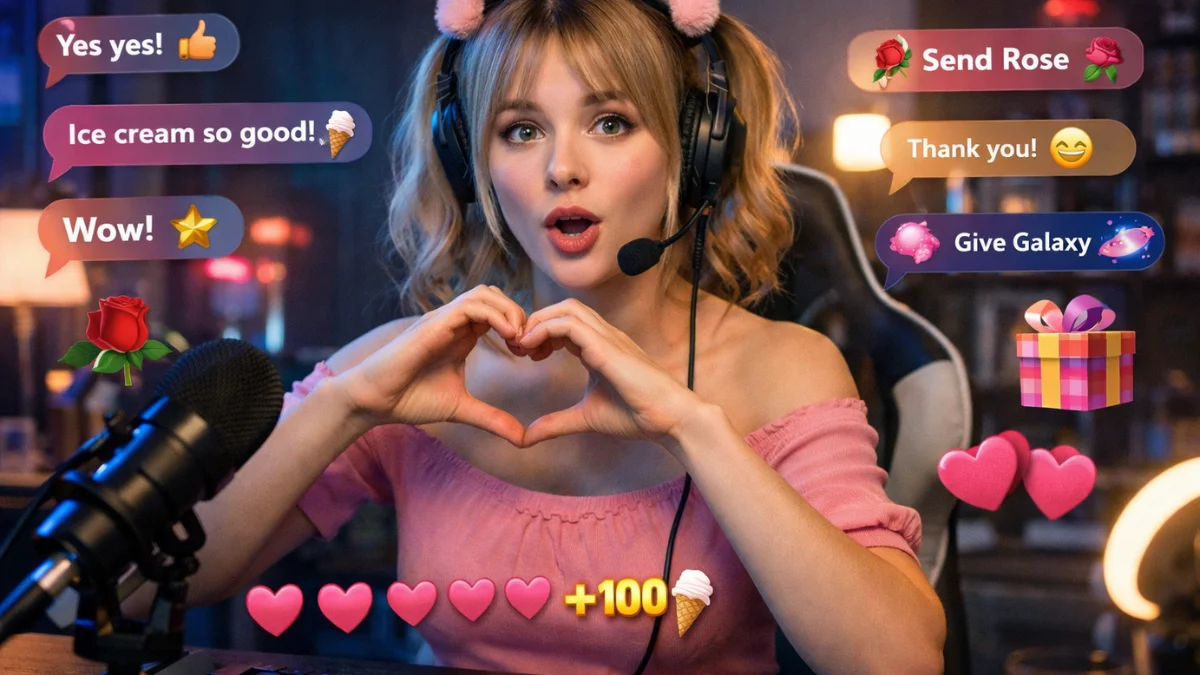
There’s a moment that plays out daily now—on a train, in a café, or scrolling endlessly through short-form videos—where something feels oddly repetitive. A creator smiles blankly, repeats a phrase like “Yes, yes, ice cream so good,” responds to virtual gifts with mechanical enthusiasm, and loops the same reactions again and again. It’s strangely hypnotic. Slightly unsettling. And undeniably viral.
That moment is the NPC Meme in action.
NPC Meme: The Internet’s Favorite Reflection of Itself
At its simplest, the NPC Meme borrows from gaming language. NPC stands for “Non-Playable Character”—the background figures in video games who follow predictable scripts, repeating the same lines regardless of what the player does.
But online, the term has evolved into something sharper. The NPC Meme describes people—real people—who appear to behave in repetitive, scripted, or emotionally detached ways. It’s not just humor; it’s commentary. Sometimes playful, sometimes critical.

And increasingly, it’s becoming a performance.
Scroll through platforms like TikTok or Instagram Reels, and you’ll see creators intentionally acting like NPCs—looping responses, mimicking robotic behavior, responding to comments or gifts with identical phrases. It’s entertainment built on imitation of monotony.
The irony? It’s wildly engaging.
Where Did the NPC Meme Come From?
The origins of the NPC Meme are layered. It didn’t appear overnight; it evolved through different corners of internet culture.
The concept first gained traction in online forums and gaming communities, where NPCs were shorthand for predictable, non-thinking behavior. Over time, the term spilled into meme culture, especially around 2018–2019, when it was used—often controversially—to describe people perceived as lacking independent thought.

Then came the shift.
Short-form video platforms transformed the NPC Meme from a label into a format. What started as commentary turned into content. Creators began exaggerating NPC behavior for humor, engagement, and eventually, monetization.
By the time livestream gifting systems entered the equation, the NPC Meme had found its perfect stage. Repetition wasn’t just tolerated—it was rewarded.

Why the NPC Meme Is Trending Right Now
The current wave of the NPC Meme isn’t accidental. It sits at the intersection of platform design, audience psychology, and the economics of attention.
1. Platforms Reward Repetition
Algorithms favor content that keeps users watching. NPC-style loops—predictable, repetitive, oddly satisfying—fit perfectly into this model. Viewers don’t need context. They don’t need a beginning or an end. They just stay.
2. Low Effort, High Engagement
From a creator’s perspective, NPC-style content is efficient. It doesn’t require complex storytelling or editing. A set of repeatable reactions can generate hours of engagement, especially during live streams.
3. The Rise of Interactive Spectatorship
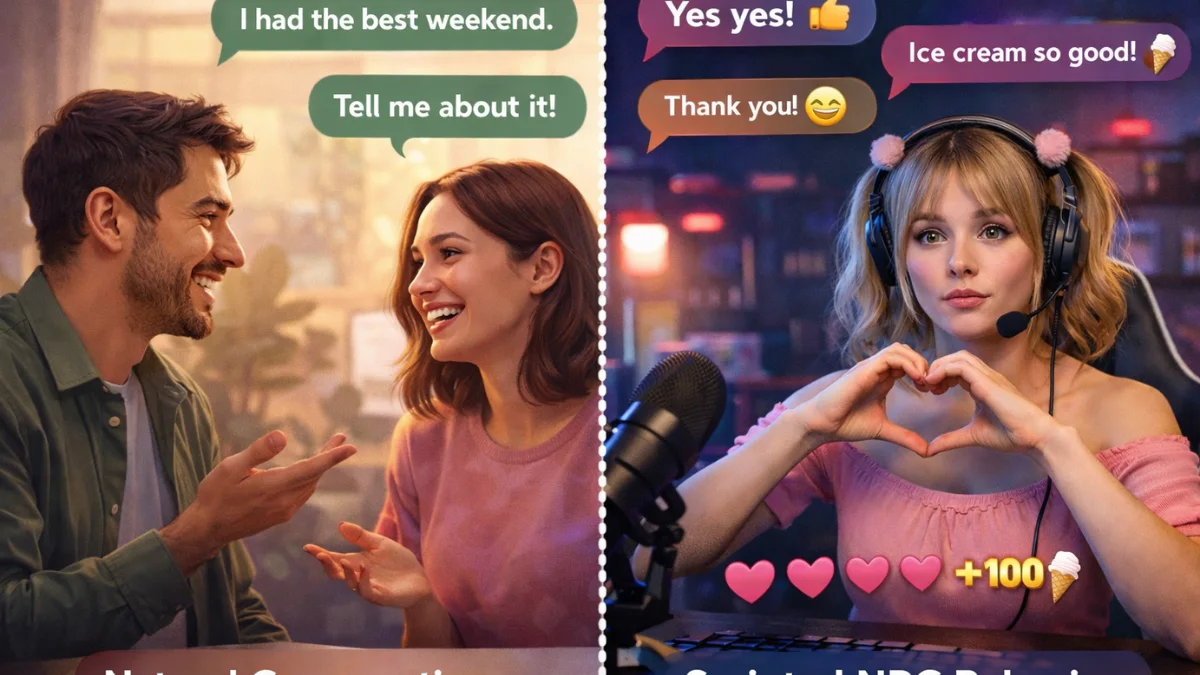
Viewers aren’t just watching—they’re participating. Sending gifts or comments triggers responses. It creates a feedback loop where audiences feel like players, and creators become reactive systems.
It’s no longer just content. It’s interaction designed like a game.
The Psychology Behind the NPC Meme
The appeal of the NPC Meme runs deeper than surface-level humor. It taps into something more fundamental about how we consume digital content—and how we see each other.
Predictability Feels Safe
In a chaotic information environment, repetition offers comfort. The same phrases, the same reactions—they create a sense of control. You know what’s coming next.
Humans Love Patterns
Our brains are wired to recognize and enjoy patterns. NPC content is essentially pattern-based entertainment. It’s rhythm disguised as behavior.
A Mirror to Modern Life
Perhaps most importantly, the NPC Meme resonates because it reflects reality. Many people feel stuck in routines—work cycles, social scripts, digital habits. The meme exaggerates this, but the underlying truth feels familiar.
That’s where the humor becomes slightly uncomfortable.
Because it’s not just about “them.” It’s about us.
NPC Meme and the Business of Attention
Behind the humor lies a more calculated layer: monetization.
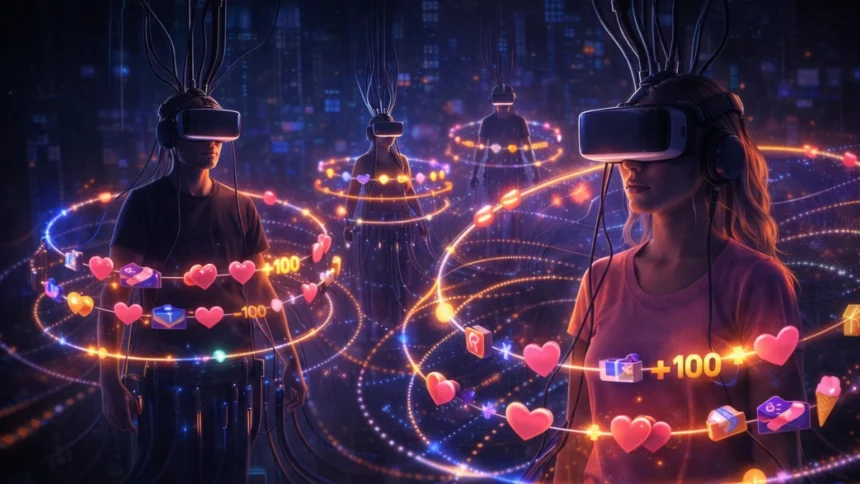
Platforms like TikTok have introduced gifting systems where viewers send virtual items during live streams. Each gift triggers a reaction—often pre-scripted. The more predictable and entertaining the reaction, the more likely viewers are to send gifts again.
The NPC Meme fits this model perfectly.
Creators develop a catalog of responses:
- A phrase for a rose
- A gesture for a galaxy
- A loop for repeated gifts
It becomes a performance economy driven by repetition. The creator is no longer just expressing—they’re responding on cue, like a programmed character.
And it works.
Some NPC-style streamers reportedly earn significant income through this format, turning what looks like absurd repetition into a sustainable digital strategy.
Criticism and Cultural Tension Around the NPC Meme
Not everyone finds the NPC Meme amusing.
Critics argue that it encourages dehumanization—reducing people to scripted behaviors for entertainment. There’s also discomfort around the idea of individuals willingly adopting robotic personas for financial gain.
Others see it as a symptom of a deeper issue: the commodification of personality.
When authenticity becomes less valuable than engagement, performance starts to replace expression. The line between real and artificial blurs.
Yet, supporters push back.
They argue that NPC content is simply another form of digital creativity—no different from acting, satire, or character performance. If audiences enjoy it and creators benefit, why question it?
The debate isn’t settled.
And that’s precisely why the NPC Meme continues to attract attention.
Is the NPC Meme Just a Trend—or Something More?
Trends come and go, but some leave behind structural changes.
The NPC Meme might be one of them.
It signals a shift in how content is created and consumed:
- From storytelling to looping
- From expression to interaction
- From personality to performance systems
It also raises questions about the future of digital identity.
If behaving like a script generates more engagement than being spontaneous, what happens to authenticity online? Do creators adapt—or resist?
And more importantly, do audiences even care?
The Future of NPC Meme Culture
Looking ahead, the NPC Meme is likely to evolve rather than disappear.
We may see:
- More advanced interactive formats where creators respond dynamically
- AI-assisted NPC-style content that blurs the line between human and machine
- Hybrid content combining storytelling with reactive loops
What began as a joke about predictable behavior is slowly merging with the mechanics of digital platforms.
It’s no longer just a meme. It’s a format.
And formats tend to stick.
More Read

Conclusion
The NPC Meme is funny, strange, and occasionally unsettling—but it’s also revealing.
It shows how easily human behavior can be reduced to patterns when filtered through algorithms. It highlights the tension between authenticity and performance. And it exposes the quiet reality that in a system built on engagement, repetition often wins.
What started as a way to mock scripted behavior has turned into a business model built on it.
And perhaps the most uncomfortable question it leaves behind is this:
If acting like an NPC is what gets rewarded online, how many of us are already following the script without realizing it?
Final Insight
At The Vue Times, we don’t just follow trends—we analyze what they reveal about society, behavior, and the systems shaping our digital lives. Stay with us as we break down the internet’s most viral ideas with clarity, context, and critical insight.
Frequently Asked Questions
What is the NPC Meme?
The NPC Meme refers to a trend where people mimic “Non-Playable Characters” from video games by acting in repetitive, scripted ways, often for humor or engagement on social media.
Why is the NPC Meme trending on TikTok?
It’s trending because of its interactive nature, low-effort content format, and high engagement potential, especially through live streaming and gifting systems.
Is the NPC Meme offensive?
Opinions vary. Some see it as harmless entertainment, while others believe it can reduce individuals to stereotypes or promote inauthentic behavior.
How do creators make money from NPC Meme content?
Creators earn through live stream gifts, where viewers send virtual items that trigger specific reactions, encouraging repeated engagement.
What does NPC mean in internet slang?
In internet slang, NPC describes someone perceived as acting predictably or without independent thought, similar to background characters in video games.