

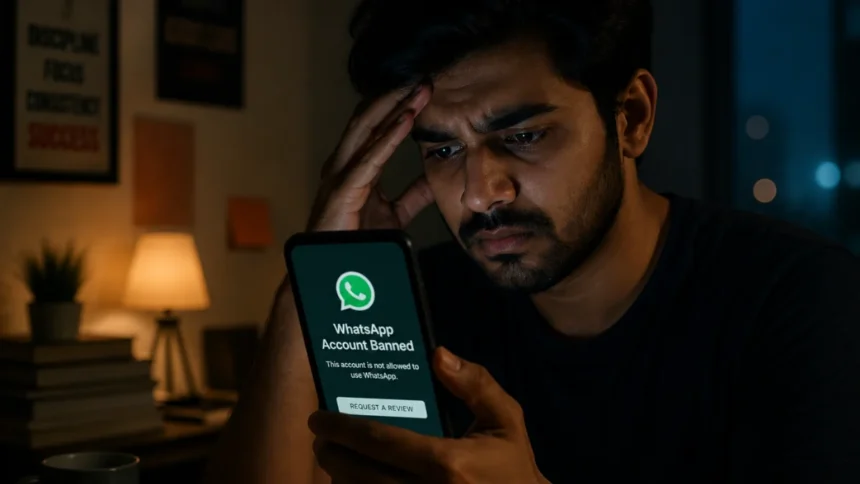
It usually happens without warning.
One moment, you’re replying to a client, forwarding a document, or chatting in a family group. The next moment, your screen flashes a cold, unhelpful message: “Your phone number is banned from using WhatsApp.”
No countdown. No detailed explanation. Just silence.
In a country where WhatsApp has quietly become infrastructure — for business, education, payments, and daily communication — losing access isn’t just inconvenient. It can disrupt work, cut off income streams, and even isolate people socially. This is where broader Technology & Digital Issues stop being abstract debates and start affecting everyday life.
When Technology & Digital Issues Become Personal
Many users feel unfairly banned from WhatsApp because these bans often happen without clear reasons. However, from WhatsApp’s point of view, these bans are a necessary part of their system to combat spam, fraud, and misuse.
The core issue is the disconnect between how the system operates and how users understand it.
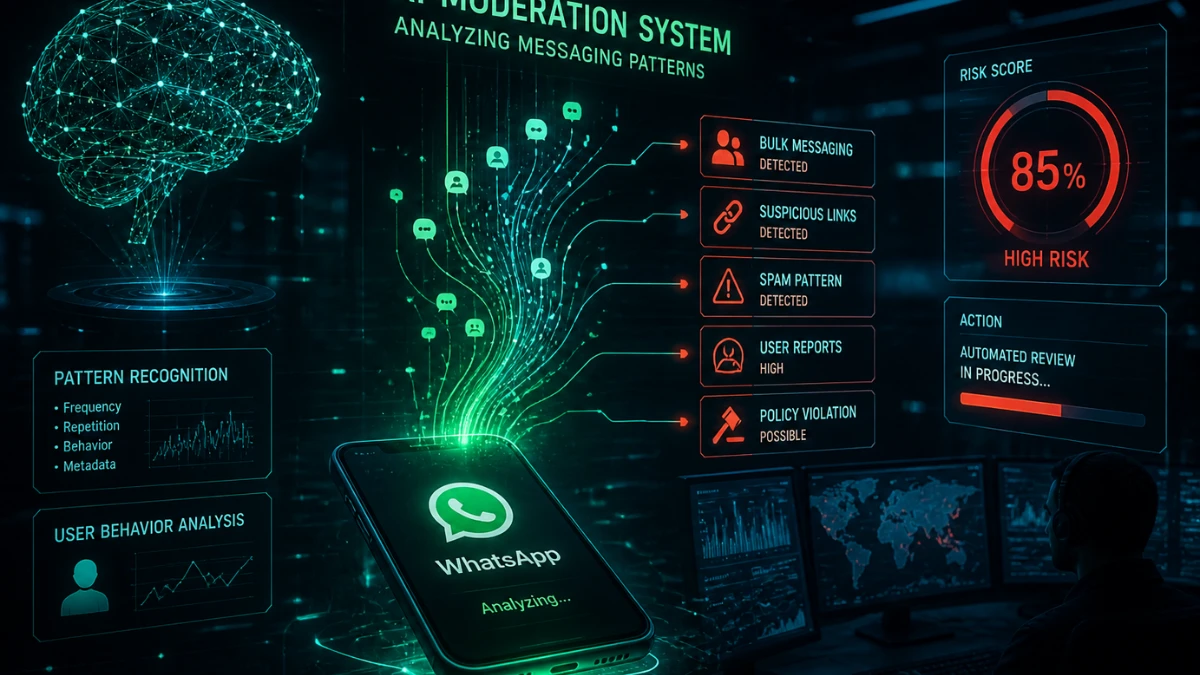
WhatsApp relies on automated systems, using algorithms that analyze behavior patterns instead of trying to determine intent. If your actions resemble spam, even if that’s not your intention, the system might still take action.
This highlights a broader challenge in today’s Technology & Digital Issues: platforms aim for large-scale safety, while individuals expect fair treatment on a personal basis.
Companies that implement password managers, single sign-on (SSO), and provide employee training are not only boosting security but also making things easier for their users.
Why WhatsApp Accounts Get Banned
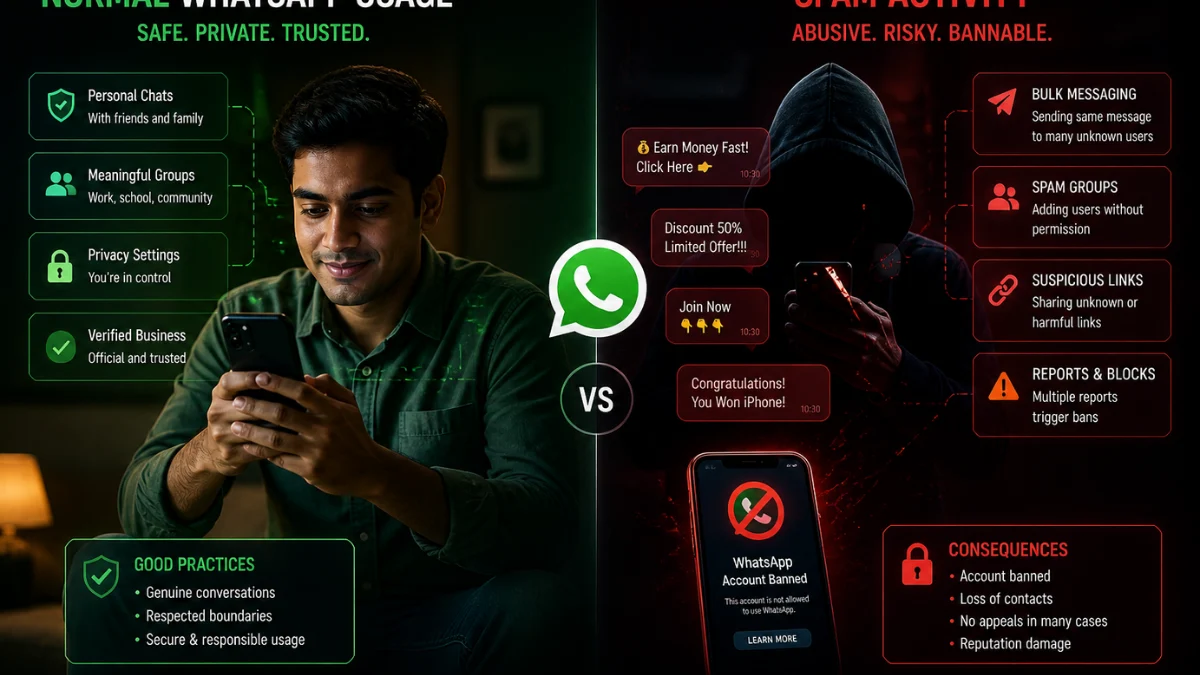
Understanding the “why” matters more than reacting to the ban itself. Most bans fall into a few common categories:
1. Bulk Messaging and Automation
Sending the same message to hundreds of users, especially those who haven’t saved your number, triggers red flags. Many small businesses unknowingly fall into this trap.
2. Use of Unauthorized Apps
Apps like WhatsApp GB or modified versions might offer extra features, but they violate WhatsApp’s terms. The system actively detects and penalizes them.
3. Being Reported by Multiple Users
If several people mark your messages as spam, your account reputation drops quickly — sometimes irreversibly.
4. Suspicious Activity Patterns
Logging in from multiple devices, unusual message frequency, or rapid group creation can all appear suspicious.
5. Violation of Content Policies
Sharing harmful, misleading, or restricted content can also lead to bans.
The key insight here is simple: bans are rarely about a single action. They’re about patterns.
What to Do Immediately After Your WhatsApp Account Is Banned
The first instinct is panic. The second is guessing. Both are unhelpful.
A more structured approach works better.
Step 1: Check the Ban Message Carefully
WhatsApp sometimes distinguishes between temporary bans and permanent bans. A temporary ban often shows a timer.
If it’s temporary, wait it out — attempting repeated logins can worsen the situation.
Step 2: Switch Back to the Official App (If Applicable)
If you were using a third-party version, uninstall it immediately and install the official WhatsApp app.
This alone resolves many temporary bans.
Step 3: Request a Review
When you see the ban notification, tap “Request a Review.” This sends your case to WhatsApp’s system for re-evaluation.
Be concise and honest in your explanation. Avoid emotional language — clarity works better than frustration.
Step 4: Contact WhatsApp Support
If the in-app option doesn’t work, email support at:
support@whatsapp.com
Include:
- Your phone number (with country code)
- A brief explanation
- Screenshots if relevant
Step 5: Wait — and Don’t Overreact
Repeated attempts, multiple emails, or creating new accounts rapidly can worsen your case.
The Business Angle: Why This Is More Than a Personal Problem
For small businesses, freelancers, and service providers, WhatsApp is not just a messaging app — it’s a sales channel.
A ban can mean:
- Lost leads
- Interrupted client communication
- Damaged trust
Many businesses unknowingly operate in a gray zone — using broadcast lists aggressively, automating replies through unofficial tools, or buying contact lists.
These shortcuts often lead directly to bans.
The broader Technology & Digital Issues here reflect a shift: platforms are tightening control, and informal growth hacks are becoming liabilities.
Can You Recover a Permanently Banned WhatsApp Account?
Sometimes yes. Often no.
If the ban was triggered by:
- A mistake in the system
- Misidentification of behavior
- First-time minor violations
There’s a chance your account will be restored after review.
But if the system detects consistent violations — especially involving spam or unauthorized apps — recovery becomes unlikely.
In such cases, starting fresh may be the only option.
Preventing Future Bans: What Actually Works
Avoiding a ban isn’t about playing safe — it’s about understanding how the system thinks.
Use Only Official Apps
No shortcuts here. Third-party apps are the fastest route to a ban.
Build Organic Contact Lists
Only message users who have saved your number or interacted with you before.
Control Message Frequency
Sending 10 meaningful messages is safer than sending 200 repetitive ones.
Avoid Forwarding Chains
Forwarded messages — especially in bulk — are heavily monitored.
Respect User Consent
If someone doesn’t respond or seems uninterested, don’t keep messaging.
These aren’t just rules. They reflect a larger shift in how digital platforms define acceptable behavior.
The Psychological Side of Being “Banned”
There’s an emotional layer people don’t talk about enough.
Being banned by a platform feels like being judged by an invisible authority. There’s no conversation, no explanation — just a decision.
This reflects a growing reality in digital life: platforms act as gatekeepers, and their decisions can affect real-world outcomes.
It’s one of the most subtle yet powerful Technology & Digital Issues shaping user experience today.
Where This Is Headed
WhatsApp bans are becoming more frequent not because users are behaving worse, but because platforms are becoming stricter.
Expect:
- Stronger AI-driven moderation
- Less tolerance for bulk messaging
- Increased focus on user safety over user convenience
For users and businesses alike, adaptation is no longer optional.
The future of communication platforms will reward trust, consistency, and transparency — not shortcuts.
More Read

Conclusion
A banned WhatsApp account is rarely just a technical glitch. It’s a signal — sometimes about misuse, sometimes about misunderstanding how digital systems operate.
In a world increasingly governed by invisible rules, knowing how platforms interpret behavior matters as much as the behavior itself.
The real takeaway isn’t just how to recover an account. It’s how to operate in a system where access can be taken away instantly — and often without explanation.
Final Insight
Platforms like WhatsApp are no longer tools; they’re ecosystems with rules that shape digital life. Navigating them requires awareness, not just usage.
If you want to stay ahead of evolving Technology & Digital Issues, keep following The Vue Times — where digital realities are explained beyond the surface.
Frequently Asked Questions
What happens when WhatsApp bans your account?
→ Your phone number is blocked from accessing WhatsApp services. You cannot send or receive messages until the ban is lifted or reversed.
How long does a WhatsApp ban last?
→ Temporary bans can last from a few hours to a few days. Permanent bans remain unless successfully appealed.
Can I recover my banned WhatsApp account?
→ Yes, if the ban was due to a mistake or minor violation. Use the “Request a Review” option or contact support.
Why did WhatsApp ban my account without warning?
→ WhatsApp uses automated systems that detect suspicious patterns. If your activity resembles spam or policy violations, a ban may be triggered instantly.
Is using WhatsApp GB safe?
→ No. Modified apps like WhatsApp GB violate policies and are one of the most common reasons for account bans.