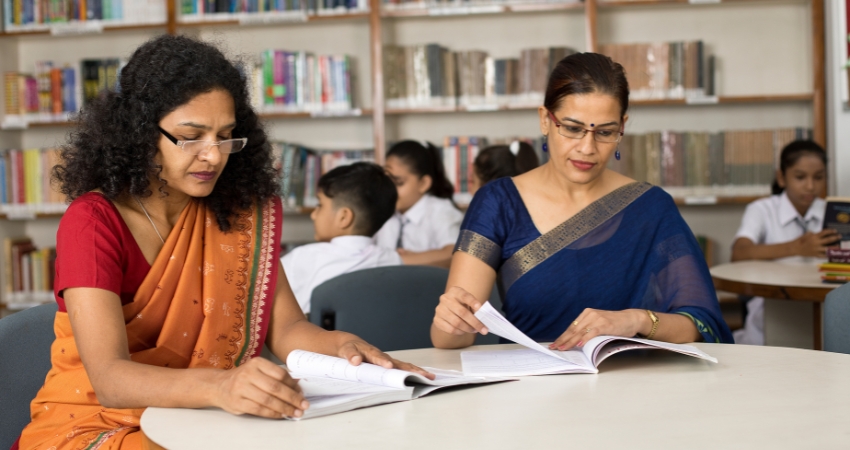
Introduction: A Silent Revolution in India’s workforce
India’s workforce is undergoing one of the most significant transformations in its history. For decades, women’s participation in the economy was shaped by tradition, limited opportunities, and cultural expectations. Yet, in recent years, women have emerged as a powerful driving force across sectors—ranging from agriculture and education to technology, startups, and global leadership.
This transformation isn’t happening overnight. It is the result of decades of policy reform, grassroots activism, and social change. More importantly, it is a response to India’s rapid urbanization, digital adoption, and changing family structures.
According to the World Bank, India’s female labor force participation rate stands at around 28% (2023)—one of the lowest among G20 nations. Yet, this figure hides a more dynamic reality. Women are entering new industries, leading self-help groups in rural areas, starting businesses, and shaping corporate policies. As more girls complete higher education and families embrace dual-income models, the workforce gender gap is narrowing, albeit slowly.
Why is this important? Because women’s empowerment is not just a social cause; it’s an economic necessity. Studies by NITI Aayog show that if India can raise women’s participation to the level of men, it could boost its GDP by nearly $770 billion by 2025. Simply put, India cannot achieve its vision of becoming a developed nation by 2047 without fully harnessing the potential of its women.

This article explores the journey of women in India’s workforce—from historical struggles to cultural shifts and future opportunities.
Historical Struggles: Women and Work in Pre-Independent India
For centuries, women’s labor in India remained invisible, undervalued, and often unacknowledged. In agrarian economies, women worked as much as men—sowing seeds, harvesting crops, and managing livestock. Yet, their contributions were rarely recorded in official data or rewarded in monetary terms.
During the colonial period, industrialization began to change patterns of employment. Women were employed in textile mills, tea plantations, and match factories. However, they were often paid half the wages of men and forced to work under unsafe conditions. Social norms further restricted women from taking up formal employment outside agriculture.
Education was another barrier. In the early 1900s, female literacy rates in India were below 5%. Only women from elite families could access higher education, while rural and working-class women remained excluded.
Yet, history also offers stories of resilience. The freedom movement saw the rise of women leaders like Sarojini Naidu, Kasturba Gandhi, and Kamaladevi Chattopadhyay, who fought not just for India’s independence but also for women’s right to education and employment. Their activism laid the foundation for post-independence reforms.

After independence in 1947, the Indian Constitution guaranteed equality before law and prohibited discrimination on the basis of gender. The state also recognized women’s right to work through labor laws and welfare programs. But in practice, women’s participation remained low due to patriarchal mindsets, early marriages, and lack of mobility.
Fact: In 1951, India’s female literacy rate was just 8.86%, and only a small fraction of women were employed in formal sectors.
This historical context explains why, even today, women’s workforce participation in India lags behind global averages.
Cultural Shifts: Breaking Barriers of Tradition
The last few decades have seen dramatic cultural changes that have redefined the role of women in India’s economy.

Education as the Great Equalizer
One of the most significant shifts has been the rise of women’s education. Policies like the Right to Education Act (2009), Sarva Shiksha Abhiyan, and Beti Bachao Beti Padhao have transformed access to schooling for girls.
- Female literacy has risen from under 10% in 1951 to over 70% today.
- In several states, girls now outperform boys in secondary school examinations.
- Enrollment of women in higher education has surged, with women making up nearly 43% of university students in India.
Education has not only opened doors to formal employment but also given women the confidence to pursue careers once considered “male domains,” such as engineering, law, and medicine.
Changing Family Structures
India’s family structure has also undergone major change. The move from joint families to nuclear households in urban areas has created space for women to make independent decisions. Dual-income families are increasingly common, particularly in cities, where women’s earnings are seen as essential to maintaining middle-class lifestyles.
Marriage patterns have shifted too. The average age of marriage for women has increased from 18 years in the 1970s to over 21 years today. More women now pursue higher education and jobs before marriage, and some continue working after having children—although dropout rates remain high.
Media, Role Models, and Social Aspirations
Media representation of working women has also influenced cultural attitudes. From TV serials showcasing professional women to social media platforms amplifying female entrepreneurs, Indian society has gradually normalized the idea of women in the workplace.
Role models have played a crucial role. Icons like Indra Nooyi (PepsiCo), Kiran Mazumdar-Shaw (Biocon), and
Falguni Nayar (Nykaa) inspire younger generations of women to aim higher. At the grassroots, rural women leaders and SHG members have shown that financial independence can uplift entire communities.
Urban vs. Rural Divide
While urban women are making strides in corporate jobs, rural women’s participation remains largely concentrated in agriculture and informal labor. However, microfinance, SHGs (Self-Help Groups), and government schemes have enabled rural women to step into roles as entrepreneurs, artisans, and small business owners.
Example: The Kudumbashree mission in Kerala has empowered over 4 million women through microfinance and community businesses.
Economic Impact: Women as Drivers of Growth
Women’s participation in India’s economy isn’t just a matter of equality—it’s a matter of national development and growth. Economists and policymakers increasingly argue that without tapping into women’s full potential, India’s dream of becoming a developed nation by 2047 (Viksit Bharat) will remain incomplete.
Numbers That Tell the Story
- According to NITI Aayog, increasing women’s workforce participation could add nearly $770 billion to India’s GDP by 2025.
- The female labor force participation rate (LFPR) in India stands at 28% (2023) compared to the global average of 47%.
- Rural areas show higher participation (37%) compared to urban (19%), but this is often due to necessity-driven work in agriculture and informal jobs rather than formal employment.
This gap represents untapped potential. Imagine if India’s 600 million women had equal access to skills, technology, and opportunities—the economic transformation would be unparalleled.
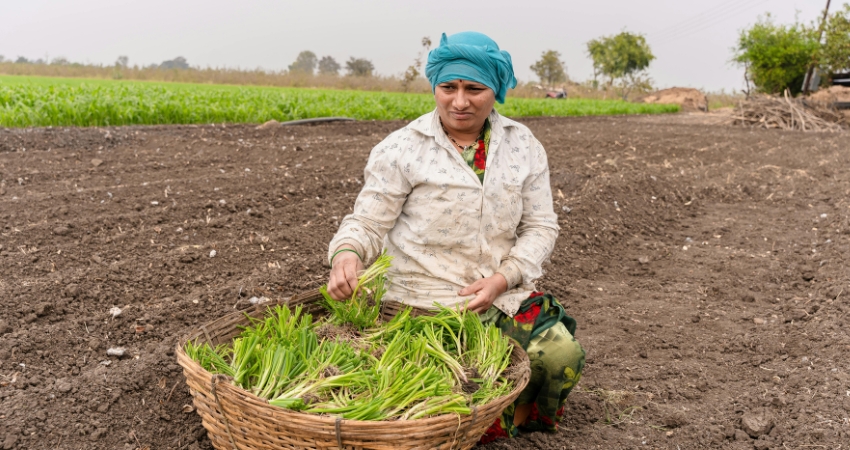
Contribution in Different Sectors
- Agriculture: Women form 33% of the agricultural workforce but often work as unpaid family labor.
- Manufacturing: Women are increasingly employed in textiles, garments, and electronics assembly, particularly in southern states.
- Services & IT: The IT sector has been a game-changer. Companies like TCS, Infosys, and Wipro employ thousands of women engineers. In fact, women make up 34% of India’s IT workforce.
- Startups: Women are founding startups in e-commerce, health-tech, fintech, and ed-tech, bringing fresh perspectives to industries once dominated by men.
Entrepreneurship as a Growth Engine
Entrepreneurship has become a significant avenue for women’s participation. According to the Sixth Economic Census, women entrepreneurs account for 14% of total entrepreneurs in India—around 8 million enterprises.
- Schemes like Stand-Up India and MUDRA Yojana have provided easier access to credit.
- Digital platforms such as Meesho allow women, especially homemakers, to become online sellers with zero upfront investment.
- Women-led self-help groups (SHGs) contribute to micro-enterprises in handicrafts, food processing, and rural services.
Case in Point: Falguni Nayar, founder of Nykaa, became one of India’s wealthiest self-made women, showing how female entrepreneurship can shape billion-dollar industries.
Government Policy Push: Creating Opportunities
The Indian government has recognized that women’s economic empowerment is central to achieving inclusive growth. Over the years, several policies and programs have been introduced to boost women’s participation.
Key Reforms and Schemes
- Maternity Benefit (Amendment) Act, 2017
- Increased paid maternity leave from 12 to 26 weeks, making India one of the most progressive countries in this area.
- Encouraged corporate India to adopt family-friendly policies.
- Stand-Up India Scheme
- Provides bank loans between ₹10 lakh and ₹1 crore for women entrepreneurs.
- Focus on small-scale industries, particularly in manufacturing and services.
- Skill India Mission
- Special focus on training rural women in tailoring, handicrafts, computer skills, and healthcare services.
- Over 40% of Skill India trainees are women.
- SEBI Guidelines on Corporate Boards
- Mandated at least one woman director in listed companies.
- Created space for women in leadership and decision-making roles.
- Digital India and Gig Economy Opportunities
- Internet penetration in rural areas has opened new job opportunities.
- Women can now engage in online tutoring, e-commerce, freelancing, and gig work without leaving home.
- Self-Help Group (SHG) Movement
- Initiatives like the Deendayal Antyodaya Yojana – National Rural Livelihood Mission (DAY-NRLM) have empowered over 8 crore women through SHGs.
- These groups provide microcredit, training, and community support.
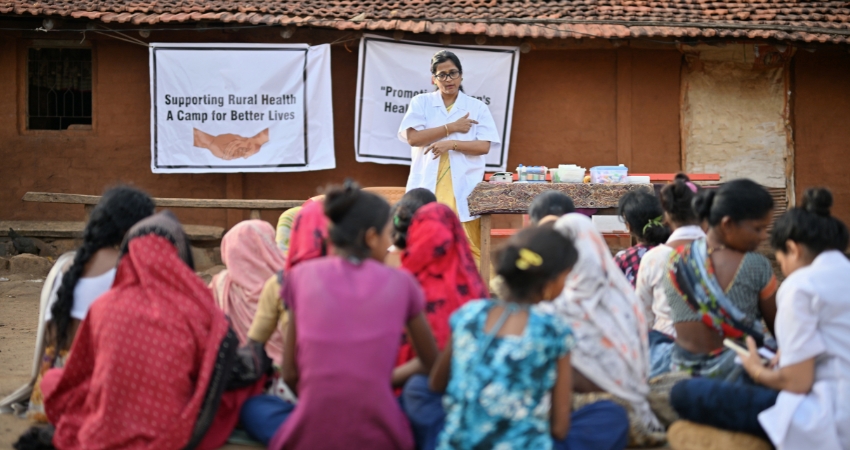
Impact of Policy Reforms
While policies have created opportunities, implementation challenges remain. Many women are still unaware of available schemes or face barriers in accessing credit and training. However, government initiatives have undeniably begun to shift cultural perceptions, encouraging families and employers to view women’s work as essential to India’s growth story.
Real-Life Stories: Women Workforce Changing India on the Ground
Numbers and policies tell only part of the story. The real impact is visible in the lives of women who are reshaping India’s workforce on the ground.
1. The Rural Teacher in Bihar
Seema, a government school teacher in Bihar, adopted online learning tools introduced under the National Education Policy (NEP). Despite resistance, she set up digital classrooms and trained over 200 girls in her village to use tablets for study. Many of these girls are now pursuing higher education in nearby cities.
Takeaway: Policy reforms like NEP create change only when individuals like Seema bring them to life.
2. The Corporate Leader Who Broke the Glass Ceiling
Indra Nooyi, former CEO of PepsiCo, is an enduring role model for Indian women in corporate leadership. Her journey shows how Indian values, combined with global education and corporate vision, can propel women into the highest ranks of business.
Takeaway: Corporate diversity programs are important, but role models inspire young women to dream bigger.
3. The Self-Help Group in Kerala
In Kerala’s Kudumbashree movement, women formed micro-enterprises in food processing and handicrafts. One such group in Thrissur started with 10 members and today employs 200 women, supplying packaged spices across southern India.
Takeaway: Community-driven models can transform rural women from homemakers to entrepreneurs.
4. The Tech Entrepreneur in Bengaluru
Ruchi Kalra, co-founder of fintech unicorn OfBusiness, represents the new wave of women-led startups in India. She combined her IIT/IIM education with practical experience to build one of India’s fastest-growing B2B companies.
Takeaway: Women in STEM and startups are no longer exceptions—they are becoming trendsetters.
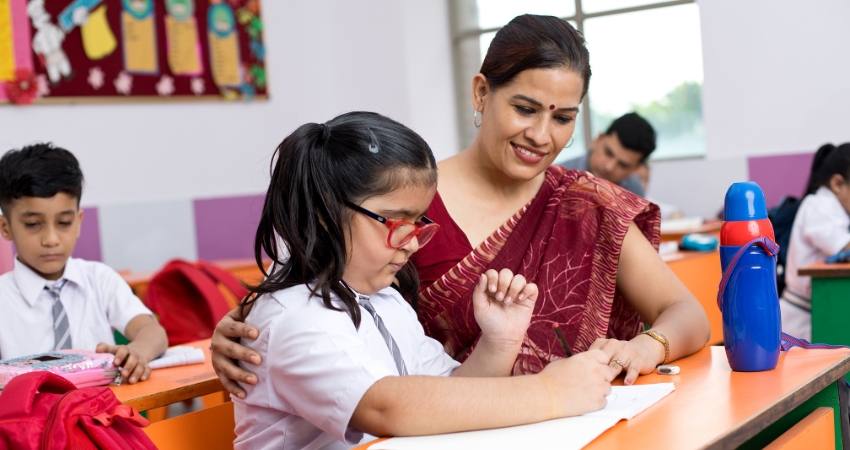
Technology and Remote Work: A New Era for Women
The rise of technology has arguably done more to empower women in the workforce than any other single factor. With internet penetration reaching deep into rural India and remote work becoming mainstream after the COVID-19 pandemic, women are finding new ways to balance responsibilities and careers.
Remote Work as an Equalizer
- Flexibility: Work-from-home options have enabled women to remain in the workforce during life transitions like marriage or motherhood.
- Cost Savings: Women in tier-2 and tier-3 cities can work for companies based in Delhi, Mumbai, or even overseas without relocating.
- Safety & Mobility: Remote work reduces the burden of commuting, particularly in cities where safety remains a concern.
According to a LinkedIn Workforce Confidence Index, nearly 50% of working women in India believe flexible work is essential for career progression.
Gig Economy and Digital Platforms
The gig economy has opened doors for women who cannot commit to full-time office jobs. Platforms such as Urban Company, Zomato, Swiggy, and Upwork allow women to engage in part-time, freelance, or project-based work.
- Women are increasingly visible as online tutors, content creators, designers, and small business owners.
- E-commerce platforms like Etsy, Amazon, and Meesho provide digital marketplaces for women entrepreneurs.
Example: In Madhya Pradesh, a homemaker used Meesho to sell handicrafts online, creating an income stream for her family without leaving her home.
Technology in Rural Empowerment
Digital India has given rural women access to knowledge, banking, and markets. Mobile apps teach farming techniques, enable microloans, and connect artisans to buyers.
- Digital Sakhi programs train women in digital literacy.
- Women farmers now use mobile apps to check weather updates, crop prices, and government subsidies.
Technology is not just a convenience—it’s a gateway to economic independence.
Challenges That Remain
Despite progress, women in India continue to face barriers that restrict their participation. These challenges are deep-rooted and require both policy interventions and cultural shifts.
1. The Gender Pay Gap
Women in India earn 20–30% less than men in similar roles. This gap is even wider in senior leadership and STEM sectors. Lack of pay transparency and negotiation power contribute to the issue.
2. Workplace Harassment and Safety
Even with the POSH Act (2013) in place, many cases of workplace harassment go unreported due to fear of stigma or retaliation. Additionally, commuting and workplace safety remain major concerns, particularly in urban and semi-urban areas.
3. Dropout After Marriage and Motherhood
More than 50% of Indian women leave the workforce after marriage or childbirth. Lack of affordable childcare, inadequate maternity benefits in smaller firms, and societal pressure to prioritize family over career all contribute to this high dropout rate.
4. Unpaid Care Work
Indian women spend an average of 299 minutes per day on unpaid domestic and care work, compared to just 97 minutes by men (OECD data). This unequal burden keeps many women from pursuing paid employment or scaling their careers.
5. Urban-Rural Divide
While urban women have access to better jobs, rural women remain trapped in low-paying informal work. Bridging this divide requires infrastructure, digital access, and targeted training.

Looking Ahead: The Future of Women in India’s Workforce
India’s demographic advantage—its young workforce—will only deliver results if women are fully included. The next 20 years will determine whether India can truly leverage its female population to achieve its vision of Viksit Bharat by 2047.
Key Trends to Watch
- Policy Push for Equality
- Expect stronger laws on equal pay, workplace safety, and childcare support.
- Government and corporate incentives for hiring and retaining women.
- STEM and Digital Skills
- More women are entering engineering, AI, fintech, and biotech.
- Scholarships and mentorship programs will expand access to technical fields.
- Rise of Green Jobs
- Women will play a significant role in renewable energy, sustainable farming, and climate policy.
- Programs under India’s National Solar Mission already involve women as solar technicians in rural areas.
- Global Leadership
- With globalization, more Indian women are taking on leadership roles abroad.
- Representation in international bodies like the UN, IMF, and World Bank is increasing.
Action Steps for Different Groups
- Students: Focus on building digital and STEM skills early. Participate in internships and mentorship programs.
- Professionals: Leverage remote work, upskill continuously, and build strong networks.
- Entrepreneurs: Explore government schemes like MUDRA loans and digital marketplaces.
- Policymakers: Prioritize childcare infrastructure, equal pay enforcement, and women’s safety initiatives.
Fact: According to McKinsey, advancing gender equality could add $12 trillion to global GDP by 2025, and India stands to be one of the biggest beneficiaries.
Women at the Center of India’s Future
India’s workforce is at a crossroads. Women are no longer silent contributors—they are policy influencers, innovators, and economic leaders. From classrooms in rural villages to boardrooms of multinational companies, women are reshaping India’s story of growth and progress.
Yet, challenges like pay inequality, unpaid care work, and safety concerns cannot be ignored. Empowering women is not just about fairness—it’s about ensuring India’s place on the global stage as a developed economy by 2047.
The evidence is clear: when women rise, India rises with them.