A Day of Reflection, Not Ritual
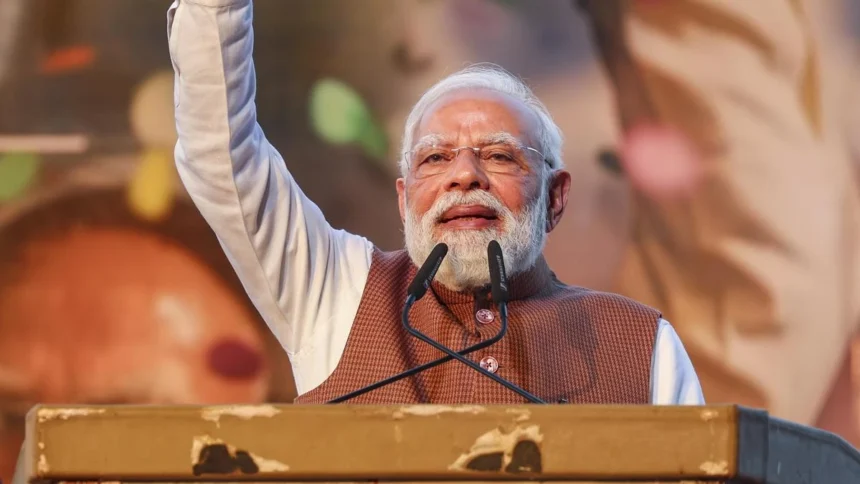
Constitution Day has steadily evolved from a symbolic observance into an annual moment of national self examination. It is a day when India steps back to evaluate the values that have kept the republic functioning for seventy five years. This year, Prime Minister Narendra Modi used the occasion to write a detailed letter to citizens, highlighting the profound link between Constitutional duties and the pursuit of a developed India. His message was not restricted to ceremonial praise. It carried a deeper intention, urging Indians to internalize civic responsibility as a prerequisite for democratic stability.

A Constitution That Builds Lives
The Prime Minister opened his letter with a personal reflection. He recalled how the Constitution empowered him, a person from modest economic circumstances, to rise through the democratic system and lead the country. This reference was more than autobiographical. It served as a reminder that the Constitution is not merely a legal instrument. It is a social equalizer that has given millions the opportunity to pursue ambitions that earlier generations could never dream of.
His memories of bowing at the steps of Parliament in 2014 and again placing the Constitution on his forehead in 2019 illustrate the emotional relationship political leaders can have with democratic institutions. These gestures were meant to underline that democracy strengthens society only when those who lead it view the Constitution as a moral force rather than an administrative document.
Read Also: India’s Global Image 2025

The Rediscovery of Fundamental Duties
A central theme in the Prime Minister’s message was the importance of duties. While India’s political discourse often revolves around rights, duties have rarely occupied public attention. The Prime Minister attempted to correct this imbalance by bringing duties back into national conversation.
Historical Background of Fundamental Duties
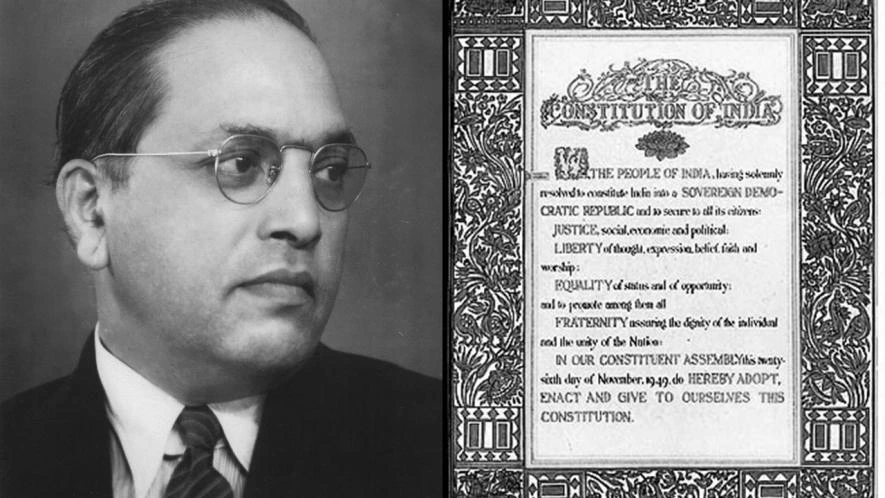
Fundamental Duties were introduced in 1976 under Article fifty one A. They were imagined as ethical expectations from every citizen. These duties include respect for national symbols, protection of the environment, promotion of scientific temper, and responsibility toward maintaining harmony. Although not enforceable like Fundamental Rights, they were intended to shape civic behavior and encourage a responsible citizenry.
Over time, rights gained stronger visibility due to judicial interpretation, litigation, and activism. Duties remained largely confined to school textbooks and ceremonial speeches. Prime Minister Modi’s choice to position them at the center of his Constitution Day message indicates a rethinking of civic priorities for the twenty-first century.
Why Duties Matter in Modern India
India today is more interconnected, more aspirational, and more complex than it was during the early years of the republic. Rapid urbanization, digital transformation, economic reform, and social mobility have all expanded opportunities but also created friction. Duties serve as a balancing mechanism. They remind citizens that while they enjoy freedoms, they also share responsibility in sustaining a cooperative society.
For example, the right to free speech includes the responsibility to avoid misinformation. The right to protest includes the responsibility to safeguard public property. The right to equality requires citizens to actively discourage discrimination in their own communities. Duties therefore provide the ethical spine of a democracy.

The Power of Anniversaries and National Memory
In his letter, the Prime Minister contextualised Constitution Day within a broader historical framework. This year marks one hundred and fifty years since the birth anniversaries of Sardar Vallabhbhai Patel and Bhagwan Birsa Munda. It also marks the one hundred and fiftieth anniversary of the national song Vande Mataram and the three hundred and fiftieth martyrdom year of Guru Teg Bahadur Ji.
Sardar Patel and the Idea of National Unity
Sardar Patel’s legacy as the architect of political unification continues to define India’s territorial and political stability. The Prime Minister linked Patel’s vision with the contemporary political decision to invalidate Article three hundred and seventy and Article thirty five A. This reference was intended to suggest continuity between Patel’s integration efforts and present day constitutional decisions aimed at national unification.
Birsa Munda and the Voice of Indigenous India
Birsa Munda’s contribution to tribal identity and rights was highlighted to affirm that the Constitution belongs equally to marginalized communities. His legacy is central to the Prime Minister’s message on empowerment, dignity and cultural recognition for tribal populations.

Vande Mataram and National Resolve
The one hundred and fiftieth year of Vande Mataram underscores the emotional and historic unity that has shaped India’s political consciousness for generations. The Prime Minister included this anniversary to provide a cultural anchor to the conversation on civic responsibility.
Guru Teg Bahadur Ji and the Ideals of Freedom
The three hundred and fiftieth martyrdom year of Guru Teg Bahadur Ji reinforces the values of sacrifice and religious freedom. His legacy represents courage and constitutional morality. The Prime Minister used this historical milestone to emphasise that India’s struggles for justice and equality have deep historical roots.
The Link Between Duties and Nation Building
The Prime Minister’s message strongly connected duties with the aspiration of building a Viksit Bharat. According to him, national development cannot be achieved by policy initiatives alone. It requires the contribution of every citizen, whether through environmental protection, responsible participation in democracy, or respect for cultural diversity.
The Coming Centenary of the Constitution
In 2049, India will complete one hundred years since the Constitution was adopted. The Prime Minister used this approaching milestone as a moment of future-oriented reflection. The next two decades, he argued, will determine how India positions itself globally. For a country moving rapidly through technological transformation and global competition, civic responsibility becomes essential for democratic resilience.
The centenary forces a deeper question. What kind of society will India be when it completes one hundred years of constitutional governance? The Prime Minister’s message implies that this future cannot depend solely on governmental reforms. It must arise from civic consciousness rooted in duty.
Voting as a Civic Responsibility
One of the most tangible duties highlighted by the Prime Minister was the responsibility to vote. India conducts some of the largest elections in the world. Yet voter turnout fluctuates sharply. The Prime Minister encouraged educational institutions to honour first time voters. This, he suggested, can build long term civic engagement.
Why Youth Participation Matters
India’s youth population is one of the largest globally. Their participation in democracy shapes long term policy outcomes. Encouraging young adults to take pride in voting can help build a culture of responsible citizenship. The Prime Minister’s proposal is consistent with behavioural research showing that public acknowledgment can significantly influence civic habits.
Voting and Democratic Strength
Voting is not simply a constitutional right. It is the foundation of social legitimacy in a democracy. When citizens participate in elections, they collectively reinforce the strength of institutions. Low voter participation weakens the bond between citizens and the state. The Prime Minister’s message therefore emphasised voting not as a political act but as a responsibility toward the nation.
Duties as a Framework for Social Harmony
India’s social fabric is marked by diversity across language, religion, caste and culture. Duties serve as a framework for maintaining harmony within this diversity.
Duties and Social Conduct
The duty to promote harmony encourages respect for differences. The duty to renounce practices that are harmful to women supports gender equality. The duty to value heritage encourages preservation of cultural traditions. These duties create an environment where social conflicts can be resolved peacefully.
Duties and Public Behavior
Many aspects of public life depend on civic cooperation. Waste management, road safety, environmental conservation, and public hygiene require collective action. Duties promote responsible behavior in these areas. When citizens take responsibility, authorities can function more efficiently.
The Global Context of Civic Responsibility
Countries across the world face challenges of misinformation, political polarization and declining institutional trust. Democracies are exploring ways to strengthen civic education. India’s renewed emphasis on duties aligns with this global trend. By encouraging citizens to take responsibility, the Prime Minister’s message attempts to build resilience against future democratic challenges.
Duties and Digital Citizenship
In the digital era, citizens interact with public discourse every day. Duties become significant in the context of information consumption, digital safety and online behaviour. The responsibility to avoid misinformation and respect privacy contributes to a healthier information ecosystem.
Learning from Global Examples
Several democracies incorporate civic responsibility through school programmes, community service, and participatory governance. India’s constitutional duties offer a similar framework but require greater civic reinforcement. The Prime Minister’s message attempts to build this connection between constitutional ideals and practical civic behavior.
Institutional Role in Promoting Duties
Promoting duties is not the responsibility of citizens alone. Institutions play a major role in creating awareness and guiding civic conduct.
Schools and Civic Education
Civic instruction in India often remains limited to textbook learning. Schools can expand this by encouraging real world projects linked to constitutional principles. For example, environmental clubs can teach the duty of protecting nature. Cultural activities can build respect for heritage. Debates and discussions can strengthen democratic values.
Courts and Legal Interpretation
Although duties are not enforceable, courts sometimes interpret them to guide constitutional reasoning. For instance, environmental protection cases have drawn from the duty to safeguard natural resources. This judicial interpretation reinforces civic responsibility.
Media and Public Awareness
Media platforms influence civic behavior through reporting, editorial commentary and public campaigns. Coverage of issues like cleanliness, voting, or communal harmony subtly reinforces duties. When media amplifies such messages, civic consciousness grows.
Civil Society Organizations
Numerous organizations conduct voter awareness events, environmental drives, and community development programmes. These efforts translate duties into practical action. The Prime Minister’s message gives moral reinforcement to such grassroots work.
Balancing Rights and Duties
A deeper analysis of the Prime Minister’s message shows an attempt to harmonize rights with duties. In modern democracies, rights empower individuals but duties strengthen social cohesion. If rights are overemphasized without corresponding responsibilities, democratic processes face friction. Duties therefore act as the ethical counterpart to freedoms.
Concerns and Debate
Some critics worry that focusing on duties may overshadow conversations about rights. They argue that duties should not become instruments of moral pressure. Others believe that duties are essential for a large and diverse democracy. The Prime Minister’s message leans toward this latter approach, viewing duties as tools for social stability and national development.
The Civic Middle Ground
India’s democratic experience shows that rights and duties are not opposing ideas. They complement each other. Rights protect individual dignity. Duties protect collective welfare. The Prime Minister’s Constitution Day message seeks to revive this middle ground.
A Call for Shared Responsibility
The heart of the Prime Minister’s message is simple. The Constitution will remain a living force only when citizens view it as a shared responsibility. Democracy is not strengthened by laws alone. It is strengthened by habits, beliefs and civic behavior. If citizens act responsibly, democracy becomes more resilient. If duties are ignored, institutions face strain.
A Moment of National Reassessment
As the country moves toward the centenary of the Constitution, it faces new questions.
How will India maintain social unity in a rapidly changing world?
How will the country balance technological advancement with ethical responsibility?
How will democratic participation evolve in an era dominated by digital communication. Duties provide a foundation for answering these questions.

A Constitution That Lives Through Its Citizens
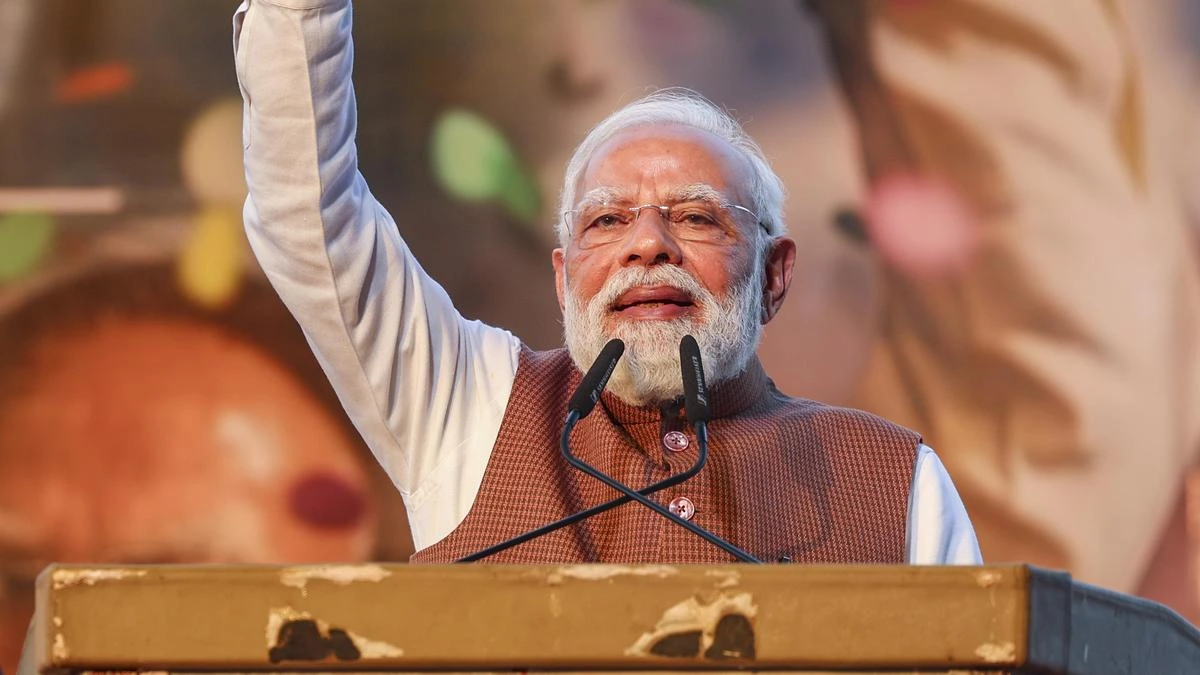
Prime Minister Modi’s Constitution Day message is not simply a ceremonial remark. It is an invitation to rethink the meaning of citizenship. It is an appeal to remember that democracy flourishes when individuals uphold the values that the Constitution represents. It is a call to build a future where civic responsibility and constitutional spirit move hand in hand.
India’s democratic journey has always depended on the strength of its people. As the Constitution approaches its one hundred year milestone, the responsibility to safeguard it lies not only with institutions but with every citizen. Duties therefore become the guiding force that can help India evolve into a socially harmonious, economically ambitious and morally grounded democracy.