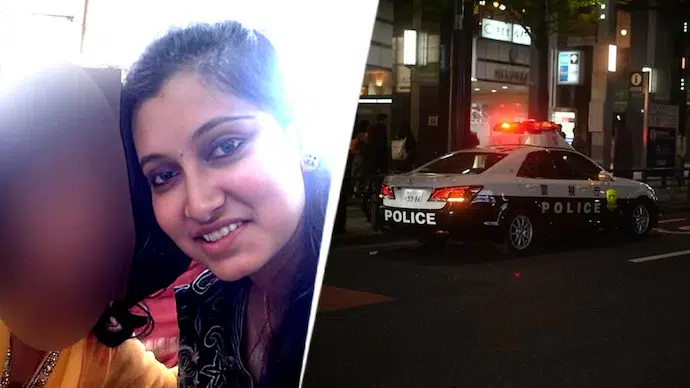
The Indian community in Australia, along with families across India, is mourning the devastating loss of Samanvitha Dhareshwar, a 33-year-old IT professional who died in a tragic road accident in Sydney. She was eight months pregnant, and the collision claimed not only her life but also the life of her unborn child. What began as a routine family walk on a quiet Friday evening in Hornsby turned into an incident that has stirred grief, anger, and deep questions about road safety and responsibility.
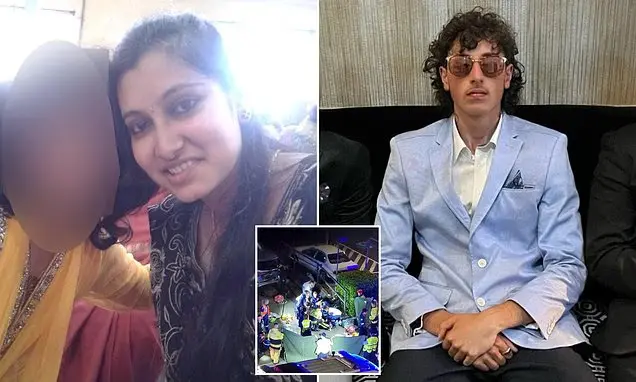
This is not just a story about an accident. It is a reflection of how a single moment of carelessness on the road can ripple through families, communities, and countries.
A Routine Evening That Turned Into Unimaginable Loss
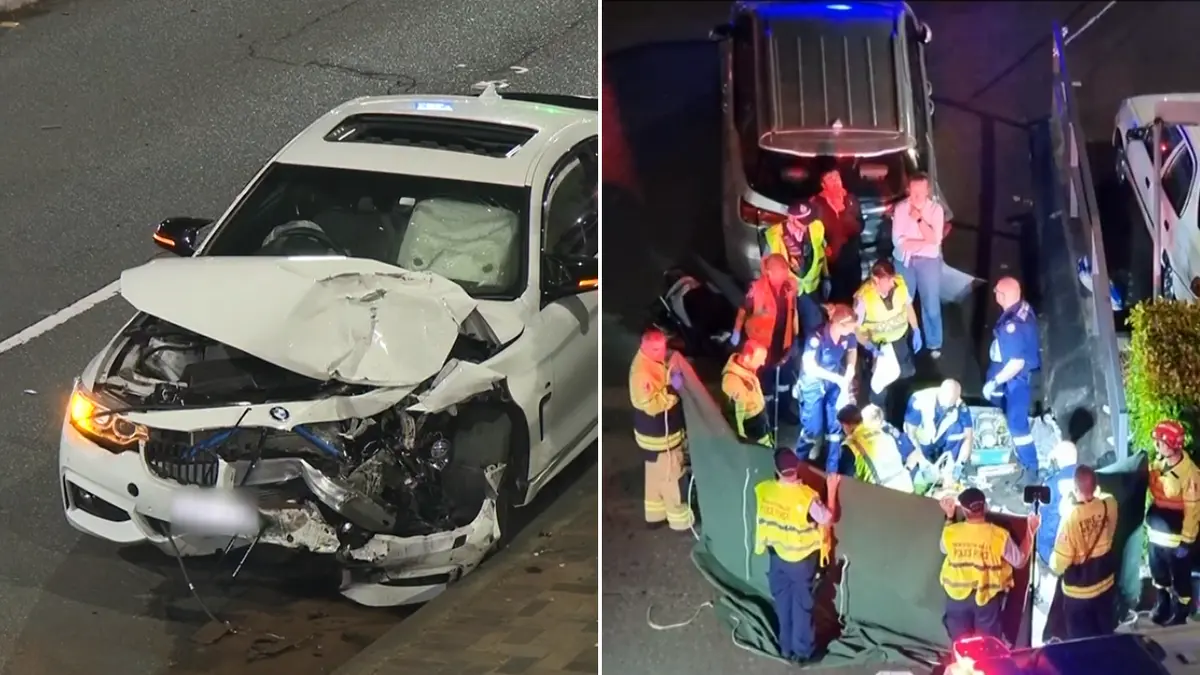
On the evening of the tragedy, Samanvitha was walking with her husband and their three-year-old son toward a car park entrance in Hornsby, a suburb known for its calm residential streets and family-friendly environment. It was the kind of ordinary moment families experience every day. The Kia driver ahead had slowed down to allow them to cross. What followed was a sudden, violent chain reaction.

A BMW driven by a 19-year-old P-plate driver collided with the slowed Kia with enough force to push it forward. In that split second, the car lurched into Samanvitha, leaving her critically injured. Emergency responders acted fast, rushing her to hospital, but the impact had been too severe. Medical teams could not save her or her unborn child.
The young driver who caused the collision was taken into custody shortly after the accident. Police confirmed there was no alcohol or drug involvement. Instead, speed, inattention, and misjudgment appear central to the crash, factors that continue to be leading contributors in road fatalities involving young and inexperienced drivers.
A Family’s Life Shattered
For her husband and young son, the shock of witnessing the incident is beyond what words can capture. In a matter of seconds, they lost a wife, a mother, and the child they were preparing to welcome. The layers of grief run deep: the death of a loved one, the erasure of a future they had carefully imagined, and the trauma of a tragedy witnessed firsthand.
The wider community in Sydney has responded with an outpouring of empathy. Floral tributes and handwritten notes appeared at the crash site within hours. Residents who had never met the family paused their routines, lighting candles and offering silent prayers. These gestures reflect a shared understanding that such a loss is not confined to one home or one family; it reverberates throughout a community.
Legal Action and the Weight of Accountability
The legal system acted swiftly. The 19-year-old BMW driver faces multiple charges, including:

- Dangerous driving causing death
- Negligent driving causing death
- Charges related to causing the loss of an unborn child
In court, his bail was denied. The magistrate emphasized the gravity of the incident, calling it “an absolutely tragic outcome for two families,” acknowledging that while intent may not have been malicious, consequences matter deeply in cases of reckless driving.
The charges relating to the unborn child have drawn particular attention. Australian law allows courts to recognize the loss of a fetus under certain conditions, offering a measure of justice to families like Samanvitha’s, who lost more than one life in the tragedy.
Why This Case Is Stirring a Larger Conversation
This incident has raised fundamental questions that stretch beyond the immediate circle of grief. It highlights systemic issues around:

1. Young Drivers and Road Responsibility
Data across Australia repeatedly shows that P-plate drivers, often teenagers or young adults, are disproportionately involved in accidents linked to speed, distraction, and misjudgment. These are not always acts of malice, but lapses in maturity or attention that carry devastating consequences.
The Hornsby accident reopens the debate on whether current training, licensing structures, and monitoring mechanisms are sufficient for young drivers, particularly in dense urban environments where pedestrian interaction is high.
2. Urban Road Design and Pedestrian Safety
The site of the accident, while not known for high traffic dangers, still raises questions about how urban infrastructure can better protect pedestrians. Should crossings be more visible? Should traffic-calming measures be increased near car park entrances and residential walkways?
An ordinary family walk should not turn into a life-altering tragedy.
3. Legal Recognition of Unborn Children in Accidents
The loss of Samanvitha’s unborn child underscores the complexity and emotional weight behind laws dealing with fetal death. Such cases challenge policymakers to ensure the justice system balances compassion, accountability, and legal clarity.
A Portrait of a Life Interrupted
Samanvitha was known to friends and colleagues as warm, dependable, and deeply committed to her family. As an IT systems analyst, she was respected in her professional sphere. Outside work, she was preparing for the arrival of her second child, a moment she and her husband had envisioned with excitement.
Her life story, though painfully cut short, reflects the aspirations of thousands of young Indian professionals who build their dreams across continents. Her death is not just a private loss, it stands as a heartbreaking reminder of how vulnerable even the strongest among us can be to the flaws of urban systems and human behavior.
A Community’s Responsibility Moving Forward
While grief is natural, it must also lead to introspection. The tragedy forces communities, policymakers, and individuals to examine whether enough is being done to prevent such accidents. Beyond legal consequences, the deeper challenge lies in changing attitudes around road safety and cultivating a culture where caution is non-negotiable.
Young drivers, in particular, must be made aware that the steering wheel carries immense ethical weight. A moment’s haste can erase futures. A lapse in judgment can break families.
More Read

Honouring a Memory Through Action
The most meaningful tribute to Samanvitha and her unborn child lies not only in mourning their loss but in ensuring such tragedies are prevented in the future. Strengthening road safety education, enhancing infrastructure, and encouraging responsible driving behavior can be powerful steps forward.
Read Also: Bangalore Road rage
Her story now becomes part of a larger collective memory, a reminder that safety on the roads demands shared commitment. It also stands as a call for compassion toward grieving families and a renewed insistence on the preciousness of every life.
As the community continues to mourn, may her legacy serve as a guiding light that pushes society to embrace safer practices, deeper empathy, and a stronger resolve to protect every pedestrian, every family, and every journey.