Saturday, 8 Aug 2026

Exclusive insights, data, and analysis for financial market experts.

Explore Now
The Vue Times
  • TVT +
  • India / National
  • Latest
  • Daily News
  • Business & Economy
  • India News
  • General Awareness
  • Viral / Trending Now
  • Politics
The Vue TimesThe Vue Times
Font ResizerAa
  • Home
  • Blog
  • Contact
Search
  • Home
  • Blog
  • Contact
Follow US
Business & EconomyEducation & CareerTechnology

India’s Digital Rupee vs. UPI: What Every Indian Needs to Know in 2025

Riya Mehta
Last updated: July 3, 2026 5:51 am
Riya Mehta
Share
4 Min Read
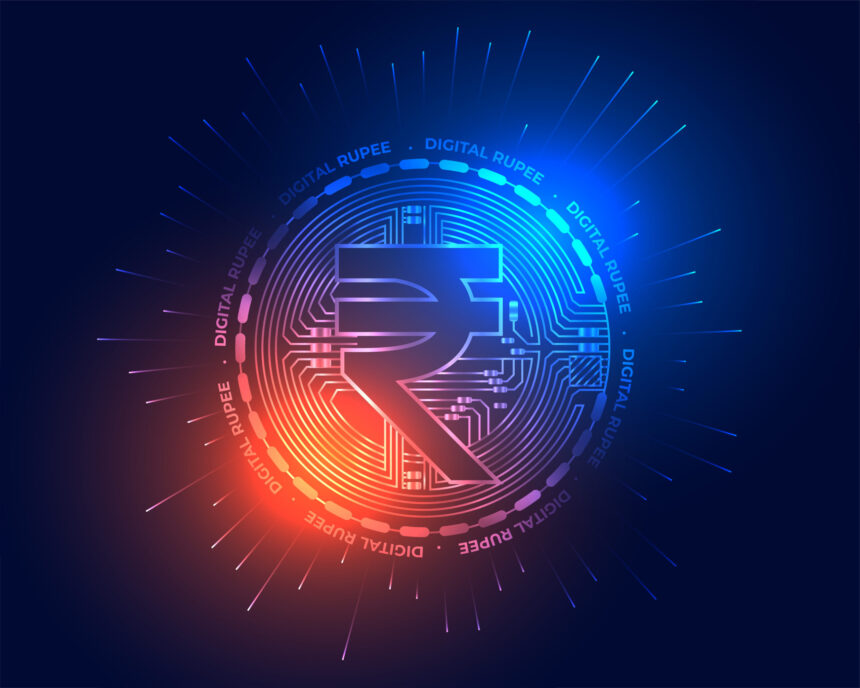
stylish digital currency indian rupee futuristic concept background vector
SHARE

India’s digital economy is evolving at a rapid pace in 2025. From street vendors to corporate giants, everyone is going cashless. But now, there’s a new player in the digital payment space: the Digital Rupee (e₹). Many Indians are wondering — “What’s the difference between Digital Rupee and UPI?” and “Which one should I use?”

Contents
What is UPI? (Unified Payments Interface)What is the Digital Rupee (e₹)?Digital Rupee vs. UPI: Key Differences (2025 Updated)Why Did RBI Launch the Digital Rupee?Pros and Cons: Digital Rupee vs. UPIWhich One Should You Use in 2025?The Future of Digital Payments in India

This blog breaks down everything you need to know about Digital Rupee vs. UPI in simple terms.

What is UPI? (Unified Payments Interface)

Launched in 2016 by the National Payments Corporation of India (NPCI), UPI is a real-time payment system that enables users to transfer money between bank accounts instantly using their smartphones.

Key Features of UPI:

  • Instant money transfer via mobile apps like PhonePe, Google Pay, Paytm, BHIM, etc.

  • Linked directly to your bank account

  • Free or very low transaction fees

  • Supports QR code payments, recurring payments, and even IPO applications

What is the Digital Rupee (e₹)?

Introduced by the Reserve Bank of India (RBI), the Digital Rupee (e₹) is India’s official Central Bank Digital Currency (CBDC). Unlike UPI, it is legal tender issued directly by the RBI, just like physical cash but in digital form.

Key Features of Digital Rupee:

  • Issued and controlled by RBI

  • Can be stored in CBDC wallets, not bank accounts

  • Accepted as legal tender like physical cash

  • Can be used offline in some pilot areas

  • Comes in two types:

    1. Retail CBDC (e₹-R) – for individuals
    2. Wholesale CBDC (e₹-W) – for banks and institutions

Digital Rupee vs. UPI: Key Differences (2025 Updated)

Feature UPI Digital Rupee
Issuer Your bank Reserve Bank of India
Form Bank-to-bank transaction Digital version of physical cash
Account Required? Yes No (wallet-based)
Legal Tender? No Yes
Offline Use? No Limited pilot (yes)
Anonymity Linked to bank & mobile number More cash-like, but traceable by RBI
Use Cases Peer-to-peer payments, e-commerce Cash replacement, government subsidies, secure payments


Why Did RBI Launch the Digital Rupee?

The RBI launched the Digital Rupee to:

  • Reduce the cost of cash handling

  • Boost financial inclusion

  • Strengthen digital sovereignty

  • Enhance payment security and traceability

  • Prepare India for a cash-lite economy

Pros and Cons: Digital Rupee vs. UPI
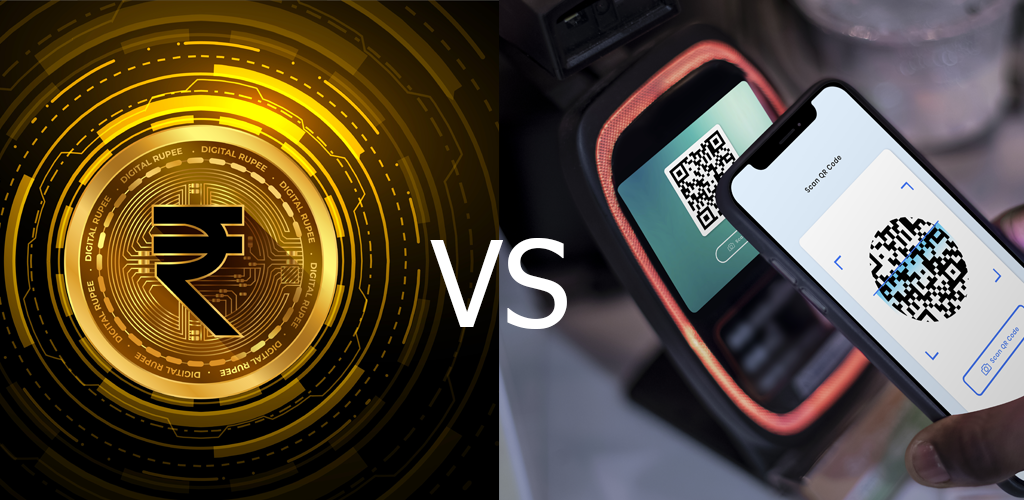
Advantages of Digital Rupee

  • More secure (issued by RBI)

  • Legal tender

  • Potential for offline transactions

  • May reduce reliance on intermediaries (banks/apps)

More Read

India economic growth measured through GDP
What Is GDP and How It Is Calculated in India
How Women Are Reshaping India’s Workforce
Make in India Success or Failure: A Complete Policy Analysis of Its Real Impact
Future of India’s Defense Satellites After GSAT-7R
The Rise of the Rural Entrepreneurs: How Indian Social Impact Startups Are Turning Problems into Profits

Limitations of Digital Rupee

  • Limited adoption as of 2025

  • Usability still evolving

  • Fewer merchant integrations compared to UPI

Advantages of UPI

  • Extremely user-friendly

  • Widely accepted across India

  • Fast and reliable

  • Integrated into most mobile banking apps

Limitations of UPI

  • Requires a bank account and internet

  • Heavily dependent on private apps and banks

Which One Should You Use in 2025?

Use Case Recommended
Everyday digital payments UPI
Offline or cashless backup Digital Rupee
Government subsidy or aid transfers Digital Rupee
Privacy-conscious transactions Digital Rupee (limited)
Business and high-value banking Both


Use UPI for convenience and speed, and Digital Rupee for cash-replacement and secure offline use.

The Future of Digital Payments in India

By 2025, India is moving toward multi-layered digital payments, where both UPI and Digital Rupee will co-exist, offering users more choices and security.
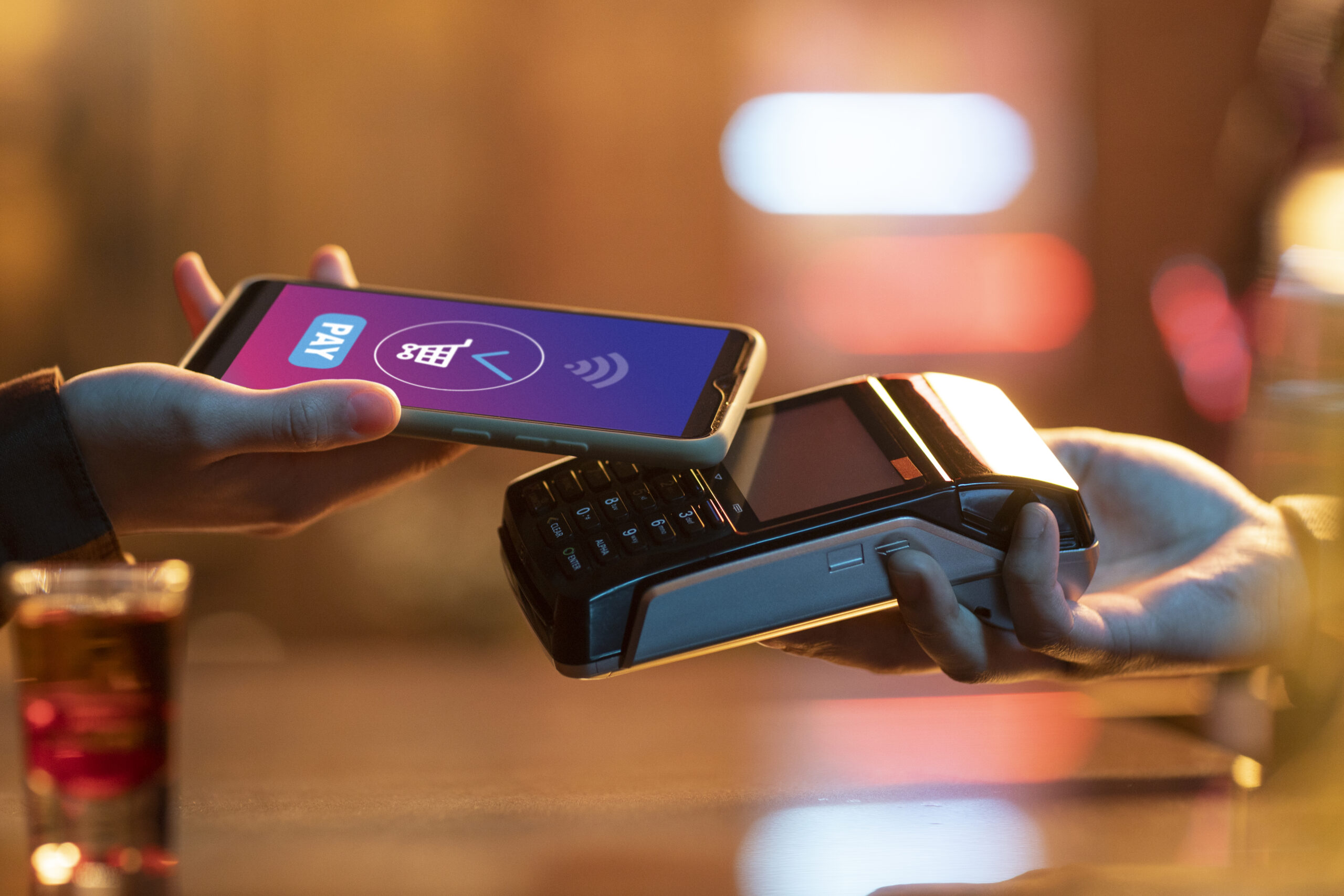
With continuous innovations, expect:

  • Wider offline CBDC support

  • Integration of Digital Rupee into UPI apps

  • More government initiatives using e₹ for direct benefit transfers (DBT)

You Might Also Like

IMF, World Bank and WTO Explained: Differences, Roles, and Relevance for Today’s World
What Is Fiscal Deficit and Why It Matters
UP’s Vision 2047: AI & Deep Tech as Growth Engines
US Denies Reports of Missile Sale to Pakistan
Minimum Support Price Policy: Economic Logic and Political Reality
TAGGED:CashlessIndiaCBDCIndiaDigitalPaymentsEvolutionDigitalRupeeVsUPIeINRWalleteRupeeCBDCPaymentTechIndiaRetailCBDCUPI2025RulesUPIReforms
Share This Article
Facebook Copy Link Print
3kFollowersLike
5kFollowersFollow
2kFollowersFollow
4.2kSubscribersSubscribe
WhatsAppFollow
2.5kFollowersFollow
Most Read
FSSAI News: Regulator Bans Dabur's

FSSAI News: Regulator Bans Dabur’s ‘100% Pure’ Products, Stock Slides 4%

Atiq Ahmed son Aban death: damaged SUV after the Jhansi highway crash

Atiq Ahmed’s Youngest Son Aban Dies in Jhansi Car Crash — A Family That Kept Breaking Apart

Poco M8 Power price in India explained with 8000mAh battery phone illustration

Poco M8 Power Price in India: What That 8,000mAh Battery Actually Costs You

ipl business model

IPL Business Model: Incredible Marketing Success

Iran oil crisis

Iran Oil Crisis: The Dangerous Global Impact

You Might Also Like

GaN chip based on Gallium Nitride semiconductor used in next generation electronics in India
Business & Economy

What Is a GaN Chip? Why India Is Betting Big on Gallium Nitride Technology

June 29, 2026
Indian manufacturing sector with workers and machinery representing Atmanirbhar Bharat initiative
Business & Economy

Atmanirbhar Bharat Meaning: Impact on India’s Economy & Future

June 29, 2026
how to report cyber crime online in india,
Business & Economy

How to Report Cyber Crime Online in India, A Complete Guide (With Real Examples)

July 3, 2026
Sent to Wrong UPI ID (2)
Business & Economy

What to Do If You Sent Money to Wrong UPI ID: Complete Recovery Guide for India (2026)

June 29, 2026
The Vue Times

About US

The Vue Times is a modern digital news platform dedicated to delivering accurate, timely, and insightful coverage of the stories that matter. From breaking news and business updates to technology, lifestyle, entertainment, and global affairs, we strive to keep our readers informed with credible journalism and balanced perspectives.

Top Categories
  • Bollywood
  • Business & Economy
  • Crime & Law
  • Daily News
  • Education & Career
  • Entertainment
  • Health & Wellness
  • India / National
Usefull Links
  • Home
  • Blog
  • Contact
  • Privacy Policy
  • Cookie Policy
Atiq Ahmed son Aban death: damaged SUV after the Jhansi highway crash
India News

Atiq Ahmed’s Youngest Son Aban Dies in Jhansi Car Crash — A Family That Kept Breaking Apart

Read More
FSSAI News: Regulator Bans Dabur's
Business & Economy

FSSAI News: Regulator Bans Dabur’s ‘100% Pure’ Products, Stock Slides 4%

Read More

© The Vue Times. All Rights Reserved.

Welcome Back!

Sign in to your account

Username or Email Address
Password

Lost your password?