

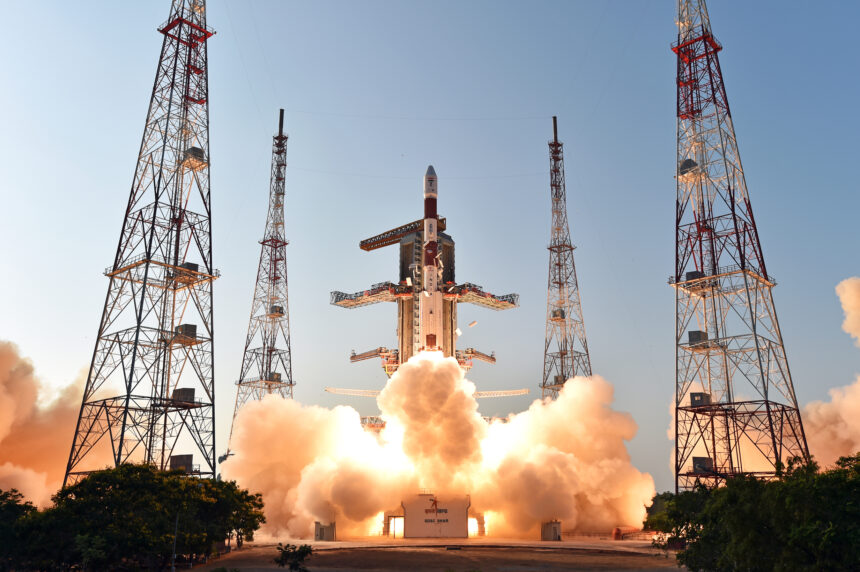
The Indian Space Research Organisation (ISRO) has consistently proven that innovation, cost-effectiveness, and determination can help a developing nation become a global leader in space exploration. With missions like Mangalyaan (Mars Orbiter Mission) and Chandrayaan-3, ISRO has earned worldwide respect.
Now, the spotlight is on its upcoming missions — Aditya-L2, Gaganyaan, and Chandrayaan updates — each of which represents a milestone for India’s national development, space economy, and global reputation.
Aditya-L2 Mission: India’s Solar Explorer
Mission Overview
The Aditya-L2 mission is designed to study the Sun’s corona, magnetic storms, and solar winds. It will be positioned at the Lagrange Point 2 (L2), about 1.5 million km from Earth, giving it a stable view of the Sun.
Why It Matters
-
Solar storms can disrupt communication systems, GPS navigation, and power grids.
-
Studying the Sun helps in better weather forecasting and climate studies.
-
India will join elite nations conducting solar research at a deep-space level.
Global Context
While NASA’s Parker Solar Probe and ESA’s Solar Orbiter explore the Sun, ISRO’s Aditya-L2 stands out for being affordable yet powerful, strengthening India’s role in global scientific collaborations.
Gaganyaan Mission: India’s First Human Spaceflight

Mission Goals
The Gaganyaan mission aims to send three Indian astronauts (“Vyomnauts”) into low Earth orbit (LEO) for a 3-day mission. This will make India the fourth nation after the US, Russia, and China to send humans into space.
Key Features
-
Crew Module & Service Module designed with advanced safety systems.
-
Training of astronauts conducted with the help of Russia’s Roscosmos.
-
Mission budget: ₹9,023 crore, funded by the Indian government.
Impact on India
-
Boosts national pride and technological capability.
-
Strengthens India’s role in global space exploration partnerships.
-
Encourages startups and MSMEs that supply crucial components like life-support systems, sensors, and engines.
Real-Life Story
For example, Hindustan Aeronautics Limited (HAL) and small Indian suppliers are building parts of the crew escape system, proving how Make in India is powering space achievements.
Chandrayaan Updates: India’s Lunar Journey Continues
Chandrayaan-3 Success (2023)
-
India became the first nation to land on the Moon’s south pole.
-
Rover Pragyan analyzed soil, confirming sulfur presence — a key for future energy generation.
 What’s Next
 What’s Next
-
Chandrayaan-4 and LUPEX (Lunar Polar Exploration Mission) with Japan are in the pipeline.
-
Future goals include lunar mining, water-ice extraction, and establishing human bases on the Moon.
Significance for India
-
Positions India as a key player in lunar exploration.
-
Opens the door for space resource utilization — an upcoming trillion-dollar industry.
Government Policy & National Development
The Indian government is actively supporting ISRO through policy reforms and funding:
-
New Space Policy 2023 – opens space to private players.
-
IN-SPACE (Indian National Space Promotion & Authorisation Centre) – regulates and promotes private participation.
-
NSIL (NewSpace India Limited) – commercial arm of ISRO to boost exports.
-
Make in India & Startup India initiatives – encourage local production of satellite parts, engines, and sensors.
India’s space economy is projected to grow to $13 billion by 2025, fueled by government reforms.
International Comparisons
-
NASA (USA): Spends over $25 billion annually.
-
CNSA (China): Rapidly expanding with space stations and Mars landings.
-
ISRO (India): Achieves similar results with just 5% of NASA’s budget, showcasing cost efficiency and innovation.
This “more with less” model is what makes India globally admired.
Future Outlook for ISRO
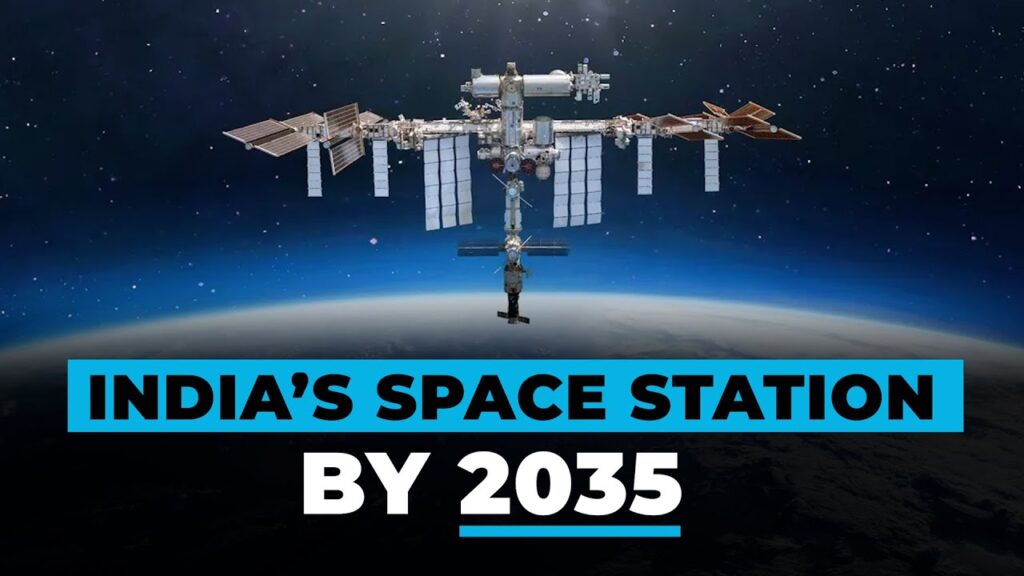
By 2035, ISRO aims for:
-
An Indian Space Station.
-
Interplanetary missions — to Venus & Mars.
-
Expansion of commercial satellite launches.
-
Collaboration with private players for space tourism and deep-space exploration.