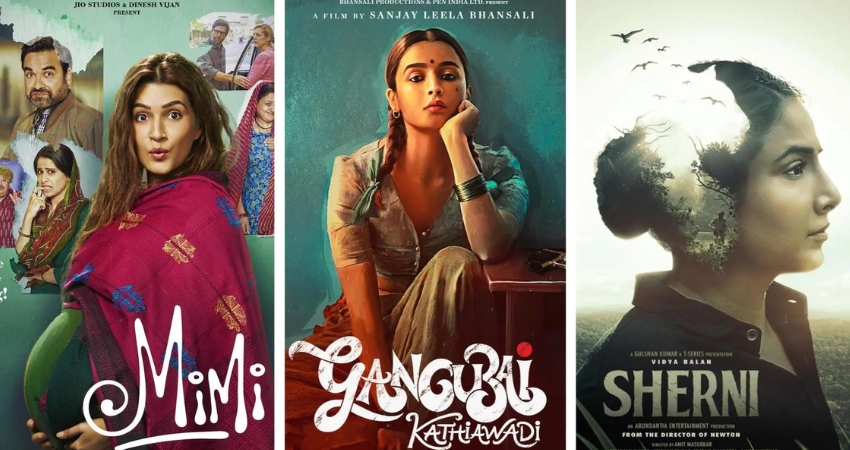
For decades, Indian cinema has been painted in broad strokes — the towering male superstar, the glamorous heroine, and a storyline that often revolved around the man’s journey. But in the past decade, and more aggressively in the last five years, we’ve seen something radically different unfolding on screen: female-led dramas and bold new genre shifts. From gritty detectives to flawed anti-heroines, women characters are no longer confined to singing in mustard fields or waiting to be rescued by the hero.
This shift is not accidental. It mirrors India’s changing social fabric, rising conversations on gender equity, and the undeniable influence of global OTT platforms. Today, a film like Bayaan—centered on a female detective confronting a cult leader—feels not only possible but inevitable. Audiences are hungrier than ever for layered stories, and women are finally being trusted to carry these narratives on their shoulders.
From Sidekick to Spotlight: How Bollywood’s Women Took Charge
If you rewind just 20 years, women in Bollywood films were largely relegated to supporting roles. They were love interests, item-song performers, or occasionally, the “suffering mother” archetype. But films like Kahaani (2012), with Vidya Balan as a pregnant woman hunting down her husband’s killer, proved that female-led thrillers could be both critically acclaimed and commercially successful.
Since then, Bollywood has slowly opened its gates. Movies like Queen (2013), Raazi (2018), and Gangubai Kathiawadi (2022) not only broke box office myths but also showed that audiences resonate with stories led by women when they are authentic, powerful, and emotionally layered.

Now, in 2025, we’re seeing that evolution sharpen further. Bayaan is a perfect example. It places a woman in a traditionally masculine role—the detective—while simultaneously exploring the complex psychology of a female cult leader. This duality pushes beyond the old “good woman vs bad woman” trope, giving us characters that are morally grey and deeply human.
Why Audiences Are Responding Differently
Several cultural and technological shifts explain why these female-led dramas are resonating:
- The OTT Revolution: Platforms like Netflix, Amazon Prime, and SonyLIV have democratized storytelling. With Delhi Crime (Shefali Shah as a police officer investigating the Nirbhaya case), audiences saw the power of women-driven narratives in long-form content.
- Changing Social Mindsets: Conversations around feminism, gender rights, and women in leadership roles have seeped into mainstream culture. Cinema reflects these realities.
- Star Power Reimagined: Once, a movie’s success depended on a Khan or a Kumar. Now, stars like Alia Bhatt, Shefali Shah, and Radhika Apte carry entire projects, proving box office viability.
- Global Attention: Festivals like Cannes, Berlin, and Toronto are giving recognition to Indian female-led films, encouraging bolder stories.
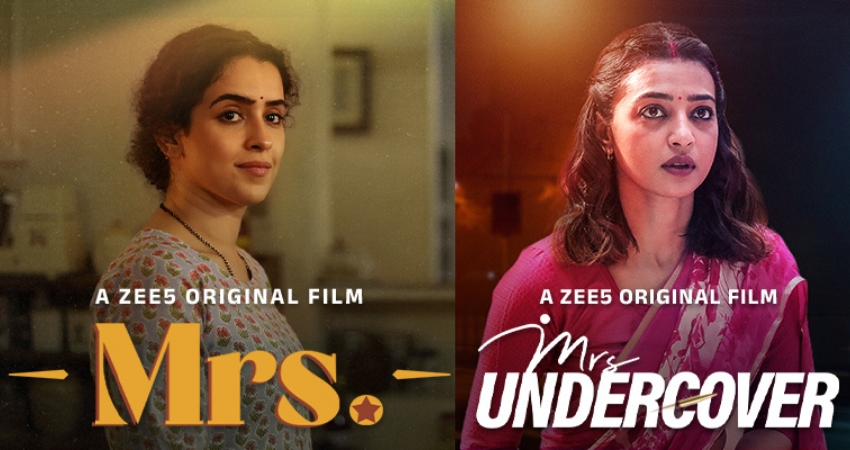
The Subtle Genre Shift: Not Just Romance Anymore
What makes this moment historic is not just that women are leading films, but that the genres themselves are shifting. In older Bollywood, women-led films were usually about love, sacrifice, or family honor. Today, the spectrum is far wider:
- Thrillers: Bayaan, Kahaani, Jaane Jaan
- Dark Comedies: Darlings (Alia Bhatt as a survivor plotting revenge)
- Political Dramas: Maharani (Huma Qureshi as a rural woman turned CM)
- Psychological Narratives: Ajeeb Daastaans, Bulbbul
These shifts show that female-led doesn’t have to mean “social issue drama” only. Women can be detectives, gang leaders, political disruptors, or even deeply flawed anti-heroes.
The Bayaan Effect: A Case Study
Let’s take a closer look at Bayaan. While still niche compared to mainstream Bollywood masala, its cultural impact is undeniable. The film introduces audiences to a female detective, not defined by glamour but by grit, and pits her against a cult leader who is also a woman. This narrative does several revolutionary things at once:

- It breaks the gendered expectation of detectives always being men.
- It offers complex female antagonists, moving away from one-dimensional villains.
- It explores psychological and cultural themes instead of relying on action alone.
Audience reactions show that this layered approach resonates deeply. Social media discussions around Bayaan highlight how viewers felt “seen” by the representation of women who are neither saints nor sinners, but something far more real.
Why This Matters Beyond Cinema
Cinema in India is never just entertainment—it shapes conversations, fashion, politics, and even policy. When women are shown in roles of power, intelligence, and complexity, it normalizes these identities in real life.
Consider this: after Delhi Crime won the International Emmy, several real-life police academies cited the show as an example of how representation could inspire young recruits, especially women. Similarly, Darlings sparked national conversations on domestic violence, leading NGOs to use it in awareness campaigns.

The rise of female-led dramas, then, is not only about cinema evolving but also about national development and cultural progress.
Bollywood’s Bold Experiments with Genres
The landscape of Indian cinema is undergoing a seismic shift. For decades, Bollywood’s formula was clear: masala entertainers, love triangles, family melodramas, and the occasional nationalist action blockbuster. But with the rise of female-led dramas, something else is happening—a genre revolution.
Filmmakers are no longer boxing women into “romantic leads” or “supportive wives.” Instead, they’re exploring thrillers, dark comedies, political dramas, and psychological narratives with women at the center. This not only challenges stereotypes but also creates fresh cinematic experiences for audiences hungry for something beyond the predictable.
Thrillers: Women Who Investigate and Command the Screen
One of the most exciting genre shifts has been the rise of female detectives and investigators.
- In Kahaani (2012), Vidya Balan’s character redefined suspense cinema by being both vulnerable and unstoppable.
- More recently, Jaane Jaan (2023) saw Kareena Kapoor Khan headline a Netflix thriller where her character is both mysterious and layered.
- Bayaan takes this further by offering two central female forces—a detective and a cult leader—making women the driver of both action and opposition.
Audiences, especially on OTT platforms, are responding to these portrayals because they mirror the complexities of real women rather than relying on “perfect heroine” tropes.
Dark Comedies: Breaking Silence Through Humor
Dark comedies have emerged as a particularly effective genre for female leads. These films use humor to unpack difficult, even taboo, subjects.
Take Darlings (2022), for example. Starring Alia Bhatt, Shefali Shah, and Vijay Varma, the film explores domestic abuse but couches it in dark humor. The brilliance lies in how it normalizes women taking control of their narratives—in this case, flipping the script on an abusive husband.
These films are relatable because many women viewers see fragments of their own lives reflected, but told in a way that feels cathartic, even empowering.
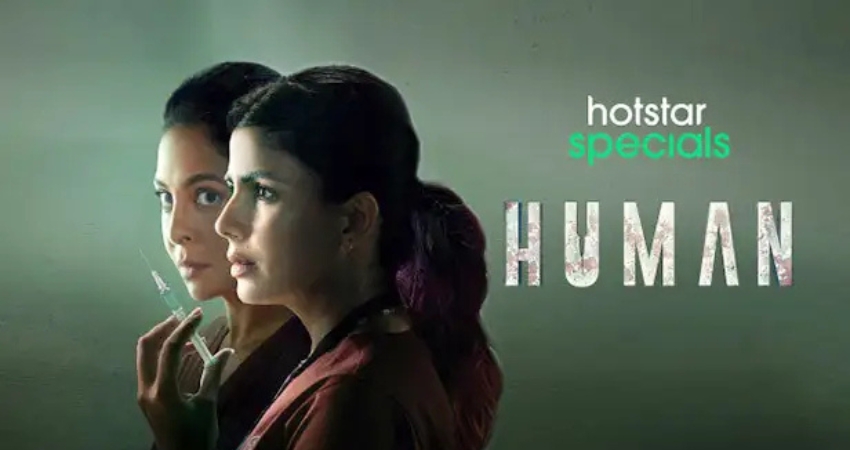
Political Dramas: Women in the Corridors of Power
Bollywood has traditionally shied away from political dramas, especially those led by women. But OTT platforms have cracked this barrier.
- Maharani (SonyLIV, 2021–2023) showed Huma Qureshi transform from a reluctant wife into a commanding Chief Minister.
- The show worked because it tackled caste, corruption, and patriarchy while giving audiences a strong female leader to root for.
This kind of storytelling signals that Indian audiences are ready to watch women in roles of political authority, not just as background characters.
Psychological Narratives: Complex Women, Complex Stories
Psychological dramas and horror have also become spaces where women take center stage.
- In Bulbbul (Netflix, 2020), Tripti Dimri played a woman wronged, who evolves into a mythical avenger—a mix of folklore and feminist narrative.
- Ajeeb Daastaans (2021) gave us multiple short stories, many of them led by women grappling with identity, betrayal, and desire.
Such films lean into the messiness of human psychology and push female characters into territories rarely explored before.
The OTT Factor: Why Streaming Platforms Are Leading the Way
If Bollywood has been cautious, OTT platforms have been fearless. Netflix, Prime Video, Disney+ Hotstar, and SonyLIV are redefining female-led storytelling in India. Why?
- Creative Freedom: Unlike theatres, OTT doesn’t have to chase the “100-crore box office” model. Stories can be niche, experimental, and bold.
- Global Audience: An OTT series like Delhi Crime not only won India an International Emmy but also showed the world how Indian stories can lead with women at the center.
- Longer Storytelling Arcs: A series format allows deeper character development. Characters like Shefali Shah’s Vartika Chaturvedi (Delhi Crime) or Huma Qureshi’s Rani Bharti (Maharani) can evolve across seasons, something films rarely allow.
- Risk-Taking: Streaming platforms can cater to specific audiences. A rural political drama (Maharani) can coexist with a high-gloss thriller (Jaane Jaan). Both can thrive without cannibalizing each other.
Theatrical vs OTT: Two Different Realities
Interestingly, there’s still a gap between what works on streaming platforms and what makes it to theatres.
- In theatres, female-led films like Gangubai Kathiawadi (2022) and Raazi (2018) have done exceptionally well, but these remain exceptions rather than the rule. Studios often hesitate to invest in big-budget female-led projects without attaching a major star.
- On OTT, however, content is king. A Shefali Shah or Radhika Apte can carry a series without requiring “superstar status.” Here, audiences choose substance over stardom.
This dual reality means the true revolution is happening online first, and then trickling into cinema halls.
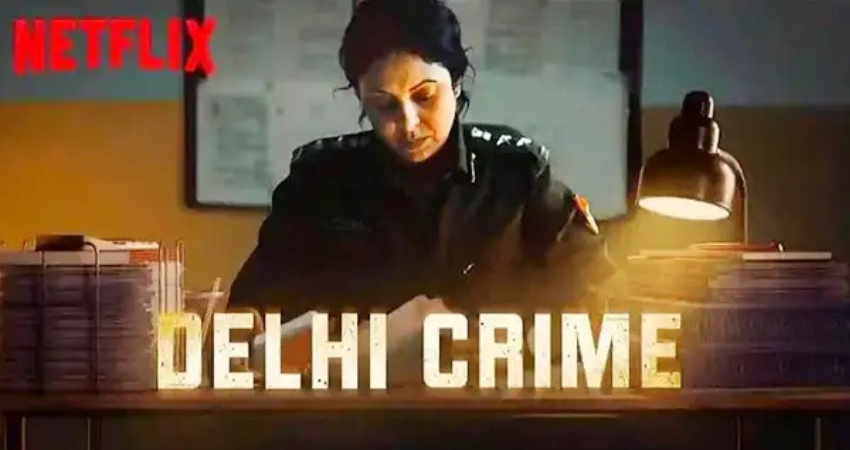
Case Study: Delhi Crime – A Global Breakthrough
No discussion of female-led OTT dramas is complete without Delhi Crime. Based on the 2012 Nirbhaya case, the series placed Shefali Shah’s character—a police officer—at its core.
- The show won the International Emmy Award for Best Drama Series, a milestone for Indian storytelling.
- Its success proved that female-led Indian dramas can not only thrive domestically but also make waves globally.
Importantly, Delhi Crime balanced realism with empathy, never reducing its female characters to stereotypes. Instead, it portrayed women as professionals, leaders, and survivors.
Audience Divide: Metro vs Rural India
Another fascinating trend is how different segments of India respond to these narratives.
- Urban audiences, especially women, embrace these dramas enthusiastically, often sparking debates online about feminism, representation, and progress.
- Rural audiences, while slower to adapt, are increasingly drawn in by relatable political dramas (Maharani) and myth-inspired stories (Bulbbul).
The divide is narrowing. Thanks to affordable smartphones and cheap data, OTT platforms are bringing these bold stories into homes across India.
Why This Genre Revolution Matters
The genre shift is more than a cinematic experiment—it’s a cultural signal. By expanding the kinds of stories women can lead, Indian cinema is challenging centuries of gendered storytelling norms.
Think of it this way:
- A girl in Bihar watching Maharani may imagine herself in politics.
- A woman in Delhi watching Darlings may find courage to break free from abuse.
- A student of film watching Bayaan may dream of creating layered female narratives.
Cinema becomes not just entertainment but a mirror, a motivator, and a map for what’s possible.
The Future of Indian Cinema – Between Stardom and Storytelling
Indian cinema is at a crossroads, and the choices made today will shape how audiences consume films for the next decade. The shift is no longer just about theaters vs. OTT, or Bollywood vs. regional industries—it’s about the kind of stories we want to tell and the kind of cinema we want to celebrate.
1. Audience as the New Power Center
Once upon a time, star power alone could carry a film to success. Today, the audience is sharper, louder, and more influential than ever. Social media trends, memes, and even boycotts can make or break a release within hours. The “Friday verdict” has become a Twitter trend or a Reddit thread, and filmmakers are listening more carefully than before.
2. Bollywood’s Reinvention Curve
From Pathaan’s massive comeback to the failures of big-budget films that leaned only on nostalgia, Bollywood is learning that reinvention is survival. Filmmakers are experimenting with genres—thrillers, docu-dramas, biopics, and even horror-comedies. The industry’s younger voices are pushing boundaries while veterans are adapting to this digital-first audience.
3. OTT as a Parallel Industry
OTT is no longer just a platform for “smaller films.” It has created its own stars (Panchayat, Scam 1992, Delhi Crime), redefined what a “hit” looks like, and democratized cinema by bringing regional gems into urban homes. The conversation now is not whether OTT will replace theaters—it’s about how both can coexist.
4. Global Recognition & India’s Soft Power
From RRR’s Oscar-winning song to The Elephant Whisperers at the Academy Awards, Indian cinema is finally claiming its space on the global stage. The rise of streaming has also made Indian films instantly available to global audiences, expanding our reach beyond the diaspora.
5. The Way Forward
The future of Bollywood and Indian cinema at large lies in balance:
- Big-screen spectacle for mass entertainment.
- OTT-driven intimacy for powerful, experimental stories.
- Global collaborations that blend Indian storytelling with international standards.
Audiences no longer want to choose between “star-driven” and “story-driven”—they want both. And as long as the industry continues to evolve, adapt, and experiment, Indian cinema will keep shining as one of the world’s most dynamic industries.
Indian cinema is not in decline—it’s in transition. From stardom to storytelling, from single screens to smartphones, from Bollywood to pan-Indian blockbusters, the journey is messy but exciting. If one thing is clear, it’s this: the audience is ready for bold stories, and the industry must rise to meet that challenge.