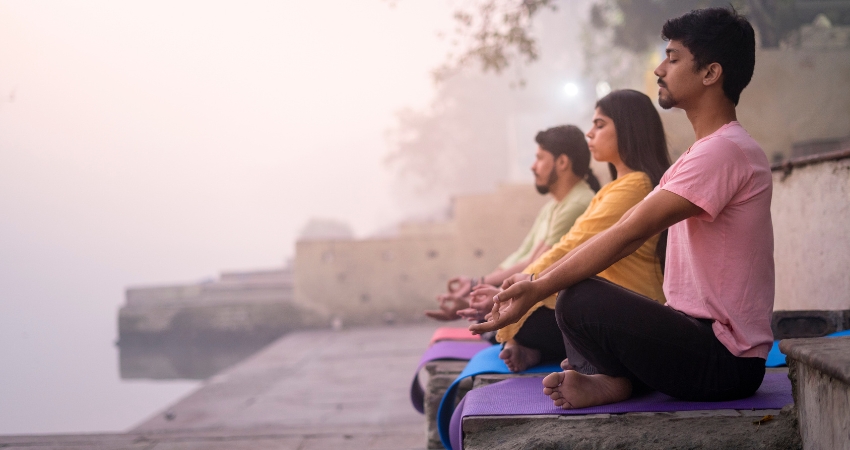
The health and wellness market in India is in a transforming wave. With the fast modernization perspective finding its balance with the national culture, the trends in fitness are showing an ever-growing combination of the traditional Indian body practices such as yoga, Ayurveda, and meditation with the current attraction to morning and evening HIIT, functional training, and digital health basis. This process is not entirely necessarily regarding exercise, but rather is closely intertwined with India news, government policy, and lifestyle modifications that represent national aspirations.
Why Fitness Trends in India Matter Today
These are some of the lifestyle innovations experienced in India, specifically, diabetes, hypertension, and obesity in the last ten years. The Indian Council of Medical Research (ICMR) reported that India has over 77 million diabetics; one of the highest in the world. This frightening number has thrown fitness and preventive care into the spotlight of the policy agendas and the mainstream media.
Concurrently, traditional fitness techniques have received international status due to the world keeping order where various practices of Indians such as International Yoga Day, which was proclaimed by the United Nations in 2015, have come under global scrutiny. Integrating them with up-to-date fitness science is not only a health trend, but nationally a trend as well.
Historical Roots: Traditional Indian Fitness Practices
To understand the present, we must revisit India’s past. Traditional fitness practices in India include:

- Yoga: With origins dating back over 5,000 years, yoga emphasizes holistic health—body, mind, and spirit. Unlike modern gym workouts, yoga balances strength, flexibility, and mindfulness.
- Kalaripayattu: An ancient martial art from Kerala, known for agility, strength, and weapon training, often considered the mother of Asian martial arts.
- Mallakhamb: A pole-and-rope sport from Maharashtra, developing strength, coordination, and endurance.
- Ayurveda: Focused on diet, detox, and lifestyle to maintain internal balance.
These practices were not merely exercises but ways of life, integrated into daily routines, festivals, and cultural traditions.
The Modern Wave: Global Fitness Meets India
Gyms, personal training, CrossFit, and Zumba entered Indian cities with globalization. A new culture of scientific fitness methods faded into fitness applications, fitness trackers, and personal trainers endorsed by celebrities. But unlike in the West, India has been one of the rare countries that have hybridized modernity and tradition.
Indicatively, a busy city Indian employee can practice yoga in the morning (30 minutes), HIIT (High-Intensity Interval Training) at night, and Ayurvedic meals to eat well and rest.

Government Policies Supporting Fitness & Wellness
The Indian government has realized the value of the combination of traditional and modern science in healthcare. Very large projectsYet some great projects are:
- Fit India Movement (2019): The campaign was initiated by the Prime Minister and provides active lifestyles, urging schools, workplaces, and communities to use fitness as a routine.
- AYUSH Ministry: Embraces Ayurveda, Yoga, Unani, Siddha, and Homeopathy, and its main goal is to emphasize both traditional and modern medicine.
- National Health Policy (2017): Awards prevention and lifelong management.
- Khelo India Program: Although it is more sports-based, it indirectly serves to advocate the culture of fitness among the young population.
Fact: According to NITI Aayog, India’s wellness sector is expected to grow at 12% annually, becoming a multi-billion-dollar industry by 2030.
What makes this journey fascinating is not a replacement of old with new, but a fusion of tradition and modernity.

From Ayurveda to Apps: A Unique Blend
For centuries, Ayurveda and yoga have been India’s strongest health assets. Practices such as Pranayama, Surya Namaskar, and Ayurvedic detox diets are now being adapted into digital platforms.
Stat Check:
-
According to an ASSOCHAM report (2024), India’s wellness market is valued at ₹2.2 trillion, growing at 12% annually.
-
Over 300 million Indians practice yoga at least once a week.
-
Downloads of yoga and meditation apps grew by 150% during the pandemic.
Case Study:
Neha, a 28-year-old IT professional in Bengaluru, begins her day with a 20-minute guided yoga session on an app, tracks calories with a smartwatch, and ends her day with Ayurvedic golden milk for better sleep. Her lifestyle is a perfect example of how ancient wellness practices meet modern convenience.

The Rise of Functional Fitness & Strength Training
While yoga remains popular, Indians are also turning to functional training, CrossFit, and strength-based workouts.
Stat Check:
-
A Statista survey (2025) revealed that 60% of Indian gym-goers prefer strength training over cardio, up from 38% in 2020.
-
Gyms offering hybrid fitness programs (HIIT + Yoga + Meditation) saw 40% higher memberships in urban centers.
Case Study:
Rohit, a 35-year-old banker in Mumbai, mixes CrossFit workouts with weekly meditation classes. His trainer notes that he performs better under pressure and recovers faster compared to peers who only focus on weights.
Urban vs Rural Adoption of Health Trends
Health adoption is uneven but evolving.
Stat Check:
-
Urban India: 75% of gym memberships come from Tier-1 cities (Delhi, Mumbai, Bengaluru).
-
Rural India: 62% of households rely on natural diets (millets, pulses, homegrown vegetables) and outdoor activity.
-
Smartphone penetration in rural India is now 67%, making health apps more accessible than ever.
Case Study:
In a small village in Rajasthan, a yoga teacher runs daily sessions using YouTube live classes. Villagers now practice guided yoga alongside their farming work. This reflects how digital tools bridge urban-rural wellness gaps.
Technology: The Game Changer
The pandemic accelerated India’s digital health adoption.
Stat Check:
-
The Indian digital fitness industry is projected to reach ₹1 trillion by 2030.
-
Wearable device sales in India crossed 14 million units in 2024, growing at 46% YoY.
-
1 in 3 Indians aged 18–35 now uses fitness apps regularly.
Case Study:
Ankita, a corporate employee in Gurgaon, uses a smartwatch that monitors her heart rate, reminds her to drink water, and connects directly to her fitness trainer via an app. Technology has become her personal wellness coach.
Nutrition: From Dal-Chawal to Keto & Beyond
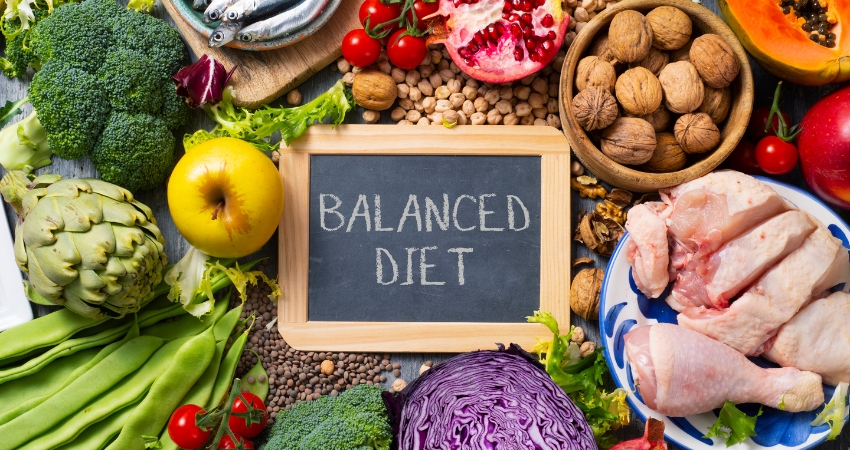
India’s nutrition trends are evolving at a fast pace.
Stat Check:
-
The organic food market in India is worth ₹12,000 crore (2024), growing at 20% annually.
-
Consumption of plant-based foods has increased by 45% in the last 3 years.
-
Traditional foods like ghee, turmeric, and millets are now exported as global superfoods.
Case Study:
Arjun, a college student in Pune, follows intermittent fasting during exams but still eats traditional home-cooked meals like dal, rice, and sabzi. His nutritionist combines modern fasting methods with traditional Indian meals for balance.
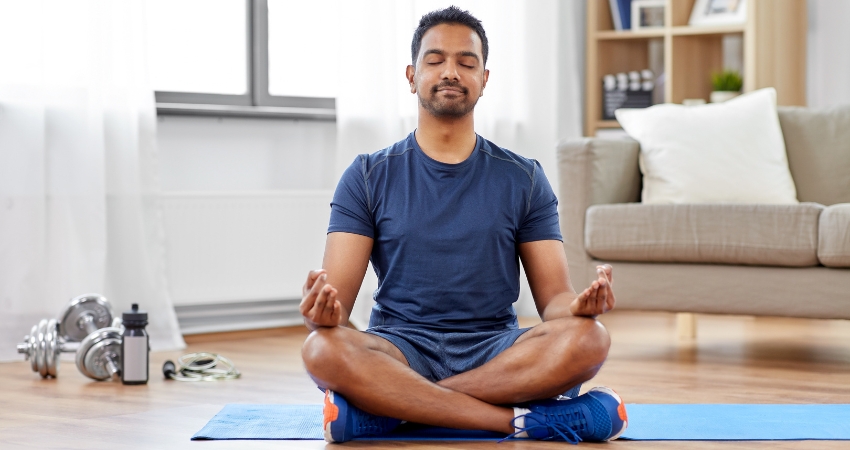
Mental Wellness: Yoga, Meditation & Therapy
Fitness is no longer about six-packs alone.
Stat Check:
-
WHO reports that 56 million Indians suffer from depression and 38 million from anxiety disorders.
-
Downloads of meditation apps like Calm and Headspace grew by 80% in India during COVID-19.
-
Corporate wellness programs in India are now a ₹600 crore market.
Case Study:
Infosys introduced a hybrid wellness program where employees get access to guided meditation, therapy sessions, and yoga breaks. Employee stress levels reduced by 28% in 6 months.
Fitness Trends Blending Tradition & Modernity
1. Yoga + Strength Training
Urban gyms now offer yoga alongside weight training, showing how tradition coexists with modern resistance training.
2. Ayurveda + Nutrition Science
Diets combining Ayurvedic principles with calorie-tracking apps help Indians plan meals that respect tradition while meeting modern goals.
3. Meditation + Digital Detox
Mindfulness apps encourage Indians to take breaks from digital overload, reviving meditation in a modern format.
4. Mallakhamb + Functional Training
Some trainers are reintroducing Mallakhamb as a natural bodyweight training method, similar to calisthenics but rooted in Indian tradition.
5. Wearables + Yoga Tracking
Smartwatches and AI-driven apps now analyze yoga postures and breathing, merging technology with ancient practices.
Real-Life Stories: Tradition Meets Modern Health
- Rural School in Uttar Pradesh: A government teacher introduced daily yoga sessions alongside sports, reducing absenteeism and improving concentration among students.
- Urban Startups: Companies like Cure.fit integrate yoga, HIIT, and meditation into one app, making fitness accessible to young professionals.
- Senior Citizens in Delhi: Communities have combined morning pranayama (breathing exercises) with modern physiotherapy sessions, improving mobility and reducing hospital visits.
These stories illustrate how blending tradition and modernity benefits diverse demographics.
Challenges in India’s Fitness Evolution
- Accessibility: Rural areas often lack gyms or structured fitness spaces. However, traditional methods like yoga require minimal equipment.
- Affordability: While gyms and wearables may be costly, traditional methods remain low-cost.
- Awareness: Many still view fitness as optional rather than essential.
- Cultural Attitudes: Some segments still consider gym culture “Western,” while others undervalue traditional methods.
Balancing these challenges requires policy support, awareness campaigns, and innovation.
Forward-Looking Analysis: The Future of Indian Fitness
By 2047, as India envisions becoming a developed nation, fitness will play a critical role in national development. Anticipated trends include:
- Integration of AI and Ayurveda: Personalized health recommendations using traditional medicine and modern tech.
- Public-Private Partnerships: More collaborations between fitness startups and government schemes.
- School Curriculum Integration: Mandatory yoga, fitness education, and nutrition science in schools.
- Growth of Fitness Tourism: India could become a hub for wellness retreats blending tradition and modernity.
Actionable Guidance
For Students:
- Adopt yoga and meditation as daily routines to reduce stress.
- Use fitness apps to track physical activity alongside studies.
For Professionals:
- Balance sedentary work with 20 minutes of yoga + 20 minutes of HIIT.
- Choose Ayurvedic diets to counter fast-food culture.
For Policymakers:
- Promote affordable fitness infrastructure in rural India.
- Support startups blending tradition with modern innovation.
India’s fitness journey is more than just about gyms or yoga studios—it reflects the country’s national identity, development goals, and cultural pride. By blending ancient traditions with modern science, India is carving a unique path that the world is beginning to notice.
As the nation moves toward 2047, the vision of a healthy, fit, and mindful population will play a critical role in its growth story.
Stay updated with India news, government health policies, and national fitness developments. Subscribe to our newsletter for weekly updates on India latest updates in health, wellness, and national development.