Introduction
Few ideas are as central to democracy as the right to speak freely. Yet, in a country as vast and diverse as India, that freedom often exists in tension with the need for regulation. The debate around freedom of speech vs regulation has become increasingly intense in recent years, fueled by digital platforms, political polarization, and evolving legal frameworks. What does it truly mean to have freedom of expression in a society where speech can influence millions within seconds?
India, with its constitutional guarantees and complex social fabric, offers a unique case study. The conversation is no longer limited to legal experts or policymakers—it affects journalists, content creators, students, and everyday citizens. Understanding this issue requires not just a legal lens, but also a societal and technological perspective. This article explores the debate in depth, breaking down laws, perspectives, and the broader implications shaping India’s speech ecosystem.
Background and Context
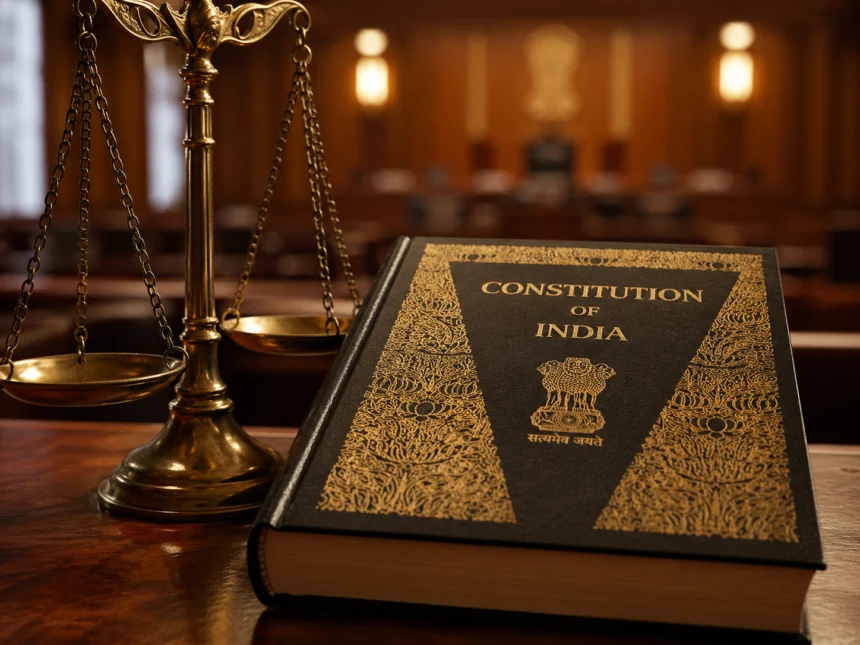
The foundation of free speech in India lies in Article 19(1)(a) of the Constitution, which guarantees the right to freedom of speech and expression. However, unlike absolute free speech models, India includes “reasonable restrictions” under Article 19(2). These restrictions allow the state to regulate speech in the interests of sovereignty, public order, decency, morality, and more.
Historically, this framework was designed to balance liberty with stability. Post-independence India faced challenges like communal tensions, linguistic divides, and political unrest. Lawmakers believed unrestricted speech could exacerbate these issues.

Over time, several laws emerged to define these boundaries:
- Sedition laws (Section 124A of IPC)
- Defamation laws (civil and criminal)
- IT Act provisions regulating online content
- Laws addressing hate speech and public disorder
Understanding India speech laws explained requires recognizing that the country never intended free speech to be absolute. Instead, it adopted a model of conditional freedom—where speech is protected, but not without limits.
What Is Happening Right Now
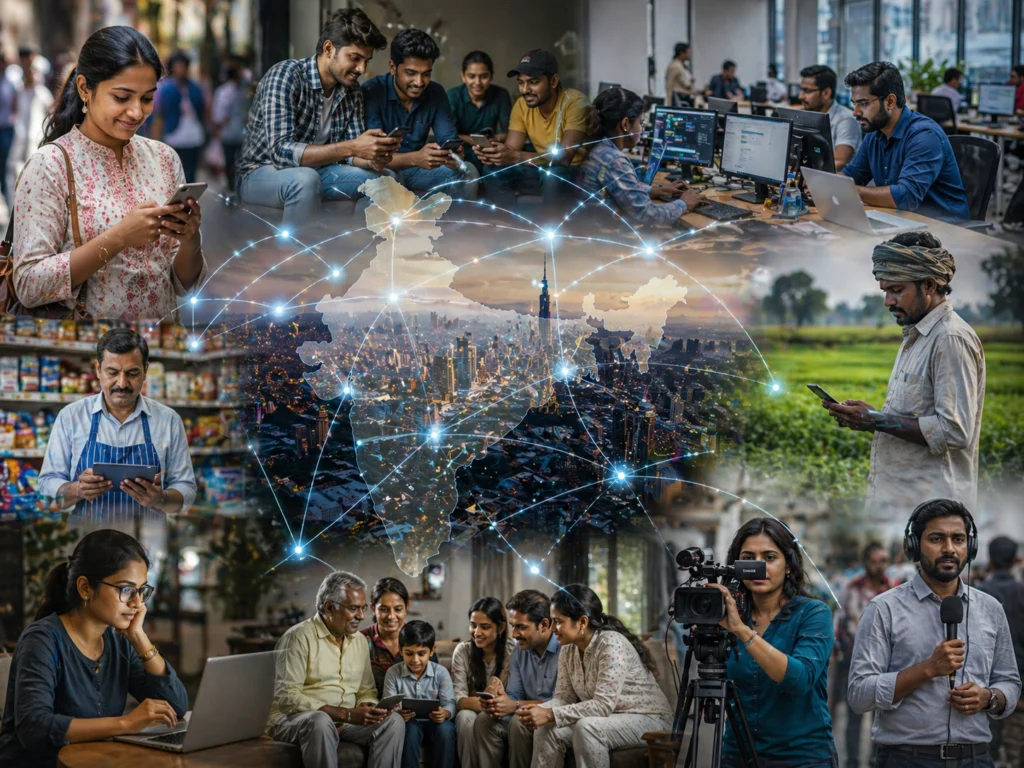
The debate around freedom of speech vs regulation has intensified due to digital transformation. Social media platforms have amplified voices, enabling individuals to reach large audiences instantly.
Recent developments include:
- Increased scrutiny of online content by authorities
- New IT rules governing digital platforms
- Legal actions against journalists, activists, and influencers
- Debates over misinformation and fake news
At the same time, global trends are influencing India. Governments worldwide are grappling with regulating online speech without stifling expression. India is part of this larger conversation, but its unique social dynamics make the issue more complex.

The rise of short-form content, viral narratives, and algorithm-driven visibility has blurred the line between personal expression and public influence. As a result, regulation is no longer just about controlling speech—it’s about managing its impact at scale.
Why This Topic Is Controversial
The controversy stems from a fundamental question:
Where should the line be drawn between freedom and control?
On one side, unrestricted speech is seen as essential for democracy. On the other, unchecked speech can lead to harm—spreading misinformation, inciting violence, or damaging reputations.

Key triggers of the controversy include:
- Arrests or legal notices for online posts
- Content takedown orders
- Platform censorship policies
- Political use of speech laws
The challenge lies in interpretation. What one group sees as legitimate expression, another may view as harmful or offensive. This subjectivity makes regulation difficult and often contentious.
Freedom of Speech vs Regulation: Legal Framework in India
To understand the debate clearly, it helps to look at how speech is regulated:
| Area | Regulation Type | Purpose |
| Constitution | Article 19(2) | Defines restrictions |
| Criminal Law | Sedition, defamation | Protect state & individuals |
| IT Rules | Digital content regulation | Control online speech |
| Media Laws | Broadcasting guidelines | Maintain standards |
This layered framework reflects an attempt to balance rights with responsibilities. However, its interpretation often becomes the source of debate.
Different Perspectives
Supporters’ View
Supporters of regulation argue that absolute freedom can be dangerous in a diverse society like India. Their key points include:
- Preventing harm: Speech can incite violence or spread hatred
- Maintaining order: Regulation helps avoid chaos and unrest
- Accountability: Individuals and platforms must be responsible for their content
- Digital risks: Misinformation spreads rapidly online, requiring control mechanisms
From this perspective, regulation is not suppression—it is protection.
Critics’ View
Critics, however, see regulation as a potential threat to democracy. Their concerns include:
- Misuse of laws: Authorities may use regulations to silence dissent
- Chilling effect: Fear of legal action discourages open expression
- Ambiguity: Terms like “public order” or “offensive content” are subjective
- Power imbalance: Governments and large platforms may control narratives
For critics, the issue is not regulation itself, but how it is applied.
Facts vs Claims
Understanding freedom of speech vs regulation requires separating verified facts from public narratives.
Verified Facts
- India guarantees free speech under the Constitution
- Restrictions exist and are legally defined
- Courts play a role in interpreting these limits
- Digital platforms are increasingly regulated
Public Claims
- “Free speech is disappearing entirely”
- “All regulation is censorship”
- “Online speech is completely controlled”
The reality lies somewhere in between. While regulation has increased, free expression still exists—but within a structured framework.
What People Might Be Missing
Much of the public conversation around freedom of speech vs regulation tends to frame the issue as a direct conflict between the government and citizens. However, this framing misses several deeper layers that are shaping how speech actually functions in India today.
One of the most overlooked aspects is the role of private platforms. Regulation is not only imposed by the state; it is also embedded within the systems designed by technology companies. Social media platforms, search engines, and content-sharing apps all enforce their own rules through content moderation policies, community guidelines, and algorithmic controls.
For example, platforms decide what content gets visibility and what gets suppressed. Even without direct censorship, algorithms influence what people see by prioritizing certain posts over others. This means that speech is not just about what is allowed or banned—it is also about what is amplified. In many cases, the most visible content is not necessarily the most accurate or balanced, but the most engaging.
This shifts the debate from a simple binary—government vs citizens—to a more complex ecosystem involving corporations, technology, and user behavior. Private companies, often driven by global policies and profit incentives, play a powerful role in shaping public discourse. Their decisions can impact millions of users instantly, sometimes with limited transparency.
Another important layer that is often missed is the role of context. India’s diversity is not just a demographic feature; it directly influences how speech is perceived and interpreted. A statement that may be harmless in one cultural or linguistic setting can be deeply offensive or inflammatory in another.
For instance, humor, satire, or political commentary may carry different meanings across regions. Religious sensitivities, historical tensions, and local dynamics all contribute to how speech is received. This makes the task of defining “acceptable” speech far more complex than in more homogeneous societies.
Because of this, regulation in India often reflects an attempt to manage not just content, but its potential consequences. Critics may see this as overreach, while supporters view it as necessary for maintaining social harmony. The reality lies somewhere in between, shaped by context rather than universal standards.
A third critical factor that is frequently ignored is digital literacy. The impact of speech is not determined solely by the speaker—it is also shaped by the audience. In a rapidly digitizing society, many users consume information without verifying sources or understanding context.

Misinformation spreads not only because it is created, but because it is believed and shared. Emotional reactions, confirmation bias, and lack of critical thinking can amplify the effects of speech far beyond its original intent. In this environment, even a small piece of misleading content can have large-scale consequences.
This raises an important question: should regulation focus only on controlling speech, or also on improving how people interpret it? Without addressing digital literacy, regulation alone may not solve the underlying issues.
In summary, the debate around freedom of speech vs regulation is far more layered than it appears. It involves not just laws and policies, but also technology, culture, and human behavior. Ignoring these dimensions leads to an incomplete understanding of the issue.
Impact on Society, Economy, and Users
The balance between freedom of expression and regulation has far-reaching consequences that extend beyond legal frameworks. It shapes how societies function, how economies grow, and how individuals interact in the digital space.
On Society
At a societal level, speech plays a central role in shaping public discourse. The ability to express opinions, question authority, and engage in debate is fundamental to a healthy democracy. However, when speech becomes unregulated or misused, it can also contribute to division and conflict.
Regulation, when applied effectively, can help maintain social stability by limiting harmful content such as hate speech or incitement to violence. At the same time, excessive regulation may restrict legitimate expression, leading to concerns about censorship.
This balance directly affects political engagement. Citizens are more likely to participate in discussions and civic activities when they feel their voices can be heard without fear. Conversely, uncertainty about what is allowed can discourage open dialogue.
Trust in institutions is another key factor. If people perceive speech laws as fair and consistent, trust tends to increase. However, if regulations are seen as selective or biased, it can erode confidence in governance systems.
On Economy
The economic impact of speech regulation is often underestimated. In today’s digital economy, content is not just a form of expression—it is also a source of income and innovation.
Content creators, influencers, and digital entrepreneurs rely on platforms to reach audiences. Regulations that affect what can be published or monetized can directly influence their livelihoods. Unclear or frequently changing rules may create uncertainty, making it harder for creators to operate.
For technology companies, compliance with regulations involves costs related to monitoring content, implementing safeguards, and managing legal risks. These costs can influence investment decisions and the overall growth of the digital ecosystem.
At a broader level, the perception of regulatory stability can impact foreign investment. A balanced and transparent framework encourages confidence, while unpredictable enforcement may create hesitation among investors.
On Users
For individual users, the effects are immediate and personal. Regulation determines what people can say, share, and access online. It shapes not only behavior, but also perception.
One major impact is self-censorship. When users are unsure about the boundaries of acceptable speech, they may choose to avoid expressing certain opinions altogether. This can limit diversity of thought and reduce the richness of public discourse.
Exposure to information is another critical factor. Algorithms and moderation policies influence what users see, often creating echo chambers where similar viewpoints are reinforced. This can affect how individuals understand issues and form opinions.
At the same time, regulation can provide a sense of safety. By limiting harmful or abusive content, it can create a more secure online environment, encouraging broader participation.
Ultimately, the interaction between freedom and regulation shapes the digital experience for millions of users every day.
Role of Media and Narrative
Media plays a powerful role in defining how the public perceives the issue of freedom of speech vs regulation. It does not just report events—it interprets and frames them, influencing how audiences understand complex topics.
Traditional media, such as newspapers and television, often approaches the subject through legal and political lenses. Coverage may focus on court cases, government actions, or policy changes. While this provides important information, it may not always capture the full context.
Digital media, on the other hand, operates in a faster and more dynamic environment. Social platforms prioritize content that generates engagement, which often means emotionally charged or controversial narratives receive more visibility.
This creates a cycle where extreme viewpoints are amplified, while moderate or nuanced perspectives receive less attention. As a result, public opinion can become polarized, with individuals aligning strongly with one side of the debate.
Selective narratives also play a role. Media outlets may highlight certain incidents while ignoring others, shaping perceptions based on what is covered and how it is presented. This can lead to incomplete or biased understandings of the issue.
The influence of algorithms further complicates this dynamic. Content is not distributed equally; it is filtered and prioritized based on user behavior. This means that two individuals may have entirely different perceptions of the same issue, depending on what they see online.
In this environment, the distinction between fact and opinion can become blurred. The way information is framed often has a greater impact than the information itself.
Bigger Picture and Future Outlook
The debate around freedom of speech vs regulation is not static—it is evolving alongside technological, social, and legal changes. Looking ahead, several trends are likely to shape its future.
One key trend is the increasing regulation of digital platforms. As online spaces become central to public discourse, governments are focusing more on how these platforms operate. This includes rules related to content moderation, data handling, and accountability.
Another important development is the growing emphasis on data privacy. Speech and data are closely linked in the digital world, and regulations in one area often influence the other. As privacy laws become more prominent, they may also affect how speech is managed and monitored.
The rise of artificial intelligence introduces new challenges. AI-generated content can blur the line between authentic and fabricated information, making it harder to regulate speech effectively. This raises questions about responsibility and verification in the digital age.
Judicial involvement is also expected to increase. Courts play a crucial role in interpreting laws and resolving disputes related to speech. Their decisions will continue to shape the boundaries of expression and regulation.
In the long term, the focus is likely to shift toward creating more nuanced frameworks. Instead of rigid rules, there may be greater emphasis on context, intent, and impact. This approach aims to balance individual rights with collective well-being.
India’s approach will likely continue to reflect its foundational principle: freedom with responsibility. However, achieving this balance requires transparency, consistency, and adaptability.
The challenge is not just to define the limits of speech, but to ensure that those limits are applied fairly and effectively. As technology continues to evolve, so too will the conversation around how societies manage the complex relationship between expression and regulation.
Conclusion
The debate around freedom of speech vs regulation in India is not a simple binary. It is a complex interplay of rights, responsibilities, laws, and evolving technologies. While the Constitution guarantees freedom, it also recognizes the need for limits in a diverse and dynamic society.
More Read

Understanding India speech laws explained requires looking beyond headlines and recognizing the deeper structures at play. Regulation can protect, but it can also restrict—depending on how it is implemented.
As digital communication continues to reshape public discourse, the challenge will be to maintain a balance that preserves democratic values while addressing modern risks. The real question is not whether speech should be free or regulated, but how that balance can be achieved in a fair and transparent way.