
India’s fascination with hill stations dates back to the colonial era, when the British established towns like Shimla, Ooty, and Darjeeling as retreats from the scorching heat of the plains. These places served as administrative capitals during summers and were associated with leisure, health, and exclusivity.
While once considered seasonal destinations for the elite, hill stations eventually grew into bustling towns, blending colonial architecture with local traditions. Their early identity as spaces for respite and governance laid the groundwork for what we see today: a renewed interest in hill stations as spaces for work, wellness, and lifestyle upgrades.
This continuity of purpose — from colonial administrators escaping heat to modern professionals escaping stress — highlights India’s unique cultural relationship with its highlands.
The IT Boom and the Urban Exodus
Fast forward to the 1990s and 2000s, India experienced a massive IT boom. Cities like Bengaluru, Hyderabad, and Pune became global outsourcing hubs. Professionals flocked to these metros for opportunities, but the result was overcrowding, traffic congestion, and rising costs of living.

The IT boom also brought with it the first seeds of remote work culture. Global companies began experimenting with outsourcing and telecommuting, though the infrastructure was still developing.
By the time the COVID-19 pandemic hit, professionals were already grappling with high levels of stress and poor urban air quality. Lockdowns acted as a trigger, making people realize that work was no longer tied to physical office spaces. The hills, once summer getaways, became long-term options.
Why Hill Stations Appeal to Today’s Professionals
Several interconnected factors explain why professionals are now choosing hill stations and remote natural settings over metros:
Escaping Urban Chaos
Metros have become overcrowded, expensive, and stressful. For many professionals, a move to the hills means fresh air, green landscapes, and reduced stress levels.
Digital Infrastructure Expansion
Thanks to Digital India, BharatNet, and private telecom investments, broadband and 4G/5G networks are increasingly available even in remote towns. This has been a game-changer for professionals who rely on video conferencing, cloud tools, and online collaboration.

Lower Cost of Living
Compared to cities like Delhi or Mumbai, towns like Dharamshala, Kasol, or Ooty offer cheaper housing, affordable organic food, and community-based living. Professionals often report saving 20–40% of their income by relocating.
Integration with Wellness
Hill stations often align with India’s traditional wellness practices like yoga, meditation, and Ayurveda. Professionals are not just working remotely; they’re adopting healthier, more balanced lifestyles.
Real-Life Stories of India’s Remote Professionals
- The Startup Founder in Manali: A Delhi-based startup founder shifted operations to Manali during the pandemic. With a small co-working setup, his five-member team runs operations seamlessly, while their burn rate has dropped significantly due to lower rent and living costs.
- The Consultant in Rishikesh: A management consultant from Mumbai relocated to Rishikesh, citing mental burnout. Now, she conducts Zoom calls in the mornings and spends evenings teaching yoga. She describes this as “earning in dollars, spending in rupees, and living in peace.”
- The Designer in Coorg: A freelance graphic designer set up base in Coorg, combining her love for coffee plantations with a steady stream of global projects.
These stories show that remote work in India’s natural settings is not a luxury for a few — it’s becoming a mainstream lifestyle choice across industries.

The Role of Government Policy
The Indian government has played a crucial role in enabling this shift. Policies like Digital India and BharatNet have focused on bringing broadband connectivity to rural and remote areas. According to NITI Aayog reports, internet penetration in rural India jumped significantly in the last five years, bridging the digital divide.
Additionally, Startup India and Stand-Up India have encouraged entrepreneurship, allowing professionals to base their ventures in smaller towns. Some state governments, like Himachal Pradesh, have rolled out initiatives to promote eco-tourism, co-living hubs, and startup grants in hill regions.
These developments show how national policies intersect with personal lifestyle choices, creating a framework for sustainable migration away from congested metros.
The Economic Ripple Effect
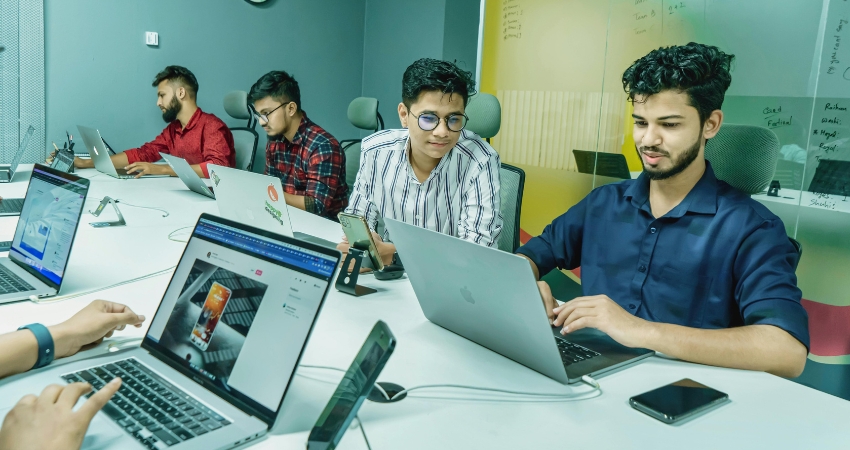
The arrival of professionals in hill towns has triggered new economic activity. Unlike seasonal tourism, which peaks and falls, remote workers provide year-round stability to local businesses.
- Cafés and co-working spaces have sprung up in towns like Dharamkot and McLeod Ganj.
- Homestays and co-living setups are being designed to meet the needs of professionals.
- Local transport and logistics services are witnessing increased demand.
This trend has also created a hybrid economy: traditional tourism mixing with IT-driven micro-economies. For local youth, this means access to new jobs, exposure to digital skills, and opportunities to work with global clients without leaving their hometowns.
Challenges on the Horizon
Despite its promise, this shift is not without hurdles.
- Infrastructure Gaps: Frequent power cuts and patchy internet in some regions disrupt workflow.
- Healthcare Limitations: Hill stations often lack specialized hospitals. In emergencies, professionals still depend on metros.
- Cultural Tensions: Rising demand for housing sometimes inflates rents, sparking friction between locals and new settlers.
Addressing these challenges requires public-private partnerships. Investments in renewable energy, healthcare infrastructure, and sustainable housing policies will be key.
The Cultural Angle: Work Meets Lifestyle
This migration is not just about work — it’s about redefining lifestyle aspirations in India. Professionals are increasingly valuing:
- Work-life balance over corporate hustle.
- Nature and wellness over consumerism.
- Community-driven living over isolation in metros.
This aligns with global trends of digital nomadism and India’s own traditional values of living harmoniously with nature.

Looking Ahead: The Future of Remote Work in India
India is at a turning point in workforce distribution. In the next decade, we can expect:
- Growth of dedicated remote work hubs in Himachal, Uttarakhand, Goa, and the North East.
- Eco-friendly policy frameworks to balance environmental concerns with migration.
- Emergence of hill towns as startup incubators, fueled by cheaper operations and lifestyle appeal.
- Expansion of hybrid working models where professionals split time between cities and natural settings.
This shift could reshape India’s economic geography, decentralizing opportunity from a handful of metros to a more balanced, nationwide map.
Actionable Takeaways for Professionals
For those considering such a move, here are some practical steps:
- Test Before You Commit: Try short-term stays before deciding permanently.
- Plan Connectivity: Research internet providers and backup solutions like dongles.
- Blend Work and Wellness: Leverage local yoga centers, trekking trails, and meditation retreats.
- Support Local Communities: Shop local, hire local help, and integrate respectfully into the culture.
By doing so, professionals not only improve their own quality of life but also contribute meaningfully to regional development.
The migration of professionals to hill stations and natural settings reflects more than just lifestyle changes — it symbolizes India’s evolving identity in the global economy. From colonial retreats to IT boomtowns to modern-day remote hubs, hill stations have always been at the heart of India’s transformation.
As technology, government policy, and individual aspirations align, this movement is likely to accelerate, shaping a new India where development and nature coexist.
For the first time in decades, professionals are realizing they don’t need to choose between ambition and peace — they can have both.