Thursday, 26 Feb 2026
The Vue Times
  • Home
  • About Us
  • Blog
  • Social
  • Contact
  • My Account
  • Login
  • Logout
  • 🔥
  • India/National
  • Latest
  • General Awareness
  • Technology
  • Politics
  • Crime & Law
  • Cybersecurity
  • Business & Economy
  • Environment & Climate
  • Science & Tech
  • World/International
Font ResizerAa
The Vue TimesThe Vue Times
  • Entertainment
  • Technology
Search
  • Home
  • About Us
  • Blog
  • Social
  • Contact
  • My Account
  • Login
  • Logout
Have an existing account? Sign In
Follow US
© 2022 Foxiz News Network. Ruby Design Company. All Rights Reserved.
The Vue Times > Blog > India / National > The Forgotten Massacre: Jallianwala Bagh, 1919
India / National

The Forgotten Massacre: Jallianwala Bagh, 1919

The Vue Times
Last updated: August 6, 2025 11:44 am
The Vue Times
Share
3 Min Read
SHARE

On April 13, 1919, a peaceful gathering in Jallianwala Bagh in Amritsar, Punjab, turned into one of the bloodiest events in Indian history. The Jallianwala Bagh massacre, also known as the Amritsar massacre, exposed the brutal reality of British colonial rule in India. Yet, more than a century later, many still don’t realize the depth of its horror or the significance it played in shaping India’s freedom movement.

Contents
What Led to the Jallianwala Bagh Massacre?The Day of the MassacreGlobal Reaction and AftermathWhy It’s Called a Forgotten MassacreLegacy of Jallianwala Bagh

This blog post revisits the forgotten massacre and sheds light on a dark chapter that must never be erased from our collective memory.

What Led to the Jallianwala Bagh Massacre?

In early 1919, the British enacted the Rowlatt Act, which allowed them to imprison any Indian without trial. This draconian law sparked widespread protests across the country. In Amritsar, the situation was especially tense. On April 10, two popular Indian leaders, Dr. Saifuddin Kitchlew and Dr. Satya Pal, were arrested, leading to mass demonstrations.

Ad image

On April 13, thousands of unarmed civilians—including men, women, and children—gathered at Jallianwala Bagh, a public garden surrounded by high walls, to protest peacefully and celebrate the Punjabi festival of Baisakhi.

The Day of the Massacre

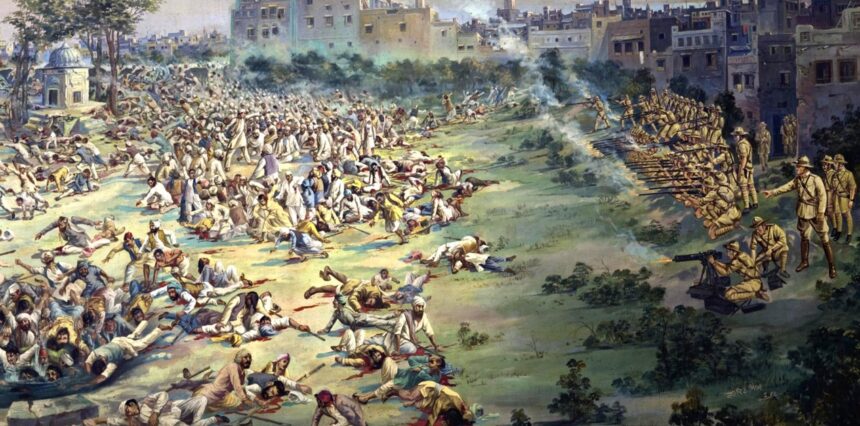
Without warning, Brigadier-General Reginald Dyer arrived with 90 soldiers, blocked the only main exit, and ordered them to open fire on the unsuspecting crowd. For 10 minutes, 1,650 rounds of ammunition were fired without any prior notice to disperse.
Casualties

  • Official British report: 379 dead, over 1,200 injured

  • Indian National Congress estimate: Over 1,000 killed, thousands wounded

The bullets were aimed not just at the crowd, but also at the few open exits—ensuring maximum damage.

More Read

Startup founders facing financial stress and operational setbacks during a critical strategy meeting.
Why Most Indian Startups Fail Within Five Years
Bootstrapped vs Funded Startups: Structural Differences
The Difference Between Writing Correctly and Writing Effectively
Why Some Average Answers Score Unexpectedly Well By TVT
Winter Olympics: How Indian Athletes Qualify, Selection Levels & Official Process Explained

Global Reaction and Aftermath

The massacre shocked the world. British leaders were divided—some condemned General Dyer’s actions, while others hailed him as a hero. In India, the massacre became a turning point in the freedom struggle.

Key Consequences:

  • Rabindranath Tagore renounced his knighthood

  • Mahatma Gandhi launched the Non-Cooperation Movement

  • A permanent scar was left on British-Indian relations

Why It’s Called a Forgotten Massacre

While taught in Indian schools, Jallianwala Bagh often lacks global attention. Unlike other historical atrocities, it has not received widespread international acknowledgment or official apology from the British government—despite repeated calls for one.

Ad image

In 2019, during the centenary of the massacre, British leaders expressed “deep regret”—but stopped short of a formal apology.

Legacy of Jallianwala Bagh

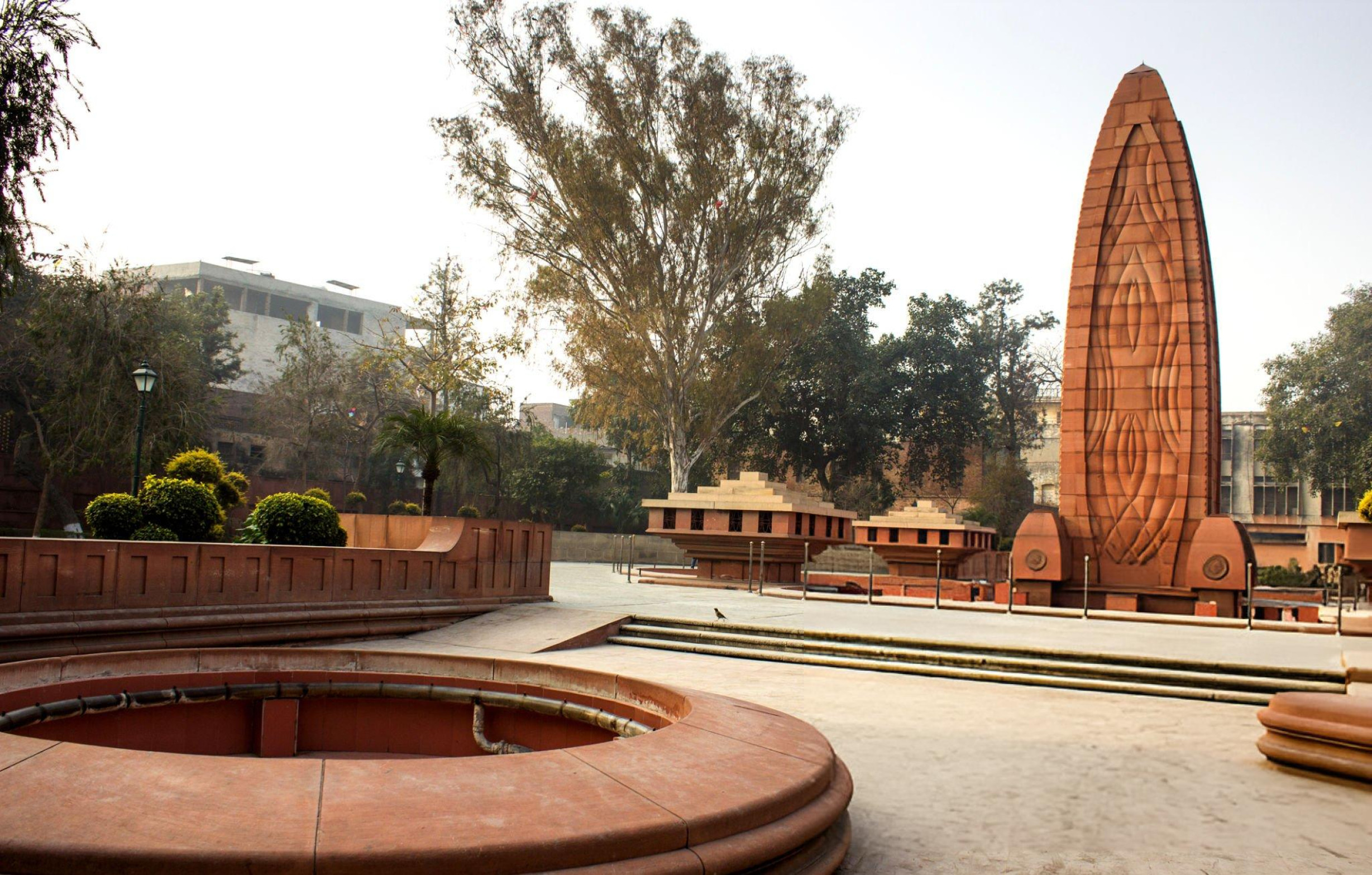
Today, Jallianwala Bagh stands as a national memorial, reminding India of the sacrifices made for independence. The bullet marks on the walls and the well where people jumped to escape gunfire remain chilling symbols of the brutality faced under colonial rule.


You Might Also Like

RCB Won the WPL 2026 Trophy, But the League’s Impact Goes Beyond One Team

The Mistake Almost Everyone Makes While Answering

What Most Students Miss Even After Reading the Syllabus

What Is SIR in India? Why the Voter List Revision Has Sparked a National Controversy

Court Orders vs Government Delays: What Happens to Citizens in Between

TAGGED:Amritsar1919BaisakhiMassacreBrigadierDyerColonialAtrocitiesHunterCommissionIndiaFreedomStruggleJallianwalaBaghMassacreNonCooperationMovementRowlattActUdhamSingh
Share This Article
Facebook Twitter Whatsapp Whatsapp LinkedIn Email Copy Link Print
Next Article India Lands on the Moon – Chandrayaan-3 Makes History

Follow US

Find US on Social Medias
FacebookLike
TwitterFollow
InstagramFollow
YoutubeSubscribe
ThreadsFollow

Weekly Newsletter

Subscribe to our newsletter to get our newest articles instantly!

Popular News
A conceptual image of a quantum computer lab with researchers, dilution refrigerator, and abstract quantum wave overlays, realistic but educational tone.
Education & CareerGeneral AwarenessIndia / National

Quantum Computing Explained for Competitive Exams: Separating Myth from Measured Reality

Ishita Gupta By Ishita Gupta January 30, 2026
How Food Reflects the Culture of India: A Delicious Cultural Journey
Pollution Is Everyone’s Problem: How Indian Citizens Can Protect Themselves
Bootstrapped vs Venture-Funded Startups: How Indian Companies Really Begin
When the Skies Speak: Why Southern India Must Brace for Rainfall Surges
Ad imageAd image

You Might Also Like

A detailed global climate map showing Pacific Ocean temperature anomalies with arrows indicating atmospheric circulation changes reaching South Asia.
Environment & ClimateIndia / National

El Niño and India: Understanding the Climate Signal Shaping the Years Ahead

By Ishita Gupta
GaN chip based on Gallium Nitride semiconductor used in next generation electronics in India
Business & EconomyCurrent AffairsGeneral AwarenessGlobal BusinessGovernment PoliciesIndia / NationalSpace & Defence TechTechnology

What Is a GaN Chip? Why India Is Betting Big on Gallium Nitride Technology

By Aanchal Manocha
Union Budget 2026 infrastructure and capital expenditure focus
Daily NewsIndia / NationalIndia NewsLatest

Union Budget 2026–27 Explained: What India’s Latest Budget Really Means

By Sidrah Malik
Cyber security threats explained through everyday digital life and online risks
CybersecurityIndia / NationalTechnology

Cyber Security Threats Explained

By Ishita Gupta

Top Categories

  • AI & Robotics
  • Lifestyle & Culture
  • Culture and Heritage
  • Viral / Trending Now
  • General Awareness
  • India News
The Vue Times
Facebook Twitter Youtube Envelope Whatsapp-square Instagram Threads
About Us

Daily Dose of Info & Entertainment: At TheVueTimes, we blend powerful information with captivating entertainment to keep you updated, engaged, and inspired — every single day!

More Categories
  • Entertainment
  • Bollywood
  • Health & Wellness
  • India / National
  • Politics
  • Sports
  • Technology
UPSC aspirant studying current affairs from newspapers and books to improve government exam answer writing (1)
Using Current Affairs in Government Exam Answers
February 26, 2026
Comparison between generic answer and content-enriched structured answer in government exam
Avoiding Generic Answers in Government Exams
February 25, 2026
Structured government exam answer sheet with clearly written conclusion section and examiner marks
Writing Effective Conclusions in Government Exams (Conclusion Writing Government Exams)
February 24, 2026
Latest Blogs
Now Playing 1/0

© The Vue Times. All Rights Reserved.

Welcome Back!

Sign in to your account

Register Lost your password?
