In all corners of the world, cinema represents more than just an art form, it is a mirror through which cultures can be seen through, identities are created and nations can be read. With a one hundred-year tradition of lively narrations, Indian cinema has had an exclusive impact on the way the world views India. Since ancient myths to contemporary socio-political stories, the Indian movies have served the purpose of representing the Indian cultural world as cultural ambassadors connecting continents and altering the world perceptions.
Over decades, the tales that have come out of Bollywood, regional cinemas and independent Indian filmmakers have taught the world about the diversity, spirituality, plight, feast, strength and desires of India. It is the emotionalism of classical Bollywood, the naturalism of the Malayalam film industry, or the pomp of Telugu epics, or the very daring innovations of Indian indie cinema, but tale-telling is the heartbeat of the Indian film influence worldwide.
In this in-depth examination we get to understand how Indian storytelling has developed, why it is the way it is, how the world views these Indian tales and the reason why Indian cinema has become an international cultural phenomenon.
Indian Storytelling: The origins of Indian stories in cinema
The storytelling in India through the cinematic medium did not start with fingers on the camera, they started millennia prior and in oral form, folklore, temple art, classical dance and poems. Indian movies naturally borrowed such aspects as:

- Ramayana & Mahabharata – epics full of morality, emotion and fate.
- Merely mythologies of Puranic beasts – narrations based on the battles in the universe and divine intervention.
- Folk songs such as Kathakali Kathakali, Nautanki, Yakshagana, Baul music
- Classical literature Kalidasa, Tamil Sangam poetry, tales of the Bhakti movement.

It was these modes of story-telling that found their way into the drama form of modern day films:
- A strong emotional core
- Clear hero-villain arcs
- Bullets of fidelity, sacrifice, equity.
- Larger-than-life spectacle
- Room to dance, to music, to party.
In the early 1900s, at the inception of Indian cinema it was a natural that the moviemakers used this cultural reservoir. That is why the films made in India first Dadasaheb Phalke Raja Harishchanda became a tremendous success not only in India, but also in the diaspora communities of other countries.
This rich cultural storytelling DNA was the largest soft-power asset of India.
The Global Rise of Bollywood: Emotion as Universal Language
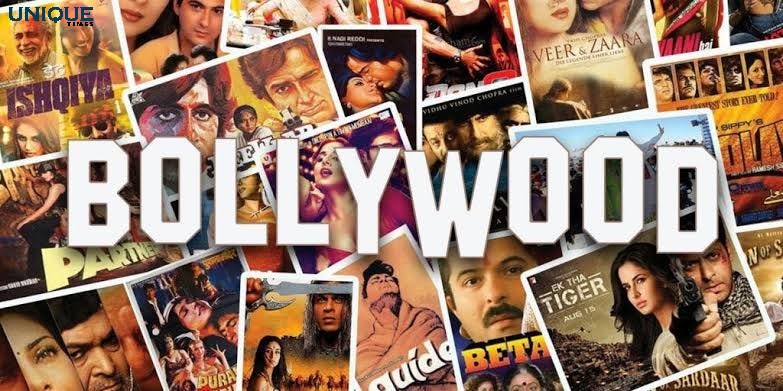
During decades Bollywood achieved the recognition of Indian cinema all over the world. It was cross-border and its formula was dramatic narrative, emotionality, music, romance, and moral conflict.

What was the appeal of Bollywood across the world?
a) Emotion Surpasses Lingo.
Indian movies are emotional.
Where subtitles fail, expressions do not.

Fear of a mother, heartbreak of a lover, sacrifice of a hero–some of the emotional universals of the Indian movie enabled the movie to reach deep into the hearts of Africans in the Middle East and Southeast Asia, and in Eastern Europe and Latin America and even the Caribbean.
b) The Spectacle and Grandeur
Boy Single Movies such as Hum dill de chuke Sanam, Kabhi Khushi Kabhie Gham, Devdas, Jodhaa Akbar and Lagaan have ensured that Bollywood has become a global cultural product.
Foreign audiences fell in love with:
- Colourful costumes
- Celebration-rich festivals
- Family values
- Melodic songs
- Visual extravagance
c) Bollywood as an Escape
The Bollywood film industry also became popular in many world marketplaces due to the fact that it provided an emotional escape, particularly in nations where people had political instability or economic problems.
d) The Indian Diaspora as the Ambassador
NRIs played a huge role.
In the U.K. and Canada, and the Gulf they took Bollywood to their foreign colleagues, and the following were enormous.
This diaspora power influenced the perception of India by the rest of the world.
For many, Bollywood was India.
Regional Cinemas: Defining India on a Global Level
Indian cinema is no longer perceived in the world as just Bollywood.
Over the past ten years, industries of the region such as:
- Telugu cinema
- Tamil cinema
- Malayalam cinema
- Kannada cinema
- Marathi cinema
- Bengali cinema
have increased the world storytelling power of India.
a) The “RRR Effect”
RRR by SS Rajamouli has transformed the world of Indian cinema.
It proved that:
The Indian films are capable of taking over the world box offices.
Indian narration can electrify the foreigners.
Culture-based mass films can become viral across the globe.
The Naatu Naatu Oscar-winning song by RRR was turned into a world hit and managed to reshape the pop-cultural global impact of India.
b) Realism and Craft of Malayalam cinema
Films like:
- Drishyam
- Virus
- Jallikattu
- Kumbalangi Nights
gained international admiration of their fine writers, technical skills, and realistic characters.
c) Global Fanbase of Tamil Cinema
The cult of Rajinikanth in Japan to the influence of Mani Ratnam in the film world and Tamil films spread throughout India as a soft power.
d) The Takeoff of Kannada Cinema.
Films such as KGF and Kantara introduced Indian rural narration and hyper-real imagery to the mainstream audiences around the world.
India is not a single story, it is multiplicity of stories, multiplicity of cultures, multiplicity of voices, which have been proved by regional cinema.

Themes that influenced the perception of the whole world
Indian movies do not necessarily share universal perception, but through these themes, they lend the world certain perspectives about India.
Indian movies shape the way the world perceives values and culture of India, politics and identity.
The themes that influenced the perception of the whole world the most are the following:
India as Land of Relationship and Emotions
Indian films highlight:
- Family bonds
- Friendships
- Sacrifice
- Love overcoming adversity
This is an emotional depth that is a contrast with the individualistic Hollywood films.
India is viewed by the world as an emotionally rich, relationship-based, and community-oriented world.
India as a Cultural Potential
Global viewers learn about:
- Indian festivals (Diwali, Holi, Navratri).
- Traditional clothing
- Indian weddings
- Classical music & dance
- Food traditions
Africans, Turkey, Indonesia, and even Eastern Europe continue to play Bollywood songs during weddings.
India as a Nation of Strength
Films like:
- Lagaan — resistance of oppression
- Swades – going home to make a difference.
- Dangal — struggle and victory
- Chak De India – re-discovering identity.
- Pad Man — fighting taboos
emphasize the development and social enlightenment of India.
The Socio-Political Realities of India
The world sees honest realities of India through modern cinema:
- poverty
- corruption
- gender inequality
- caste issues
- education gaps
- bureaucratic challenges
- unemployment
Such movies as Article 15, Newton, and Sir are admirable throughout the world because of their authenticity.
India: Spiritual and Philosophical Civilization
Movies often explore:
- karma
- dharma
- reincarnation
- moral duty
- meditation
- philosophical journey
This makes India the land of spiritual wisdom.
Real-Life Global Impact: How Indian Movies transformed the perception
Case Study1: Slumdog Millionaire
Although based on Indian themes and as a film by Danny Boyle, the film employed Indian themes, themes, and storylines causing the rest of the world to appreciate the storytelling potential of India.
Case Study 2: Lagaan
Made the world familiar with Indian country life, colonial history and emotional narration.
Case Study 3: Dangal
Turned out to be a mega hit in China, and the message of women empowerment motivated millions.
Case Study 4: Case Study 4 RRR (Global Pop Culture Effect).
Provided India with a worldwide fan base of mass film with its impressive images and its strong emotional appeal.
Case Study 5: Baahubali (International Dubbed Success).
Demonstrated to the world market that Indian mythologies can be competitors to Hollywood fables.
India Soft Power: Cinema as a Tool of Diplomacy
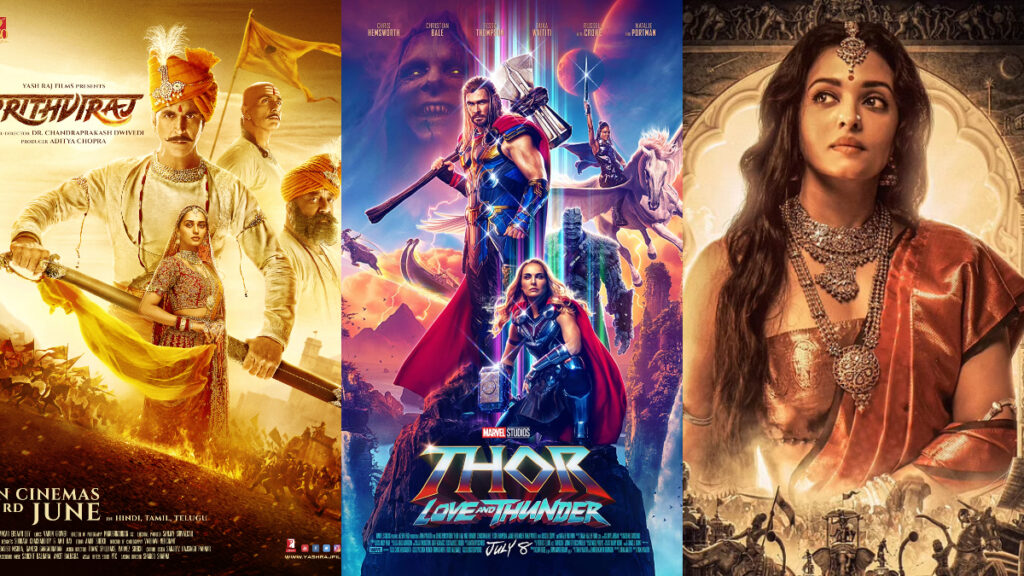
Indian movies are now an important part of the Indian soft power policy.
a) The Issues of Raising Cultural Tolerance.
Indonesia and Saudi Arabia are currently publicly screening Indian films, something inconceivable two decades ago.
b) Indian Actor as World Influencers
Deepika Padukone, Priyanka Chopra, Dhanush, Allu Arjun, Ram Charan, Jr NTR, Rajinikanth – all of them are global fan.
c) Indian Movie Festivals across the Globe
Global film festivals in:
- Toronto
- Busan
- Berlin
- Venice
- Tokyo
continuously screen Indian movies, forming global discussion about India.
d) India’s OTT Revolution
Indian movies are aired in other parts of the world on platforms such as Netflix, Amazon Prime, and Hotstar.
Malayalam crime movies or Hindi social films are now binge watched by international viewers.
Such is cultural diplomacy at work.
The Changing Face of Indian Storytelling
The traditional storytelling culture of India is assuming new and strong forms:
a) New Voices, New Genres
- LGBTQ+ stories
- caste narratives
- rural realities
- women-led stories
- mental health
- sports biographies
- political thrillers
- sci-fi & fantasy
b) Characters of Reality instead of Heroes of Ideality.
Directors are developing more imperfect, human, multi-dimensional heroes. This resonates globally.
c) More powerful Female Accounts.
Movies like:
- Kahaani
- Queen
- Gunjan Saxena
- The Great Indian Kitchen
have changed the views of Indian women abroad.
d) Technological Breakthroughs
VFX, sound engineering, cinematography, and production designing are at par with the world standards.
The Future of Indian cinema in Global perception in the coming decade
-
- Rise in Oscar-Type Films More globally competitive movies will be made in India (such as RRR).
- The Internationalization of Regional Cinema The Tamils, Telugu, and Malayalam industries can even win over more global recognition than Bollywood.
- The Global franchise of Indian Actors Indian actors are on board in large numbers:
- Marvel
- Netflix Originals
- Amazon Global Projects
- Diversity Explosion Storytelling There will be global demands of North-East Indian films, Marathi films, and the Haryanvi cinema.
- India as Global Content Powerhouse As OTT continues to grow in size, Indian stories will affect the youth culture across the world.
Closing: Indian Cinema Is not a Product It is the Identity of India
The tradition of Indian cinema narrative is mighty as it is emotional, rooted, honest, poetic, spiritual, colourful and proud of diversity. It is not imitative, it is creative. It never apologizes, it glorifies.
More Read

India sends a message to the world through each of its movies:
- This is who we are
- This is what we feel
- This is how we dream
- This is how we rise
Indian movie telling has been taken up in the village lanes to the world red carpets, Indian cinema is always telling us how the world can see us not the stereotype but a billion stories to be told.