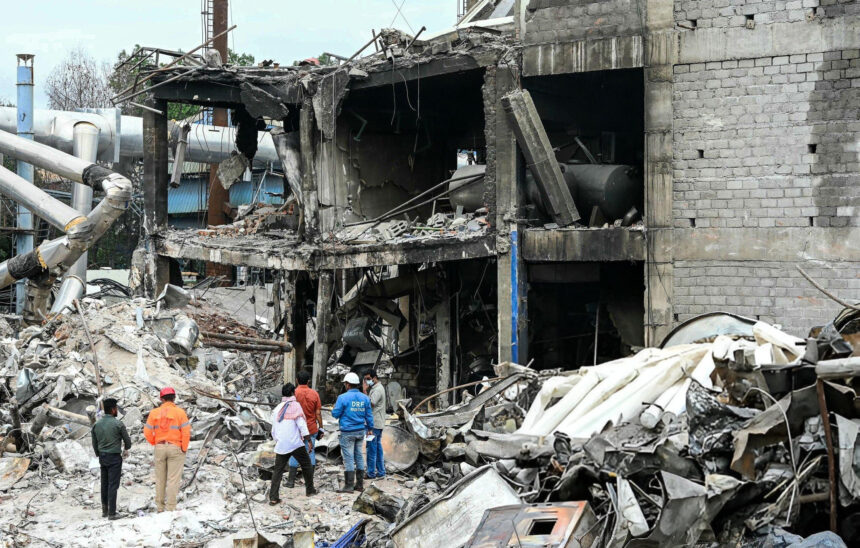
Hyderabad, Telangana – A devastating explosion ripped through a pharmaceutical factory in Telangana on June 30, 2025, claiming at least 36 lives and injuring dozens more. While investigations are ongoing, experts and preliminary findings strongly suggest that the catastrophic event at Sigachi Industries Ltd in Pashamylaram, Sangareddy district, was the result of a dust explosion – a volatile and often underestimated industrial hazard.
The Catastrophe Unfolds
The blast, which occurred around 9:00 a.m. IST, sent shockwaves through the industrial area, approximately 50 kilometers from Hyderabad. The force of the explosion caused the complete collapse of the building housing the reactor unit and spray dryer, leaving a scene of widespread destruction. Bodies were recovered from the rubble, many severely burned, necessitating DNA testing for identification. The injured, suffering from varying degrees of burns and poisonous fume inhalation, were rushed to nearby hospitals. The incident has led to a projected 90-day halt in the factory’s operations, impacting production and livelihoods.
Evidence Points to Dust Explosion
Experts, including former chief scientists from the Indian Institute of Chemical Technology, have quickly highlighted the hallmarks of a dust explosion. The incident occurred in the spray dryer unit, which is used to process microcrystalline cellulose (MCC) into fine powder. MCC, a common pharmaceutical excipient, is known to be highly combustible when dispersed as a fine dust in an enclosed space and exposed to an ignition source.


The suspected chain of events points to a buildup of temperature within the spray dryer, possibly due to faulty temperature sensors and inadequate cleaning of the blow air handler. This could have led to temperatures soaring to dangerous levels, potentially igniting the cellulose dust. Once ignited, the primary explosion can then rapidly consume the dispersed dust within the confined space, leading to a much larger, more destructive secondary explosion as a fireball propagates through the facility, igniting accumulated dust layers. The absence of functioning alarms and the apparent failure of safety sensors are critical areas under investigation.
Official Probe and Accountability
A multi-agency investigation is currently underway, involving the Telangana Police, Forensic Science Laboratory, Directorate of Factories, and the Telangana State Pollution Control Board. A five-member committee has been constituted by the state government to probe the incident comprehensively and recommend preventive measures.
Preliminary findings indicate a strong likelihood of thermal decomposition of MCC leading to the dust explosion. Authorities have registered a case of culpable homicide not amounting to murder and voluntarily causing grievous hurt against the company’s management, citing allegations of negligence and disregard for worker safety. Chief Minister A Revanth Reddy, who visited the blast site, condemned the management’s absence and demanded a detailed report on the company’s safety record, promising stringent action against those found responsible.
A History of Concerns and Regulatory Gaps
The tragedy has brought Sigachi Industries’ safety record under intense scrutiny. While a December 2024 inspection reportedly found the factory compliant, the current devastation and victim statements paint a different picture. Allegations suggest a history of “multiple compliance breaches” and a disregard for warnings about outdated or unsafe machinery. Crucially, the factory lacked essential safety infrastructure, including a fire No Objection Certificate (NOC), functional fire alarms, heat detection systems, automatic shutdown mechanisms, and blast-resistant walls/roofs. Non-adherence to the National Building Code (NBC 2016) and various provisions of the Factories Act has been identified as a significant factor contributing to the scale of the disaster. This starkly contradicts the findings of the recent inspection, raising serious questions about the efficacy and thoroughness of regulatory oversight.
Understanding Dust Explosion Risks in Pharma
Pharmaceutical manufacturing, while vital, inherently involves the handling of fine powders, many of which are combustible. A dust explosion requires the “dust explosion pentagon”: fuel (combustible dust), oxygen, dispersion of dust, confinement, and an ignition source. Common ignition sources include static electricity, hot surfaces, friction, sparks, and exothermic reactions.

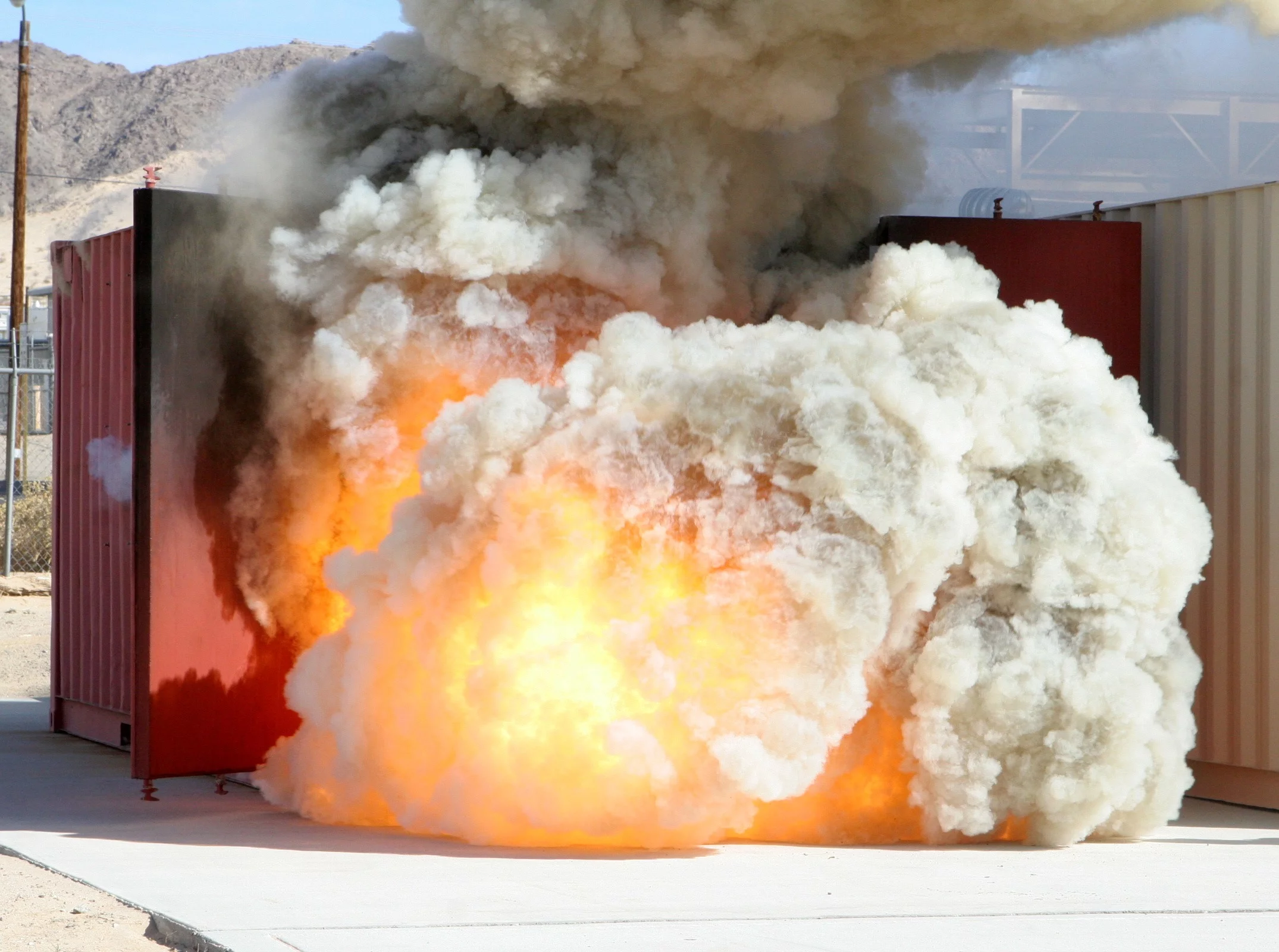
In India, industrial safety is primarily governed by the Factories Act, 1948, which includes provisions like Sections 14 (Dust and Fume) and 37 (Explosive or inflammable dust, gas, etc.). These sections mandate “practicable measures” to prevent explosions through effective enclosure, removal of dust, and exclusion of ignition sources. They also require measures to restrict the spread and effects of an explosion. The National Building Code (NBC 2016) provides guidelines for fire and life safety, including requirements for hazardous occupancies. However, the enforcement and the technical specifics of these regulations, especially concerning advanced dust explosion prevention (e.g., precise dust concentration limits, explosion relief sizing, inerting systems, hazardous area electrical equipment standards), often fall short of international best practices like those from NFPA.
More Read

The Road Ahead: Prevention and Accountability
In the aftermath of the blast, relief efforts involving NDRF, SDRF, and local agencies have been extensive. The government has announced substantial ex-gratia payments to the victims’ families, with a joint contribution from Sigachi Industries and the state government.

Looking forward, the Telangana government has committed to overhahauling safety regulations. The expert committee is tasked with recommending concrete measures to prevent such incidents. Key areas for reform include:
- Rethinking Inspection Protocols: Moving beyond routine checks to more rigorous, unannounced audits by independent experts.
- Mandatory Safety Infrastructure: Enforcing compliance with fire NOCs, modern fire suppression, and explosion protection systems.
- Adoption of International Standards: Incorporating more stringent technical guidelines for dust handling, hazardous area classification, and explosion mitigation, potentially aligning with global standards like NFPA.
- Enhanced Training and Awareness: Implementing comprehensive training for workers and management on combustible dust hazards and emergency procedures.
- Strict Enforcement and Accountability: Ensuring that companies are held strictly accountable for safety lapses, with severe penalties for non-compliance and negligence.
The Telangana blast serves as a grim reminder of the critical importance of industrial safety. As the state moves forward, the emphasis must be on not just investigating the past, but robustly building a safer future for its industrial workforce.