India enters a politically charged week as three major developments collide inside and outside Parliament. The unprecedented disruption at IndiGo Airlines, the special commemorative discussion on Vande Mataram, and a marathon 10-hour debate on the nationwide Special Intensive Revision of electoral rolls have together created an atmosphere of scrutiny, symbolism and systemic questioning.
While each issue belongs to a different domain, taken together they provide a deeper understanding of how governance, national identity and public accountability are interacting in today’s India. For citizens, this week offers a glimpse into the nation’s priorities and the institutions responsible for protecting them.
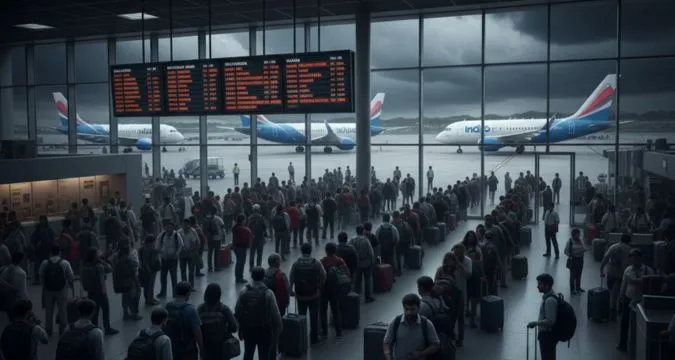
The IndiGo Meltdown: What Really Triggered the Crisis
IndiGo, India’s largest airline with a market share exceeding 60%, has slipped into one of the worst operational breakdowns in Indian aviation in recent years. The chain reaction began soon after the enforcement of updated Flight Duty Time Limitations for cockpit and cabin crew. Although the norms were publicly discussed months in advance, IndiGo’s internal preparedness remained inadequate.
The result was immediate and severe:

- On-time performance fell to almost one-third of normal levels within just 48 hours.
- Cancellations rose sharply, crossing into the hundreds on the second day and continuing to rise as crew rotations collapsed.
- Major metros saw the worst congestion, with Delhi, Mumbai, Bengaluru, Hyderabad and Kolkata witnessing terminal overcrowding and hours-long queues.
- Refund backlogs escalated, pushing the airline to create emergency handling teams to process claims.
- Crew fatigue management became a focal point, as new duty-time rules tightened rest norms.
What makes this crisis significant is not just the disruption, but the underlying governance failure. When a dominant airline falters, the impact spreads across the entire aviation ecosystem, affecting business travel, tourism, logistics, and in many cases, livelihood-critical journeys such as medical travel.
Passenger accounts reported long delays for updated flight information, challenges in securing alternative travel arrangements, and significant financial losses due to rebookings and hotel cancellations.
The crisis has forced the aviation sector to confront an uncomfortable reality: operational resilience in India’s busy skies is still fragile.
Government Response: Pressure Builds in Parliament
With thousands of passengers affected, the IndiGo issue quickly reached Parliament. The Civil Aviation Ministry informed the House that the disruptions were rooted in internal mismanagement rather than regulatory failure. The ministry described the scenario as a wake-up call and signalled that exemplary action could follow to reinforce accountability across the aviation industry.
Regulators sought detailed justifications from the airline, which was directed to submit compliance documents, rostering data, and crew-management logs. Parliamentarians from multiple parties questioned whether excessive dependence on a single large private carrier has created a structural risk for India’s aviation sector.

The crisis also revived the long-standing debate on passenger rights. Clear compensation guidelines, emergency communication protocols and real-time transparency are likely to dominate the government’s next steps.
Vande Mataram in Parliament: A Session of Symbolism
Even as passengers struggled, Parliament prepared for a historic discussion marking the 150th year of Vande Mataram. The session seeks to revisit the song’s evolution from Bankim Chandra Chattopadhyay’s composition to its present status as the National Song of India.
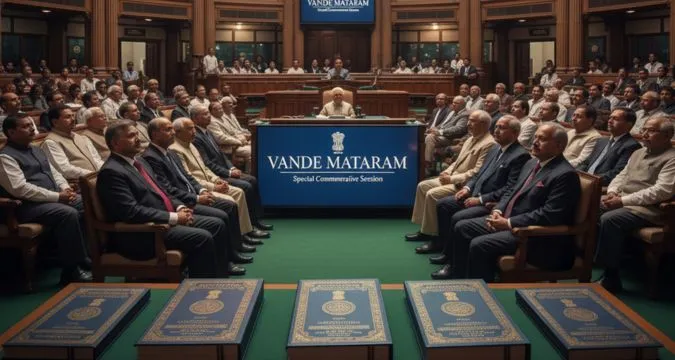
The event carries strong symbolic weight:

- It highlights the cultural and historical roots of India’s freedom movement.
- It attempts to renew the narrative of unity and national identity.
- It serves as a platform for political messaging as India approaches major electoral cycles.
However, critics question the timing. With a nationwide aviation crisis unfolding, several opposition voices argued that Parliament should prioritise the immediate distress of citizens before turning to commemorative debates. Supporters, on the other hand, say that national identity and citizen welfare can be addressed simultaneously.
The symbolism-versus-governance contrast has therefore become central to the public narrative.
The 10-Hour SIR Debate: A Deep Examination of Electoral Integrity
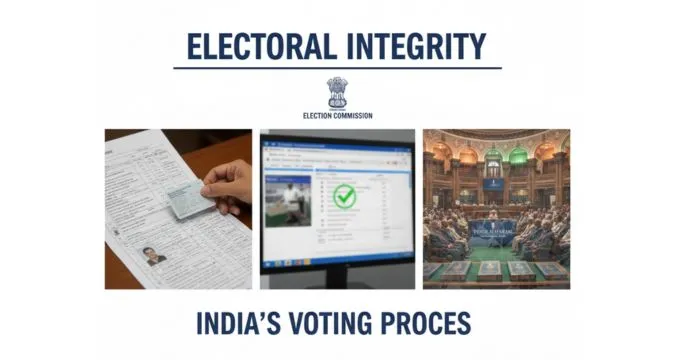
Alongside these events, the Special Intensive Revision (SIR) debate is set to be one of the most extensive deliberations on electoral processes in recent years. The exercise involves:
- Verification of voter records across all states.
- Removal of duplicate or invalid entries.
- Updating rolls to ensure inclusion of first-time voters.
- Cross-checking migration patterns and address changes.
Supporters argue that the SIR is essential to prevent fraud, protect electoral integrity and ensure that the democratic process remains transparent.
Critics warn that aggressive or poorly supervised revisions could disenfranchise marginalised groups, seasonal migrants and citizens without consistent documentation.
The length of the scheduled debate, approximately ten hours, demonstrates the scale and importance of the issue. With national elections approaching, the discussion is expected to be politically heated and meticulously scrutinised.
A Collision of Symbolism, Governance and Public Pressure
Taken together, the IndiGo crisis, Vande Mataram session and SIR debate reveal the complex intersections that define Indian governance today.
1. Administrative Preparedness vs. Public Expectation
The IndiGo episode shows that as sectors grow, operational weaknesses can no longer remain hidden. Citizens expect professionalism, reliability and accountability from dominant private players.
2. Symbolic Politics vs. Everyday Realities
National identity remains important in India’s political imagination. Yet, when symbols and ceremonies overshadow urgent public issues, citizens begin to question institutional priorities.
3. Democracy Under Review
The SIR debate reflects India’s effort to modernise and sanitise its voter database. The stakes are immense, linked directly to political representation and electoral fairness.
4. Institutional Confidence at a Crossroads
Aviation regulators, Parliament and the executive all face renewed scrutiny. How they respond this week may determine public trust for months to come.
The Path Forward: What India Must Address Urgently
If this week is to produce lasting value, several actionable steps are essential:
- Aviation reform with mandatory contingency staffing and transparent crew-rostering audits.
- Stronger passenger protection rules including guaranteed compensation for long delays and mandatory rebooking assistance.
- Balanced parliamentary scheduling to ensure that symbolic debates do not eclipse urgent national crises.
- Robust oversight of the electoral revision exercise so that inclusion, accuracy and fairness remain central.
- Diversification of the aviation sector to reduce the systemic risk created by over-dependence on a single carrier.

A Defining Moment for Indian Institutions
India finds itself at an unusual crossroads where symbolic heritage, democratic processes and corporate accountability intersect. This week’s developments will influence both the public mood and institutional credibility.
The IndiGo crisis has exposed operational vulnerabilities in a critical sector. The Vande Mataram session reflects India’s desire to reaffirm national identity. The SIR debate underscores the need to refine and protect the democratic machinery that gives citizens their voice.
For Parliament, regulators and corporations, this moment offers an opportunity to demonstrate responsiveness, restore public confidence and strike a balance between celebrating the nation’s legacy and addressing its present challenges.
If handled decisively, this convergence of events can strengthen governance. If allowed to drift, it risks widening the gap between national symbolism and citizen welfare. The choice, and the consequences, will be felt far beyond this week.