
Main Character Syndrome: When Life Feels Like a Personal Movie

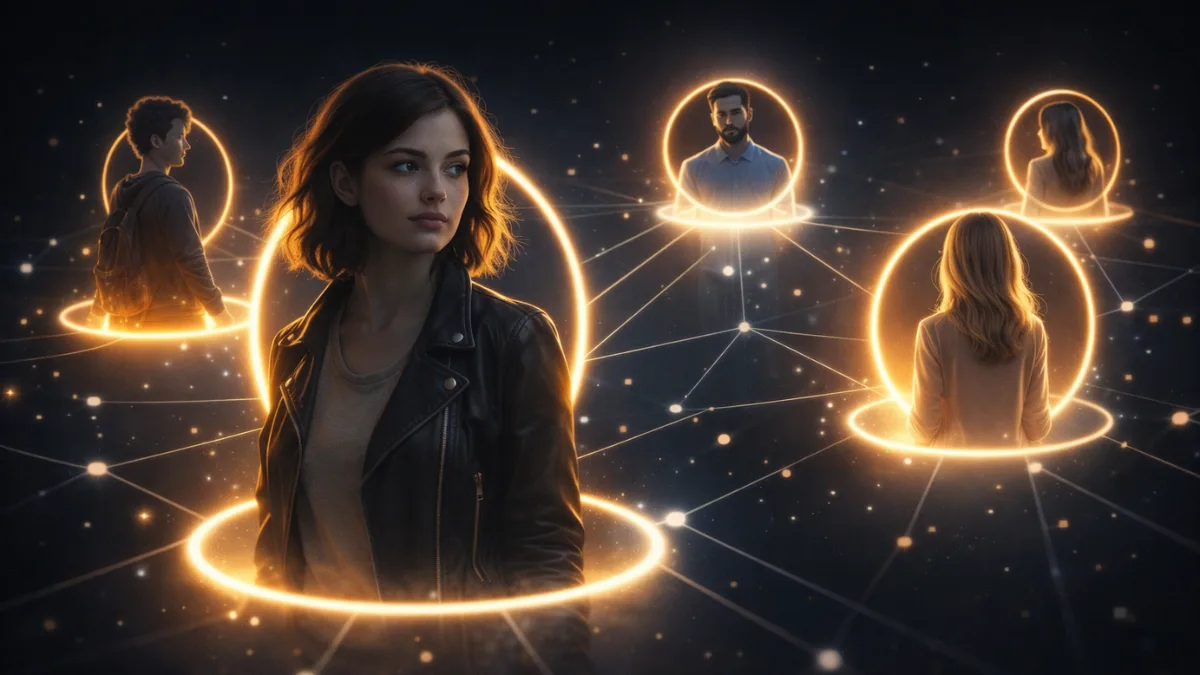
There’s a moment that plays out more often than we admit. You’re walking down a busy street, headphones in, music swelling just right—and suddenly, everything feels cinematic. The crowd becomes background extras. The traffic noise fades into ambience. For a few seconds, the world seems built around you.
It’s a harmless feeling—until it isn’t.
What began as a fleeting emotional experience has quietly evolved into something more persistent, more performative. Today, it has a name: Main Character Syndrome.
The Rise of Main Character Syndrome in a Digital World
At its core, Main Character Syndrome describes a mindset where individuals perceive themselves as the central figure in life’s narrative—sometimes to the point of overlooking others’ realities. While the idea isn’t new (human beings have always been storytellers of their own lives), the scale and intensity have shifted dramatically in the digital age.
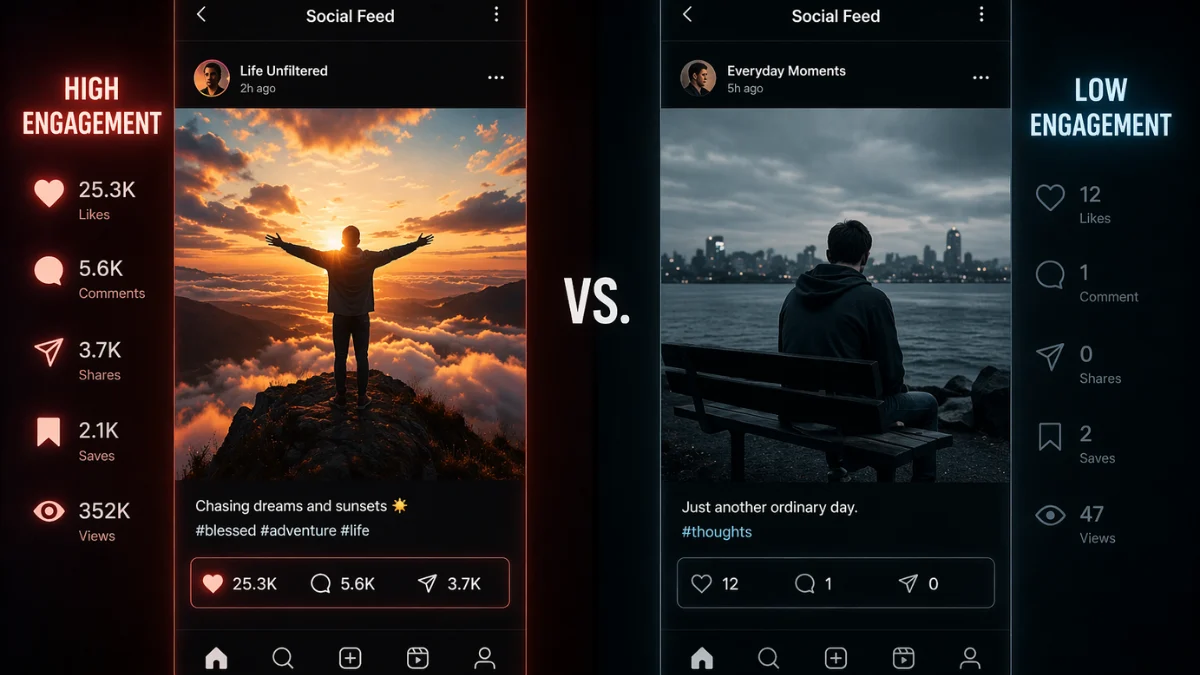
Scroll through any social platform, and you’ll see it everywhere. Carefully curated “day in my life” reels. Aesthetic morning routines filmed from three angles. Emotional monologues delivered directly to the camera. These aren’t just moments being shared—they’re moments being staged, framed, and broadcast as if they belong in a film.
Social media didn’t create this mindset, but it gave it structure. It turned self-perception into content.
And content, in turn, became identity.
[caption id="attachment_10165" align="alignnone" width="1200"] Main Character Syndrome visual of person feeling like protagonist in a busy city[/caption]
Why Main Character Syndrome Feels So Natural
To dismiss Main Character Syndrome as mere narcissism would be too simplistic—and frankly, inaccurate. The appeal runs deeper, rooted in psychology.
Human beings naturally organize their experiences into stories. It’s how we make sense of chaos. Seeing yourself as the “main character” provides clarity. It adds coherence to everyday life, making even mundane routines feel purposeful.
There’s also control. In a world that often feels unpredictable, framing your life like a narrative gives you a sense of authorship. You’re not just reacting—you’re “developing.”
For younger generations, especially those growing up online, this mindset isn’t even a conscious choice. It’s the default. When your life is constantly documented, edited, and shared, it’s hard not to internalize the idea that you are, in fact, the story.
When Main Character Syndrome Crosses the Line
There’s a subtle but important shift that happens when Main Character Syndrome moves from internal storytelling to external behavior.
It begins with small things—prioritizing aesthetic over authenticity, choosing moments based on how they’ll look online rather than how they feel in real life. But over time, it can distort relationships.
If you are always the protagonist, what does that make everyone else?
Side characters. Supporting roles. Background noise.
That perspective can quietly erode empathy. Conversations become performances. Experiences become content opportunities. Even emotional struggles risk being framed for audience engagement rather than genuine reflection.
In extreme cases, it creates a disconnect between perception and reality. Life starts being lived for the “scene” rather than the substance.
The Business of Being the Main Character
There’s another layer to this phenomenon—one that goes beyond psychology and enters the realm of economics.
The internet rewards visibility. Platforms are designed to amplify personalities that feel compelling, relatable, or aspirational. And nothing is more compelling than a well-crafted narrative.
This is where Main Character Syndrome intersects with the creator economy.
Influencers, content creators, and even everyday users are incentivized to position themselves as central figures. The more engaging the story, the higher the reach. The higher the reach, the greater the monetization potential.
In that sense, the “main character” mindset isn’t just a personal choice—it’s a strategic one.
But it comes with a cost. When identity becomes tied to performance, authenticity becomes harder to maintain. The line between real life and content blurs, often leaving individuals unsure where one ends and the other begins.
Why Main Character Syndrome Is Trending Right Now
Timing matters. The rise of Main Character Syndrome isn’t random—it reflects broader cultural shifts.
First, there’s the attention economy. Every scroll, like, and share reinforces behavior. Being visible feels valuable.
Second, there’s a growing emphasis on individuality. Modern culture encourages self-expression, personal branding, and standing out. The idea of being “ordinary” feels almost undesirable.
And then there’s isolation. In a post-pandemic world, many people are still recalibrating their sense of connection. When real-world interactions shrink, digital narratives expand.
Put all of this together, and the result is predictable: a generation more aware of its own narrative than ever before.
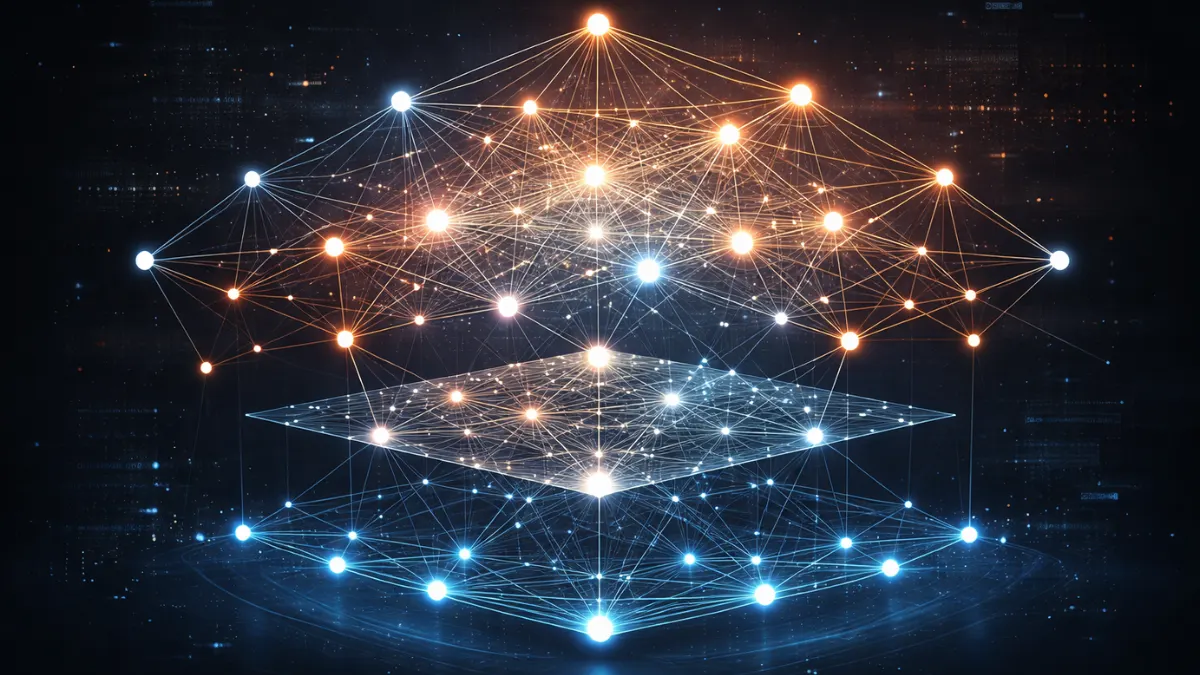
[caption id="attachment_10167" align="alignnone" width="1200"] Main Character Syndrome and social media reality vs perception[/caption]
The Psychological Trade-Off
Interestingly, Main Character Syndrome can be both empowering and exhausting.
On one hand, it encourages self-awareness. It pushes people to see their lives as meaningful, to pursue growth, to find beauty in everyday experiences. That’s not inherently negative.
On the other hand, it creates pressure.
If your life is a story, it needs to be interesting. If you’re the main character, you need to evolve, achieve, transform. There’s an unspoken expectation to constantly “level up.”
And when life inevitably slows down—as it often does—the contrast can feel disappointing. Ordinary moments, once accepted as part of life, start to feel like narrative gaps.
That’s where dissatisfaction creeps in.
Reframing the Narrative
The question isn’t whether Main Character Syndrome is good or bad. It’s how it’s being used.
There’s a healthier version of this mindset—one that embraces self-focus without losing perspective. Seeing yourself as the main character doesn’t have to mean diminishing others. It can simply mean taking responsibility for your own growth.
But it requires balance.
Recognizing that everyone else is also living a fully realized story. That every “extra” in your frame is the protagonist of their own life.
It sounds obvious, but it’s a perspective that often gets lost in digital spaces.
Where This Is Heading
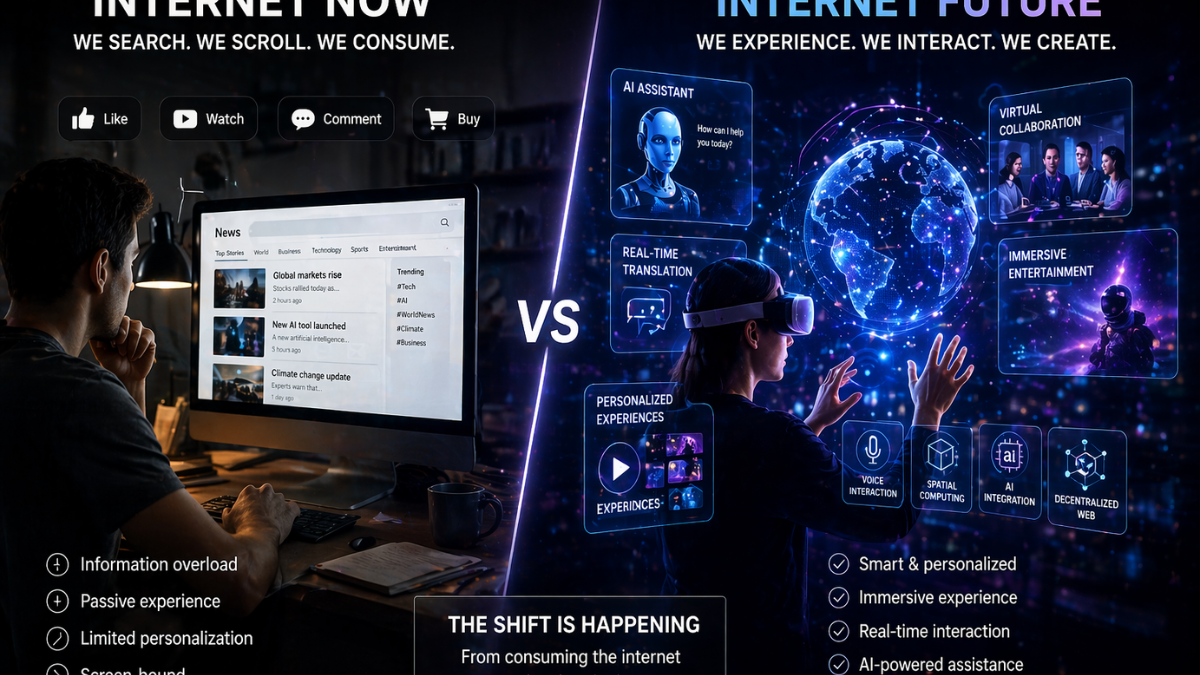
As technology continues to evolve, the concept of self will evolve with it. With AI-generated content, virtual identities, and increasingly immersive platforms, the idea of being a “main character” could become even more pronounced.
We may see people managing multiple narratives—different versions of themselves across platforms. Personal branding could become more layered, more intentional, more strategic.
But there’s also a counter-movement building.
A shift toward authenticity. Toward slower content. Toward moments that aren’t optimized for engagement.
Because eventually, the performance becomes tiring.
And when that happens, reality starts to feel more valuable than the storyline.
[ruby_related heading="More Read" total=5 layout=1 offset=5]Conclusion
Main Character Syndrome isn’t just a passing internet trend—it’s a reflection of how modern life is being experienced, interpreted, and shared.
It reveals something fundamental: people want their lives to feel meaningful.
The challenge is ensuring that meaning isn’t reduced to visibility.
Final Insight
The real test of Main Character Syndrome isn’t whether you see yourself as the protagonist. It’s whether you can hold that belief while still recognizing the depth of everyone else’s story.
Because life isn’t a single narrative.
It’s millions of overlapping ones—and none of them are background. Stay Informed Stay Update-The Vue Times
Frequently Asked Questions
What is Main Character Syndrome?
Main Character Syndrome is a mindset where a person sees themselves as the central figure in life, often framing experiences as part of a personal narrative or story.
Is Main Character Syndrome a mental disorder?
No, it’s not a clinical condition. It’s more of a behavioral or cultural trend influenced by social media and self-perception patterns.
Why is Main Character Syndrome trending?
It’s driven by social media culture, the rise of personal branding, and the desire for individuality and visibility in the digital age.
Is Main Character Syndrome harmful?
It can be if it leads to lack of empathy or constant comparison. However, in moderation, it can also promote self-awareness and personal growth.
How can you avoid negative effects of Main Character Syndrome?
By staying grounded in real-life relationships, practicing empathy, and not measuring your life solely through online validation.








Comments (0)