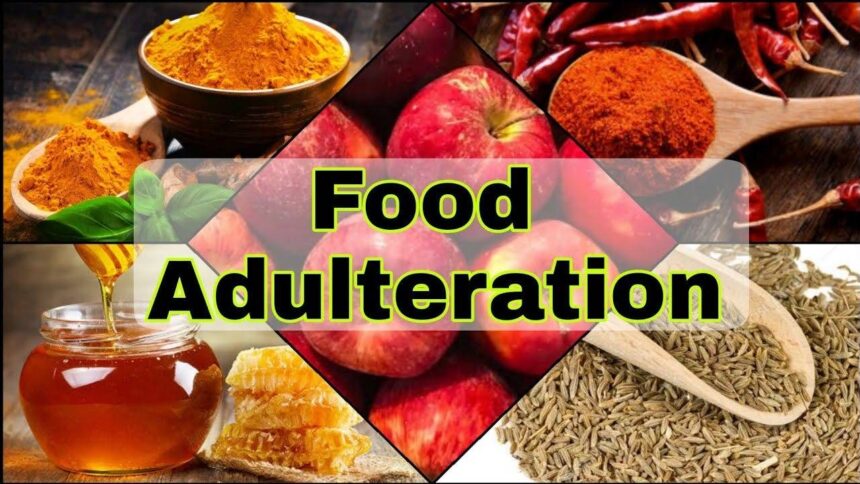
Food is among the most fundamental needs of life–but even this fundamental need is more and more being undermined in India. Thousands of news items surface regularly each year concerning adulterated milk, spices, counterfeit ghee, watered down oils, and chemical mixed veggies as well as synthetic food coloring in all the sweets relating to snack foods and the streets. Most people know that there is a problem of food adulteration, but few know the depth of this issue, the level of harm that it is potentially affecting them, whether this issue is on the rise, and, most crucially, how an average consumer can combat it.
This critical examination of the food adulteration crisis in India examines each facet of the problem; its historical trends, why adulteration is becoming widespread, the health risks of adulterant consumption, practical examples of the issue across India, the role of FSSAI in dealing with the problem, the statistics, and how any citizen can report the issue and actually create a difference.
As cases of this crisis continue to alarm every year, it is no longer a matter of choice; but a survival measure.
Why Food Adulteration Has Become the Silent Epidemic in India
Adulteration of food is not a new concept in India. In ancient times such small-scale adulteration as adding water to milk or stones to grains could be observed in local mandis and bazaars. The contamination of the present is more lethal and advanced. The modern versions of adulteration include factory-grade chemicals, poisonous dyes, recycled oil, synthetic powders and even man-made fake foods that appear natural, but are so deadly.

What is worse is that the crisis is invisible. Adulterated food may appear to be fresh, smell usual, and taste something common, unlike contaminated water or apparently corrupted vegetables. This gives the illusion of safety.
In a country where millions of people depend on loose unorganized retail markets, unpackaged goods and street food, exposure is far greater. According to the publication of the National Surveillance Sampling Data by FSSAI, 23 percent and above sample of food tested in India is substandard or unsafe. In 2023 itself, thousands of samples did not pass quality checks like milk that is contaminated with urea or spices contaminated with Sudan dye.

The actual question is: How did adulteration get so large? And why now?
To interpret this we must discuss the socio-economic, regulatory, technological, and supply-chain forces behind the crisis.

The 12 Key Drivers You Should Know Why Food Adulteration in India Is on the Increase
The food adulteration issue in India is not suggestive of one thing- it is the result of the combination of economic pressure, system failures, poor enforcement, and consumer behaviour. These are the most significant reasons:
High Demand, Low Supply
In the case of short supply of basic commodities such as milk, edible oils, dal, or spices, unscrupulous players could make a good gain by stretching or replacing products.
For example:

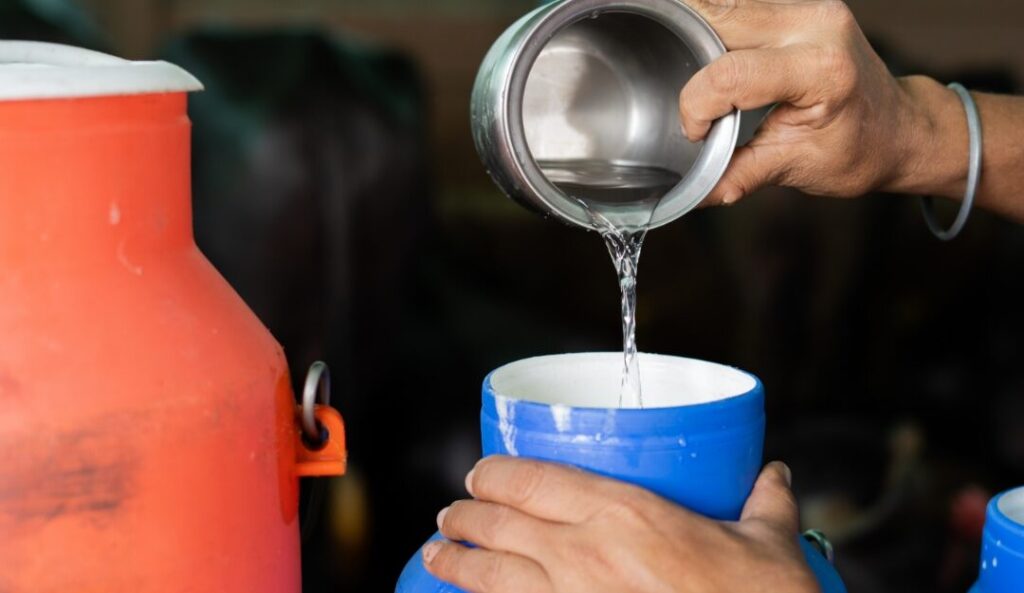
- Water in milk
- Powdered starch in paneer
- Palm oil mixed into desi ghee
- Low-grade recycled oil was used as fresh.
Price Pressure on Retailers
When customers insist on less expensive products, there are other sellers who cut on quality. This is especially common in:
- Sweets during festivals
- Spices in bulk markets
- Local suppliers of milk.
- Street food oils
Insensitivity of the Consumers
Some do not even acknowledge adulteration as they encounter it.
For example:
- Red chilli powder (it is bright red and is frequently artificial color)
- Silvey vegetables (wax or chemical spray)
- ribbed bananas (carbide-ripened)
- Bubbly milk (little traces of detergent)
Lack of Strong Supply Chain Monitoring
India boasts a giant highly fragmented food supply chain.
Risk of adulteration exists at all levels such as farmer, supplier, wholesale market, retailer.
Rising Profit Motives
Adulteration of food is very cheap and lucrative. The profit in milk may be 10 rupees in case 1 rupee of water is added. Replacement of pure ghee with cheap palm oil augments margins tremendously.
Spikes during Festival and Seasonal Times
Sweeteners, Ghee, paneer and spices are in high demand during Diwali, Holi, Eid which is seasonal because of wedding and Durga Puja.
The result of this is the enterance of contaminated khoya, colors, and artificial flavours into the market.
Less Incoming Inspectors
As data provided in PIB releases suggest, India continues to have a poor ratio of food inspectors per population. This complicates regular supervision.
Unhealthy Practices in Small Stores.
Small vendors often use:
- Recycled oil
- Unclean storage containers
- Expired raw ingredients
Introduction of Pure Ingredients is Costly
Consumers might not be willing to pay ₹600-900/kg on high quality ghee, which will are obliging to adulterate.
Uncomplicated access to Chemicals
Markets are easily supplied with industrial chemicals used in coloring or thickening.
Less Severe Sanctions and Delays in court
There are laws but there is low enforcement. Numerous criminals escape punishment over a period of time.
Consumer Mindset: “Chalta Hai”
Most will not complain because they believe that no action can change anything- this gives adulteration a free hand.

What Is Food Adulteration? Clearly Demystified with illustrations
Food adulteration refers to a deliberate decrease in the quality of food so that illness causing, cheap, or unnecessary substances are incorporated. This includes:
Types of Adulteration that are common in India
- Mixing – water in milk, chilli – powdered in the bricks.
- Substitution – ghee by palm oil.
- Chemical contaminants – urea in milk, detergents, boric acid.
- Sordid contamination – insects, fungus, grains worms.
- Misbranding – counterfeit labels, counterclaims.
- Metal toxicity – arsenic, lead, mercury.
- Food color adulteration – textile dyes, poisonous coloring agents.
Adulteration of food is rampant in almost every category in India.
What has Gone Real Life That demonstrate how serious the issue has become
Case 1: North Indian Adulteration of milk.
Various raids in Uttar Pradesh have revealed milk factories that were synthesizing milk using:
- Shampoo
- Urea
- Detergent
- Refined oil
- Starch
There were skin rashes and stomach diseases reported by local villagers. But such milk was being sold in the street.
Case 2: Case of Spice Crisis in Rajasthan.
At Jodhpur a part of several tons of spices was discovered mixed with:
- Sawdust
- Brick powder
- Coal tar dye
- Toxic Sudan dye
This packaging and sale of these spices was going on throughout the country.
Case 3: Synthetic Sweets on Festival Season.
FSSAI found that there was wide use of:
- The artificial silver foil (manufactured out of aluminum)
- Industrial colors
- Cheap oils
- Stale khoya
Numerous sweets had non-edible metallic foils, which have the potential to cause serious damage to the organs.
Case 4: Re-use of Oil in Well-known Food Streets.
A survey conducted in the metro areas revealed that approximately 70% of roadside vending establishments used cooking oil more than once, which adds to trans-fat and carcinogen amounts.
This trend is evident in these instances: contamination is present on all levels, even on production, even in all of the key aspects of food production.

The Health Secrets: What Your Food is Secretly Doing to You
Some consumers do not realize the health influence.
However, contaminated food may due to:
Short-Term Risks
- Nausea and abdominal disorders.
- Headaches
- Burning sensation in throat
- Allergies & rashes
- Diarrhoea and dehydration
Long-Term Health Damage
- Damage to kidneys (of milk urea)
- Toxic dyes cause liver failure.
- Cancer (because of Sudan dyes, adulterated oils)
- Neurological (heavy metals in spices) problems.
- Problems with reproductive health.
- Hormonal imbalance
The worst adulterants in India
- Sudan dye (carcinogenic)
- Metanil yellow (toxic to nerves)
- Argemone oil (causes dropsy)
- Industrial starch
- Fruit is ripened by the use of calcium carbide.
- Formalin (preserves fish)
The crisis is even more pressing when you understand the extent of potential harm to health that can be caused.
The Response of FSSAI: Major Policies, Crackdowns and Data
The main regulator which guarantees the food quality is the Food Safety and Standards Authority of India (FSSAI). It operates a number of programs, despite lack of resources:
State Food Safety Index
This ranks states on:
- Surveillance
- Testing
- Compliance
- Food safety standards
FoSTaC Training
Over 1.7 lakh food safety supervisors trained.
Infrastructure Development on Food Testing.
India now has:
- 200+ state-of-the-art labs
- Mobile food testing vans
- Enhanced standards of accreditation.
Drives Surveillance at Festival Season
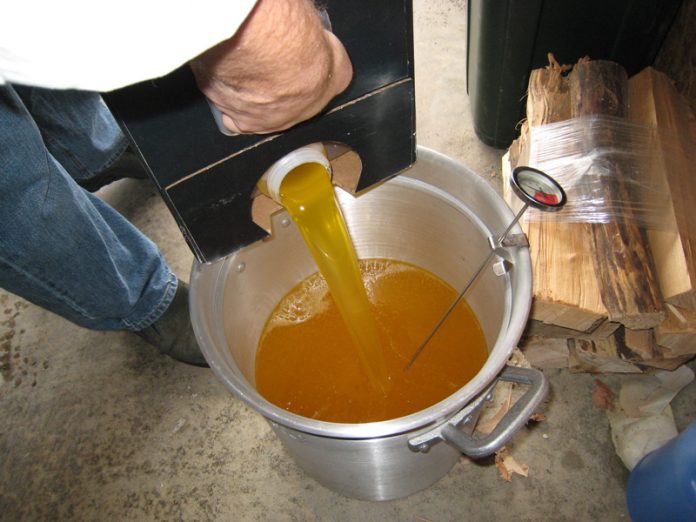
Thousands of sweets, ghee and milk samples are put in place every festival season. The fines, license cancellation, and closures can be applied.
“Eat Right India” Movement
Targeted at food hygiene, reduced trans-fats and awareness among consumers.
Food Seller E-commerce Crackdowns.
Sampling of online groceries and cloud kitchens regularly.
Mandatory Licensing
All the operators of food businesses are required to be registered by FSSAI hence traceable.
Nevertheless, this has been made better but still a challenge in implementation because of the large population of India and decentralized food supply mechanisms.
India How to Report Food Adulteration: A Practical Guide.
In case you feel there is some adulteration, you can do something right away. Grievances are not ignored and you do not require evidence.
Where you can complain:
- Food Safety Officer of yours.
- Grievance redressal divides of FSSAI ( official app/helpline)
- Ministry of Health and Safety.
- Health department in the local municipal corporation.
- Consumer Court / Consumer Helpline.
The National Consumer Helpline (NCH) is a consumer support organization based in the United States of America. National Consumer Helpline (NCH) is a consumer support group situated in the United States of America.
Steps You Can Follow
- Keep the product aside.
- Record the name of the shop, date, and information.
- Make simple photographs (not necessary, yet useful).
- File complaint- less than 2 minutes.
- The government dispatches a sample collector.
- In case of adulteration, the punishment will be:
-
- Fines
- License cancellation
- Criminal action
Your single complaint can stop adulterated food for hundreds of families.
Protecting Your Family Against Adulterated Food: Basic Prevention
Shop in reputable outlets, and not strangers.
Established outlets are ruled by more regulations.
Too-bright or shiny food should be avoided.
Squeer polished vegetables = chemical spray.
Too-red chilli powder = artificial dye.
Check FSSAI License Number on canned products.
Use spices in their entire form and not in powder form.
Do not purchase sweets when there is a high season in the festival.
The demand is so high; adulteration peaks.
Smell, feel, and see and then purchase.
The first safety test is the senses.
Do not go to groceries that are heavily discounted.
At home: simple tests
Common adulterants may be tested with the help of water tests, scent tests, and grain purity tests.
Eat seasonal, local foods
Make children discourage colored snacks.
They usually have synthetic colours.
The Future of India Food Adulteration Crisis
India has progressed towards greater food control but it has its obstacles.
Adulteration can be significantly minimized with increased awareness, tougher legislation, traceability over the digital realm and consumer action.
Favorable Future projections.
- Traceability of blockchain in the supply chain.
- Food quality testing devices based on AI.
- More mobile labs
- Harsher penalties
- Consumer awareness is higher.
- Clean-label products
- Eat right Campus efforts.
None of this will be effective without consumer involvement, however, they need to report bad food, demand higher quality and not patronize those shops that put their lives in danger.

What You Can do to combat Food Adulteration in the current day
- Watch, watch, watch, watch textures, colors, smells.
- Only use reputable sellers -do not use strangers.
- Report all cases of suspicions– your move is important.
- Train family and community- awareness works.
- Opting to have home-cooked meals would be good- minimizes exposure.
- Check FSSAI numbers frequently – makes sure that it is compliant.
- Be careful of the cheap deals, cheap prices are usually cheap products.
- Basic adulteration Practice home tests are simple to detect.
- Adhere to the eating patterns of the seasons – minimizes unnatural activities.
- Certified vendors supported – maintain safety standards.
When all the citizens make little steps, the overall effect will be huge. The clean, pure and honest food that we demand starts with our kitchens, our markets and our decision to demand clean food.