Friday, 17 Jul 2026

Exclusive insights, data, and analysis for financial market experts.

Explore Now
The Vue Times
  • TVT +
  • India / National
  • Latest
  • Daily News
  • Business & Economy
  • India News
  • General Awareness
  • Viral / Trending Now
  • Politics
The Vue TimesThe Vue Times
Font ResizerAa
  • Home
  • Blog
  • Contact
Search
  • Home
  • Blog
  • Contact
Follow US
FoodLifestyle & Culture

How Food Reflects the Culture of India: A Delicious Cultural Journey

Riya Mehta
Last updated: July 3, 2026 5:50 am
Riya Mehta
Share
4 Min Read
SHARE

Introduction: The Deep Connection Between Indian Food and Culture

India is a land of vivid diversity, and its cuisine is a powerful reflection of its cultural heritage, regional identities, and spiritual beliefs. From the fiery curries of the south to the rich gravies of the north, Indian food is not just nourishment—it’s a cultural expression. Every dish tells a story of tradition, religion, geography, and history.

Contents
Introduction: The Deep Connection Between Indian Food and Culture1. Regional Diversity in Indian Cuisine2. Food as a Symbol of Tradition and Ritual3. Influence of Religion on Indian Food4. Spices: The Soul of Indian Cuisine5. The Social Aspect of Eating in India

In this blog, we will explore how food reflects the culture of India, its deep-rooted symbolism, and why Indian cuisine is considered one of the most vibrant and diverse in the world.

1. Regional Diversity in Indian Cuisine

One of the most striking aspects of Indian food is its regional variation. Each state—and sometimes each city—has its own unique culinary identity.

  • North India: Known for wheat-based staples like roti, naan, and paratha. Dishes such as butter chicken, rajma, and biryani reflect Mughal influence and a love for creamy textures and rich spices.

  • South India: Features rice-based dishes like dosa, idli, and sambhar. Coconut, tamarind, and curry leaves dominate the flavor profile.

  • East India: Bengali cuisine is famous for its sweets like rasgulla and mishti doi, along with fish curries flavored with mustard.

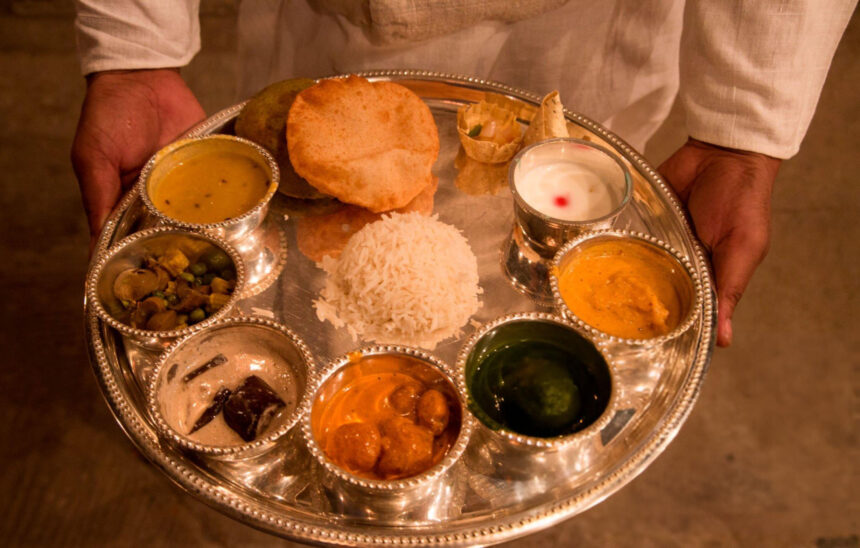
  • West India: Gujarati thali, Rajasthani dal baati churma, and Goan seafood represent the spectrum of flavors from sweet to spicy to tangy.

2. Food as a Symbol of Tradition and Ritual

Food plays a central role in Indian traditions and festivals. Whether it’s Diwali, Holi, or Eid, the celebration is incomplete without traditional dishes.

  • Prasadam in temples is offered to deities and then shared with devotees.

  • Satvik food is consumed during fasting and religious events, reflecting purity and discipline.

  • Special sweets like laddoos and barfis are made on auspicious occasions.

This ritualistic use of food reflects India’s spiritual connection with what it consumes.

3. Influence of Religion on Indian Food

India’s religious diversity significantly shapes its food habits.

  • Hinduism: Encourages vegetarianism; many Hindus avoid beef.

  • Islam: Followers eat halal meat and avoid pork.

  • Sikhism: Langars (community meals) serve simple, vegetarian food to all.

  • Jainism: Strictly vegetarian and avoids root vegetables to prevent harm to microorganisms.

Religion determines what is eaten, how it’s prepared, and even how it’s served, showcasing the intertwining of faith and food in Indian culture.

More Read

Top 5 Cities in India for Solo Travelers (2025 Guide)
Agartala–Bagdogra Flights Begin Soon Easier Darjeeling Trips
How Kashi and Kedarnath Temple Cities Are Evolving Today
Indian Festivals in 2025 – Eco-Friendly Celebrations
Remote Work & Digital Nomad Life in Offbeat Indian Destinations Cost, Stay & Connectivity

4. Spices: The Soul of Indian Cuisine

Indian cuisine is known for its bold and aromatic spices. But these spices are not just for flavor—they carry cultural and medicinal significance.

  • Turmeric is considered sacred and is used in rituals and Ayurvedic medicine.

  • Cardamom, cinnamon, cumin, and cloves are essential to both cooking and healing.

Spices in Indian food reflect a blend of culinary wisdom and ancient medicine, passed down through generations.

5. The Social Aspect of Eating in India

In India, eating is often a shared experience, not just an individual activity.

  • Family meals are central to daily life.

  • Serving guests with warmth is part of Indian hospitality, or Atithi Devo Bhava (Guest is God).

  • Meals are served on banana leaves or steel thalis, encouraging eco-friendliness and a sense of tradition.

The act of eating together reinforces family bonds and social harmony, making food a cultural connector.


You Might Also Like

Festive Recipes 2025: Must-Try Sweets & Snacks for Karwa Chauth, Dhanteras & Diwali
Somnath Swabhiman Parv 2026: A Millennium of Faith and India’s Civilisational Spirit
Chhath Puja: Origin, Rituals & Story of Devsena
Chenab Bridge and Tourism: How This Icon Transforms Jammu & Kashmir’s Economy
Rajpura–Mohali Rail Link Approved, Ferozepur Vande Bharat
Share This Article
Facebook Copy Link Print
3kFollowersLike
5kFollowersFollow
2kFollowersFollow
4.2kSubscribersSubscribe
WhatsAppFollow
2.5kFollowersFollow
Most Read
AI governance

AI Governance: 5 Powerful Decisions Shaping the Future

Ebola

Ebola Treatment Trial: 5 Hopeful Breakthroughs in 2026

El Niño

Super El Niño: 5 Dangerous Global Impacts Scientists Fear

Retro web design

Retro Web Design UI: 7 Powerful Trends Making a Comeback

IMD Rain Alert

IMD Rain Alert Reveals Fresh Monsoon Risks Across India

You Might Also Like

Air pollution in Indian cities showing thick smog affecting daily life
Business & Economy

Pollution Is Everyone’s Problem: How Indian Citizens Can Protect Themselves

July 3, 2026
Food

10-Minute Meals for Busy Travelers: Eat Well on the Go

July 3, 2026
Police and forensic teams inspecting the burnt interiors of the nightclub in Goa
Crime & Law

Goa Nightclub Fire Case: Luthra Brothers Held in Thailand

June 29, 2026
Runway model at Milan Fashion Week wearing Indian-inspired fashion without cultural credit
Culture and Heritage

How Milan Fashion Week Copied Indian Culture Without Giving Credit

July 3, 2026
The Vue Times

About US

The Vue Times is a modern digital news platform dedicated to delivering accurate, timely, and insightful coverage of the stories that matter. From breaking news and business updates to technology, lifestyle, entertainment, and global affairs, we strive to keep our readers informed with credible journalism and balanced perspectives.

Top Categories
  • Bollywood
  • Business & Economy
  • Crime & Law
  • Daily News
  • Education & Career
  • Entertainment
  • Health & Wellness
  • India / National
Usefull Links
  • Home
  • Blog
  • Contact
  • Privacy Policy
  • Cookie Policy
AI governance
Health & Wellness

AI Governance: 5 Powerful Decisions Shaping the Future

Read More
Ebola
Health & Wellness

Ebola Treatment Trial: 5 Hopeful Breakthroughs in 2026

Read More

© The Vue Times. All Rights Reserved.

Welcome Back!

Sign in to your account

Username or Email Address
Password

Lost your password?