

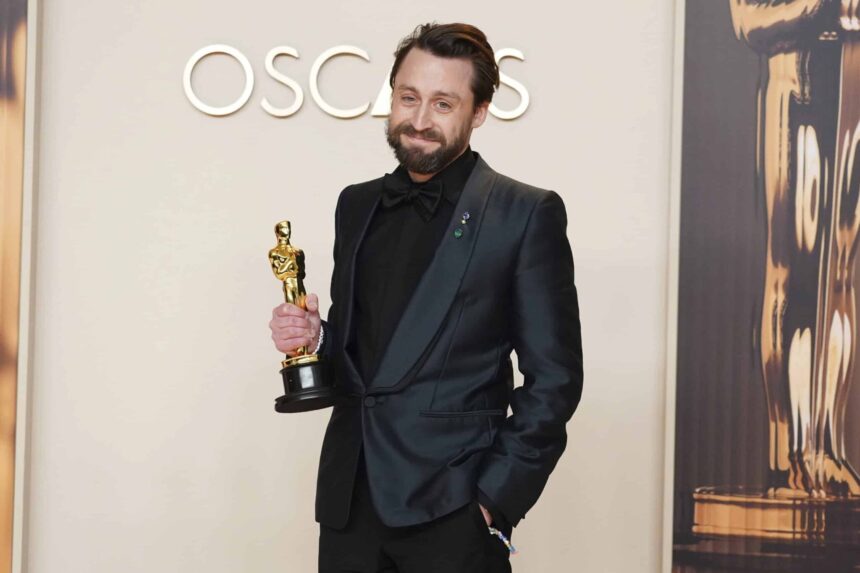
For more than a century, the Academy Awards have been the glittering pinnacle of cinematic achievement—an event that promises glamour, debate, and the occasional gasp of surprise. Yet the Oscars are never simply a reflection of filmic art; they are a barometer of the cultural currents that sweep through society. Each year the Academy’s choices reveal what the industry—and the wider public—values, who is allowed to speak, and which stories are deemed worthy of immortalization on the silver screen. As society moves from the civil‑rights era to the digital age, the Oscars have evolved in tandem, and they continue to do so in ways that keep the ceremony as relevant (and as controversial) as ever.
The Studio System and the “Golden Age” (1920s‑1940s)

The first Oscars, held in 1929, were a celebration of the burgeoning studio system—a world dominated by a handful of powerful studios (MGM, Warner Bros., Paramount, RKO, and others) that controlled everything from production to distribution. The early winners were largely “big‑budget” productions that reinforced prevailing social mores. Think of Gone with the Wind (1939) or The Wizard of Oz (1939). These films, while technically brilliant, were palatable to a largely white, male audience, and they rarely challenged the status quo.
The studios’ influence was so great that the Academy’s early awards could be seen as a reinforcement of a cultural hierarchy that favored Hollywood’s own elite. The award for Best Picture, for example, was conferred on films that displayed the studio’s brand of polished storytelling—a tool for shaping public perception rather than a showcase of artistic risk.
The Rise of Social Consciousness (1960s‑1980s)
The 1960s and 1970s ushered in a wave of social activism and a challenge to the Hollywood status quo. The civil‑rights movement, the Vietnam War, and the counter‑culture changed the national conversation. Films like The Godfather (1972) and One Flew Over the Cuckoo’s Nest (1975) presented grittier, more nuanced portraits of American life. However, mainstream “Best Picture” nominees still largely represented white, male-centric narratives.
The Academy began to notice, albeit slowly, the need to acknowledge stories that reflected America’s diversifying demographic. In 1981, Chariots of Fire won Best Picture, a film that celebrated an African‑American athlete’s triumph in a predominantly white sport, signaling the Academy’s willingness to entertain more diverse protagonists—though the story was still told through a white perspective.
The Independent Wave and Globalization (1990s‑2000s)
The 1990s were dominated by the “independent” film movement, fueled by a wave of directors who sought creative autonomy and audiences who craved authenticity. Pulp Fiction (1994) and The Shawshank Redemption (1994) captured the zeitgeist; but even then, the Oscars clung to a legacy of “prestige” films that were often produced under major studio auspices.
With the advent of the internet and the rise of global communication, Hollywood began to look outward. In 1999, The Cider House Rules became the Academy’s first foreign‑film‑producer crossover win, paving the way for international filmmakers. The 2000s saw wider recognition of global narratives: Crouching Tiger, Hidden Dragon (2000) earned four Oscars, and The Departed (2006) demonstrated the Academy’s willingness to embrace cross‑cultural storytelling.
Streaming, Social Media, and the “New Hollywood” (2010s)
The 2010s marked a seismic shift in how films are distributed and consumed. Streaming platforms—Netflix, Amazon Prime Video, Hulu—became serious competitors to traditional studios. Netflix’s Roma (2018) won the Oscar for Best Director, validating the streaming model. Simultaneously, social media became a powerful lobbying tool; campaigns such as OscarsSoWhite (2015) highlighted the Academy’s racial blind spots and forced a public reckoning.
The decade also brought a new cultural dialogue to the forefront: representation, gender equality, and economic equity. Hidden Figures (2016) received critical acclaim for its focus on Black women scientists, and we saw increased female participation in key creative roles—yet the Academy’s numbers were still far from parity. The Oscars were forced to confront the question: Who gets to tell the story, and who gets recognized for telling it?
The Current Landscape (2020‑Present)

The COVID‑19 pandemic added a new layer of complexity to Hollywood. Release windows collapsed and Virtual Award ceremonies replaced red carpets. Yet the cultural shifts that had been building intensified. The Academy’s entire voting body has seen a diversification with the addition of new members from a variety of backgrounds, including Black, Asian, Latinx, and LGBTQ+ communities. In 2021, Nomadland became the first film directed by a woman to win Best Picture, a milestone that reflects both progress and the enduring resistance of the Academy to fully embrace gender parity.
In 2022, the Oscars introduced “Best Animated Short Film” and “Best Documentary Short Subject” to a larger spotlight, reflecting the Academy’s attempt to honor new storytelling mediums. Despite these expansions, the controversy over the “Oscars So White 2” meme, the repeated “Humphrey” moment, and the “gender parity” criticisms persisted, signaling that Hollywood’s new face is still negotiating its role as a cultural institution.
Cultural Shifts That Continue to Shape the Oscars
Intersectional Identity Politics
Hollywood is no longer wedded to a simplistic binary of race. Intersectionality—where a character’s gender, sexual orientation, disability, or class intersect—has become increasingly prevalent. Moonlight (2016) won Best Picture after an early fiasco, playing out a narrative about Black identity, masculinity, and sexuality. The Academy’s willingness to accept and celebrate intersectional narratives is a direct reflection of how culture has moved beyond single‑dimension representation.
Economic Realities and Streaming Dominance
The blockbuster model that once dominated Hollywood has been upended by streaming platforms that can up‑front fund global productions. The Irishman (2019) and The Crown (2020) have become cultural touchstones, but they also illustrate a new model: high‑budget, bingeable content with built‑in international audiences. The Oscars now have to decide how to treat streaming‑exclusive releases versus theatrical releases—something that will shape nominations for years to come.
Technological Innovation in Storytelling
From VR experiences to AI‑generated scripts, the way a narrative is constructed is evolving. In 2024, The Fifth Element: Echoes—an AI‑generated short film—was nominated for Best Short Film. The Academy’s openness to technological experimentation illustrates cultural shifts toward an acceptance of non‑human creativity. The question remains: Will the Oscars eventually have a category for “Best AI‑Directed Film”?
Globalization and Cultural Exchange
Hollywood is becoming a truly global industry. Directors from India, Nigeria, South Korea, and Brazil are no longer outsiders. Parasite (2019) broke the Best Picture award barrier for a non‑English language film in 2020, and Roma marked a turning point for Spanish‑language cinema. The Academy’s agenda now includes acknowledging the diversity of cultures beyond the American experience.
Social Movements and Public Accountability
The MeToo movement fundamentally altered the Oscars’ political climate. In 2019, actor Kevin Spacey was removed from All the President’s Men after allegations surfaced. The Academy’s reforms included new Code of Conduct and a “Harassment Prevention” policy. Public accountability now extends beyond box office numbers, with audiences demanding that the Oscars be a platform for justice.
Predicting the Oscars of Tomorrow
The Rise of “Hybrid” Releases
As streaming and theatrical releases converge, the Academy will have to adapt its Technical Qualification Standards. We may see a new “Hybrid Release” category to acknowledge films that are simultaneously streamed and exhibited in limited theatrical runs.
Inclusion of Digital-First Content
Shorts and micro‑films, often produced by independent creators and shared on platforms like TikTok and Vimeo, may find a new Oscars category—“Best Digital Storytelling”—to keep pace with the democratization of filmmaking.
Adaptive Voting Processes
The Academy’s membership must continue to grow in diversity. A more transparent and algorithmically aided voting system could reduce bias and give better representation to under‑represented voices.
Expanded International Recognition
We may see a shift from “Best International Feature” to “Best Global Narrative” to better reflect the transnational nature of many modern films.
Sustainability as a Criterion
Climate activism is no longer a niche concern. Future awards might include criteria that evaluate a film’s environmental impact—both in production and content—aligning the Oscars with global sustainability goals.

A Realistic Yet Hopeful Outlook
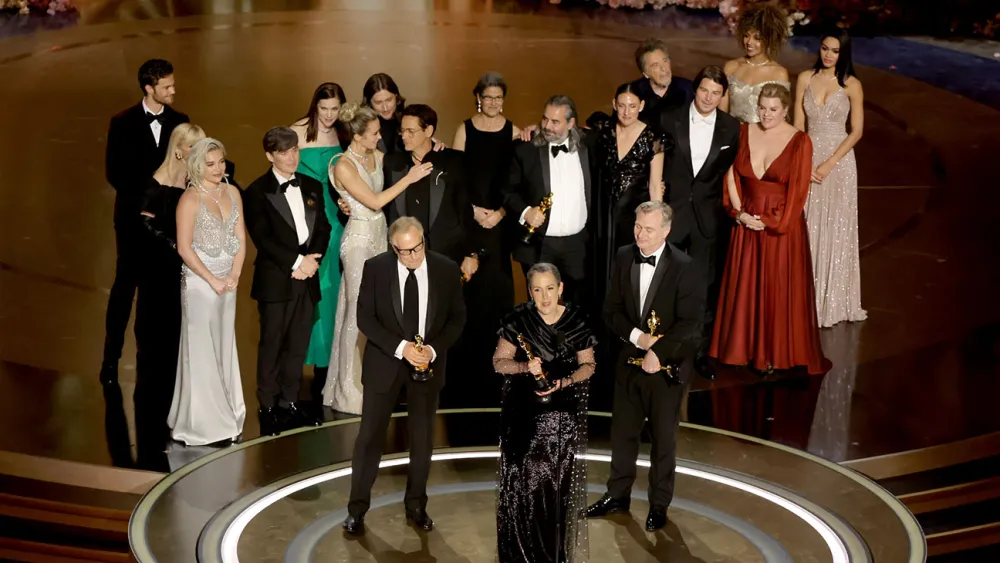
The Oscars have always been a mirror. In this reflection, cultural shifts are not merely background noise—they’re the lens through which stories are judged. The Academy’s current trajectory suggests a willingness to embrace transparency and inclusivity, a recognition of the multicultural tapestry that forms modern society. Yet the very nature of Hollywood’s power structure means the Oscars will continue to be a battleground for control over cultural narratives.
The question is not whether the Oscars will adapt but how quickly and thoroughly they will do so. Cultural shifts are accelerating: conversations about race, gender, sexuality, and global identity are not just trending topics—they’re becoming the core of our collective consciousness. Hollywood’s most prestigious award ceremony, therefore, stands at the crossroads of art and activism, commerce and conscience, tradition and transformation.
If the Oscars can successfully navigate this terrain, they will not only remain relevant but become a powerful tool for shaping a more inclusive, reflective, and global cinematic culture. On the other side of that crossroad, the Academy risks becoming a relic of the past—a “museum” of once‑acceptable stories.
Conclusion: Power in the Present, Promise in the Future
The Oscars have evolved from a celebration of the Studio System’s polished productions to a platform where social movements, technological innovation, and global narratives converge. Each cultural shift is not merely reflected in nominations or wins; it is a catalyst for the Academy’s internal evolution. From the early years of homogenized storytelling to the current era of intersectional drama, from the streaming revolution to the rise of AI in filmmaking, the Oscars have been and will continue to be a barometer of society’s most pressing conversations.
The future of the Academy will depend on its ability to maintain relevance while staying true to its core purpose: honoring cinematic excellence. In a world where cultural shifts are happening at an unprecedented pace, the Academy must become a living, breathing institution—one that not only recognizes but also amplifies the stories that shape our collective identity. If it can do that, the Oscars will continue to hold the power to define Hollywood’s narrative—and, by extension, the cultural narrative of our time.