NPC Streaming Meaning: Inside the Internet’s Strangest Performance Economy
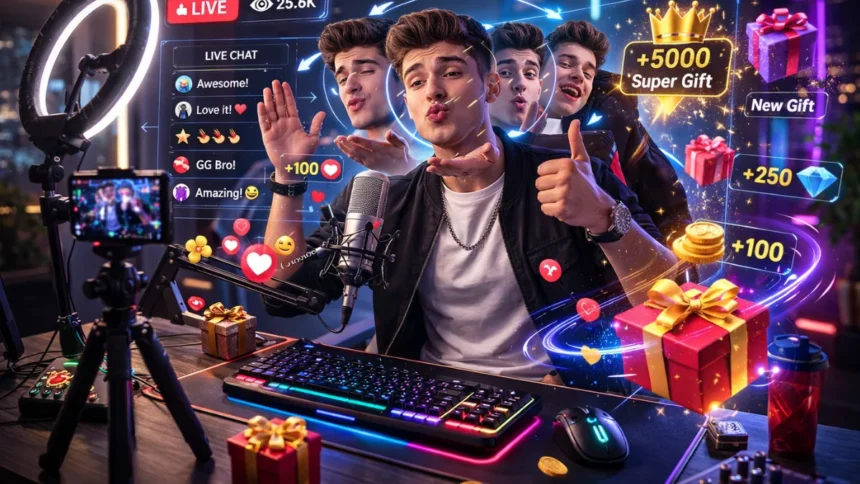
There’s a moment, somewhere deep in the endless scroll of short-form video, where reality begins to feel… slightly off. A creator stares into the camera, repeating the same cheerful line—“Yes yes yes!”—while mimicking robotic gestures, responding to digital gifts with scripted enthusiasm. It looks absurd at first. Then you realize thousands are watching. And paying.
This is where the NPC streaming meaning stops being a curiosity and starts becoming a phenomenon.
NPC Streaming Meaning: What It Really Is
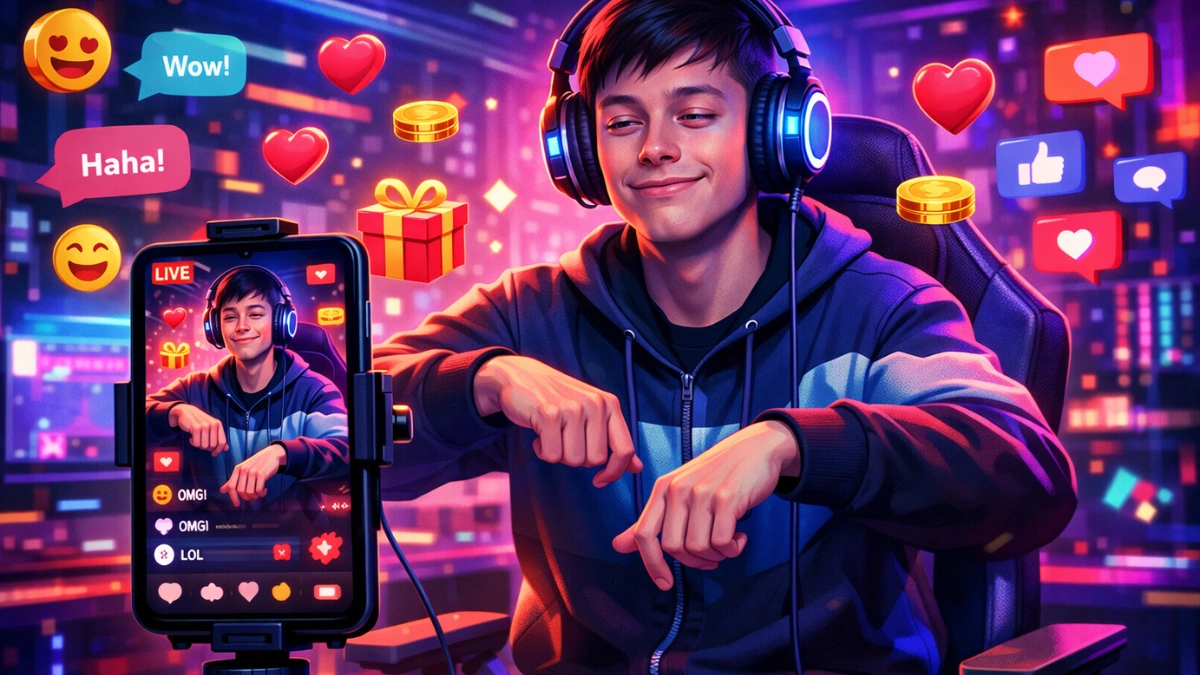
At its core, NPC streaming is a style of live content where creators behave like non-playable characters—the background figures in video games programmed to repeat phrases, gestures, or actions when triggered.
In livestreams, especially on platforms like TikTok, creators adopt exaggerated, looped responses. When a viewer sends a gift, the streamer reacts instantly with a pre-rehearsed line or animation. Think of it as a hybrid of gaming logic, performance art, and monetization strategy.

The key here isn’t realism—it’s repetition. Predictability becomes the product.
How It Went From Niche to Viral
NPC streaming didn’t emerge from nowhere. It grew out of internet subcultures that value irony, mimicry, and hyper-performative behavior
Short-form video platforms created the perfect environment:
-
Fast attention cycles
-
Gamified engagement (likes, gifts, reactions)
-
Algorithm-driven visibility
Once a few creators began experimenting with NPC-style interactions, audiences leaned in—not necessarily because it was meaningful, but because it was different. Strange, even uncomfortable content has always had viral potential.
And then came the tipping point: monetization.

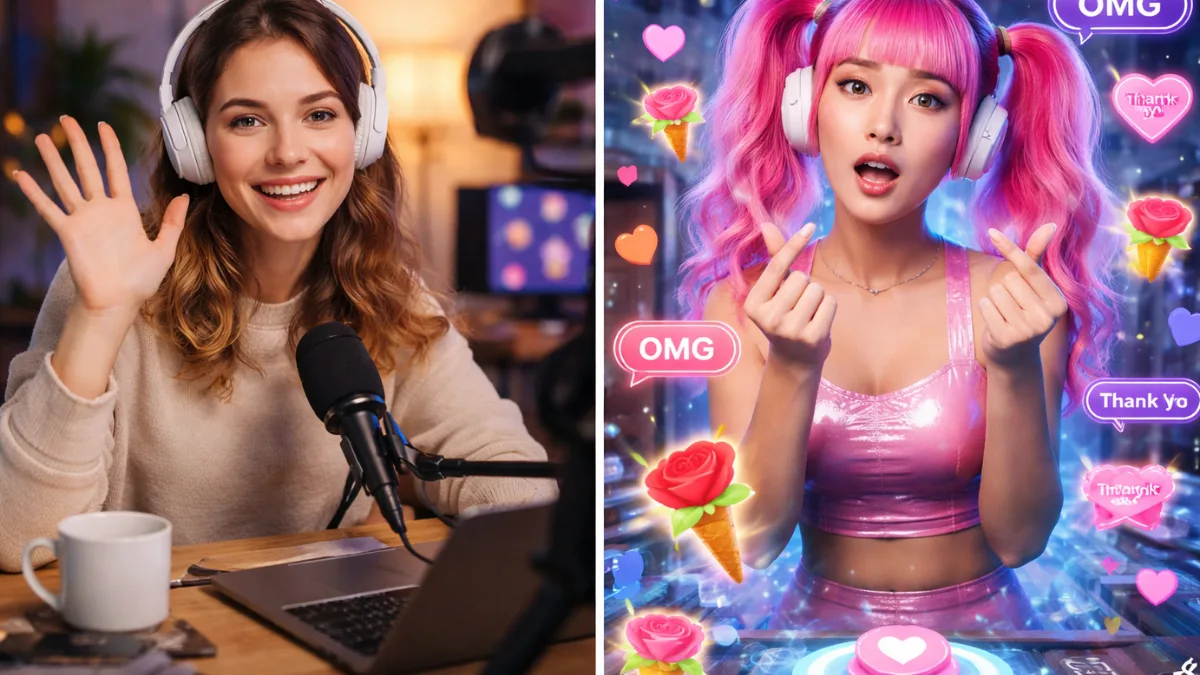
Viewers weren’t just watching; they were participating. Sending gifts became a way to “control” the streamer’s responses, turning passive consumption into interactive entertainment.
The Psychology Behind NPC Streaming Meaning
The appeal of NPC streaming is less about content and more about control.
There’s a subtle psychological loop at play:

-
Trigger → Response → Reward
A viewer sends a gift. The streamer reacts instantly. The viewer feels acknowledged. Repeat.
It taps into the same mechanisms behind video games and social media notifications:
-
Immediate feedback
-
Low effort participation
-
Micro-rewards
But there’s also something deeper—and slightly unsettling. NPC streaming blurs the line between human and programmed behavior. Watching someone intentionally act like a script challenges our expectations of authenticity online.
It raises a quiet question: if engagement is all that matters, does authenticity still hold value?
The Business of Acting Like a Bot
Strip away the novelty, and NPC streaming reveals itself as a highly efficient business model.
Creators who master the format can:
-
Monetize directly through virtual gifts
-
Maintain high engagement rates
-
Produce content with minimal variation
Unlike traditional influencers who constantly need new ideas, NPC streamers thrive on consistency. The repetition isn’t a limitation—it’s the product.
For platforms, it’s equally beneficial:
-
Higher watch time
-
Increased microtransactions
-
Stronger user retention
It’s a feedback loop where everyone—platform, creator, viewer—plays a role in sustaining the ecosystem.
NPC Streaming Meaning in the Context of Internet Culture
To understand why this trend resonates, you have to zoom out.
The internet has been moving toward performance over personality for years. From curated Instagram feeds to reaction videos, authenticity has often been secondary to engagement.
NPC streaming pushes this to an extreme. It doesn’t pretend to be authentic. It’s openly artificial.
And paradoxically, that’s what makes it compelling.
In a space saturated with “realness,” exaggerated artificiality becomes refreshing—or at least attention-grabbing.
The Criticism: Creativity or Digital Exhaustion?
Not everyone is convinced this is innovation.
Critics argue that NPC streaming reflects:
-
The commodification of attention
-
The reduction of human interaction into transactions
-
A growing disconnect between creators and genuine expression
There’s also concern about sustainability. Can audiences stay engaged with repetitive content indefinitely? Or is this another short-lived internet cycle?
More importantly, what does it mean for creators who feel pressured to perform in increasingly mechanical ways just to stay relevant?
Where NPC Streaming Might Be Headed
If current trends are any indication, NPC streaming isn’t disappearing anytime soon—it’s evolving.
Possible directions include:
-
Integration with AI-generated responses
-
More complex interactive systems
-
Cross-platform expansion into gaming and virtual spaces
The line between human performer and digital entity may continue to blur. What starts as mimicry could eventually become something closer to hybrid content—part human, part algorithm.
And as audiences grow more accustomed to this format, expectations may shift. The question won’t be whether it’s “real,” but whether it’s engaging.

Conclusion
NPC streaming isn’t just another fleeting internet trend—it’s a reflection of how digital culture is quietly rewriting the rules of attention, performance, and value. What began as a quirky imitation of video game behavior has evolved into a structured, monetizable format where predictability outperforms originality, and interaction often matters more than authenticity.
There’s something telling about an audience willing to pay not for creativity in the traditional sense, but for responsiveness, control, and repetition. It suggests that the modern viewer isn’t just consuming content—they’re seeking participation, even if it comes in the form of scripted reactions.
At the same time, NPC streaming exposes a tension at the heart of the creator economy. The more platforms reward engagement metrics, the more creators are nudged toward formats that are efficient rather than expressive. It’s less about storytelling and more about sustaining attention loops.
Whether this trend matures into a long-term content category or fades into the archive of internet oddities, its impact is already visible. It challenges long-held assumptions about what audiences value—and forces a reconsideration of what “authentic” even means in a space built on performance.
In the end, NPC streaming may not be about acting like a character at all. It may be about revealing how much of the internet already operates like one.
Final Insight
The NPC streaming meaning goes beyond quirky internet behavior. It reflects a deeper shift in how attention, interaction, and value are exchanged online. In a space where engagement is currency, even imitation can become a profitable identity.
CTA — The Vue Times
At The Vue Times, we decode trends before they become mainstream. Stay ahead of digital culture, media shifts, and internet economics—because understanding the trend today means navigating the future smarter.
Frequently Asked Questions
What is NPC streaming meaning?
NPC streaming refers to a content style where creators act like video game non-playable characters, responding to viewer interactions with repetitive phrases or actions.
Why is NPC streaming trending?
It combines entertainment with interactivity. Viewers can trigger responses through gifts, making the experience feel engaging and game-like.
How do NPC streamers make money?
They earn through virtual gifts sent by viewers during livestreams, which are converted into real income by the platform.
Is NPC streaming scripted?
Yes, most reactions are pre-planned. The repetition is intentional and designed to maintain consistency and engagement.
Is NPC streaming a long-term trend?
It may evolve rather than disappear. As platforms and technology advance, the format could become more interactive and integrated with AI.