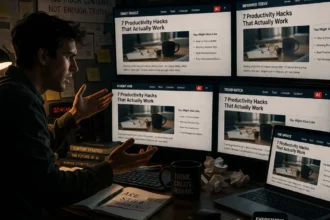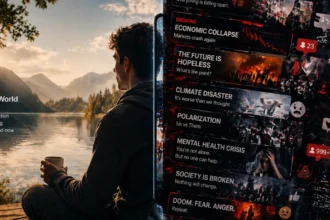

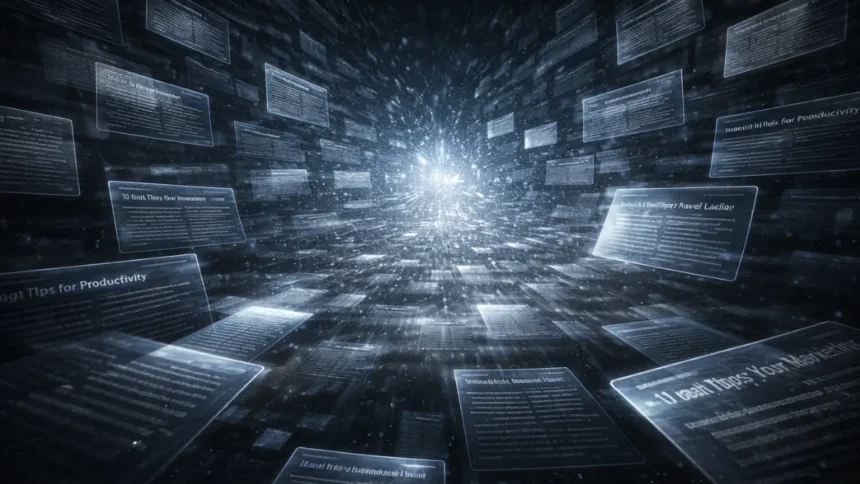
There’s a moment you’ve probably experienced but never quite named. You’re scrolling through your phone, reacting to content you’ve seen a hundred times before. Same jokes, same outrage cycles, same trends recycled with new filters. You pause—not because something surprised you, but because it didn’t. It felt… expected. Predictable. Almost pre-written.
That quiet realization is where the idea of NPC Energy begins to make sense.
Not as an insult. Not as a meme. But as a subtle diagnosis of how modern life is starting to feel.
What Is NPC Energy?
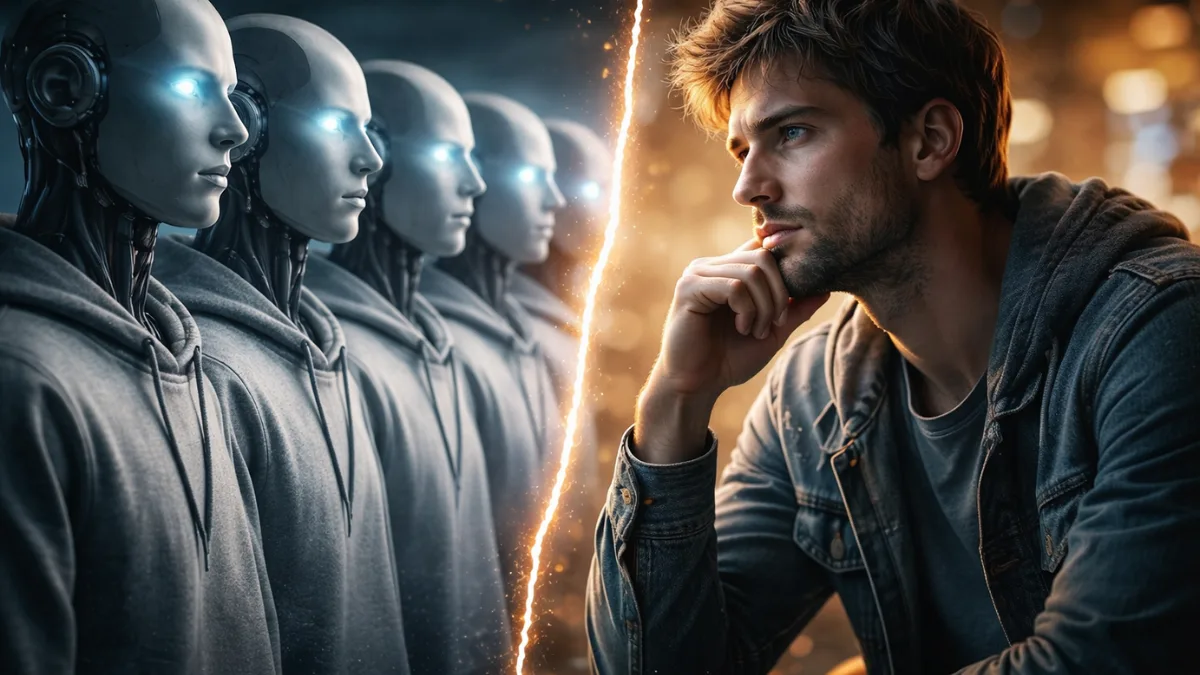
In gaming, an NPC—a non-playable character—is a background entity. It follows scripts, repeats lines, reacts in predictable ways. It exists within the environment, but it doesn’t shape it.
It’s not about intelligence or worth. It’s about awareness.
You see it in conversations where responses feel rehearsed. In online debates where everyone seems to be quoting the same talking points. In trends that spread so quickly they feel less like organic expression and more like collective imitation.
The phrase has become shorthand for something deeper: a growing discomfort with how predictable human behavior is becoming in a hyper-connected world.
The Rise of NPC Energy in Internet Culture
The internet didn’t create NPC Energy—but it amplified it.
Short-form content platforms have compressed expression into repeatable formats. Trends thrive on replication. Algorithms reward familiarity. Over time, originality becomes riskier, while imitation becomes efficient.
Scroll through any feed and you’ll notice patterns:
- The same reaction formats used by thousands of creators
- Identical captions phrased slightly differently
- Viral opinions repeated with minor variations
It’s not coincidence. It’s structure.
When platforms are designed to reward engagement over nuance, users adapt. They learn what works. They repeat it. And slowly, behavior becomes less exploratory and more optimized.
NPC Energy isn’t just a meme—it’s a reflection of that adaptation.
NPC Energy and the Psychology of Predictability
Humans are wired for patterns. It’s how we learn, survive, and make decisions quickly. But in digital environments, that instinct gets pushed into overdrive.
There’s comfort in predictability. Familiar formats reduce cognitive effort. Repeating what others say reduces social risk. Agreeing with dominant opinions offers a sense of belonging.
NPC Energy thrives in that comfort zone.
It shows up when:
- People echo opinions without questioning them
- Reactions become automatic rather than thoughtful
- Identity is shaped more by trends than by reflection
This doesn’t mean people are “mindless.” It means they’re adapting to environments that reward speed over depth.
And over time, that adaptation starts to feel like a loss of agency.
Why NPC Energy Is Trending Right Now
There’s a reason this concept has gained traction recently—it taps into a growing unease.
People are beginning to notice how often their thoughts feel influenced rather than formed. How quickly opinions spread. How little space there is for slow thinking.
NPC Energy resonates because it gives language to that discomfort.
It’s also tied to a broader shift in how identity is expressed online. The pressure to participate—to react, post, comment—creates a constant loop of engagement. Silence feels like absence. Reflection feels like delay.
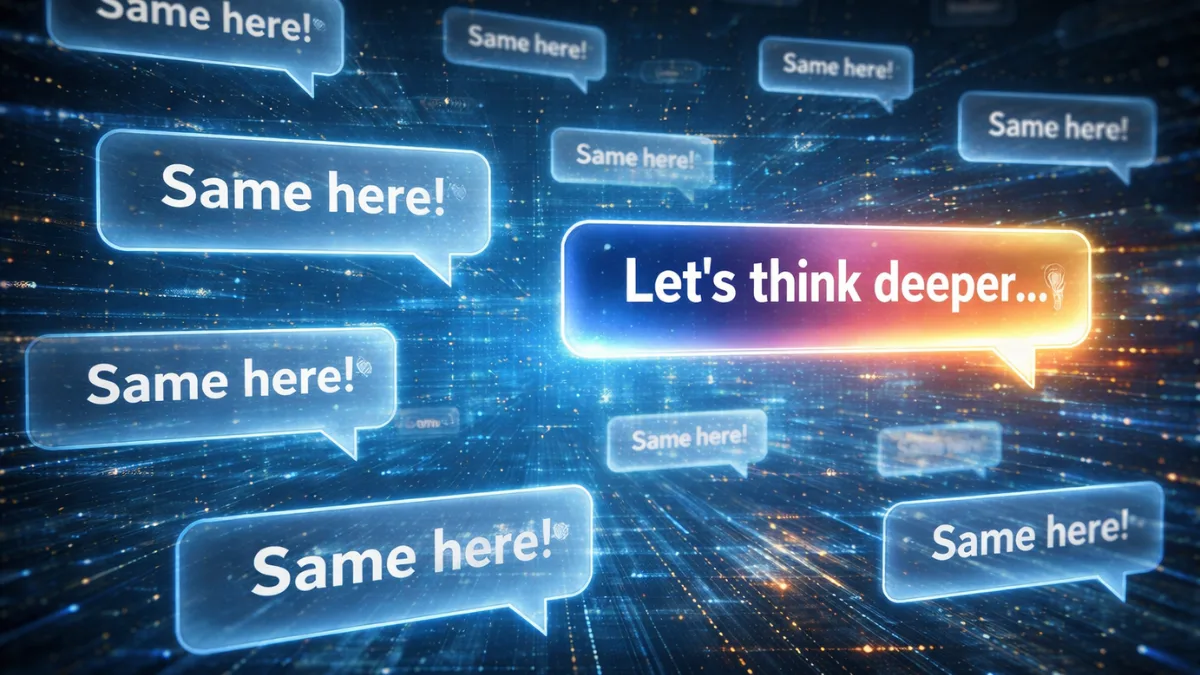
So people respond quickly. Often automatically.
And when enough people do that at once, it starts to look less like individuality and more like scripting.
The Business Side of NPC Energy
There’s an uncomfortable truth behind all this: predictability is profitable.
Platforms benefit when users behave in repeatable ways. It makes engagement easier to measure, content easier to recommend, and trends easier to scale.
NPC Energy, in that sense, isn’t accidental. It’s aligned with how digital ecosystems are built.
For brands and creators, this creates a dilemma.
Follow trends, and you gain visibility—but risk blending in.
Break patterns, and you stand out—but risk being ignored.
The smartest creators are learning to navigate this tension. They use familiar formats as entry points, then introduce something unexpected. Something human.
Because while algorithms favor predictability, audiences still crave authenticity.
NPC Energy vs Authentic Expression
Not every repeated behavior is NPC Energy. Not every trend is mindless.
The distinction lies in intention.
Are you participating because it aligns with your perspective—or because it’s what everyone else is doing?
Are you reacting because you’ve thought about it—or because it’s expected?
Authenticity isn’t about being completely original all the time. That’s unrealistic. It’s about being conscious of why you’re saying or doing something.
NPC Energy fades when awareness increases.
And awareness, unlike trends, can’t be automated.
The Subtle Impact on Identity
Over time, constant repetition shapes more than behavior—it shapes identity.
When people consistently engage in predictable ways, their sense of self can become tied to external validation. Likes, shares, and comments begin to influence not just what they post, but how they think.
NPC Energy, in this sense, becomes less about individual moments and more about long-term patterns.
It raises questions that are uncomfortable but necessary:
- How much of what I believe is actually mine?
- How often do I pause before reacting?
- Am I expressing myself—or performing a version of myself?
These aren’t easy questions. But they’re increasingly relevant.
Where NPC Energy Might Be Headed
This isn’t a passing trend. It’s part of a larger conversation about digital consciousness.
As people become more aware of how algorithms shape behavior, there’s likely to be a shift. Not away from platforms—but toward more intentional use of them.
We’re already seeing early signs:
- Longer-form content gaining traction again
- Creators emphasizing “real” conversations over viral formats
- Audiences valuing depth over speed
NPC Energy may evolve from a label into a lens—a way of understanding how modern environments influence human behavior.
And once people see the pattern, it becomes harder to ignore.
More Read

Conclusion
NPC Energy isn’t about labeling others—it’s about recognizing patterns in ourselves.
It’s the moment you realize your reaction was automatic. The pause before you decide whether to repeat something or rethink it. The awareness that not everything needs an immediate response.
In a world that moves fast, awareness becomes a form of resistance.
And perhaps the real shift isn’t about escaping NPC Energy entirely—but about knowing when you’re slipping into it, and choosing, consciously, to step out.
Final Insight
The internet rewards speed, repetition, and predictability—but identity isn’t built in algorithms. The real edge in today’s digital world isn’t louder opinions or faster reactions. It’s clarity of thought.
Pause more. Think deeper. Respond with intention. That’s how you stop being part of the script—and start writing your own.-The Vue Times