
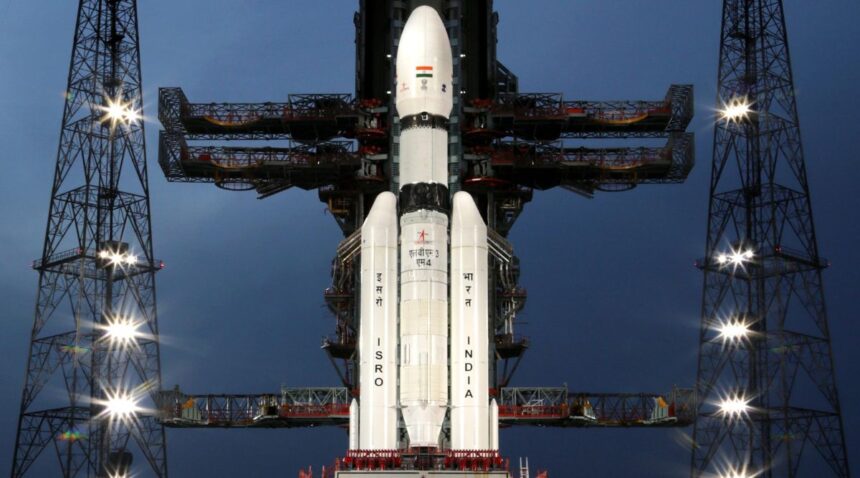
On August 23, 2023, millions of Indians erupted in joy as Chandrayaan-3’s lander Vikram gently touched down near the Moon’s south pole. With that historic moment, India became the first country in the world to land near the lunar south pole and only the fourth nation—after the United States, the Soviet Union, and China—to achieve a soft landing on the Moon.
The success of Chandrayaan-3 was more than a technological triumph; it was a powerful symbol of India’s growing confidence and capability in space exploration. From humble beginnings in the 1960s—when ISRO scientists transported rocket parts on bicycles—to placing satellites, spacecraft, and even a Mars orbiter into space, India’s journey reflects the story of a nation striving for self-reliance, scientific excellence, and global leadership.
But what does this milestone mean for India’s future in space? How will it shape upcoming missions, international collaborations, and the country’s long-term goals in lunar and interplanetary exploration? Let’s explore the past, the success of Chandrayaan-3, and what lies ahead for India’s ambitious space program.
From Dream to Destiny: India’s Space Journey
India’s space program began modestly in 1962 under the visionary leadership of Dr. Vikram Sarabhai, who believed space technology could accelerate national development. The formation of the Indian Space Research Organisation (ISRO) in 1969 marked the start of an extraordinary journey guided by the principle of “space technology for social benefit.”
The early missions focused on communication, meteorology, and remote sensing. Projects like INSAT, IRS, and EDUSAT helped India revolutionize weather forecasting, television broadcasting, and agricultural planning. Over time, ISRO’s ambitions expanded beyond Earth.
-
Chandrayaan-1 (2008): India’s first lunar mission discovered water molecules on the Moon’s surface, a groundbreaking finding that reshaped lunar science.
-
Mangalyaan (2013): India became the first Asian country to reach Mars orbit and the first nation ever to do so on its maiden attempt.
-
Chandrayaan-2 (2019): Although the lander crash-landed, its orbiter continues to provide valuable lunar data.
-
Chandrayaan-3 (2023): Achieved what Chandrayaan-2 couldn’t—a successful soft landing—solidifying India’s reputation as a major space power.
Chandrayaan-3: A Historic Achievement
1. The Mission Objective
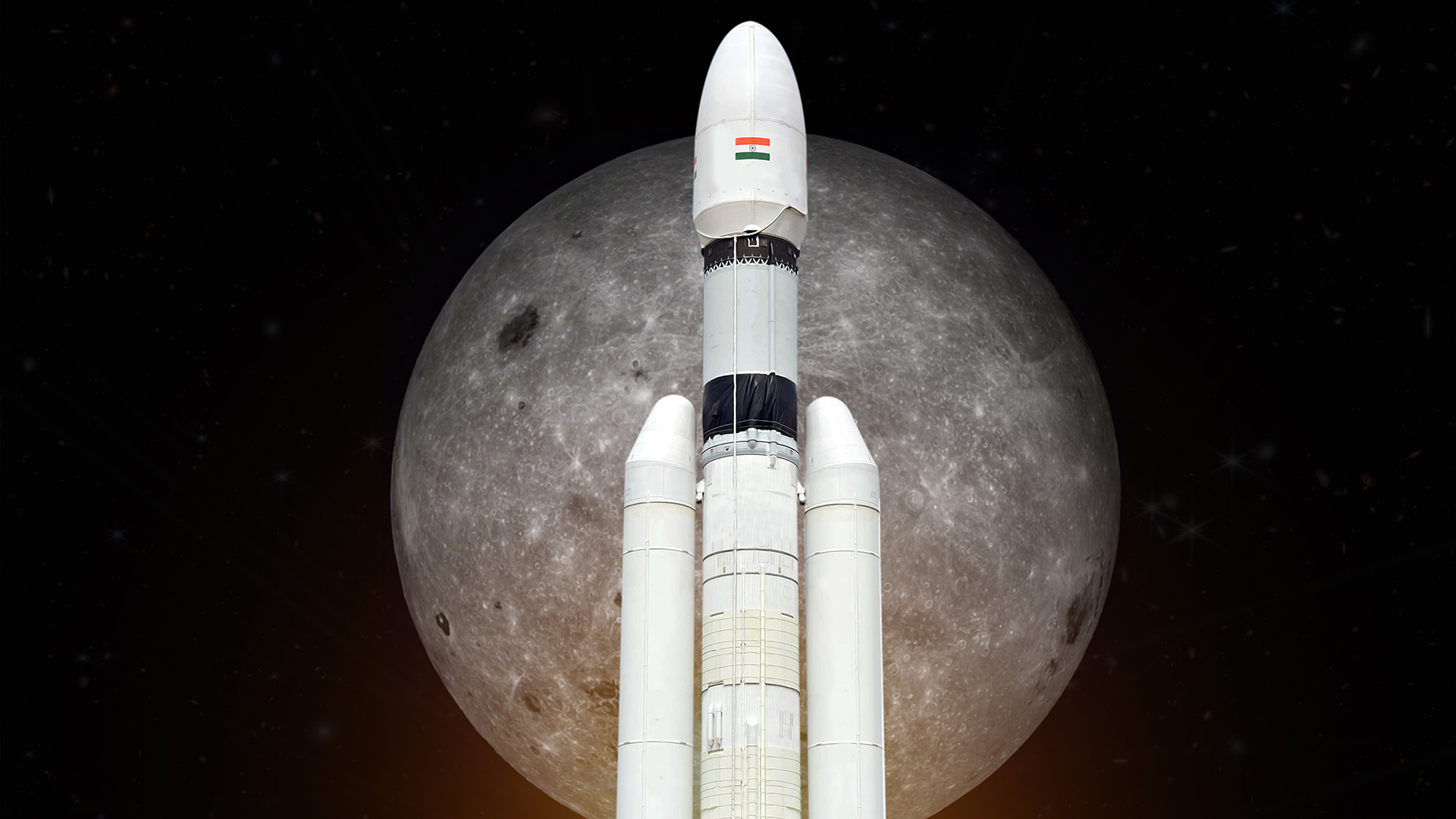
Chandrayaan-3’s goal was simple yet technically demanding: demonstrate India’s ability to soft-land safely on the Moon and operate a rover for surface exploration.
The mission consisted of:
-
Lander (Vikram) — carried scientific instruments to study lunar quakes, temperature, and plasma environment.
-
Rover (Pragyan) — a small, six-wheeled robot designed to explore the surface, analyze rocks and soil, and send data back to Earth.
Unlike its predecessor, Chandrayaan-3 did not include an orbiter, since Chandrayaan-2’s orbiter remained functional and could relay signals.
2. The South Pole Significance
The Moon’s south pole is a region of immense scientific interest. Unlike equatorial regions, its craters remain permanently shadowed, potentially harboring frozen water and volatile compounds.
Water on the Moon means future missions could use it for oxygen, hydrogen (fuel), and life support—key to sustainable lunar habitation. By successfully reaching this region, India gained a strategic advantage in future international lunar exploration.
3. Overcoming Past Failures
The failed landing of Chandrayaan-2 in 2019 was a painful lesson. Engineers at ISRO meticulously studied telemetry data, identified software and hardware improvements, and redesigned systems for greater resilience.
Key changes in Chandrayaan-3 included:
-
Reinforced landing legs and sensors.
-
A stronger propulsion system for smoother descent.
-
Improved algorithms for velocity control.
-
Extensive simulations and drop tests.
4. The Landing Moment
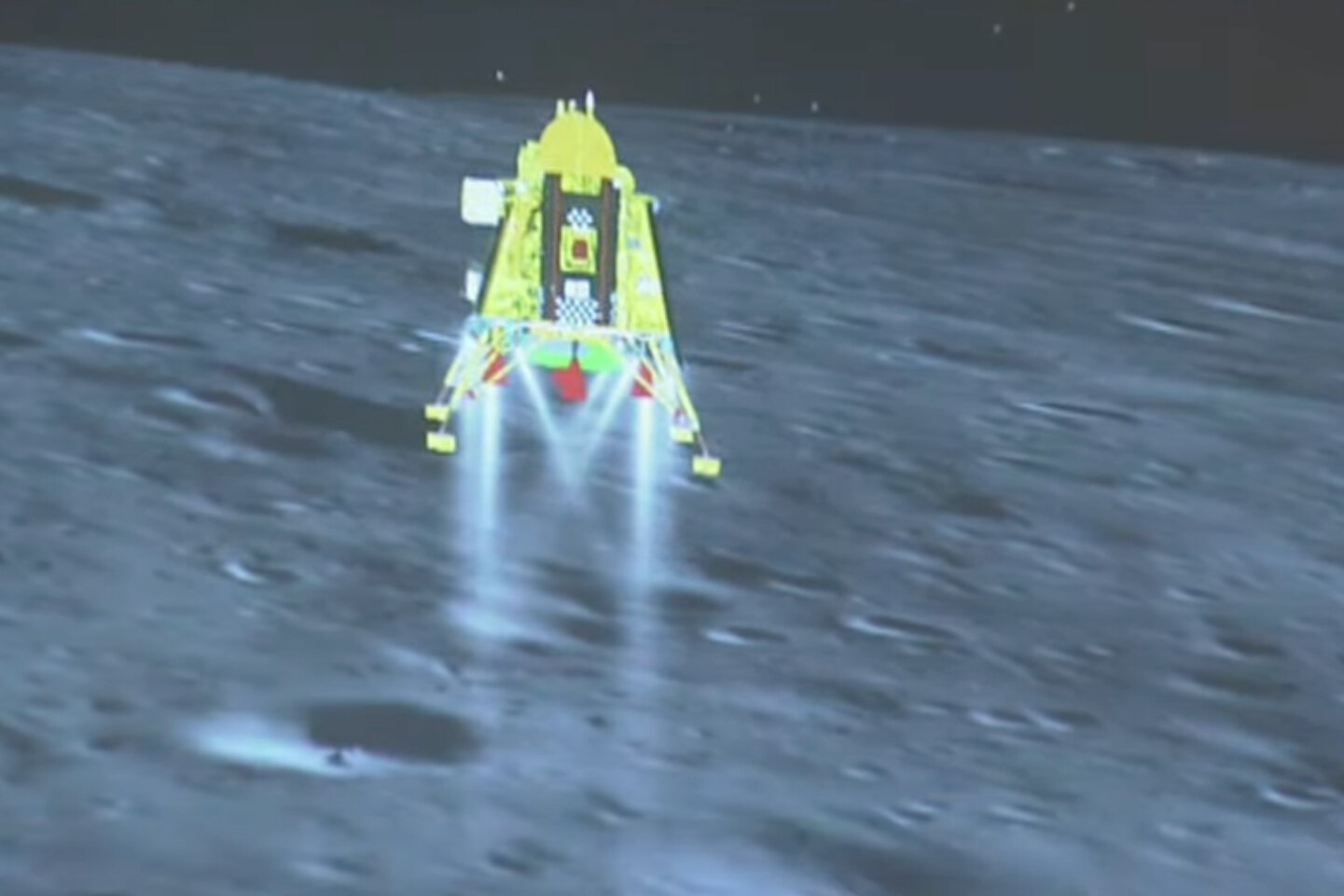
At 6:04 PM IST, August 23, 2023, Vikram successfully landed near the lunar south pole. The world watched as ISRO’s mission control erupted in celebration.
Prime Minister Narendra Modi hailed it as a moment that would “resonate for centuries,” calling the lunar site “Shiv Shakti Point”—symbolizing divine energy and strength.
The rover Pragyan rolled out hours later, traveling around 100 meters on the Moon’s surface, performing experiments that confirmed the presence of sulphur and other elements, further enriching lunar knowledge.
Scientific Achievements
Chandrayaan-3 contributed significantly to lunar science:
-
Surface Composition: Instruments detected sulphur, aluminum, and calcium, confirming the diversity of lunar materials.
-
Temperature Profiling: The ChaSTE (Chandra’s Surface Thermophysical Experiment) recorded temperature variations, revealing how heat behaves in the Moon’s upper soil layers.
-
Seismic Activity: The ILSA (Instrument for Lunar Seismic Activity) detected tiny “moonquakes,” helping understand the Moon’s crustal dynamics.
-
Plasma Environment: The RAMBHA-LP instrument studied plasma near the surface, important for future lander designs.
Beyond scientific data, Chandrayaan-3 proved India’s engineering maturity—showcasing indigenous innovation in robotics, navigation, propulsion, and autonomy.
Global Impact and Diplomacy
Chandrayaan-3’s success was not just a national victory—it elevated India’s position in the global space community.
-
Space Diplomacy: India became a leading member of the Artemis Accords, joining the U.S.-led coalition to explore and use space sustainably.
-
Soft Power: The mission inspired developing nations, showing that space exploration need not be limited to superpowers.
-
Commercial Appeal: India’s growing credibility has attracted international customers for launch services through its cost-efficient PSLV and GSLV rockets.
From NASA and ESA to Japan’s JAXA and Russia’s Roscosmos, every major space agency congratulated ISRO—underscoring how India’s success fosters cooperation rather than competition.
What Comes Next: India’s Future Space Missions
India’s ambitions are expanding rapidly. Chandrayaan-3 was not the end, but the beginning of a new era in exploration.
1. Chandrayaan-4 / Lunar Sample Return (Proposed)
ISRO plans to collaborate with JAXA (Japan) on the Lunar Polar Exploration Mission (LUPEX). Its objective: drill and analyze lunar ice, a step toward returning samples to Earth.
2. Gaganyaan: India’s First Human Spaceflight
Targeted for launch in 2025, the Gaganyaan mission will send a crew of Indian astronauts (vyomnauts) into low Earth orbit aboard an Indian-built spacecraft. The mission aims to demonstrate life-support systems, re-entry, and safe recovery — a stepping stone for future deep-space human missions.
3. Aditya-L1: Studying the Sun
Launched successfully in 2023, Aditya-L1 is India’s first solar observatory. It orbits the L1 point between Earth and Sun to study solar storms and their impact on satellites and power grids.
4. Shukrayaan: The Venus Mission
Planned for later this decade, Shukrayaan-1 aims to study Venus’s thick, cloudy atmosphere, its volcanic activity, and its potential for past habitability.
5. Mangalyaan-2: Mars Orbiter Mission 2
Following the success of Mangalyaan-1, ISRO is preparing a second Mars mission to conduct advanced studies of the Martian surface and atmosphere, possibly including a lander or aerobraking demonstration.
6. Space Station and Deep Space Exploration
ISRO has announced intentions to develop a modular space station by the 2030s and participate in deep-space astronomy missions, collaborating with international partners for lunar bases and asteroid exploration.
Technological Innovations Driving the Future
India’s rise in space exploration is built on innovation and cost-effectiveness. Some key technological breakthroughs include:
-
Cryogenic Engines: Mastered for GSLV rockets, enabling heavier payloads.
-
Reusable Launch Vehicles (RLV): Tests are underway to make launches cheaper.
-
Navigation Systems: The NavIC satellite system provides regional GPS-like services.
-
Miniaturization: Small satellite designs enable multiple launches and lower costs.
-
AI and Autonomy: Used in rover path planning, anomaly detection, and mission control.
These innovations make India not just a capable explorer, but also a competitive player in the global space economy.
The Economic and Strategic Dimensions
India’s space industry is expected to grow to $40 billion by 2040, powered by satellite launches, private startups, and commercial collaborations.
-
Private Sector Growth: The government’s 2023 Space Policy encourages private companies like Skyroot Aerospace, Agnikul Cosmos, and Dhruva Space to build and launch satellites independently.
-
Defense and Security: Space assets are now integral to communication, navigation, and surveillance—critical for national security.
-
International Partnerships: ISRO’s cost-effective solutions attract partnerships with NASA, ESA, and emerging space nations.
This ecosystem positions India as a global hub for affordable space technology and a trusted partner for scientific missions.
Challenges Ahead
Even as India’s space ambitions soar, several challenges remain:
-
Funding and Infrastructure: Expanding deep-space programs require massive budgets and global-standard testing facilities.
-
Talent Retention: Preventing brain drain and attracting young engineers is key to sustaining innovation.
-
International Competition: Nations like China and the U.S. are advancing rapidly in lunar base development and space mining.
-
Space Debris and Regulation: Managing orbital traffic and debris is vital as India increases launches.
-
Balancing Priorities: ISRO must continue addressing developmental needs—communications, agriculture, climate monitoring—while pursuing ambitious exploration.
To maintain momentum, India must combine visionary leadership with inclusive scientific collaboration, ensuring that the benefits of space reach every citizen.
A Vision Beyond the Moon
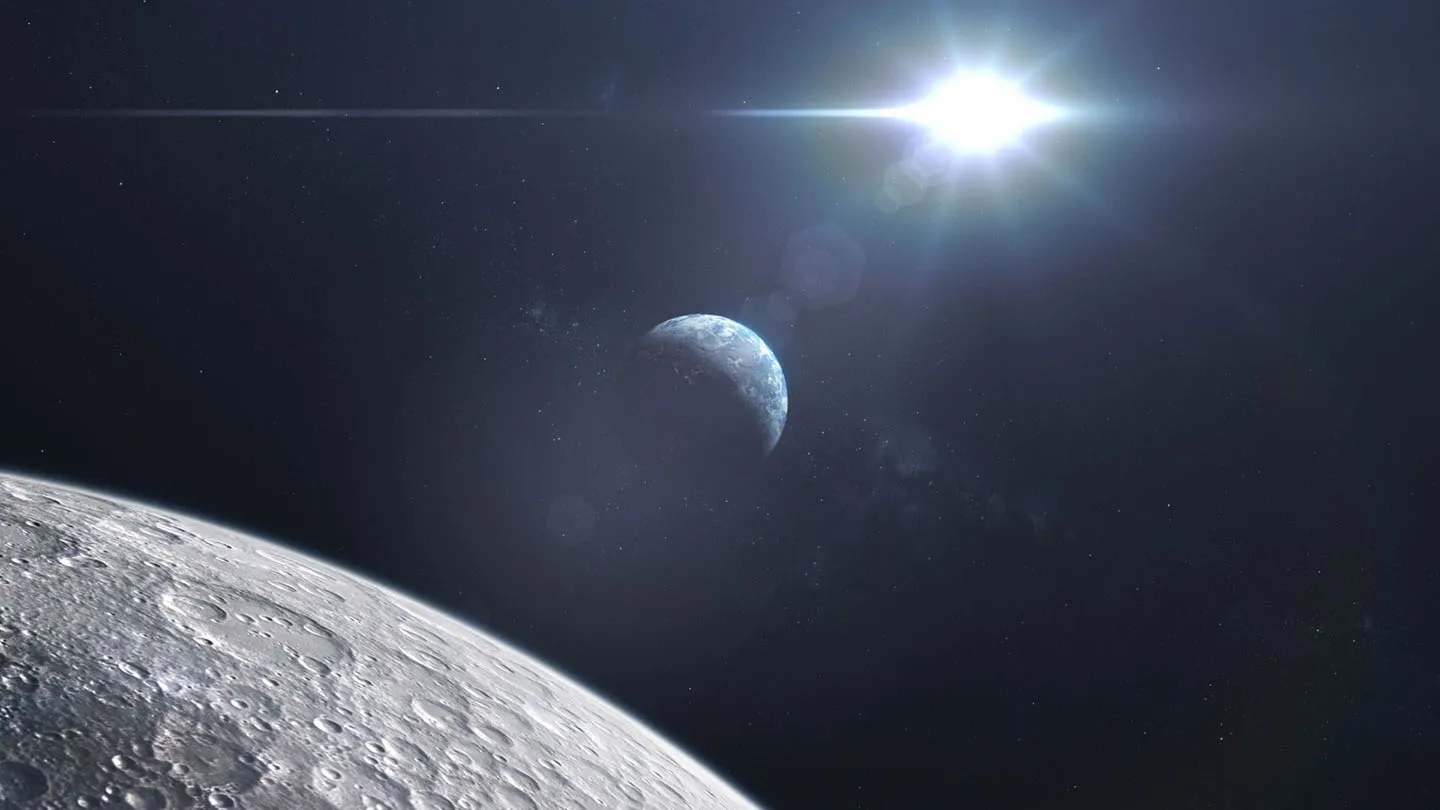
The next frontier for India extends far beyond lunar missions. The government envisions “Amrit Kaal 2047”—a roadmap to make India a developed nation by its 100th independence anniversary—and space technology will be central to that vision.
By 2047, India aims to:
-
Develop indigenous human spaceflight capability.
-
Establish a permanent space station.
-
Participate in international lunar bases.
-
Explore Mars, Venus, and asteroids.
-
Create a thriving private space economy integrated with global markets.
These goals will require bold investments, public-private collaboration, and international partnerships.