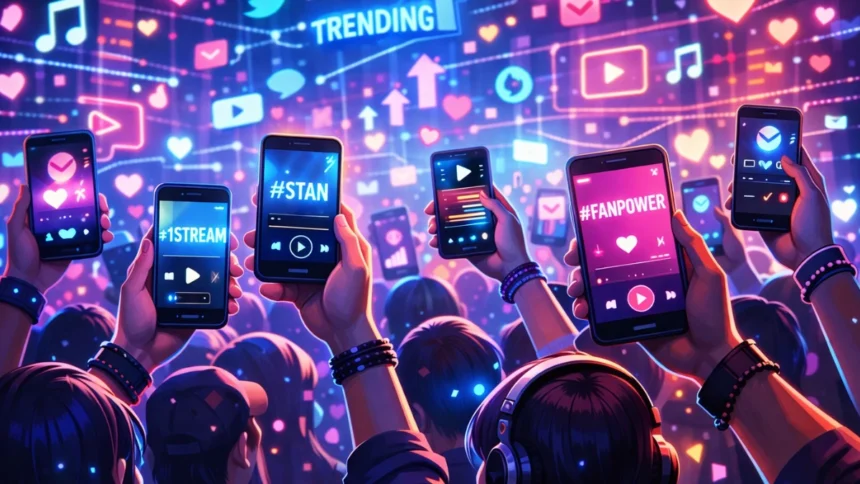
It starts quietly. A song played on repeat. A tweet liked, then retweeted. A fan account created, half as a joke, half as devotion. Over time, the line between admiration and allegiance begins to blur. Notifications become emotional cues. A celebrity’s success feels personal; their criticism feels like an attack. Somewhere in that shift lies what we now call Stan Culture—a phenomenon that has transformed how audiences interact with fame, media, and even each other.
Scroll through any social platform today, and you’ll see it in motion. Fans coordinating streaming campaigns at midnight. Trending hashtags defending their favorite artist. Digital armies forming and dissolving over perceived slights. It’s not just fandom anymore—it’s participation, identity, and sometimes, confrontation.
The Origins of Stan Culture
The term “stan” has a surprisingly dark origin. It traces back to the 2000 song Stan by Eminem—a narrative about an obsessive fan whose admiration spirals into tragedy. At the time, the song was more cautionary than celebratory. Two decades later, the word has been reclaimed, softened, and normalized.
Today, calling yourself a “stan” often signals deep admiration rather than dangerous obsession. But the undertones remain. What’s changed is the environment. Social media platforms have turned passive audiences into active participants, giving fans direct access to celebrities and each other. The distance that once defined fandom has collapsed.

Stan Culture didn’t emerge overnight. It evolved alongside platforms like Twitter, Instagram, and TikTok—spaces where attention is currency and visibility is power. The more engaged the fanbase, the more influential the artist becomes. It’s a feedback loop, and Stan Culture sits right at the center.
Stan Culture in the Age of Algorithms
Algorithms reward engagement, not nuance. This is where Stan Culture thrives.
A neutral opinion rarely goes viral. Passion does. Conflict does even more. Stan communities understand this instinctively. They amplify content, defend their idols, and sometimes attack critics—not always out of malice, but out of loyalty intensified by visibility.
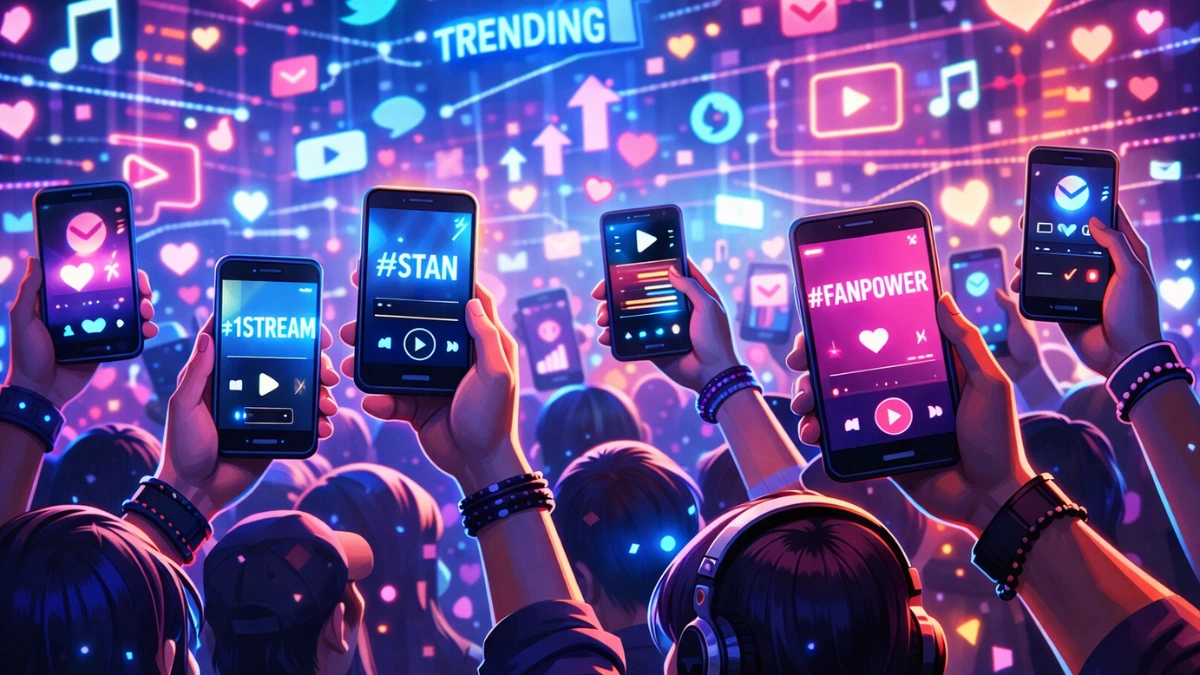
The result is a digital ecosystem where fandom becomes strategic. Streaming parties are organized to boost chart rankings. Hashtags are coordinated to dominate trending lists. Fans dissect metrics—views, likes, rankings—with the precision of analysts.
What was once casual admiration now resembles organized effort.

And it works. Record labels, marketing teams, and even political campaigns have taken note. Stan Culture has demonstrated that collective digital behavior can influence real-world outcomes—from music charts to brand endorsements.
Why Stan Culture Feels Personal
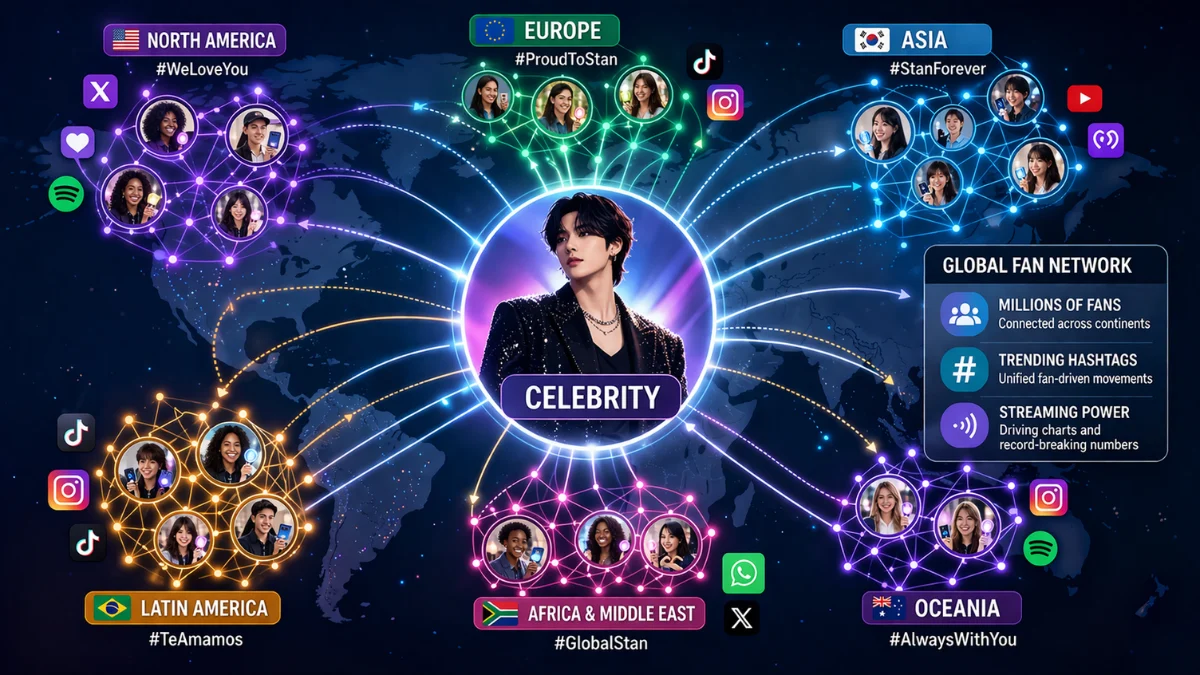
At its core, Stan Culture is less about celebrities and more about people.
Fans don’t just admire artists—they see parts of themselves reflected in them. A musician’s journey becomes symbolic. A public figure’s struggles feel relatable. Supporting them becomes a way of expressing identity.

There’s also a psychological layer. Humans are wired for belonging. Stan communities offer that in abundance—shared language, inside jokes, collective goals. It’s a space where people feel seen, even if the connection is built around a distant figure.
For many, especially younger audiences, these communities provide something traditional structures often fail to deliver: validation without gatekeeping.
But there’s a trade-off. When identity becomes tied to fandom, criticism of the idol can feel like criticism of the self. That’s when defense turns into aggression.
The Power Dynamics of Stan Culture
Stan Culture has redefined power in the entertainment industry.
In the past, influence flowed top-down—from media houses to audiences. Today, it’s far more decentralized. A dedicated fanbase can propel an artist to global recognition, sometimes faster than traditional marketing ever could.
This shift has created a new kind of accountability. Celebrities are no longer just performers; they are constantly observed, interpreted, and evaluated by their own fans. A single statement can spark internal conflict within a fanbase. Loyalty isn’t unconditional—it’s negotiated in real time.
At the same time, fans wield unprecedented influence. They can trend narratives, revive careers, or amplify controversies. The relationship between celebrity and audience has become collaborative, but also volatile.
Stan Culture doesn’t just support—it shapes.
When Passion Turns Problematic
There’s a fine line between enthusiasm and excess. Stan Culture often walks it.
The same energy that drives community can also fuel toxicity. Online harassment, cancel campaigns, and coordinated attacks are not uncommon. In extreme cases, dissenting opinions are silenced rather than debated.
This isn’t unique to any one fandom. It’s a structural issue tied to digital behavior. Anonymity lowers accountability. Algorithms reward outrage. And collective identity can sometimes override individual judgment.
What makes Stan Culture particularly complex is that these negative patterns often coexist with genuine positivity—charity drives, mental health support networks, and creative collaborations. The same communities capable of harm are also capable of meaningful impact.
It’s not a binary system. It’s a spectrum.
The Business of Stan Culture
Brands have learned to tap into Stan Culture, sometimes subtly, sometimes aggressively.
A loyal fanbase is more valuable than a large but disengaged audience. Stans don’t just consume content—they promote it, defend it, and integrate it into their daily lives. From merchandise to streaming platforms, the economic implications are significant.
Music releases are now designed with fan engagement in mind. Limited drops, exclusive content, interactive campaigns—these aren’t accidental. They’re tailored for communities that thrive on participation.
Even beyond entertainment, businesses are trying to replicate this model. Building “brand fandom” has become a strategic goal. But authenticity matters. Stan communities are highly perceptive; they can sense when engagement feels manufactured.
The Cultural Impact of Stan Culture
Stan Culture has quietly reshaped digital culture.
It has influenced language—terms like “bias,” “fandom,” “fan wars” have entered mainstream vocabulary. It has changed how success is measured—not just by sales, but by engagement metrics. And it has blurred the line between creator and audience.
More importantly, it has shifted how people experience media. Watching, listening, or reading is no longer passive. It’s interactive, collective, and often performative.
A song release isn’t just about music anymore. It’s an event, a campaign, a moment of shared participation. Stan Culture turns consumption into experience.
The Future of Stan Culture
Stan Culture isn’t fading. If anything, it’s evolving.
As digital platforms continue to expand, the intensity of fan engagement is likely to grow. New technologies—AI-driven content, virtual influencers, immersive experiences—will further complicate the relationship between fans and creators.
The question isn’t whether Stan Culture will persist. It’s how it will mature.
Will communities become more self-aware? Will platforms redesign algorithms to reduce toxicity? Will fans redefine what it means to support someone without losing individuality?
There’s no clear answer yet. But one thing is certain: Stan Culture has moved beyond trend status. It’s now a structural part of how modern media operates.
More Read

Conclusion
Stan Culture reflects something deeper than fandom. It reveals how identity, technology, and community intersect in the digital age. It shows how people seek connection, meaning, and influence—even through distant figures.
The challenge lies in balance. Passion without perspective can quickly turn destructive. But when guided thoughtfully, it can create communities that are not just loud, but meaningful.
The real story of Stan Culture isn’t about celebrities. It’s about us—how we engage, what we defend, and why it matters.
Final Insight
Stan Culture isn’t just about who you support—it’s about how you participate. Every like, share, and comment shapes the digital space you exist in. Choose engagement that adds value, not noise. If you want sharper insights on culture, media, and the systems behind them, stay connected with Vue Times—where trends are not just followed, but understood.