
There’s a quiet moment before every big release. No press coverage. No social media countdown. No dramatic unveiling. Just a limited group of users interacting with something new—often unaware they’re part of a test.
A new app appears in a niche community. A café opens its doors without a grand inauguration. A startup quietly invites a few hundred users instead of thousands.
This is where the real work begins—not during the launch, but before it.
The idea of a Soft Launch has moved from being a cautious business tactic to a defining strategy in how modern products, platforms, and even physical spaces enter the market. It reflects a deeper shift in how organizations think about risk, feedback, and timing.

What a Soft Launch Really Means
In practice, it’s less about “launching” and more about listening.
A soft launch allows businesses to test assumptions in real-world conditions—how users behave, where friction occurs, what breaks, and what unexpectedly works. It’s controlled exposure, not hidden rollout.
You’ll often see it in:
- Mobile apps released in specific regions before global rollout
- Restaurants opening quietly to refine operations
- E-commerce brands testing checkout flows with limited traffic
- SaaS platforms inviting early adopters instead of mass sign-ups
The intention isn’t secrecy. It’s precision.


The Rise of the Soft Launch in a High-Risk Market
A decade ago, launches were events. Today, they’re processes.
The shift toward Soft Launch strategies reflects how unforgiving modern markets have become. A flawed first impression—whether it’s a buggy app or a chaotic service experience—doesn’t just cost users. It travels.
Reviews, screenshots, and reactions spread instantly. Recovery becomes harder than prevention.

That’s why companies now prefer controlled imperfection over public failure.
In industries like gaming, for example, developers frequently soft launch in smaller markets such as Canada or Australia. These regions act as testing grounds—similar demographics, but limited global visibility. It’s a strategic buffer.
Even consumer brands are adopting this approach. A new café might open without marketing, serving a small audience to refine menus and operations before the official opening.
The message is clear: perfection is no longer expected—but readiness is.
Why a Soft Launch Works Better Than a Big Reveal
There’s a psychological advantage embedded in a Soft Launch that goes beyond operational testing.
It changes how both businesses and users behave.
1. It Reduces Pressure Internally
When teams aren’t performing under the spotlight, they make better decisions. Mistakes are treated as data, not disasters.
2. It Encourages Honest Feedback
Early users often feel like insiders. They’re more forgiving, but also more candid. Their feedback tends to be detailed and useful—not just reactive.
3. It Creates Iteration Before Scale
Instead of fixing problems after thousands of users encounter them, companies solve issues early—when the stakes are manageable.
4. It Builds Quiet Momentum
By the time a full launch happens, the product has already been tested, refined, and in some cases, improved multiple times.
A successful launch today often looks effortless—not because it was easy, but because the hard parts happened earlier, quietly.
Soft Launch vs Full Launch: A Strategic Contrast
A full launch is about visibility. A Soft Launch is about validation.
The difference isn’t just scale—it’s intent.
- A full launch aims to attract attention, drive traffic, and generate immediate growth
- A soft launch focuses on learning, refining, and stabilizing
One is outward-facing. The other is inward-focused.
Businesses that skip the soft phase often rely on assumptions. Those that embrace it rely on evidence.
Where Businesses Get Soft Launch Wrong
Despite its advantages, the Soft Launch strategy is often misunderstood.
Some treat it as a mere “trial run,” underestimating its importance. Others make it too limited, gathering insufficient data to make meaningful improvements.
A few common mistakes stand out:
Over-controlling the environment
If the test conditions are too artificial, the feedback won’t reflect real-world behavior.
Ignoring negative signals
Early feedback is valuable precisely because it highlights flaws. Dismissing it defeats the purpose.
Rushing to full launch
A soft launch is not a formality. It’s a phase that needs time, iteration, and deliberate decision-making.
Treating it as optional
In high-competition markets, skipping a Soft Launch is less a risk—and more a gamble.
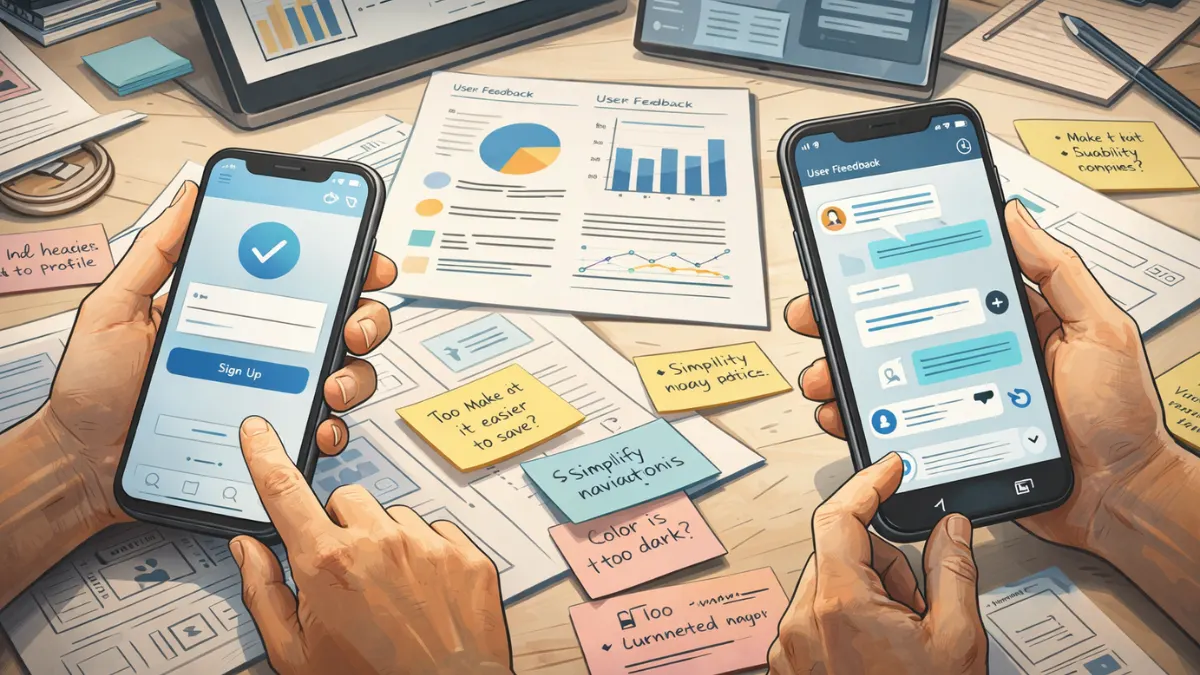
The Psychology Behind a Soft Launch
There’s an interesting behavioral layer to this strategy.
Users in a soft launch phase often behave differently. They explore more, forgive more, and engage more deeply. There’s a sense of participation—almost co-creation.
For businesses, this creates a feedback loop that’s both practical and emotional.
Early users aren’t just customers; they become contributors.
This is why many startups intentionally cultivate “early access” communities. It’s not just about testing—it’s about building alignment between product and user expectations.
In a way, a Soft Launch transforms the launch from a one-time event into a conversation.
Why Soft Launch Is Trending Now
The growing popularity of the Soft Launch isn’t accidental—it’s structural.
Several forces are driving it:
Faster product cycles
Digital products evolve continuously. Releasing early and improving quickly is more viable than waiting for perfection.
Data-driven decision making
Companies now rely on real user behavior, not projections. A soft launch provides that data.
Lower tolerance for failure
With public feedback loops (reviews, social media), mistakes are amplified. Controlled testing reduces exposure.
Startup culture influence
The “build–measure–learn” philosophy has normalized iterative releases over polished debuts.
In this context, a soft launch isn’t cautious—it’s strategic.
Beyond Startups: How Traditional Businesses Are Adapting
Interestingly, the concept of Soft Launch is no longer confined to tech.
Retail stores test layouts before full opening. Restaurants refine menus quietly. Even large corporations pilot products in specific regions.
It’s a recognition that uncertainty exists across industries—not just in software.
A hotel might soft launch by opening select rooms. A clothing brand might release a limited collection online before expanding production.
The principle remains the same: test before scale.
The Risk of Skipping the Soft Launch
When businesses bypass this phase, they often face problems that could have been avoided.
- Technical issues exposed to a large audience
- Negative first impressions that are hard to reverse
- Misaligned pricing or positioning
- Operational inefficiencies at scale
In a competitive environment, first impressions are not easily reset.
A Soft Launch doesn’t eliminate risk—but it reduces the cost of mistakes.
What the Future of Soft Launch Looks Like
As markets become more data-driven and user-centric, the Soft Launch is likely to evolve further.
We’re already seeing:
- Personalized soft launches (targeting specific user segments)
- Continuous soft launches (rolling updates instead of one-time releases)
- Community-led testing (users actively shaping product development)
The traditional idea of a “launch day” is slowly dissolving.
In its place, we’re seeing a more fluid model—where products are constantly being introduced, tested, and refined.
The launch is no longer a moment. It’s a phase.
More Read

Conclusion
A Soft Launch isn’t about playing safe. It’s about being deliberate.
It reflects a deeper understanding of how products succeed—not through flawless debuts, but through thoughtful iteration. In a world where feedback is instant and competition is relentless, the ability to test quietly and improve quickly has become a defining advantage.
The brands that appear most confident on launch day are often the ones that spent the most time learning before it.
Final Insight
In today’s market, success doesn’t belong to the fastest launch—it belongs to the smartest one. A Soft Launch isn’t a delay; it’s the groundwork for getting it right when it actually counts. Saty Informed Stay Updates-The Vue Times
Frequently Asked Questions
What is a Soft Launch?
A Soft Launch is a limited release of a product or service to a smaller audience before a full public launch, allowing businesses to test and improve based on real feedback.
Why do companies use a Soft Launch?
Companies use it to identify issues, understand user behavior, and refine their product before exposing it to a wider audience.
What is the difference between Soft Launch and Beta Testing?
Beta testing focuses mainly on functionality and bug detection, while a Soft Launch evaluates the overall user experience, market response, and operational readiness.
Is a Soft Launch necessary for every business?
Not always, but in competitive or digital markets, it significantly reduces risk and improves the chances of a successful full launch.
How long does a Soft Launch last?
There’s no fixed duration. It can last from a few days to several months, depending on the complexity of the product and the feedback required.