
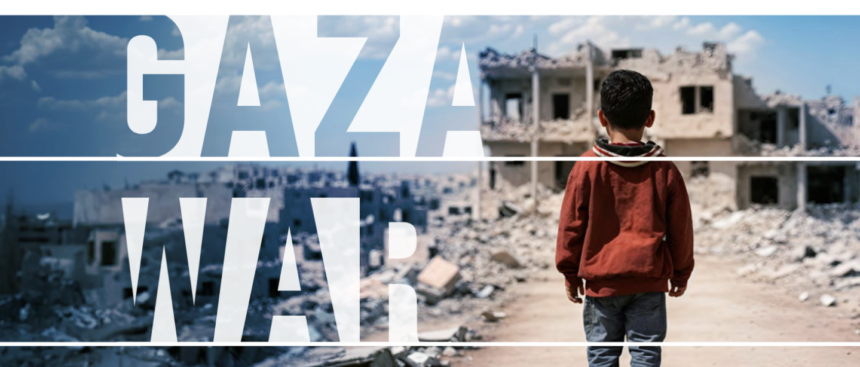
The ongoing Gaza conflict has once again brought the Middle East to a boiling point, but a recent development has sparked renewed global attention. According to multiple reports, Hamas has signaled willingness to consider ending the war — but only if it receives firm international guarantees regarding Israel’s withdrawal, reconstruction of Gaza, and political recognition of Palestinian sovereignty.
This latest move has opened a new chapter in one of the world’s most protracted and emotionally charged conflicts. Yet, as optimism rises in diplomatic circles, questions linger: What exactly does Hamas want? What role will Israel, the U.S., Egypt, Qatar, and other powers play? And can this fragile opportunity truly lead to lasting peace in the Middle East?
This article explores the situation in depth — from the background of the war to the latest diplomatic efforts, regional stakes, humanitarian concerns, and the possible future of peace in the region.
The Current Situation: A Stalemate with Enormous Cost
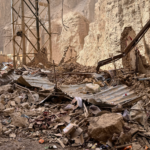
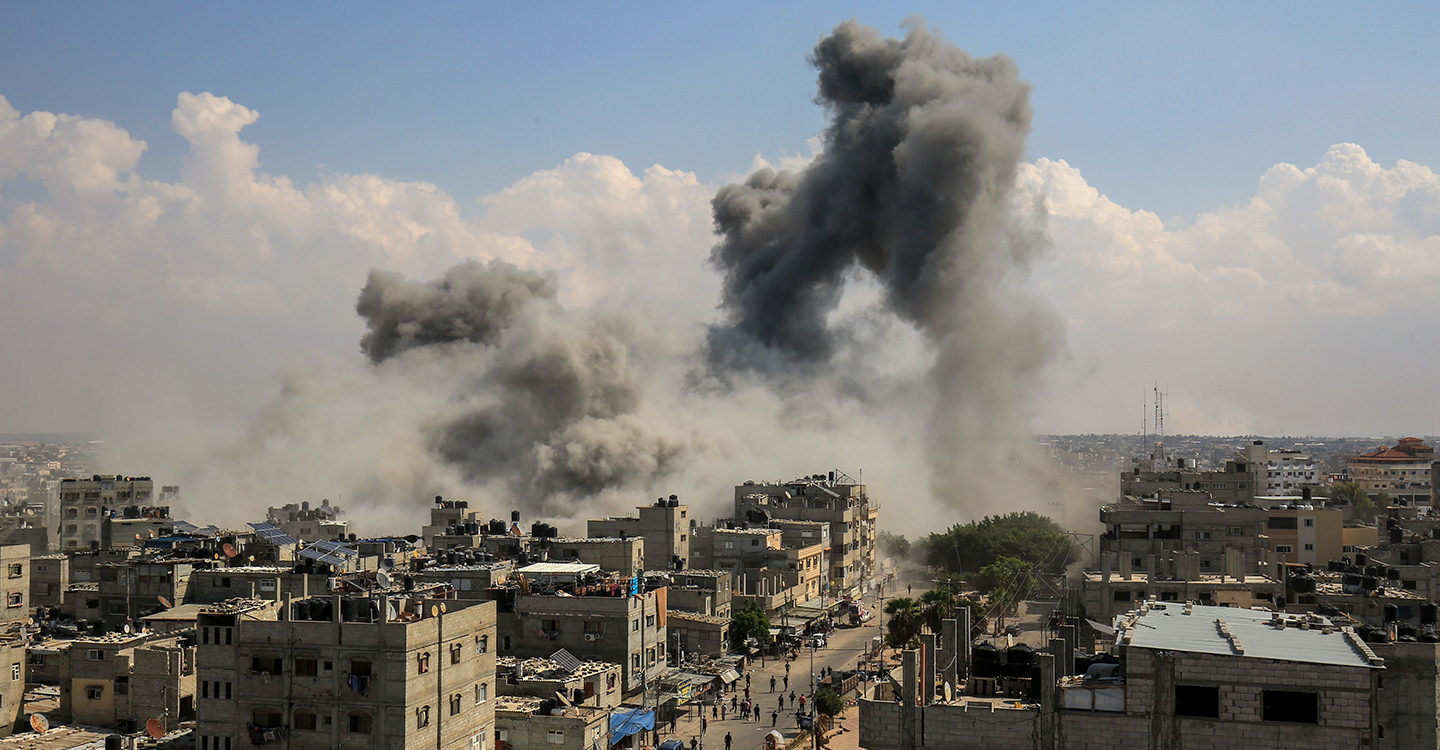
The Gaza war, reignited after Hamas’s surprise attacks on Israel in October 2023, has entered a prolonged and devastating phase. Israel’s relentless military response has resulted in widespread destruction across the Gaza Strip, with tens of thousands of casualties, the displacement of millions, and a humanitarian crisis on an unprecedented scale.
After nearly two years of intense fighting, both sides are exhausted, yet neither has achieved a decisive victory. Israel claims to have dismantled much of Hamas’s military infrastructure, while Hamas insists it still maintains enough power to resist indefinitely.
Internationally, pressure has mounted on both parties to cease hostilities and allow humanitarian aid to flow freely. The United Nations, the United States, Egypt, and Qatar have been leading mediation efforts, but deep distrust continues to hinder progress.
It is in this context that Hamas’s recent demand for guarantees before agreeing to end the war has taken center stage — potentially marking a turning point, or at least, a pause in the bloodshed.
What Hamas Wants: The “Guarantees” Explained
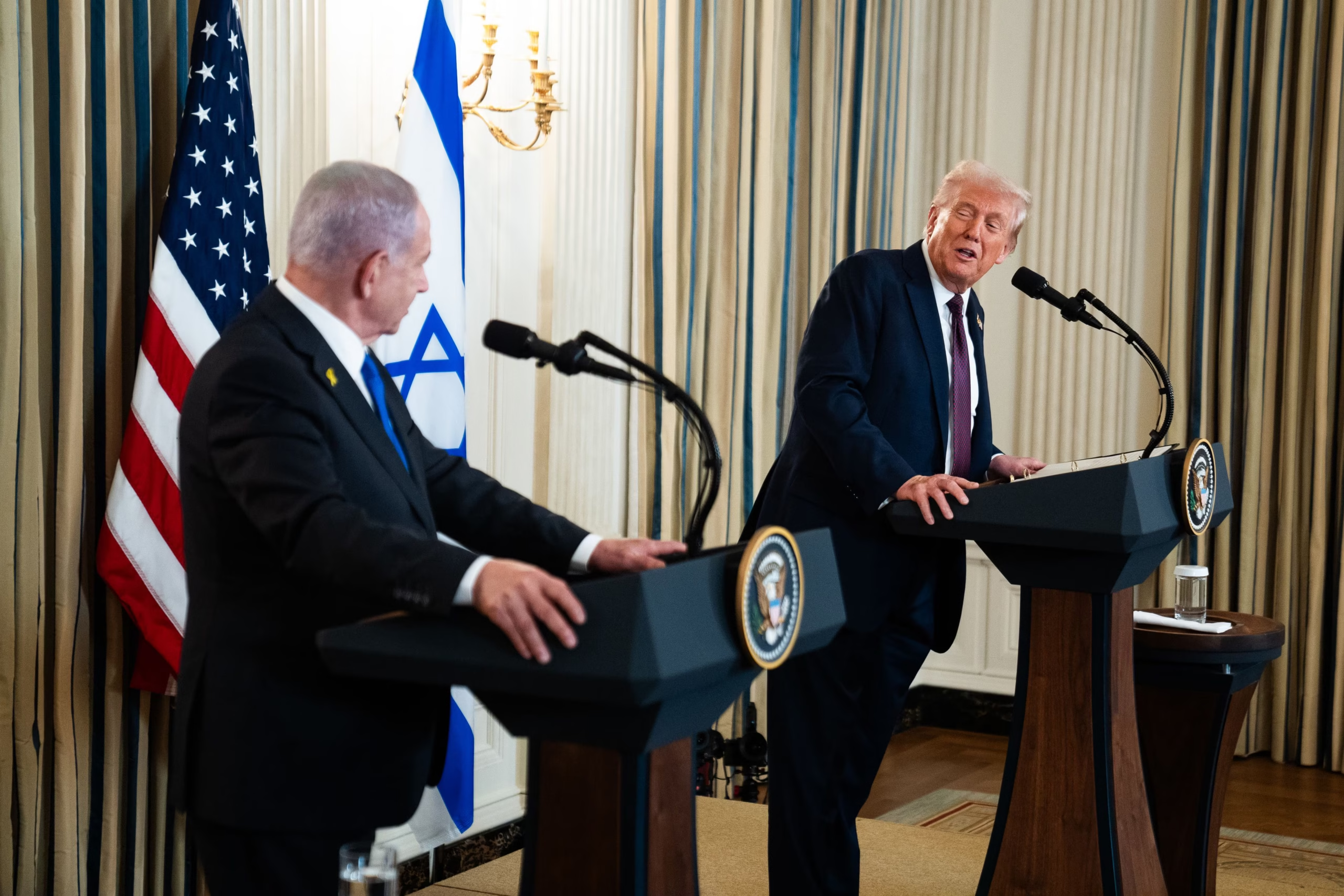
Hamas’s position has evolved since the early stages of the war. Initially, it demanded a complete Israeli withdrawal, the lifting of the Gaza blockade, and the release of Palestinian prisoners. While those demands remain, the group now insists on international guarantees that these conditions will be honored and enforced.
According to sources familiar with the negotiations, Hamas’s guarantees include:
-
Israeli Withdrawal from All of Gaza:
Hamas wants assurance that Israeli forces will permanently pull out of the Gaza Strip and end military operations. -
Ceasefire Under UN or International Oversight:
The group demands that any ceasefire agreement be guaranteed by major powers — particularly the United States, Russia, China, Egypt, and Qatar — to prevent Israel from resuming attacks unilaterally. -
Lifting the Blockade:
Hamas insists that the 16-year blockade of Gaza, imposed by Israel and Egypt since 2007, must be lifted to allow free movement of goods, people, and aid. -
Reconstruction of Gaza:
Billions of dollars in international aid are needed to rebuild destroyed infrastructure, hospitals, schools, and homes. Hamas wants an explicit, internationally guaranteed reconstruction plan. -
Political Recognition and Prisoner Release:
The group seeks the release of thousands of Palestinians from Israeli prisons and political recognition of Palestinian governance in Gaza. -
Long-Term Security Guarantees:
Hamas also wants assurances that Israel will not launch preemptive strikes or military incursions under the pretext of security.
In essence, Hamas’s position signals a conditional openness to peace — but only under external assurances strong enough to hold both sides accountable.
Israel’s Response: Security Above All
Israel, on the other hand, has maintained that any ceasefire must guarantee the dismantling of Hamas’s military and governing capacity. Prime Minister Benjamin Netanyahu has repeatedly stated that “there can be no peace as long as Hamas controls Gaza,” describing the group as a terrorist organization that cannot be trusted to honor any agreement.
Key Israeli Concerns Include:
-
Hamas Rebuilding:
Israel fears that a premature ceasefire could allow Hamas to regroup and rearm, eventually leading to renewed attacks. -
Hostage Situation:
Israel continues to prioritize the return of hostages captured during the initial Hamas assault. -
Long-Term Security:
The Israeli government wants any post-war Gaza to be governed by an entity that ensures Israel’s safety — whether that’s the Palestinian Authority, an Arab peacekeeping force, or a UN-backed administration.
While Israel has participated in indirect talks mediated by Egypt and Qatar, its official stance remains firm: no guarantees can replace the need to eliminate Hamas’s military threat.
Mediation Efforts: A Global Balancing Act
1. United States:
The Biden administration has been walking a delicate diplomatic tightrope. While strongly supporting Israel’s right to defend itself, Washington has faced growing international and domestic criticism over the humanitarian toll in Gaza.
The U.S. has been pushing for a “phased ceasefire” plan, which includes:
-
An initial six-week truce for hostage exchanges.
-
Gradual withdrawal of Israeli forces from populated areas.
-
Increased humanitarian aid deliveries.
-
Talks on post-war governance involving Arab states and the Palestinian Authority.
However, both Israel and Hamas have been reluctant to commit fully to such a framework without concrete guarantees — the very issue Hamas is now highlighting.
2. Egypt and Qatar:
Egypt and Qatar have emerged as key intermediaries between Hamas and Israel.
-
Egypt shares a border with Gaza and controls the Rafah crossing, making it crucial for aid and evacuation efforts.
-
Qatar, meanwhile, hosts Hamas’s political leadership and provides significant financial aid to Gaza.
Both nations have been instrumental in facilitating indirect communication, offering proposals for ceasefire timelines and prisoner swaps. Yet, disagreements over sequencing — “ceasefire first or withdrawal first” — continue to stall progress.
3. United Nations and European Union:
The UN has called for an immediate humanitarian ceasefire, while the European Union has focused on funding post-war reconstruction and ensuring accountability for war crimes. However, their influence on the ground remains limited compared to the U.S. and regional powers.
The Humanitarian Dimension: A Crisis Beyond Numbers
The human cost of the Gaza war is staggering. According to UN estimates, tens of thousands of Palestinians have been killed, including a significant number of women and children. Entire neighborhoods in Gaza City, Khan Younis, and Rafah have been flattened. Basic services — water, electricity, and healthcare — have collapsed.
Hospitals operate under dire conditions, and humanitarian agencies warn of a looming famine due to restricted access to food and medicine. The UNRWA, the UN agency for Palestinian refugees, has called the situation “beyond catastrophic.”
For Israel, too, the war has exacted a psychological and economic toll. The October 2023 Hamas attacks killed more than 1,200 Israelis, marking one of the darkest days in the nation’s history. Thousands of families remain displaced near the Gaza border, and the Israeli economy has been strained by prolonged mobilization.
This humanitarian nightmare has galvanized international opinion, increasing pressure on all sides to reach a lasting solution — one that not only halts the fighting but addresses the deeper political grievances that fuel it.
The Role of Regional Powers: A Changing Middle East
The Gaza conflict has deeply affected the regional political landscape, reshaping alliances and challenging traditional diplomacy.
Saudi Arabia and Normalization Talks:
Before the Gaza war, Saudi Arabia was reportedly close to normalizing relations with Israel under U.S. mediation. The conflict has derailed those efforts. Riyadh has since insisted that any normalization must include irreversible steps toward Palestinian statehood, reflecting growing Arab frustration with Israel’s hardline stance.
Iran’s Influence:
Iran continues to back Hamas and other groups like Hezbollah, framing itself as the “protector of resistance.” Tehran’s involvement has escalated tensions with Israel and the U.S., with proxy confrontations emerging in Lebanon, Syria, and Yemen.
Turkey’s Mediation Attempt:
Turkey’s President Recep Tayyip Erdoğan has offered to mediate and has sharply criticized Israel’s military actions, calling for a “new, inclusive peace framework” that recognizes Palestinian sovereignty.
Together, these dynamics illustrate how the Gaza war is not just a local conflict but a regional flashpoint with implications for the entire Middle East’s stability.
What Comes After the War: Scenarios for Gaza’s Future
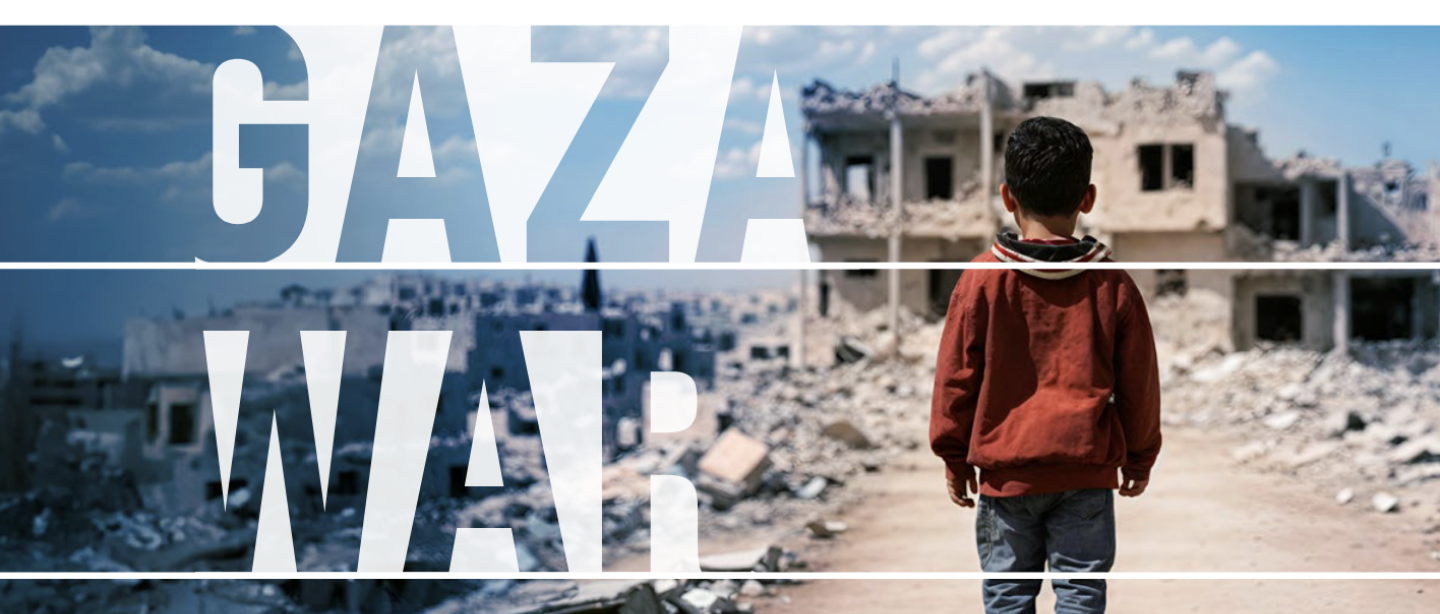
The question haunting diplomats and analysts alike is — what happens the day after the war ends?
1. Hamas Retains Partial Control:
If Hamas survives militarily and politically, it may continue to govern Gaza under international monitoring. This outcome, however, would be unacceptable to Israel and the U.S.
2. Palestinian Authority Takeover:
Some suggest that the Palestinian Authority (PA), which governs the West Bank, could assume control of Gaza with international backing. Yet, the PA’s legitimacy among Palestinians is weak, and Hamas is unlikely to willingly relinquish power.
3. International Trusteeship or Arab Peacekeeping Force:
Another idea is for an Arab coalition or UN mandate to administer Gaza temporarily while rebuilding and organizing elections. This could provide a neutral framework for peace but would require immense coordination and funding.
4. Permanent Division:
A darker possibility is that Gaza remains isolated and devastated, with no clear governance, creating a long-term humanitarian disaster and fertile ground for future conflicts.
Each scenario faces enormous political, logistical, and emotional hurdles — but some form of shared governance or international oversight may be the only sustainable path forward.
The Broader Question: Can Peace Ever Be Permanent?
The call for “guarantees” by Hamas underscores a painful truth: trust is virtually non-existent between Israelis and Palestinians. Decades of violence, failed peace talks, and political polarization have made reconciliation seem impossible.
Yet, history shows that even the most intractable conflicts can evolve. The 1979 Egypt-Israel peace treaty and the 1994 Jordan-Israel agreement both seemed impossible until they happened.
For a new peace framework to emerge, several key shifts are needed:
-
Mutual Recognition: Both sides must accept each other’s right to exist in secure, sovereign states.
-
Regional Cooperation: Arab nations, especially Egypt, Saudi Arabia, and Jordan, must play constructive roles.
-
International Enforcement: Guarantees from the U.S., UN, and major powers must ensure compliance.
-
Grassroots Reconciliation: True peace can only be sustained if people, not just politicians, believe in coexistence.