Introduction
India is often described as one of the fastest-growing digital economies in the world. From instant payments to online governance, the transformation appears dramatic. But behind this rapid shift lies a more nuanced question: what is the digital india reality, and does it truly match the ambitious vision?
The Digital India initiative was launched with the promise of transforming India into a digitally empowered society and knowledge economy. On the surface, it has achieved remarkable milestones—record-breaking digital transactions, expanding internet penetration, and growing startup ecosystems. However, beneath these successes, challenges such as digital inequality, infrastructure gaps, and accessibility issues continue to exist.
Understanding the digital india reality is crucial today because technology is no longer optional—it shapes how citizens access services, education, jobs, and opportunities. This article provides a deep, balanced, and fact-based exploration of Digital India, examining both its achievements and its limitations while offering a comprehensive scheme analysis and exploring digital india pros cons in detail.
Background and Context
To understand the digital india reality, it is essential to look at how the initiative began and what it aimed to achieve.
Origins of Digital India
Launched in 2015, Digital India was designed around three core vision areas:
| Vision Area |
Objective |
| Digital Infrastructure |
Provide high-speed internet and digital identity |
| Governance & Services |
Deliver services electronically |
| Digital Empowerment |
Increase digital literacy |
The initiative aimed to bridge the gap between urban and rural India, ensuring that technology benefits everyone equally.
Key Components of the Initiative
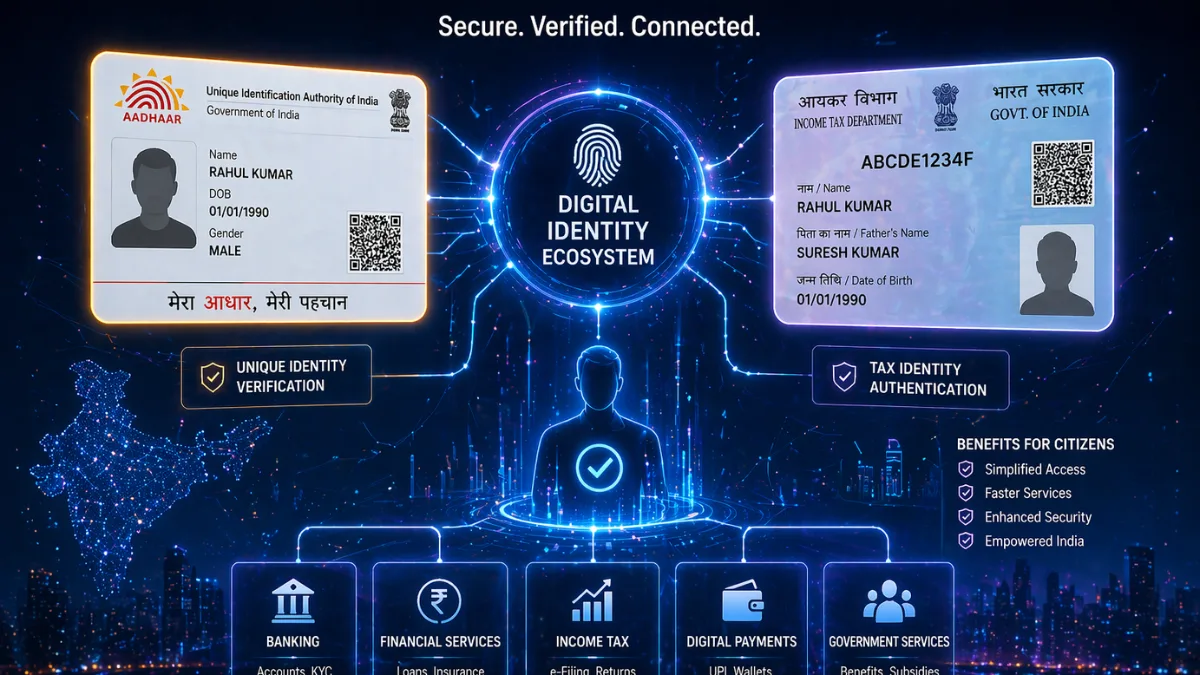
- Aadhaar-based digital identity system
- Unified Payments Interface (UPI)
- Digital Locker (DigiLocker)
- e-Governance services
- BharatNet for rural connectivity
These programs collectively sought to create an ecosystem where citizens could access services seamlessly through digital platforms.
Why It Matters
India’s population size and diversity make digital transformation both necessary and complex. With millions still dependent on offline systems, Digital India represents a structural shift in how governance and economic participation function.
What Is Happening Right Now in Digital India Reality
The digital india reality today reflects a powerful mix of rapid technological progress and persistent structural challenges. On the surface, India appears to be undergoing a digital revolution—one that is transforming payments, governance, education, and business. However, beneath this visible growth lies a complex ecosystem where progress is uneven and deeply influenced by geography, income levels, and digital awareness.
Understanding what is happening right now requires looking beyond headlines and examining both the scale of growth and the gaps that still exist.
Current Developments in Digital India
1. Massive Growth in Digital Payments
One of the most visible successes of Digital India is the explosion of digital payments. Platforms like UPI have revolutionized how transactions are conducted across the country.
- UPI transactions have reached record-breaking volumes every month
- Even small vendors and street businesses now accept digital payments
- Cashless transactions are becoming a daily habit, especially in urban areas
This shift has improved transparency, reduced dependency on cash, and brought millions into the formal financial system. However, adoption is still uneven in rural and low-income regions.
[caption id="attachment_9863" align="alignnone" width="1024"]

Digital payments have transformed everyday transactions across India, becoming a key success of Digital India.[/caption]
2. Expansion of Internet Access
India has witnessed a significant increase in internet users over the past decade.
- Smartphone penetration has grown rapidly
- Affordable data plans have made internet access more accessible
- Rural connectivity is improving through government initiatives
Despite this progress, connectivity quality remains inconsistent. Many rural areas still face slow speeds, network disruptions, and limited access to reliable infrastructure. This highlights a key aspect of the digital india reality—access does not always equal usability.
3. Rise of Digital Services Across Sectors
Digital platforms are transforming multiple sectors simultaneously:
- Education: Online learning platforms and digital classrooms
- Healthcare: Telemedicine and remote consultations
- Governance: Online portals for certificates, subsidies, and services
These services have increased convenience and reduced the need for physical visits. However, they also assume that users have digital literacy and access, which is not always the case.
4. Startup Ecosystem Growth
India is rapidly emerging as a global startup hub, driven by digital innovation.
- Increased investment in fintech, edtech, and healthtech
- Growing number of unicorn startups
- Expansion of digital entrepreneurship
This growth reflects the positive side of the digital india reality, where innovation is creating new opportunities. Yet, the benefits are often concentrated in urban centers with better infrastructure.
Why Digital India Is Trending Today
Several factors have contributed to the growing attention around digital india pros cons:
Government Push for Digitization
Policies and initiatives continue to promote digital adoption across sectors.
Pandemic-Driven Acceleration
The COVID-19 pandemic forced businesses, education, and services to go online, accelerating digital transformation.
Growth of E-commerce and Fintech
Online shopping, digital banking, and payment platforms have become mainstream.
Increased Awareness of Digital Tools
People are more aware of digital platforms and their benefits than ever before.
Ground Reality vs Digital Growth
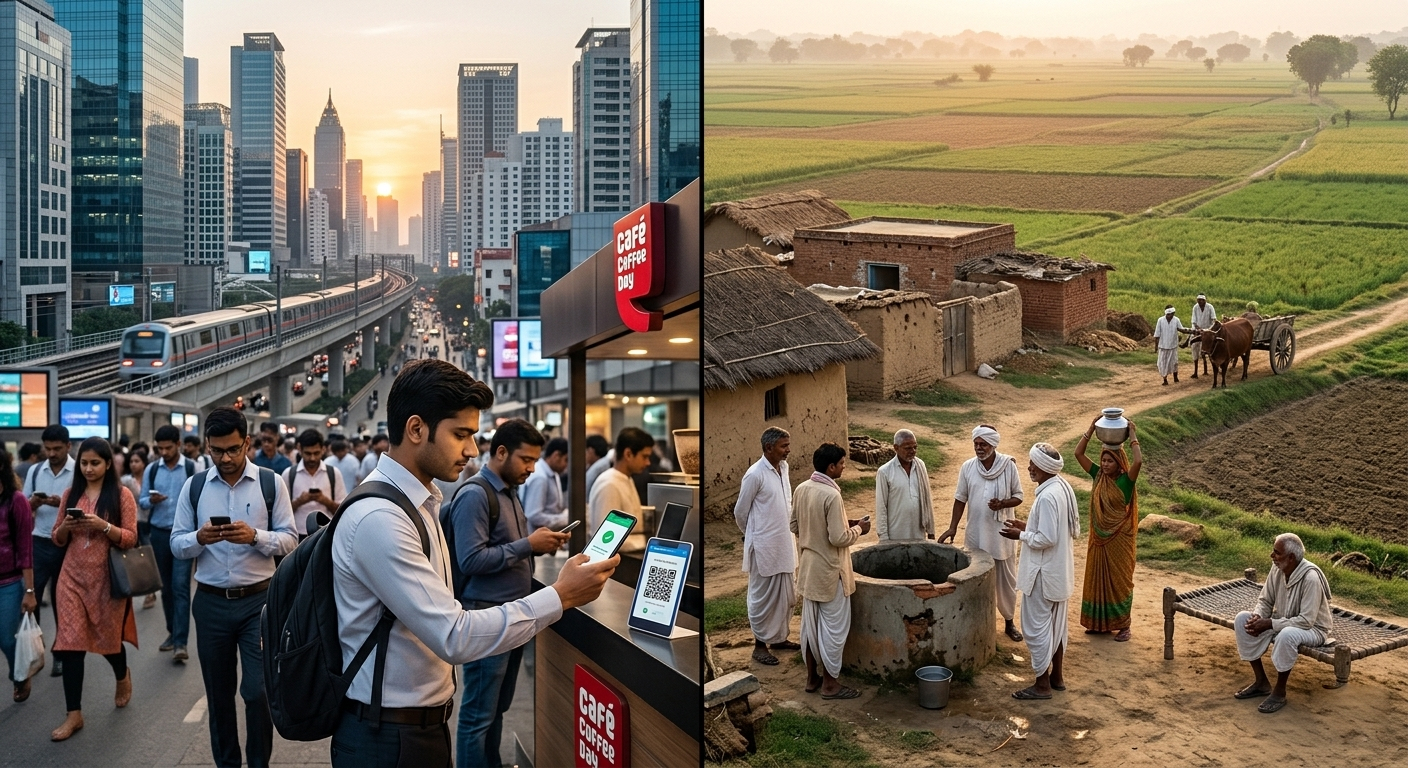
While these developments paint a picture of success, the ground-level experience varies significantly. Urban users often enjoy seamless digital services, while rural populations may struggle with connectivity, affordability, and usability.
This gap between perception and reality is central to understanding the digital india reality.
Why Digital India Reality Is Controversial
The digital india reality is widely debated because it represents both progress and disparity. The controversy arises not from failure, but from the uneven distribution of success.
Key Triggers Behind the Debate
Below is a structured scheme analysis of the major issues driving controversy:
| Issue |
Explanation |
| Digital Divide |
Significant gap in access between urban and rural populations |
| Infrastructure Gaps |
Poor network quality and limited broadband in many regions |
| Data Privacy |
Growing concerns about data security and surveillance |
| Accessibility |
Lack of digital literacy among large sections of society |
| Policy Execution |
Differences between announced policies and real implementation |
Core Controversy: Inclusion vs Exclusivity
At the heart of the debate lies a fundamental question:
Is Digital India truly inclusive, or is it benefiting only certain sections of society?
This question drives discussions around digital india pros cons and shapes public opinion. While some see Digital India as a success story, others view it as a system that unintentionally excludes vulnerable groups.
Different Perspectives on Digital India Reality
A balanced understanding requires examining both sides of the debate.
Supporters’ View: The Case for Digital Transformation
Supporters argue that Digital India has been transformative and necessary for modern growth.
1. Financial Inclusion
Digital payment systems have enabled millions of people to access banking services for the first time. This has improved financial transparency and reduced dependency on informal systems.
2. Governance Efficiency
Digitization has streamlined government processes:
- Reduced paperwork
- Faster service delivery
- Lower chances of corruption
Online portals allow citizens to access services without intermediaries.
3. Economic Growth and Innovation
The digital economy is contributing significantly to India’s GDP.
- Creation of new jobs in tech sectors
- Growth of startups and innovation ecosystems
- Increased foreign investment
4. Global Competitiveness
India is becoming a key player in the global digital landscape. Its advancements in fintech and digital infrastructure are often seen as models for other developing countries.
5. Improved Accessibility
Digital platforms have made services like education and healthcare more accessible, especially for remote areas where physical infrastructure is limited.
Critics’ View: The Challenges and Limitations
Critics argue that the digital india reality is far more complex and highlights several concerns.
1. Digital Inequality
A large portion of the population still lacks:
- Reliable internet access
- Affordable devices
- Basic digital skills
This creates a divide where benefits are not equally distributed.
2. Over-Reliance on Technology
Excessive digitization can exclude those who are not digitally literate, such as elderly populations or marginalized communities.
3. Privacy and Data Concerns
As more services go digital, concerns about:
- Data misuse
- Surveillance
- Cybersecurity risks
have become more prominent.
4. Implementation Challenges
Policies often look strong on paper but face challenges during execution:
- Lack of local infrastructure
- Administrative inefficiencies
- Resource limitations
5. Urban-Centric Growth
Most digital advancements are concentrated in urban areas, leaving rural regions behind. This creates an imbalance in development.
[caption id="attachment_9862" align="alignnone" width="1024"]

Rural connectivity is improving, but gaps in infrastructure still shape the digital India reality.[/caption]
Facts vs Claims in Digital India Reality
Understanding the digital india reality requires separating verified facts from popular narratives.
Verified Facts
- Digital transactions in India have grown exponentially
- Government services are increasingly available online
- Internet penetration continues to rise
- Digital infrastructure is expanding across regions
Common Claims
- “Digital India has solved all governance problems”
- “Everyone in India is digitally connected”
- “Digital systems are always efficient and reliable”
Reality Check
The truth lies somewhere in between:
- Growth exists but is uneven
- Access does not guarantee effective usage
- Digital systems can fail or exclude certain users
These nuances are often ignored in public discussions but are essential for a realistic scheme analysis.
What People Might Be Missing About Digital India Reality
Public debates often focus on visible outcomes but miss deeper structural issues.
1. Quality vs Quantity of Access
Having internet access is not enough. The quality of connection—speed, reliability, and affordability—plays a crucial role in actual usability.
2. Digital Literacy Gap
Many users may have smartphones but lack the skills to:
- Navigate digital platforms
- Understand online services
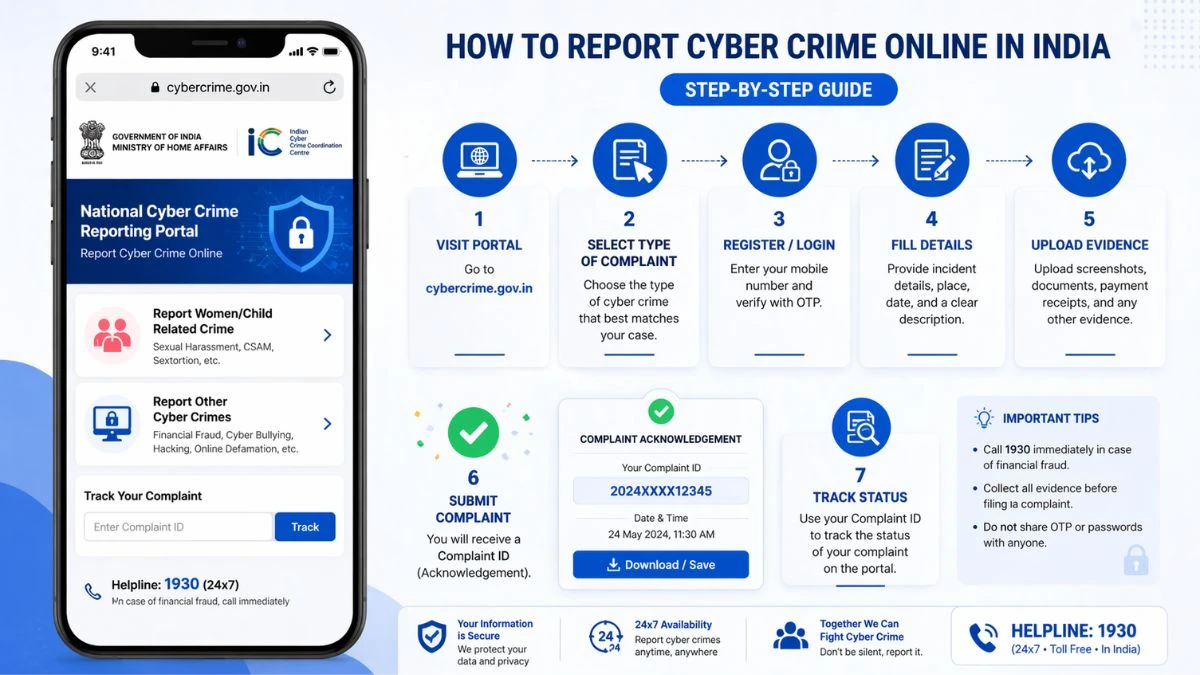
- Protect themselves from fraud
This limits the effectiveness of digital initiatives.
3. Hidden Costs of Digitization
Digital access is not free:
- Smartphones require upfront investment
- Data plans add recurring costs
- Maintenance and upgrades are ongoing expenses
For low-income households, these costs can be significant barriers.
4. Cultural and Language Barriers
India’s diversity means that language plays a major role in digital adoption.
- Many platforms are not fully localized
- Regional users may find interfaces difficult to use
This reduces accessibility despite availability.
5. Risks of System Dependence
As systems become more digital, dependence increases.
- Network failures can disrupt services
- Cyberattacks can compromise data
- Technical issues can affect millions simultaneously
This highlights the need for strong infrastructure and backup systems.
The digital India reality today is a story of transformation, but not without challenges. While the country has made impressive strides in digitization, the benefits are not equally distributed.
Understanding the balance between progress and limitations is essential for meaningful discussions around digital india pros and cons. Only by addressing the gaps—especially in access, literacy, and infrastructure—can Digital India truly achieve its goal of inclusive growth.
This ongoing journey makes Digital India not just a policy initiative, but a reflection of how technology interacts with society at every level.
Impact on Society / Economy / Users
The digital india reality has far-reaching implications.
Social Impact
- Increased access to information
- Greater connectivity
- Risk of exclusion for non-digital users
Economic Impact
- Growth of digital economy
- Job creation in tech sectors
- Disruption of traditional industries
Impact on Users
| User Group |
Impact |
| Urban Users |
Easy access to services |
| Rural Users |
Limited but improving access |
| Elderly Population |
Difficulty adapting |
| Youth |
High adoption and opportunity |
Role of Media and Narrative
Media plays a critical role in shaping perceptions of Digital India.
Positive Narratives
- Highlight success stories
- Showcase innovation
- Promote digital adoption
Critical Narratives
- Focus on failures and gaps
- Raise awareness about issues
- Encourage accountability
Social Media Influence
- Amplifies both success and criticism
- Shapes public opinion rapidly
- Can spread misinformation
The narrative around digital india pros cons is often influenced by how media frames the story.
Bigger Picture / Future Outlook
Looking ahead, the digital india reality will continue to evolve.
Key Trends
- 5G Expansion
- Faster internet speeds
- New technological possibilities
- AI and Automation
- Increased efficiency
- Potential job displacement
- Policy Improvements
- Focus on inclusion and accessibility
- Global Integration
- India’s role in global digital economy
Future Challenges
- Bridging digital divide
- Ensuring data privacy
- Improving infrastructure
- Enhancing digital literacy
The success of Digital India will depend on how these challenges are addressed.
Conclusion
The digital india reality is neither entirely successful nor entirely flawed. It represents a complex transformation that has achieved significant progress while still facing substantial challenges.
[ruby_related heading="More Read" total=5 layout=1 offset=5]
Digital India has undoubtedly changed how people interact with services, conduct transactions, and access information. However, the benefits are not evenly distributed, and issues such as digital inequality and accessibility remain critical concerns.
A balanced approach is necessary—one that acknowledges achievements while addressing shortcomings. As India continues its digital journey, the focus must shift from expansion to inclusion, ensuring that no one is left behind.
Ultimately, the true measure of success will not be how advanced the technology becomes, but how effectively it empowers every citizen.















Comments (0)