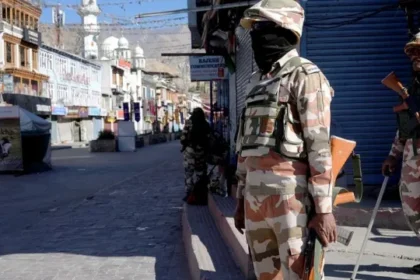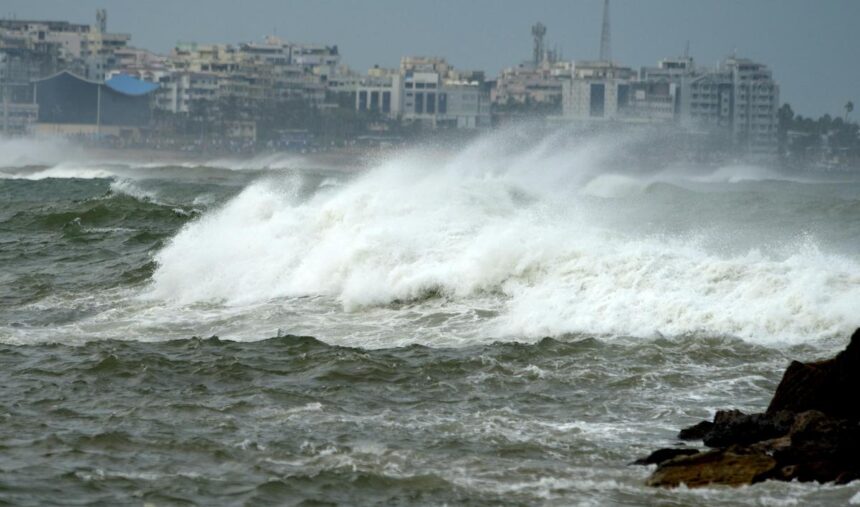
Cyclone Ditwah has presented India another lesson that extreme weather events are not unique, seasonal and predictable. They are more destructive, stronger, faster, and louder. What was believed to be a once-a-year cyclone is now a headline on nearly every India news station as well as news and other news patterns around the country.
However, the increasing number of Ditwah and other hypercharged storming events is not a mere phenomenon in nature- it is entrenched to a greater extent, associated with climate change, heat warming in the sea, and altered weather patterns of the monsoons. Whether or not the next cyclone will hit is no longer an issue but it is when and how devastating it will be.
This is an in-depth report; it is a mix of scientific knowledge, on-the-ground facts, government action, community narratives and long-term forecasts explaining why Indian cyclones are becoming progressively stronger, what the Cyclone Ditwah tells us about climate change and what India should do next.
The Urgency Following Cyclone Ditwah: Why This One was Different
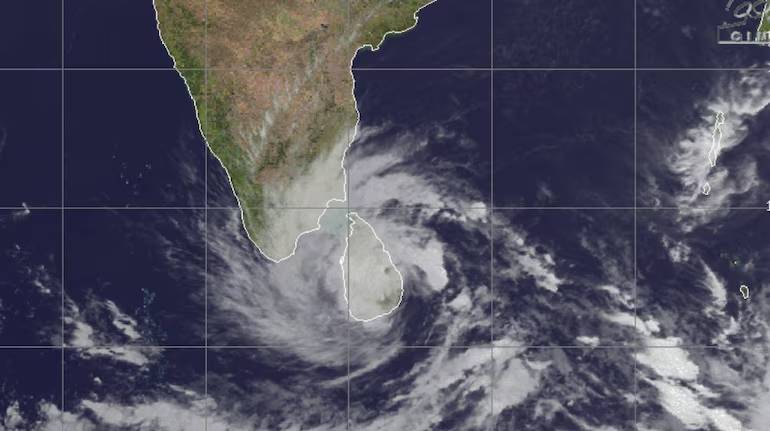
The cyclone Ditwah was formed at a rate that was below any expectations, strengthened abruptly without any warning and moved across tracks in some manner that had the experts of the India Meteorological Department concerned. The acceleration of intensification rate (where a storm makes a category leap in a few hours) is a characteristic of climate-driven cyclones across the globe.

India is an exceptional country with exposure to the tropical cyclone between the Arabian Sea and Bay of Bengal. However, Ditwah was distinct in three ways:
Rapid Intensification
The cyclone intensified much faster than average particularly due to abnormally warm sea-surface temperatures. This has become a norm in cyclone history in India.
Inconsistency of the track changes
Several prediction models failed because the cyclone deviated because of unpredictable wind shear and heat pockets in the ocean- aggravated by the fluctuations in climate.
Larger Impact Area
The field of wind covered the extensive area of the storm, far inland. Coastal villages, fishermen, metro cities and even inland districts were on high alerts.
These indications are congruent to a more general scientific fact: climate change is accelerating cyclones particularly in the Indian subcontinent.

The Climate Connection How India Storms Grew More Destructive
The science is clear. Cyclones generate energy through hot seawater. Storms grow stronger when the temperatures increase. The Indian oceans, particularly the Arabian Sea have been warming at a higher rate than the rest of the world. This warming gives birth to storms which last longer and turn violent.
This is the climate change stronger-than-steroid-effect on storms:
Warmer Seas = More Energy
Cyclones become more powerful in case the seawater temperature rises to above 28degC. Today, stretches of the seas of India routinely reach 30-31degC -optimal cyclone fuel.

An increase in humidity means increased precipitation
Hot weather contains more moisture leading to extreme rains. This is the reason why cyclones are currently resulting in huge inland flooding not just the shoreline destruction.
Wind patterns that are not steady = Tracks that are unpredictable.
Climate change interferes with frost winds and jet streams moving about, appearing out of the blue-tpline causicating cyclones, and improving ones, which is exactly what occurred to Ditwah.
Robertson Count, slower cyclones cause more damage
There are now slowly moving storms or stalled storms that result in heavy rainfall in a single location and cause massive floods.
Rise in Severe Cyclones
The data released in the national affairs briefs by IMD has revealed a continuous rise in the number of Very Severe Cyclonic Storms (VSCS) in India during the past ten years.
In other words, climate change has recreated the cyclone map of India and the Cyclone Ditwah is evidence that the storms to come are probably to be even more powerful.
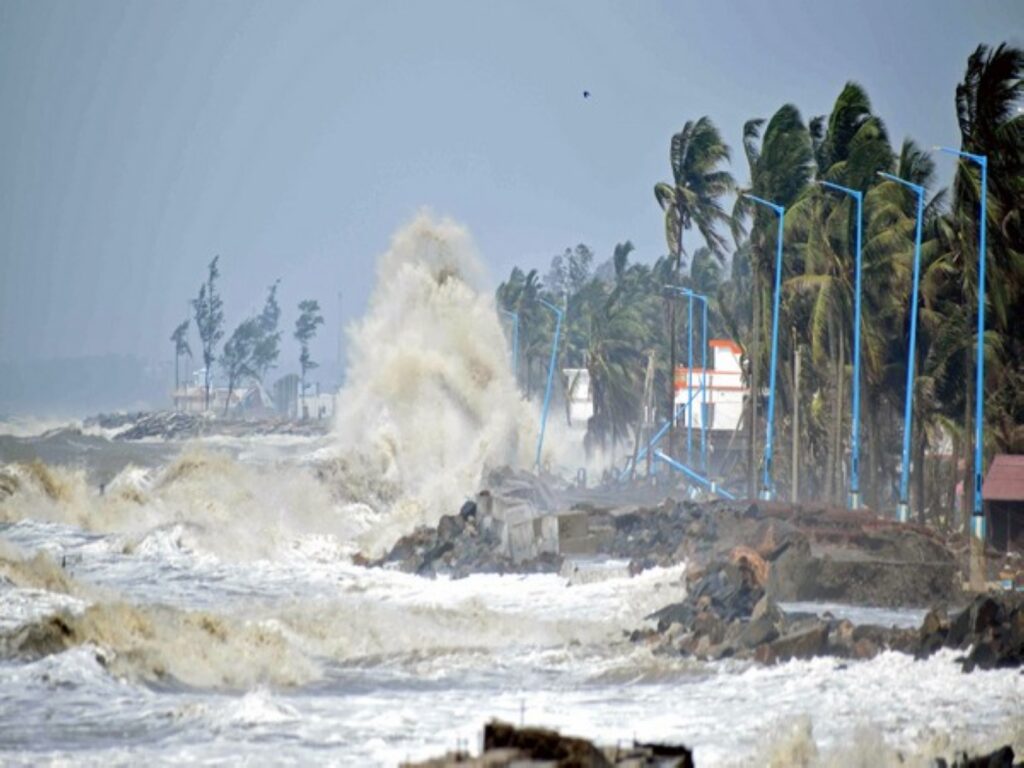
A Brief History: When Indian Cyclones Changed over the decades
We can only comprehend Ditwah by comprehending cyclone history of India. Over decades Bay of Bengal generated the vast majority of cyclones of the worst character, as the Arabian Sea was rather calm. However, that has changed drastically.
1950s-1980s: Cyclones were isolated and periodic
- Cyclones normally occur during the pre monsoon months and post monsoon months.
- The major storms were predictable.
- Poor infrastructure and poor communication systems were major causes of destruction.
2000s-2010s: Unpredictable Trends
- The strength of cyclones started to grow.
- States that had to experience or develop evacuation systems due to recurrent calamities, such as Odisha, developed better evacuation systems.
2010-2018: Turning Point
- Oceans in India overheated.
- The rise in sea level was being felt along cities such as Chennai, Mumbai and Kolkata.
- Cyclones started attacking during off-season even during winter.
2019-2025: The Age of Supercharged Cyclones.
Cyclone Ditwah becomes the list of strong storms which occurred in India recently:
- Fani
- Amphan
- Tauktae
- Yaas
- Biparjoy
All these storms increased in intensity because of warmer water, the duration of the storms, and weather-related changes in the atmosphere.
This alarming trend is the trend informed by Cyclone Ditwah, reminding us that, the cyclone season is growing and tightening.
Inside Cyclone Ditwah: Its Track, Intensity and Effect
Although all cyclones are harmful, Ditwah introduced some distinctive peculiarities that attracted the attention of India.
Ditwah’s Path
The storm was created in warm seas, gained strength quickly and increased its radius of dispersion. Even though there were prior warning signs given by meteorologists the quick growth compelled emergency planners to take action in rapid mode.
Impact on Coastal Regions
Days of work were lost by coastal fishermen. Coconut plantations and salt-farming communities were recording massive losses. The small towns experienced blackouts and roofs blown off, and areas more distant inland experienced unanticipated flooding.
Metro Cities on Alert
Major cities that are hundreds of kilometers away were also affected by:
- Road waterlogging
- High-intensity rainfall
- Power fluctuations
- Airport delays
This supports the fact that current cyclones are not impacting on isolated areas like coastal communities alone, but they are impacting on the whole states.
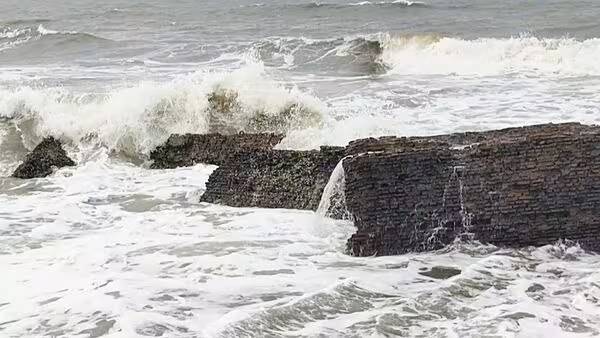
Voices from the Ground: The impact of Cyclone Ditwah in the lives of ordinary people
The numbers of climate change are not everything. Citizens who reside in vulnerable areas experience the actual effect. These are practical considerations based on related cyclone hits news releases that have been fronted throughout the national affairs media and in the PIB media briefs.
The fisherwoman of Tamil Nadu.
Revathi, her age being 36 years, had just come back with her first good catch of the week when Ditwah came in with alerts.
They were taking away the sea every year, she said. there are greater winds, and boule, higher waves. We know you are not the same as before, Knowing Each Other.
She relies on the ocean to make a living, yet it is becoming erratic.
The Salt Worker of Gujarat
A 57-year-old salt pan laborer said that severe rains due to Ditwah wiped off the production in weeks.
Even the old people say that there were no such strong cyclones in the past, he said.
A Schoolteacher in Odisha
The school was used as an evacuation shelter during the storm.
Why have storms so much increased, children ask you, why, why, she said. We inform them that the climate is changing, but they need more than that, and have a better future.
Government Response and Policy: The Way India is Managing Stronger Cyclones
India boasts of one of the most superior disaster-management systems in the global arena. As the storms are increasing in intensity, so is the preparedness in India.
The following are key policy measures, depending on government activities as in PIB releases, and climate adaptation reports by NITI Aayog:
Early Warning Systems
The multi-layered cyclone alerts of India are now being done with:
- Optimized satellite tracking.
- Doppler radars
- The revised prediction models of IMD.
These systems assisted in minimizing loss of life considerably.
Evacuation Capacity
The coast states such as Odissa and Gujarat have constructed:
- Cyclone shelters
- Elevated schools
- Volunteers in disaster preparedness.
This has resulted in the saving of thousands of lives.
Coastal regulation Zone (CRZ) Policies
In order to mitigate the risk, the government has established the restrictions concerning:
- Coastal construction
- Sand mining
- The growth of industries in sensitive areas.
Climate Adaptation Mission that is informed by NITI Aayog
The focus areas include:
- Strengthening embankments
- Restoring mangroves
- Protecting wetlands
- Increased insurance of farmers.
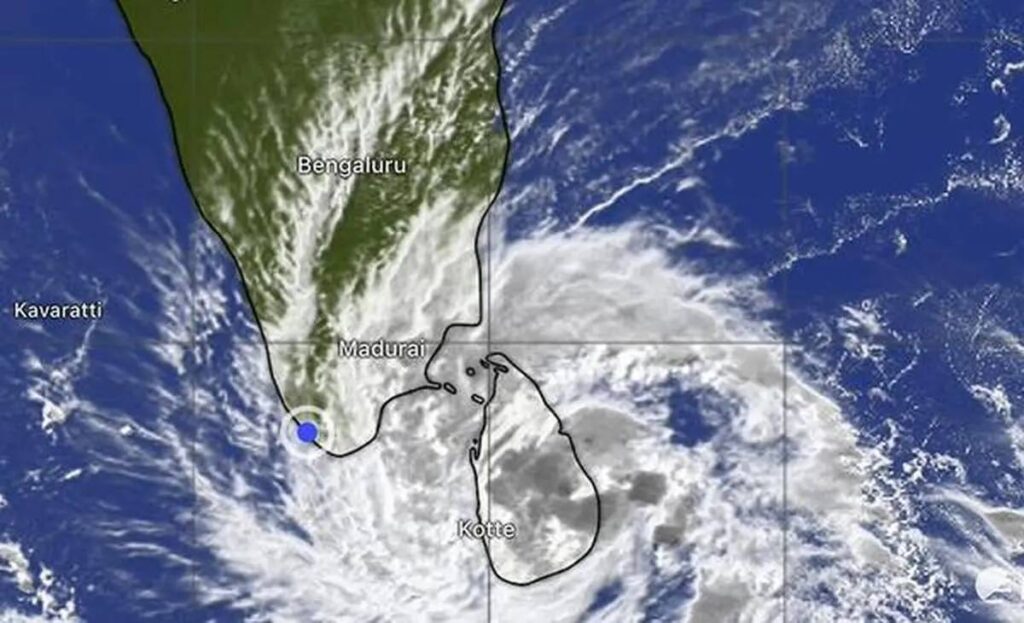
National Disaster Response Force (NDRF)
Before storms strike, units are now pre-positioned in cyclone prone districts, which increases response rate.
Although these measures are strong, the experts believe that the processes of climate change are changing more rapidly than the policies are updating and thus constant updating is necessary.
Why Cyclones Have Become a Threat To Inland India, as well
Historically, the coastal belts were affected by cyclones. But inland India is no longer safe: Cyclone Ditwah demonstrated a new threat.
Why?
- The heated air is full of moisture in the core of the mainland.
- The distance travelled by a storm is then diminished.
- The rivers are easily burdened with excessive precipitation.
- Urban drainage system cannot withstand heavy rains.
Flooding in cities such as Hyderabad, Bengaluru, Nagpur and Pune has occurred in the recent past due to climatic factors- even when the cities do not face the impact of the landing cyclone.
Ditwah entered this trend, and the climate change is recasting the rain geography of India.
The Science of Increasing Indian Cyclones: What Experts Say
The researchers of the Indian Ocean distinguished three key drivers of climate:
Indian Ocean Warming
Over past 100 years, the Indian Ocean has already been heated by almost 1degC, which is higher than that of the rest of the world.
Sea-Level Rise
Rising seas mean:
- Higher storm surges
- Coastal erosion
- Intrusion of saltwater in farmlands.
Monsoon Strengthened variability
Climate change has undermined the classic monsoon patterns and generated erratic weather patterns and strengthened cyclones.
The Arabian Sea Factor
The Arabian Sea now is heaviest bringing:
- More cyclones
- Stronger cyclones
- Longer-lasting cyclones
Ditwah is an excellent example of this new trend.
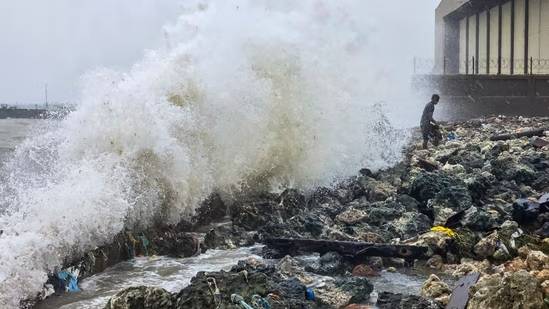
Economic Cost of Climate Change and Ditwah Cyclone
Cyclones are not mere natural disasters, but they are also disruptive economically. The prices of storms caused by climate in India are soaring.
The business impact on the economy comprised in Cyclone Ditwah includes:
- Damage to ports
- Crops on the coast were destroyed.
- Fishing industries suffer losses.
- Interrupted supply chains
- Infrastructure damage
- Waterlogging and its healthcare effects.
In a series of government economic surveys, India is losing billions of rupees in a year due to disasters brought about by climatic change. In the next couple of decades, this figure can only increase, unless serious climate adaptation measures are undertaken.
How India could be transformed by climate change in 2050
Providing that the current trends remain, India can experience:
Increased and stronger cyclones.
The speed at which storms intensify and persist will increase.
Coastal Cities at Risk
There may be severe flooding in Mumbai, Chennai, Visakhapatnam, Kochi, and Kolkata.
Crop Damage
Cyclone rains cause disruption of sowing, leading to effects on food security.
Millions might have to relocate towards the inland regions.
Water Scarcity and Waterlogging Paradox.
Certain areas will experience droughts and others will be submerged.
It is not the last and the worst cyclone we can expect to experience called Ditwah. It is a preview.
What India Should Do: Future-oriented Climate Strategy
India must have violent mitigation and adaptation strategies to save lives, economy, and environment. That is what professionals suggest:
Coastal Protection
- Strengthen mangroves
- Restore wetlands
- Build natural buffers
More Powerful Construction Codes
Every building on the coast needs to be designed in the manner that will protect it against this cyclone.
Urban Drainage Reform
Antiquated drainage systems should be improved, particularly those found in flood prone metros.
Climate Education
Young children in schools should be taught climate literacy.
Green Energy Push
Switch to renewable energy needs to be hastened so as to decrease emissions.
Early Warning Literacy
Societies have to be knowledgeable of warnings and escape plans.
All these steps need to be coordinated among the government and citizens, the private sectors and international partners.

What criticizers Can Actions: Steps to action
For Students
- Examine the climate patterns and join green organizations.
- Disaster safety Learn disaster safety procedures.
- Develop sensitisation at the school levels.
For Working Professionals
- sponsor corporate sustainability programs.
- Lessen individual carbon footprint.
- Monitor risks of climate at city level.
For Coastal Communities
- Direct after IMD state disaster alerts.
- Prepare emergency kits
- Through government insurance programs, secure livelihoods.
For Citizens Across India
- Less waste and waste energy consumption.
- Use local species of plants which will take up the heat.
- Policymaking in support of pineal climate policies.
Climate change has become no one-men show- there should be collective responsibility.
Cyclone Ditwah, Not an isolated Case Don’t Ignore the Warning
More Read

Cyclone Ditwah is the predictor of a new climate age in India that is storms have increased in force in yet a short time, have broken the traditional pattern and have been affecting regions miles off the coastlines. The response of India to Ditwah indicates that India is evolving more quickly than ever, and yet the climate is evolving more quickly.
It is only a question of time before India becomes stronger:
- Its climate policies
- Its infrastructure
- Its public awareness
- Its commitment to the environment.
The storms will continue. But it does not necessarily have to destroy.