The Ahoi Ashtami is a more somber celebration in India during the festive season. It is not a huge occurrence, but the silent might of mothers. This is an ancient emblem of love, forgiveness and defense against God. The Vue Times examines the tale, the practices and how Ahoi Ashtami is still applicable in the present day and the connection between mothers and kids.
During the heavy season of autumn, when things have calmed down and the festivals of Indian houses are strewn with piety and candles, there is a soft yet solemn festival: Ahoi Ashtami. It is primarily celebrated by Hindu mothers, and it expresses love, faith, and hope towards a long life and good health of their children.
Ahoi Ashtami is unlike Karwa Chauth and centers on a close relationship between a mother and her child. It depicts the selfless prayer of a mother and her unending strength that transcends the boundaries of generation, location, and even belief.
However, there is more than its rites itself in Ahoi Ashtami: the rich cultural narratives, concepts and an increasing modern topicality make it significant to this day.

The Story of Ahoi Mata: Sin to Salvation
Indian festivals are stories that connect them to morality, meaning, as well as faith. Ahoi Ashtami is the same. The narrative begins with an ordinary mother whose actions made a slip-up that created a divine revelation.
Many years ago, a woman in a small village had numerous sons. On the eve of Diwali, she went to the forest to collect soil to repair her house walls. Her spade accidentally injured one of the baby lionesses when she was digging (some say, it was a cub, or a hedgehog). The baby died and the sad mother lion cursed the woman, all her sons would be dead in a year.
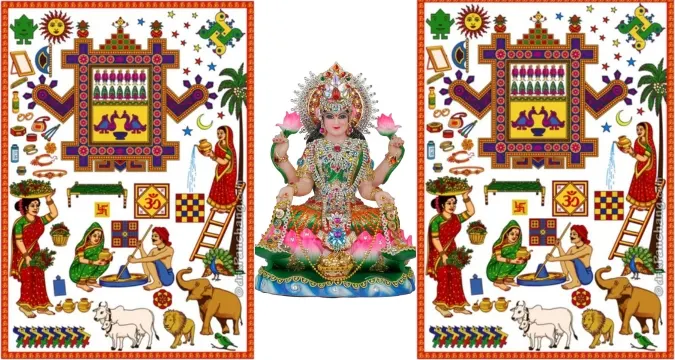
She was fearful and regretful therefore she requested the assistance of sages and priests. They instructed her to repent her unintentional sin by revering Ahoi Mata, who is an incarnation of Goddess Parvati, and by fasting with a pure heart and devotion. She had been requested to paint on a wall a picture of the lioness (the emblem of Ahoi Mata) and implore fervently. She ought to fast on the eighth ( Ashtami ) day of the waning lunar month (Krishna Paksha) of the Kartika month.
Her efforts worked. Her sons lived and tranquility was restored to her house. Since then mothers have been honoring Ahoi Ashtami requesting the blessings on the safe long life of their children.
The Symbolism of Ahoi Mata
Ahoi Mata is the Goddess Parvati who is the mother of gods and the guardian of children and families. The figures normally depict her seven sons and a lion or porcupine, which is the maternal shield as well as the life cycle.

Ashtami day is to the fierce yet loving half of Devi, and teaches us that manufacture and safety may coexist, as a mother may be soft and powerful in the supportive grasp of her spawn.
Rituals and Observances
During Ahoi Ashtami, mothers get up earlier in the morning and vow to fast until the stars come out at night. Customarily they neither eat nor drink at all, though more and more will now rapid on fruit or milk out of health considerations.
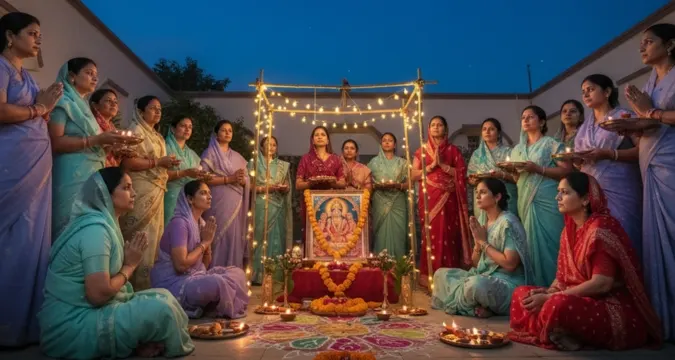
The way the observance works is in the following way:
Morning Preparations:
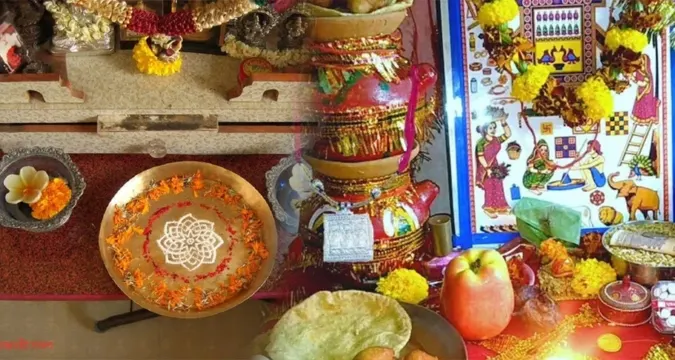
Prepare rangoli or flowers and clean and decorate the worship place. Ahoi Mata is painted on the wall by many mothers, with red color or natural dye and with tiny figures revealing stars or children.

Drawing the Ahoi image:
The image typically depicts a lioness, her cubs and stars. A small dot or line is indicated on each child in the family.
Afternoon anecdotes and bhajans:
Women gather in groups and listen to the Ahoi Vrat Katha (tale of Ahoi Mata) and sing devotional songs. This neighborhood section helps to preserve the tradition and enhance the social ties.
Evening ritual:
At the time when the stars appear, mothers pour water over them and also pray to the stars which symbolize the infinite universe that is safe over their children. It is more fortunate to see the Saptarishi (the Seven Stars).
Breaking the fast:
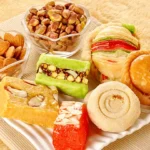
The evening prayer is followed by breaking the fast through giving food to deity and afterwards sharing it with the family. Other moms prepare sweet puris and halwa too to break their fast.
Is Ahoi Ashtami Only for Sons? The Evolving Meaning
Ahoi Ashtami was traditionally made by mothers in favour of their sons. At times in the past, due to the preference of sons, the fast was concerned with the survival and well-being of boys.
This has shifted in modern India. Now, many mothers starve both sons and daughters. It is not about gender anymore but the universal motherhood that mothers all children equally well.
This shift demonstrates the transformation of Indian society: it does not give up tradition and is willing to be egalitarian. Mother Ahoi, the undying mother, does not separate her offspring; this changeability demonstrates why the festival is important nowadays.
The Spiritual Intelligibility of the Fast
Although rituals constitute the external façade of Ahoi Ashtami, it is deeper in spiritual nature. The fast is considered a symbol of repentance, protection and surrender – all the main virtues of Indian spirituality.
- Regret of one’s own fault, even inadvertent ones.
- The divine right and duty of protection as a mother.
- Give up to the cosmic forces and realize that the Divine holds ultimate power to life and safety.
Here, Ahoi Ashtami is not all about mamma and child love alone; it is religious talk between the mother and the universe, a lesson that in the presence of mamma and the heavenly mercy two people are walking together.
Regionalism and Cultural Diversity
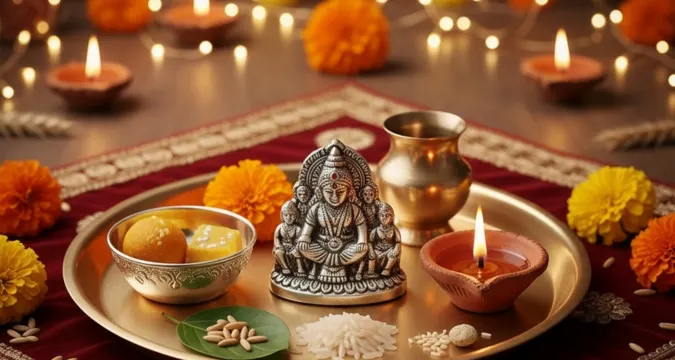
- Even though Ahoi Ashtami is best celebrated in North India, the spirit is spread in a number of regions with various names or traditions.
- It is practiced in the community gatherings in Delhi, Punjab and Haryana through story telling.
- In U.P, women make silver figures of Ahoi Mata to be worshiped
- Some families in Maharashtra intertwine these rituals with the local version of celebrations that is directed towards Parvati or Shashthi Devi.
- The Rajasthan women do the same by pouring themselves into the stars and giving them gifts or food, especially neem, with the aim of harmony and gratitude.
Such regional variety contributes to the richness of the festival – each family develops its own image of devotion.
Current Relevance and Modern Interpretations
There is a transformation in our rituals as society evolves but the essence of emotion is universal.
The modern day urban moms tend to make a more conscious and symbolic interpretation of Ahoi Ashtami. Most people do not fast in traditional ways because of health or work rates, but they are able to participate in digital satsangs, visits to the temple, or perform symbolic prayers with their children.
Even social media has revitalized this old vrat. Women tell their stories, homemade Ahoi thalis, and spiritual insights, and transform something so personal into an international festivity of motherhood.
Furthermore, Ahoi Ashtami can now be considered a cultural translation between the new and older generations, where young Indians can learn the power of emotional consciousness and emotional strength of their mothers, and at the same time, harmoniously enter the realm of modern living.
Philosophy of Ahoi Ashtami: Rituals Onwards
Ahoi Ashtami, in a larger context, is a reflection of the eternal philosophy of India karma, forgiveness, and devotion. The narrative about the repentance of the woman is a lesson that an unconsciously made harm can also be forgiven by repentance and prayer.
It is an image of universal maternity – the maternal power of creation that lives regardless of the obstacles.
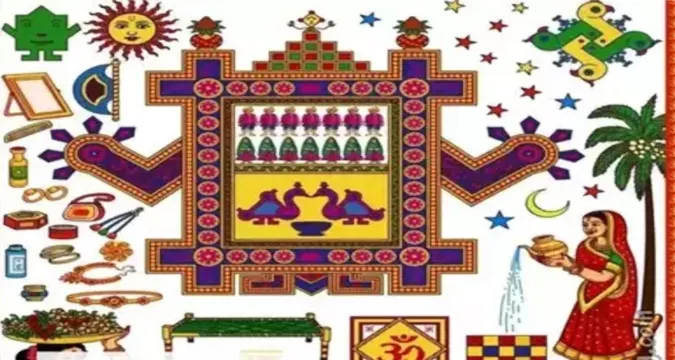
Ahoi Ashtami, philosophically, is a symbol of Shakti, female energy that remains and protects, provides and gives, and forgives, a reminder that Goddess is often rocked in loving and taking care of us and not force.
Conclusion
Ahoi Ashtami is a silent but effective monument to Indian womanhood, its strength, which is emotional, spiritual, and human.
There is in every mother who is fasting at daylight and at nightfall, who prays to stars and deities, who thanks and blesses, the timeless fire of passion that time never soothes.
Ahoi Ashtami may be observed in a countryside courtyard or a city flat but, nonetheless, Ahoi Ashtami still serves as one of the live links between the past and the present.
It is not merely a fast but a moving prayer, a ceremony of hope and a tale of faith that would ever remain as the heart of Indian culture.