
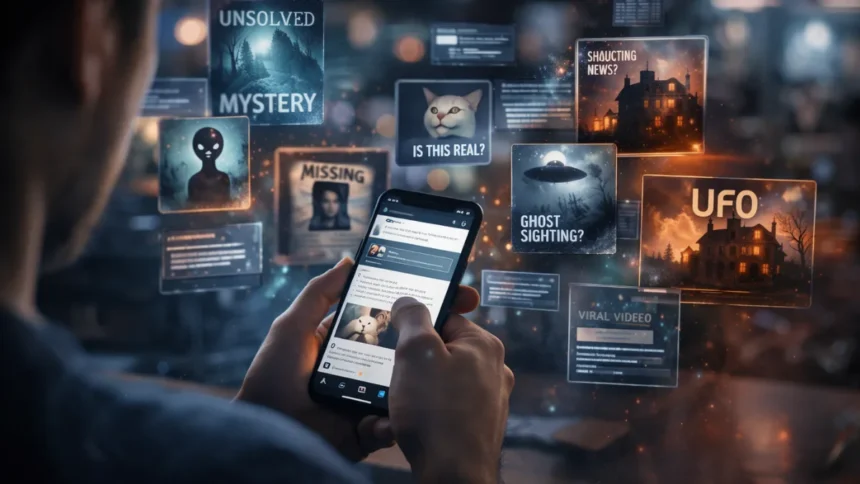
It usually begins with something small. A blurry screenshot. A strange comment thread. A story someone swears happened to “a friend of a friend.” Then, almost quietly, it spreads. It gets shared, reshaped, exaggerated. Weeks later, it’s no longer just a post—it’s something else entirely. Something persistent. Something people believe.
That is where Internet Lore begins.
Not with facts, but with momentum.
What Is Internet Lore and Why It Feels So Real
Internet Lore is the collection of stories, myths, inside jokes, and shared narratives that evolve online over time. Unlike traditional folklore passed through generations, these stories move at the speed of a retweet. They can form overnight and reach millions before anyone stops to question them.
Think of the countless viral “truths” people casually accept: conspiracy threads, unexplained Reddit stories, or strange digital legends that circulate without a clear origin. Some are harmless. Others shape opinions, behaviors, even decisions.
What makes Internet Lore fascinating is that it doesn’t rely on accuracy—it thrives on engagement.
The more people interact with a story, the more “real” it becomes.
The Origins of Internet Lore: From Forums to Feeds
Long before algorithm-driven platforms dominated attention, early internet communities like forums and message boards laid the groundwork for what we now recognize as Internet Lore.
Spaces like Reddit, 4chan, and niche blogs became breeding grounds for collective storytelling. Users contributed fragments—ideas, images, experiences—and over time, these fragments formed narratives.
What changed in recent years is scale.
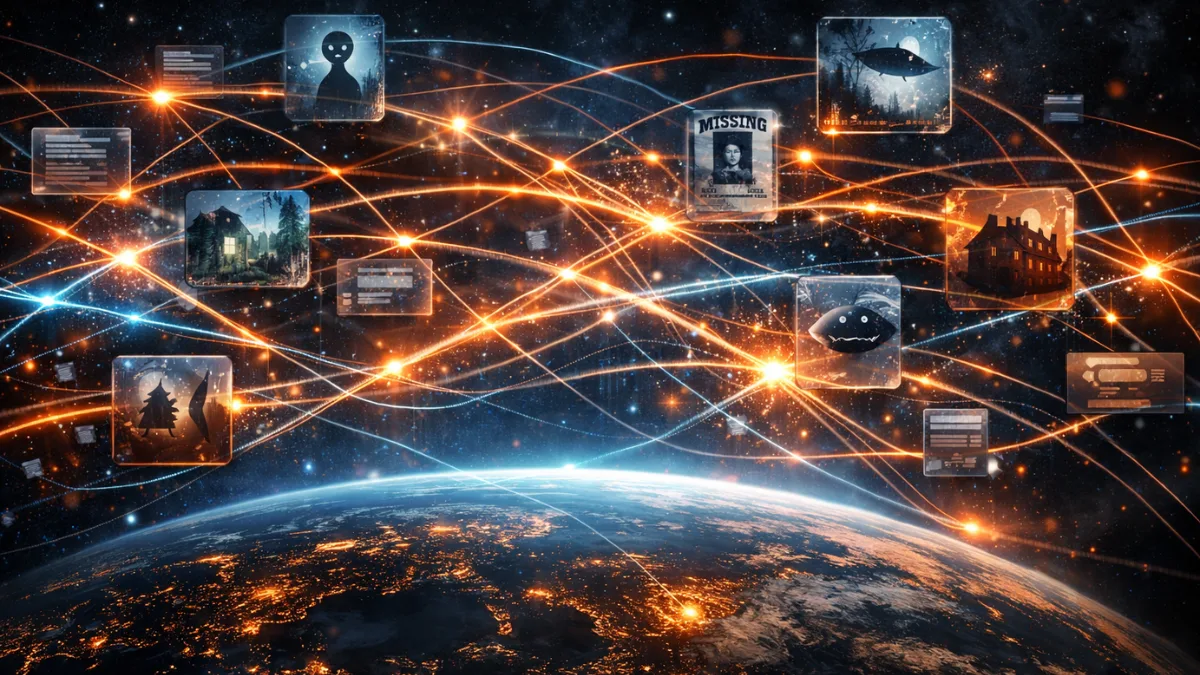
Platforms such as Instagram and TikTok transformed these slow-burning stories into viral phenomena. Now, Internet Lore doesn’t just evolve—it explodes.
A single video can turn a niche story into global conversation within hours.
Why Internet Lore Is Trending Right Now
There’s a reason Internet Lore feels more visible today than ever before. It aligns perfectly with how modern digital platforms function.
Algorithms prioritize content that sparks curiosity, emotion, or confusion. Internet Lore checks all three boxes.
A mysterious story invites clicks.
A controversial claim triggers debate.
An unresolved narrative keeps people coming back.
It’s not accidental—it’s structural.
We are now living in an environment where stories that are ambiguous or provocative perform better than those that are clear and factual. Internet Lore thrives in that ambiguity.
And audiences, knowingly or not, participate in its growth.
The Psychology Behind Why We Believe It
At its core, Internet Lore taps into something deeply human: the need to make sense of uncertainty.
When information is incomplete, the brain fills the gaps. When a story is shared repeatedly, it begins to feel familiar—and familiarity often gets mistaken for truth.
This is where Internet Lore becomes powerful.
People don’t just consume these stories. They contribute to them. They interpret, remix, and retell. Each version adds another layer of credibility, even if the foundation is shaky.
There’s also a social element.
Believing—or even just engaging with—Internet Lore creates a sense of belonging. You’re part of something. You’re “in on it.” In an increasingly fragmented digital world, that sense of shared narrative is compelling.
When Internet Lore Becomes Influence
It’s easy to dismiss Internet Lore as harmless entertainment. But its influence runs deeper than it appears.
Brands monitor it. Creators build content around it. Entire marketing campaigns now leverage viral narratives that resemble Internet Lore.
In some cases, companies intentionally seed stories that feel organic, hoping they’ll evolve naturally across platforms. The goal isn’t just visibility—it’s participation.
Because when people feel like they discovered something themselves, they’re more likely to trust it.
This is where the line between storytelling and strategy begins to blur.
Internet Lore isn’t just culture anymore. It’s a tool.
The Risk: When Stories Outpace Truth
There’s a downside to the speed and scale of Internet Lore.
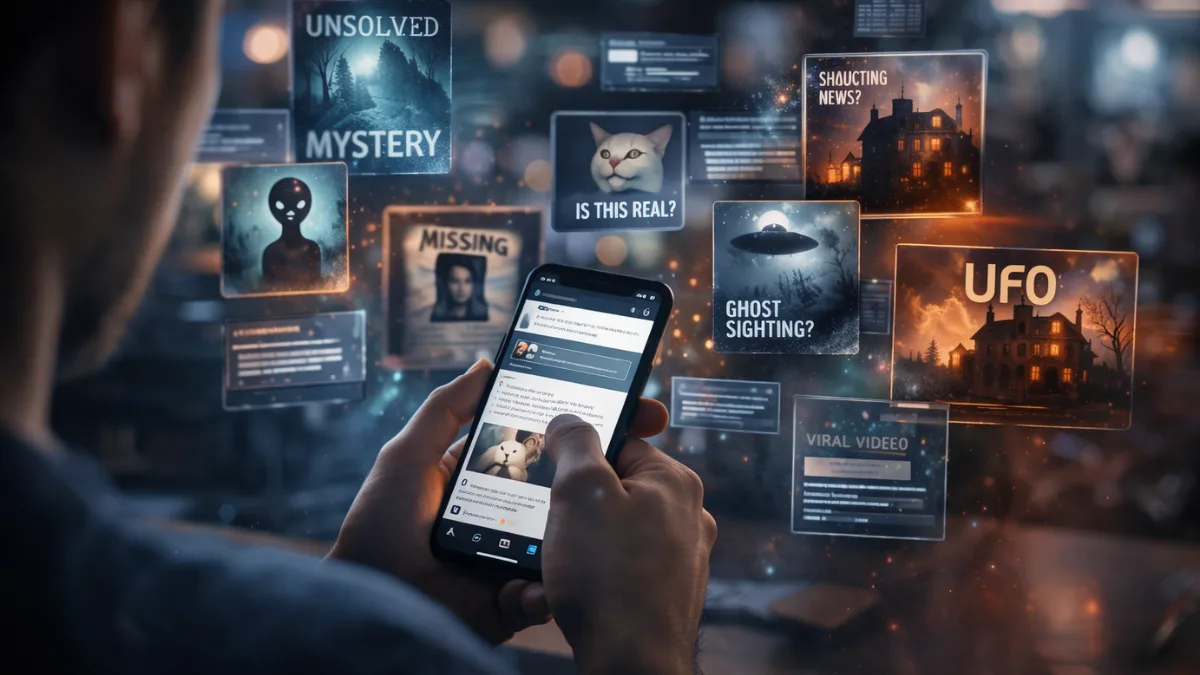
When narratives spread faster than verification, misinformation becomes difficult to control. A rumor can shape perception long before facts catch up. By the time corrections appear, the original story has already taken root.
And unlike traditional media, Internet Lore doesn’t have a central authority to correct itself.
It evolves based on engagement, not accuracy.
This creates a strange dynamic: stories don’t disappear when they’re proven false—they adapt. They resurface in new forms, detached from their original context.
In that sense, Internet Lore is less like news and more like memory.
And memory, as we know, is not always reliable.
The Future of Internet Lore in a Hyper-Digital World
Looking ahead, Internet Lore is unlikely to fade. If anything, it will become more sophisticated.
As AI-generated content becomes more common, distinguishing between reality and narrative will become harder. Stories will feel more polished, more believable, more immersive.
At the same time, audiences are becoming more aware. There’s a growing skepticism—a recognition that not everything viral is true.
This tension will define the next phase of Internet Lore.
On one side, increasingly convincing narratives.
On the other, increasingly cautious consumers.
Somewhere in between, the stories will continue.
More Read

Conclusion: The Stories We Choose to Believe
Internet Lore isn’t just about the internet. It’s about people.
It reflects how we process information, how we share experiences, how we build collective meaning in a space where everything moves quickly and nothing feels permanent.
But here’s the paradox: the faster content moves, the more we hold onto the stories that feel lasting.
Maybe that’s why Internet Lore persists.
Not because it’s true—but because it feels true enough.
And in the digital age, that might be all a story needs.
Final Insight
In a world driven by speed, Internet Lore reminds us that influence doesn’t always come from authority—it often comes from repetition. The next time a story feels strangely convincing, pause. Not to reject it, but to understand why it resonates.
Because the internet doesn’t just spread stories.
It teaches us how to believe them.-The Vue Times
Frequently Asked Questions
What is Internet Lore?
Internet Lore refers to online myths, stories, and narratives that spread across digital platforms and gain collective belief over time.
How does Internet Lore spread so quickly?
It spreads through social media algorithms, shares, comments, and user engagement, which amplify emotionally engaging or mysterious content.
Is Internet Lore always false?
Not always. Some stories may have real origins, but they often get exaggerated, altered, or misinterpreted as they spread.
Why do people believe Internet Lore?
Psychological factors like familiarity, repetition, and social validation make these stories feel credible, even without evidence.
Can Internet Lore impact real-world decisions?
Yes, it can influence opinions, consumer behavior, and even public discourse, especially when widely accepted.