

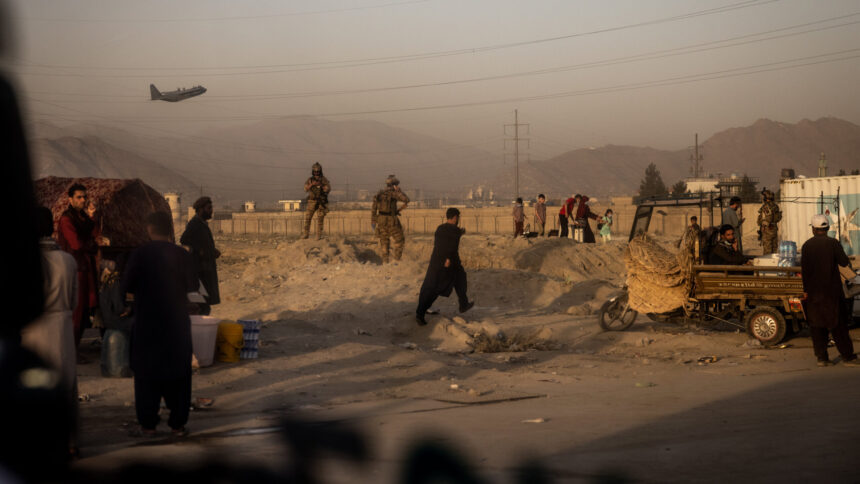
The South Asian region is witnessing a sudden and sharp escalation in hostilities between Pakistan and Afghanistan. What began with border skirmishes has rapidly spiraled into airstrikes reaching Kabul and fighting across the frontier. With dozens killed and critical infrastructure at risk, both nations have agreed, at least temporarily, to a 48-hour ceasefire. The truce may offer a breather, but deep fissures remain, and the potential for renewed conflict looms large.
1. Context & Underlying Tensions
Historical and geopolitical roots
Pakistan and Afghanistan share a long, porous, and contested border of some 2,600 km (the Durand Line) that has historically been a zone of conflict, insurgency, and cross-border militant movement. The return of the Taliban to power in Afghanistan in 2021 changed the diplomatic and security dynamics — once allies, Islamabad and Kabul have drifted apart amid accusations of harboring militant groups.
Pakistan, for its part, has long accused Afghanistan’s Taliban government of providing sanctuary to Tehrik-e-Taliban Pakistan (TTP) fighters who launch attacks inside Pakistan. Islamabad views the border as a vulnerability. The Afghan Taliban, while officially denying these claims, have faced pressure from Pakistan to clamp down, complicating intra-Taliban politics and regional alliances.
In recent weeks, cross-border exchanges of fire had already escalated, forcing Pakistan to temporarily shut several border crossings such as Chaman and Torkham.
Triggering incident
The immediate spark was a reported overnight assault by Afghan forces or Taliban fighters on Pakistani border posts in the Chaman / Spin Boldak / Kurram regions. Islamabad responded with artillery, mortar fire, drone strikes, and air attacks targeting insurgent bases inside Afghanistan and, controversially, in Kabul itself.
Pakistan’s military claimed the Afghan side “launched unprovoked fire” on border posts, prompting retaliation. It said it struck Taliban positions in Kandahar and even inside Kabul. The airstrikes in Kabul, in particular, signaled a major escalation — an attack on the Afghan capital by its neighbor is virtually unprecedented in recent years.
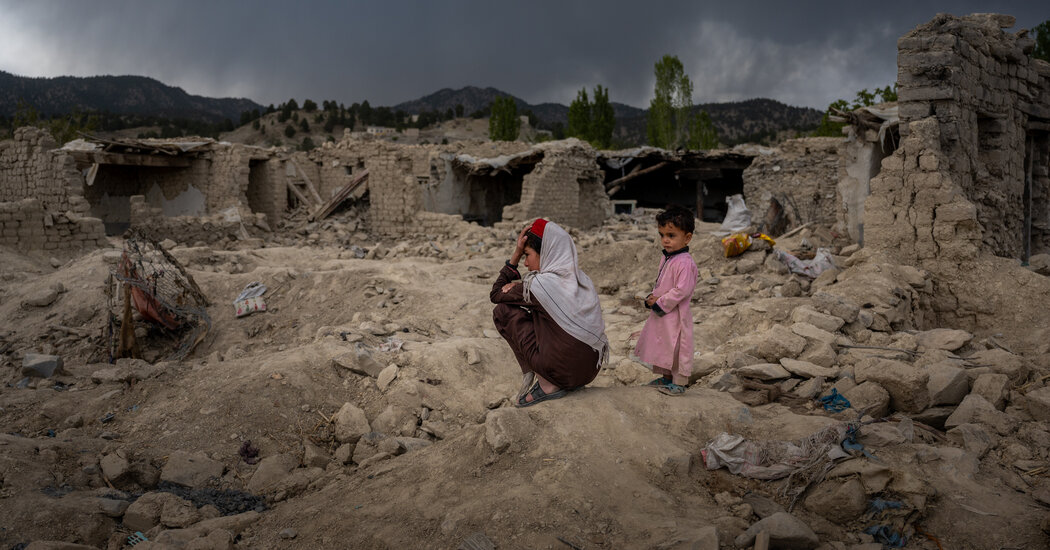
Civilians, already burdened by economic hardship and years of conflict, found themselves in the crossfire.
2. Human Cost & Civilian Impact
Casualties
-
Pakistani officials claimed to have killed “20 Taliban fighters” in retaliatory operations near Spin Boldak.
-
The Taliban and Afghan officials countered that 12 civilians were killed and 100+ wounded in shelling in Spin Boldak and surrounding areas.
-
Explosions in Kabul reportedly killed at least 5 people and injured 35 before the ceasefire.
-
The UN mission in Afghanistan flagged that scores of civilians had been killed or wounded in these clashes.
-
In Pakistan, some civilians were reported wounded in border districts like Chaman from mortars and stray fire.
Displacement & Disruption
-
Residents near the border fled their homes to safer areas, citing shelling and fear of escalation.
-
Border crossings and trade routes, especially the Chaman “friendship gate,” were disrupted, impacting commerce and supply chains.
-
Hospitals in Kabul and border districts like Chaman were pressed to handle casualties. NGOs like EMERGENCY reported admitting patients with burn, shrapnel, and blunt trauma.
The war zone effect on civilians underscores that this is not just a military clash but a humanitarian crisis in the making.
3. Strategic & Military Dimensions
Pakistani escalation
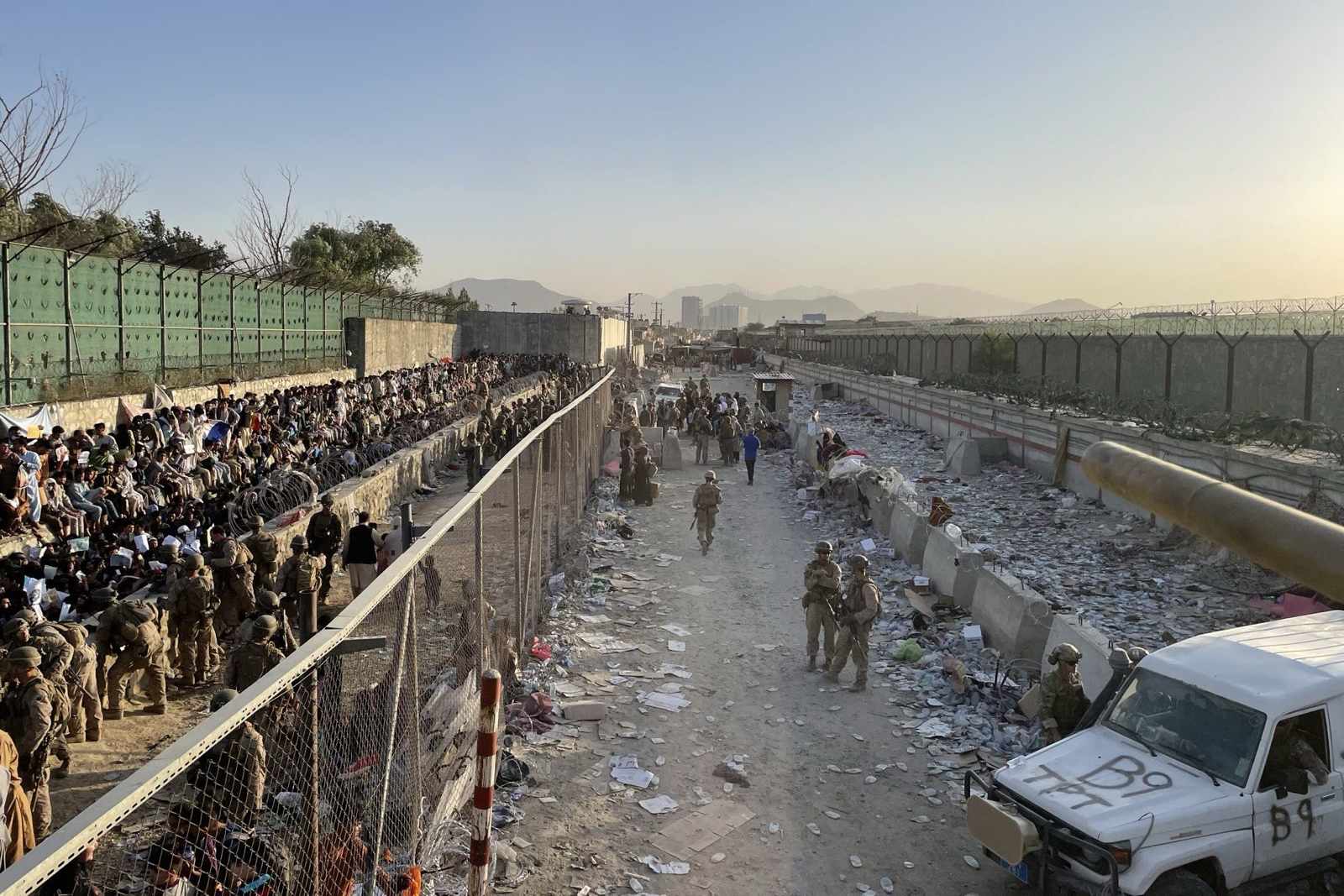
By striking into Kabul, Pakistan crossed a red line of sorts. Airstrikes in a foreign capital denote a shift from border retaliation to direct aggression. Officials in Islamabad justified it by pointing to militant hideouts and the presence of TTP leaders in Kabul.
Pakistani military claimed multiple Taliban and TTP positions were hit, especially in Kandahar and Spin Boldak, and asserted that Pakistani troops repelled border attacks successfully.
Afghan / Taliban response
The Taliban government, via spokesperson Zabihullah Mujahid, responded by calling the ceasefire request as being at Pakistan’s insistence. They ordered their forces to honor the truce unless Pakistan breaches it.
Taliban military vs. border forces reportedly exchanged fire, claimed casualties on both sides, and issued counter-accusations.
Risk of further escalation
-
If either side breaches the truce, conflict could reignite.
-
Drone strikes, artillery, air power, and ambushes are all tools in their arsenals.
-
The involvement of militant groups and cross-border sanctuaries make it hard to segregate state warfare from insurgent conflict.
-
Regional actors (Pakistan, Iran, India, China) watch closely, as instability could spill over.
4. Diplomatic, Regional & Political Implications
Regional reactions & diplomacy
-
The United Nations has urged both sides to immediately halt hostilities and protect civilians.
-
Countries like China and Russia have called for restraint and de-escalation, urging both sides not to allow conflict to spiral.
-
The violence complicates Afghanistan’s relations with neighbors, especially Pakistan, and may invite mediation efforts from third parties like Saudi Arabia or Qatar.
-
India is also watching carefully — Afghanistan’s foreign minister, Amir Khan Muttaqi, had visited India during the escalation, signaling Afghanistan’s expanding diplomatic outreach.
Political effects within Pakistan & Afghanistan
-
In Pakistan, public opinion around threat perceptions, military action, and security will be impacted. The government may use this show of force to demonstrate resolve against militancy.
-
In Afghanistan, the Taliban will have to balance domestic criticism of civilian harm and external pressure with their posture of sovereignty.
-
The conflict may reshape alliances, defense postures, and internal politics, especially in border provinces like Kandahar, Khost, and Kurram.
Security & militant consequences
-
The resurgence of ISIS, al-Qaeda, or factions of TTP may exploit the instability if forces are distracted.
-
Relief and security corridors might face disruption, complicating aid in Afghanistan, already fragile.
-
Militants may be able to exploit gaps or plot attacks under cover of the chaos.
5. Analysis & What to Watch
Why did Pakistan escalate into Kabul?
Striking Kabul is risky and shows that Islamabad believed it had evidence militants were operating from within or near Kabul. Pakistan may also be signaling patience fatigue with Pakistan Taliban operations. This move blurs the lines between counterterror-action and interstate conflict.
The nature of the truce
A 48-hour ceasefire is fragile and tactical. It may not resolve root grievances but buys time to talk, stabilize, or reposition. If violations occur, both sides have plausible deniability.
The civilian test
Protection of non-combatants is a huge test. Any civilian massacre or mass displacement may provoke international backlash and complicate legitimacy for both governments.
Information warfare
Both sides are aggressively pushing narratives (Pakistan: defending sovereignty; Taliban/Afghanistan: victim of aggression). Media, state outlets, and social media will play roles in shaping perception.
Role of external powers
-
China and Russia may mediate or press for calm.
-
U.S. posture may matter: though not directly involved, Washington’s influence in regional diplomacy remains.
-
Regional actors like Iran, Central Asian states, and Gulf sponsors may have an interest in stability or in supporting proxies.
Possible outcomes
-
The ceasefire holds and negotiations begin, leading to de-escalation.
-
One side breaks the ceasefire, leading to renewed violence.
-
Skirmishes continue in border zones even as the capitals hold outward calm.
-
Broader war risks if others intervene or militants exploit instability.