

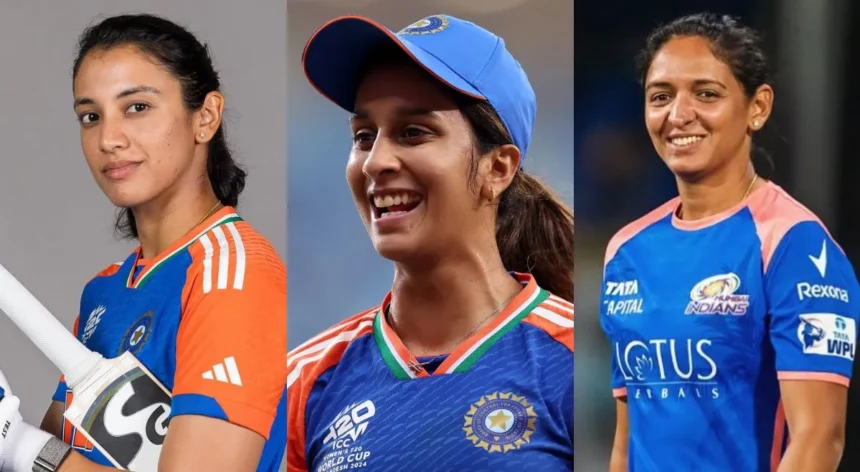
There was a time in India when a woman’s path to cricketing fame was narrower, quieter, and often under-reported. Fast forward to 2025 and the picture is unmistakably different: the women who bat, bowl and field for India now also headline campaigns, launch businesses, sell out brand tie-ups and—crucially—earn sums that would once have been almost unthinkable in the women’s game. From WPL contracts to BCCI retainers, endorsement deals and commercial ventures, a new economy has formed around India’s women cricketers. The question is not only who the richest are, but how they built those empires—and what it means for the game.
The economics that built the new class
The cricketing landscape shifted in two decisive waves. First came the professionalization of women’s cricket in India: better central contracts, improved match fees, and clearer career pathways under the BCCI. The Board’s annual player retainerships and match fee structures, updated and publicized in recent seasons, raised base incomes and guaranteed a safety net for senior women players. (See BCCI retainership announcements for the 2024–25 season.)
Second—and more visibly—came the explosion of franchise T20 leagues. The Women’s Premier League (WPL) created market salaries and, with them, headline figures that dominated the conversation. By late 2024 and into 2025, top WPL contracts had reached crores of rupees per season, with marquee players commanding multi-crore deals that dwarfed earlier earnings in domestic and even some international circuits. The list of highest-paid players in the WPL and comparative global leagues shows how those contracts turbocharged incomes.
Combine steady BCCI retainers, WPL paydays, match fees, overseas league stints (WBBL, The Hundred) and brand deals, and the arithmetic becomes clear: the richest women cricketers in India now enjoy diversified income streams—a cricketing salary is simply the foundation.
Who’s at the top in 2025—and why it’s not just about runs
Names repeat across lists: Smriti Mandhana, Harmanpreet Kaur, Mithali Raj (whose legacy and business moves still factor into rankings), Jhulan Goswami in the veteran bracket, and younger stars like Shafali Verma and Jemimah Rodrigues who combine talent with marketability. Recent assembled lists and features place Smriti Mandhana among the very top earners—both in terms of WPL contract and overall net worth—while Harmanpreet Kaur sits not far behind thanks to a blend of international star power and endorsements. (Sources tracking net worth and the richest-in-India lists provide these rankings and figures.)
Smriti’s situation is instructive. As one of the most recognized Indian women batswomen, she combined a top WPL salary with overseas league stints and a clutch of brand associations, producing an estimated net worth that multiple outlets put in the tens of crores of rupees. These figures are not mere gossip; they reflect contractual transparency in franchise announcements and visible endorsement deals.
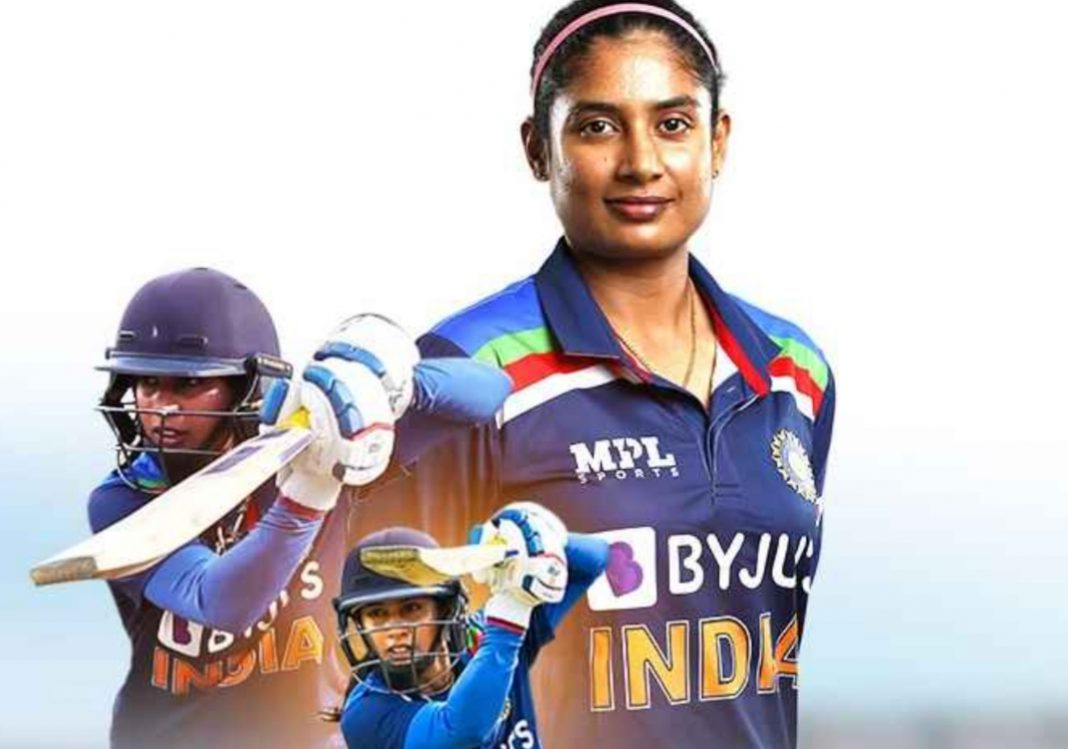
Harmanpreet, the talismanic middle-order batter and leader, has parlayed match-winning moments into commercial appeal. Experienced, media-savvy, and capable of delivering in marquee matches, her worth is a product of international fees, franchise pay and endorsements—again, a combination that tops and sustains modern player incomes.
But being “rich” is no longer a single-season thing. It is the result of cumulative visibility, shrewd brand partnerships, and the ability to convert on-field success into long-term income: cafés and restaurants, production credits, clothing lines, or angel investments have all become real options for top players.
Money by the numbers: contracts, match fees, and WPL windfalls
To make sense of who earns what, we need to unpack the components:
BCCI central contracts. The BCCI’s retainership structure places senior players into grades with assigned retainer values. While men’s top grades command multi-crore retainers, the women’s retainers—improved in recent years—give players a stable base and reflect the Board’s willingness to professionalize. The 2024–25 announcement of Central Contracts formalized these tiers for women and confirmed that names like Harmanpreet and Smriti sit in the top grade.
WPL salaries. The WPL gave players headline figures that changed the perception of what female cricketers could earn domestically. Top WPL contracts in the 2024–25 cycle were in the multi-million rupee range (tens of millions for marquee signings). For example, top listings from reputable outlets put Smriti Mandhana’s WPL contract around ₹3.4 crore and other marquee signings in similar bands—sums that, season after season, contribute a large fraction of yearly income.
Match fees and overseas leagues. Match fees for international fixtures, income from tournaments abroad (WBBL, The Hundred), and smaller domestic match fees still round out total earnings. While match fees alone don’t create wealth, they add up when combined with consistent international selection.
Endorsements and brand deals. This is where non-cricket income explodes. Brands are keen to associate with successful athletes and the marketability of names like Mandhana and Harmanpreet is strong: sportswear lines, consumer goods, automobiles, health and wellness brands, and even lifestyle ventures. Media tracking of endorsement deals for top players gives a sense of the magnitude—brand partnerships are often multi-year and translate into sustained earnings. (Financial and lifestyle outlets summarize these associations and their estimated contributions to net worth.)
Put together, the richest women cricketers aren’t simply those who score the most runs; they are players who have fused on-field excellence with off-field strategy.
Brand value: why marketers pay up
Why are brands so willing to invest heavily in women cricketers? Three answers stand out.
First, reach: Women’s cricket has recorded dramatic viewership spikes during major tournaments and franchise matches. Television ratings, streaming numbers and social media engagement have shown strong growth—opening a large audience for brands.
Second, relatability: Women cricketers today embody stories that resonate—resilience, locality, and aspirational success. They are aspirational role models for younger audiences and trusted faces for family-oriented campaigns. Brands looking to expand penetration in tier-2 and tier-3 markets find the authenticity of these players valuable.
Third, the commercial case is simple: as cricket boards and leagues cultivate the women’s game, brand ROI becomes measurable. Sponsorships tied to performance, social media amplification and limited edition merchandise create multiple revenue channels for both player and brand.
Beyond the cheque: business moves and legacy building
Some players have used their public profile to launch or invest in businesses. Cafés, fitness brands, sports academies, and media content ventures are increasingly common. These moves do several things: they diversify income, build personal brands beyond the sport, and create assets that last after retirement.
For instance, outlets tracking player ventures note how entrepreneurs in cricket are moving into hospitality and wellness, while others leverage their reputation to produce content or invest in startups. These are all smart commercial decisions: match salary ebbs, but businesses and equity stakes can produce steady returns.
The younger cohort: investing in sustainability
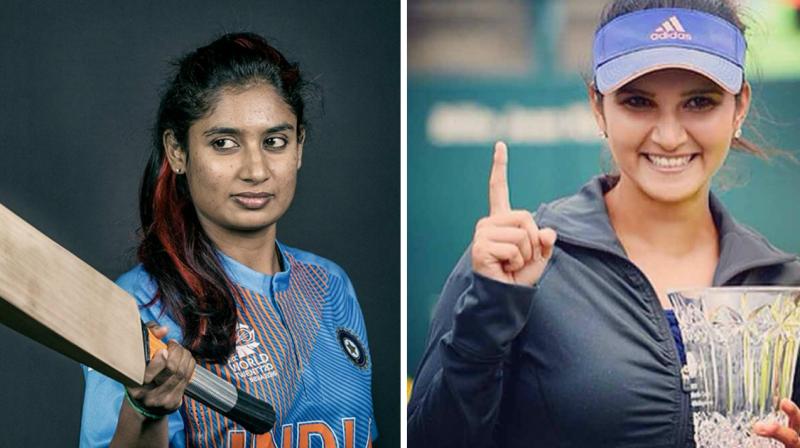
Younger players—Shafali Verma, Jemimah Rodrigues and others—are already attracting contracts and attention that hint at future wealth. Their earnings may currently be lower than established stars, but the WPL and better domestic compensation create a ladder. Many are sensible with finances, building personal brands on social media, and partnering with niche brands that match their image. Over a five- to ten-year horizon, smart career management and off-field deals could move them into the upper echelons of wealth in Indian women’s cricket. (Coverage of WPL salary bands and profiles of emerging players highlights this trajectory.
The social calculus: money, expectations and responsibility
As earnings rise, so do expectations. With higher paychecks come greater public scrutiny and responsibility. Top players become de facto ambassadors for women’s sport and often for social causes, too. The market reward is real—but players must navigate brand image, authenticity, and public life. Mistakes are amplified; endorsements can be lost; reputations have commercial consequences.
At the same time, wealth brings opportunity: players use their platforms to support grassroots cricket, fund academies, and campaign on health or education issues. The richest players are increasingly aware of this double role: they are brand icons and potential philanthropists.
The ripple effects across Indian cricket
More Read

The rise of high pay for women has systemic advantages. Better compensation at the top leads to better pay scales, more visibility and improved investment in the women’s game. Young girls now see realistic career prospects, and local associations—motivated by the successful model—are working to professionalize training and competition. The BCCI’s updated retainers and district bodies adopting contract systems reflect a broader professional pivot: the economics of the top are beginning to influence the base. (Examples of district associations and BCCI contract reforms illustrate this trend.)
Caveats: what the numbers don’t show
A word of caution: many published “net worth” numbers are estimates compiled by lifestyle outlets and often combine visible contract values with inferred endorsement deals. Discrepancies exist between sources, and some figures are rounded or speculative. Likewise, while WPL contracts are public at a team level, private endorsement fees are often confidential. So, while lists of “richest” players give a good directional sense, they should be read as informed estimates rather than bank-statement certainties. (See multiple media summaries tracking net worth and contract lists.)
Personal stories: what the money enables

Beyond headlines, increased earnings change everyday choices for players: better training facilities, nutritionists, physiotherapy, and family security. For some, financial comfort means starting foundations or planning for life after cricket. For others, it is the chance to invest in education or launch business projects inspired by personal passions—food, fitness, media or mentorship programs.
Here’s a human detail: a player who once had to juggle travel costs and training now has a team—managers, coaches, PR—allowing her to focus on performance. The broader professionalization means longer careers and, crucially, a safety net when done with competitive cricket.
What’s next: sustainability and the long view
The immediate challenge is to make these income streams sustainable. Leagues must remain commercially viable; broadcasters and sponsors must see viewership and engagement justify continued investment. Boards and franchises will need to balance short-term headline signings with long-term talent development.
The best outcome would be when more players—not just a select few—have financial security. That means better domestic salaries, stronger player welfare programs, and equitable revenue sharing. If the market continues to grow, the richest players will be seen not as exceptions but as part of a new normal in which cricket is a legitimate, well-paid profession for women in India.