

When Power, Uniform, and Education Fail at Home
The killing of a Delhi Police SWAT commando inside her own home unsettled the public not merely because of its brutality, but because of who the victim was. She was trained to neutralize threats, accustomed to high-risk operations, and embedded within one of India’s most disciplined security structures. Yet, none of that could protect her from violence within her marriage.
Shortly before her death, she made a phone call to her brother. The words spoken during that call, later recalled publicly, were not dramatic pleas but stark indicators of fear, rage, and helplessness. They pointed to a domestic reality that had long crossed the line from conflict into sustained abuse.
Read More: Women In India Politics
This case matters because it collapses a widely held belief: that education, urban living, and professional success insulate women from domestic violence. The intersection of Dowry, Harassments, Murder in this incident forces a difficult reckoning with how deeply entrenched domestic abuse remains in modern India, including within institutions meant to uphold law and order.
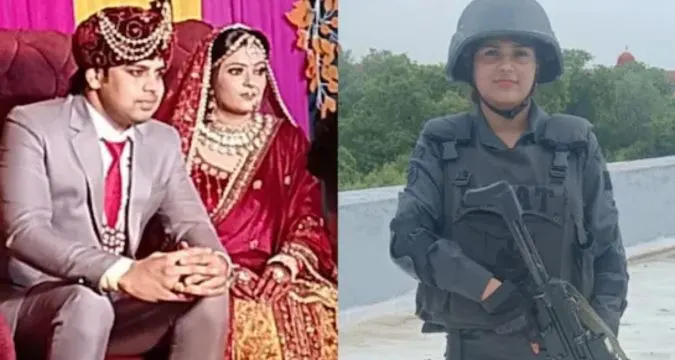
The Case in Context: Beyond the Breaking News
Initial reports focused on the mechanics of the crime: the location, the alleged weapon, the arrest. But reducing the incident to procedural details strips it of its social meaning.
A Domestic Space Turned Lethal
The killing occurred in what should have been the safest possible environment, a shared home. The alleged use of a dumbbell, an ordinary object associated with health and routine, underlines a harsh truth: domestic violence does not require premeditated weapons. It thrives in familiarity and proximity.
The Call That Changed the Narrative
The phone call to her brother shortly before her death altered how the public perceived the incident. It suggested:
- Ongoing domestic distress
- Prior episodes of abuse
- A sense of imminent danger
This was not an isolated explosion of anger. It was the endpoint of a longer trajectory of harassment that went unchecked.
Dowry in Urban India: A Practice That Refused to Disappear
Dowry is frequently discussed as a rural or economically backward phenomenon. This case disrupts that narrative.
The Modern Face of Dowry
In urban, educated households, dowry often operates indirectly. It may appear as:
- Pressure to contribute to property purchases
- Expectations of expensive gifts or financial support
- Comparisons with peers and relatives
These demands are rarely labeled as dowry. Instead, they are framed as “family expectations” or “adjustments,” making them socially acceptable and legally ambiguous.
Why Dowry Still Triggers Conflict
When financial expectations are unmet, they often morph into resentment and control. Over time, this resentment fuels emotional abuse and coercion. In marriages where both partners are professionally accomplished, such tensions can be intensified by ego clashes and power struggles.
The presence of dowry-related conflict in this case underscores that economic progress has altered the form of the problem, not eliminated it.
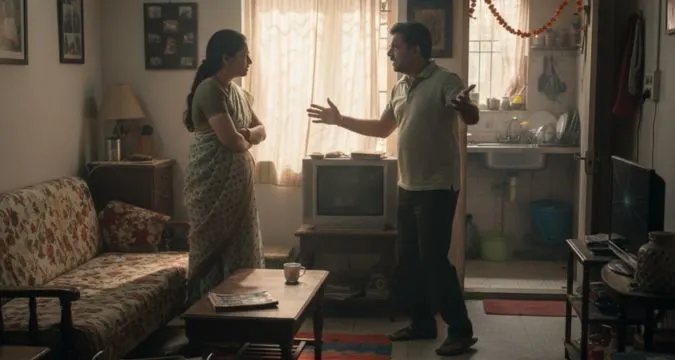
Harassments That Escalate Quietly
Domestic harassment rarely begins with physical violence. They evolve gradually, making them difficult to identify and harder to confront.
Patterns of Harassments in Urban Marriages
Common forms include:
- Constant criticism disguised as concern
- Monitoring of personal communication
- Emotional withdrawal used as punishment
- Threats framed as jokes or warnings
Because these behaviors do not always leave visible scars, they are frequently minimized by families and peers.
Why Silence Becomes the Norm
Even highly trained professionals may hesitate to report domestic abuse. Reasons include:
- Fear of damaging professional credibility
- Concern about social judgment
- Hope that the situation will stabilize
Silence, in such cases, is not a sign of tolerance but of constrained choice.
From Abuse to Murder: Understanding the Escalation
The term Murder is often used casually in public discourse, stripped of context. In domestic settings, it is almost always the final stage of a prolonged cycle of violence.
The Myth of the “Sudden Loss of Control”
Popular narratives frequently describe domestic killings as spontaneous acts of rage. Research and case histories suggest otherwise:
- Most perpetrators exhibit prior controlling behavior
- Violence escalates over time
- External intervention is often absent
Labeling such acts as sudden obscures the warning signs that preceded them.
Everyday Objects as Weapons
The use of a dumbbell in this case is emblematic. Domestic murder often involves objects within reach, reflecting how normalized aggression can turn routine spaces into lethal environments.

Why Professional Status Did Not Provide Protection
One of the most disturbing aspects of this case is the victim’s professional identity.
The Illusion of Institutional Safety
There is a common assumption that individuals within law enforcement or security forces have better access to protection. In reality:
- Reporting domestic abuse can carry professional stigma
- Internal grievance mechanisms may lack confidentiality
- Victims may fear being perceived as “unfit” for duty
This creates a paradox where those tasked with enforcing the law feel unable to invoke it for themselves.
Gender Dynamics Within Uniformed Forces
Uniformed services often emphasize toughness and emotional resilience. While necessary for operational effectiveness, these traits can discourage vulnerability. For women officers, this pressure can be particularly acute, reinforcing silence in personal crises.
Family, Society, and the Culture of Adjustment
Domestic violence does not occur in isolation. It is shaped and sustained by social responses.
The Role of Families
Families often encourage reconciliation over accountability, advising victims to:
- Compromise for the sake of stability
- Avoid legal action to prevent social fallout
- Prioritize marital continuity
Such advice, though often well-intentioned, can delay intervention until the risk becomes severe.
Urban Respectability and Its Costs
In urban settings, concern about reputation replaces traditional notions of honor. The pressure to maintain a “successful” family image can silence discussions about abuse, particularly when both partners are professionally respected.
Institutional Blind Spots: Lessons From Within the System
The involvement of a SWAT commando raises broader questions about institutional preparedness.
Gaps in Support Mechanisms
This case highlights several systemic issues:
- Limited mental health outreach for officers
- Absence of clear protocols for domestic abuse reporting
- Inadequate follow-up on informal complaints
If such gaps exist within law enforcement, they are likely magnified elsewhere.
Why This Matters Publicly
When institutions fail to protect their own, public trust erodes. Addressing domestic violence within professional spaces is not only a welfare issue, it is a matter of institutional credibility.
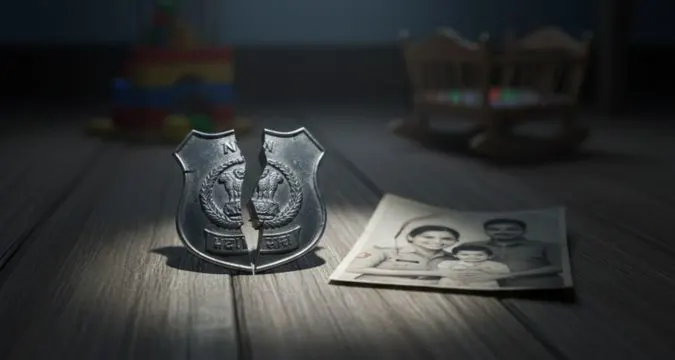
Correcting Common Oversimplifications
“Urban India Has Moved Past Dowry”
The practice persists, albeit in subtler forms. Economic growth has not dismantled entitlement-based marital expectations.
“Strong Women Can Handle Domestic Conflict”
Strength does not negate vulnerability. Abuse thrives on imbalance, not weakness.
“Extreme Violence Comes Without Warning”
In most cases, warning signs are present but ignored or normalized.
Recognizing these realities is essential for meaningful prevention.
What to Watch Next: Signals That Matter
This case will likely move through the criminal justice system, but its broader impact depends on what follows.
Key Developments to Monitor
- Institutional responses to domestic abuse within uniformed services
- Public discourse shifting from shock to sustained engagement
- Policy-level discussions on workplace-linked domestic violence support
Readers should look beyond verdicts to assess whether cultural and institutional learning occurs.
More Read

A Case That Demands Reflection, Not Forgetting
The Delhi SWAT commando killing is a sobering reminder that Dowry, Harassments, Murder remain interconnected realities in contemporary India. The case dismantles comforting assumptions about progress and forces a confrontation with uncomfortable truths about power, silence, and social complicity.
Domestic violence is not confined to any class or profession. Until it is recognized as a collective failure rather than a private tragedy, such incidents will continue to surface, each time with the same shock, and the same regret.
Frequently Asked Questions
Why does this case resonate so strongly with urban readers?
Because it challenges the belief that education and professional success provide immunity from domestic violence. The victim’s background mirrors that of many urban families, making the risks feel immediate and personal.
How does dowry function in modern, educated households?
Dowry often appears indirectly through financial expectations or lifestyle pressures. These demands may not be labeled as dowry, but they create similar power imbalances and sources of conflict.
Why are domestic harassments so difficult to prove or address?
Harassments frequently involve emotional and psychological control rather than visible harm. Social normalization of such behavior delays recognition and discourages reporting.
Are domestic murder cases usually preventable?
Many are. Patterns of escalating abuse often precede fatal incidents. Early recognition and timely intervention can significantly reduce risk.
What is the broader takeaway for institutions and society?
Awareness alone is insufficient. Institutions must create safe reporting mechanisms, and society must stop treating domestic violence as a private matter. Accountability, not adjustment, is the path forward.
Published by The Vue Times , delivering clarity, context, and credible perspective on the stories shaping India’s social reality.