Introduction
In an age where information is constantly flowing, the line between what is shown and what actually exists is becoming increasingly blurred. The debate around media narrative vs reality in India has gained significant attention as audiences begin to question whether the stories they consume truly reflect real-world situations.
From television debates to viral social media posts, narratives are often crafted in ways that shape perception rather than simply present facts. This raises a critical question: are we seeing reality, or are we seeing a version of it designed for engagement, influence, or impact?
The issue is especially relevant today due to the rapid growth of digital platforms and the speed at which information spreads. The concept of perception vs truth India is no longer theoretical—it directly affects how people think, vote, and make decisions. This article explores the gap between narrative and reality, providing a deep, balanced, and analytical view of the situation.
Background and Context
To understand the current state of media narrative vs reality, it is important to examine how the Indian media ecosystem has evolved over time.

In earlier decades, media in India was largely limited to print and public broadcasting. News was slower but often more structured, with a focus on factual reporting. Editorial control was centralized, and there were fewer sources competing for attention.
The liberalization era in the 1990s marked a turning point. Private television channels entered the market, bringing competition, commercialization, and a focus on viewership. News began to shift from purely informational to more engaging and sometimes sensational formats.
The digital revolution accelerated this transformation. Social media platforms, online news portals, and independent creators democratized content creation. While this increased access to information, it also introduced challenges related to verification and credibility.
Today, the conversation around perception vs truth India is shaped by this complex ecosystem where traditional journalism coexists with algorithm-driven content and user-generated narratives.
What Is Happening Right Now
Currently, the gap between media narrative vs reality is more visible than ever.

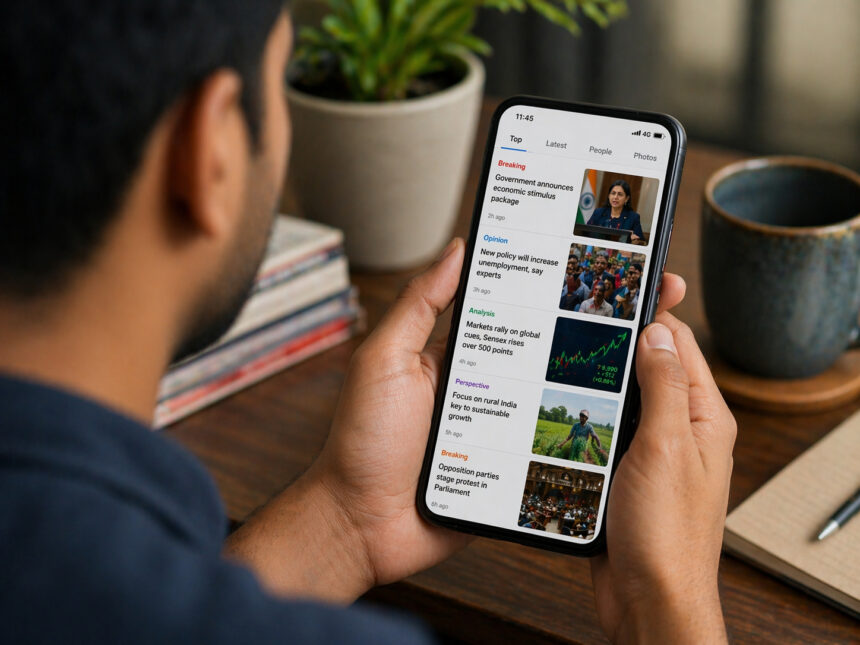
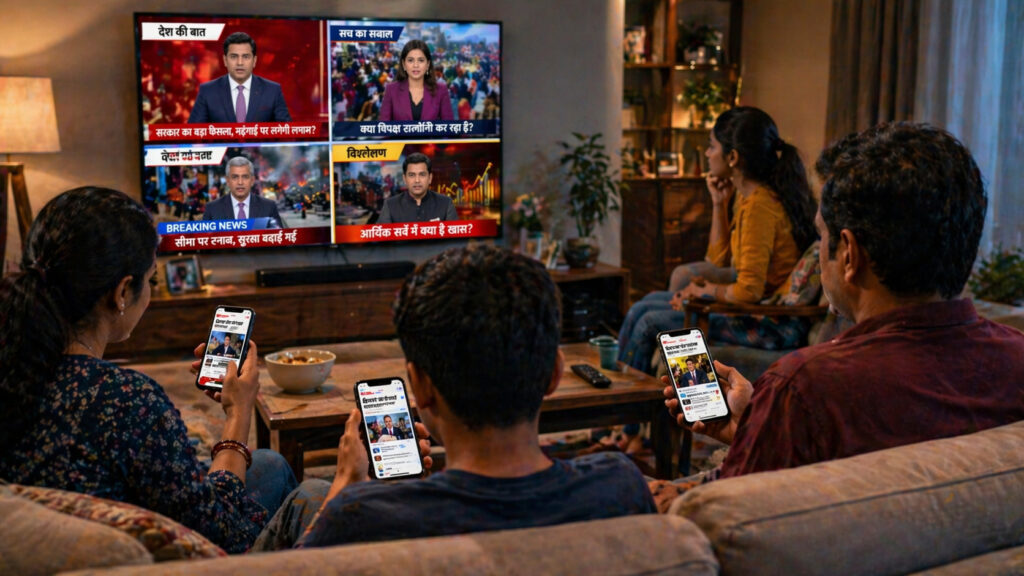
News is no longer consumed in a linear format. Instead, it is fragmented across multiple platforms—television, websites, social media, and messaging apps. Each platform presents information differently, often tailored to specific audiences.
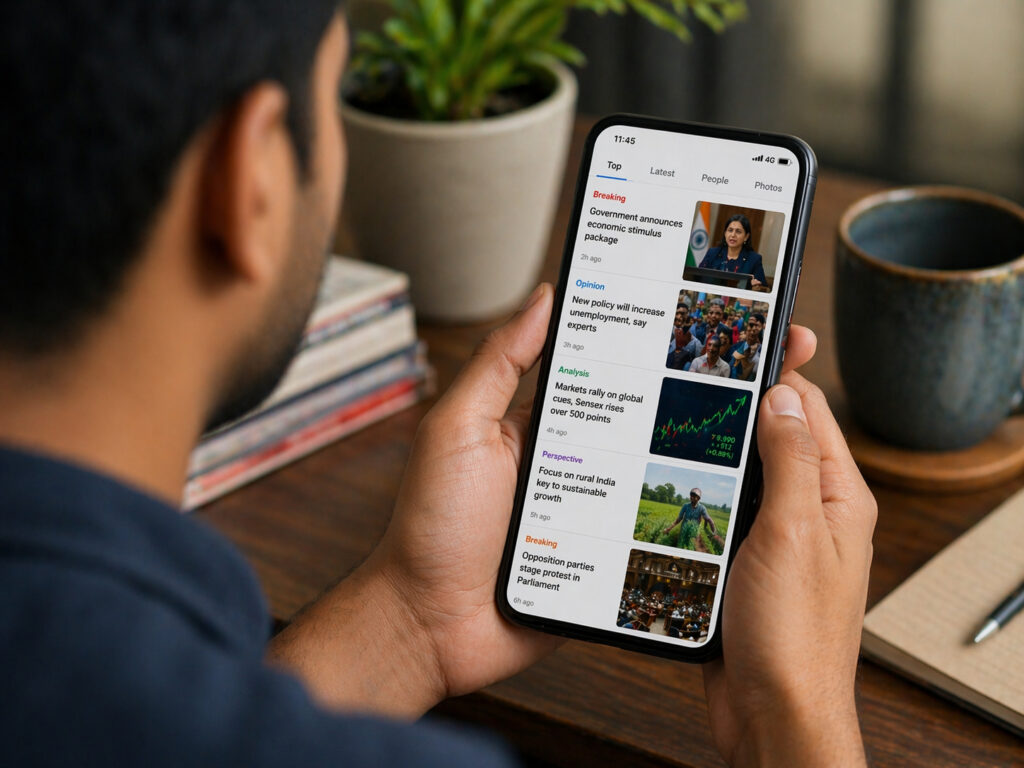
One major trend is the rise of short-form content. Headlines, clips, and snippets are designed to capture attention quickly. While this increases engagement, it can oversimplify complex issues, contributing to the divide between perception vs truth India.
Another significant development is the role of algorithms. Platforms prioritize content based on user preferences, leading to personalized news feeds. While convenient, this creates echo chambers where individuals are exposed primarily to viewpoints they already agree with.


Additionally, the speed of information has increased the risk of misinformation. Stories can go viral before they are verified, shaping public perception even if later corrected.
Why This Topic Is Controversial
The debate around media narrative vs reality is controversial because it intersects with politics, business, and public trust.
One key issue is the perception of bias. Different groups often accuse media outlets of favoring particular viewpoints. This has led to a polarized environment where trust in media varies widely.
Another factor is commercialization. Media organizations operate in a competitive market where attention translates into revenue. This can influence how stories are presented, sometimes prioritizing engagement over depth.
The role of social media adds another layer of complexity. Unlike traditional media, digital platforms allow anyone to publish content, making it harder to distinguish between verified information and opinion.
These factors create a situation where the concept of perception vs truth India becomes deeply contested, with no single agreed-upon perspective.
Different Perspectives
Supporters’ View
Supporters argue that what is often described as a gap between media narrative vs reality is actually a reflection of diverse perspectives.
They believe that multiple narratives are necessary in a democratic society. Different media outlets cater to different audiences, providing a range of viewpoints that allow individuals to form their own opinions.
From this perspective, the issue is not bias but choice. Audiences have access to a wide variety of sources, enabling them to cross-check information and understand different sides of a story.
Supporters also highlight the role of independent digital media, which often focuses on in-depth reporting and investigative journalism, contributing to a more nuanced understanding of perception vs truth India.
Critics’ View
Critics, however, argue that the gap between media narrative vs reality is a serious concern.
They point to instances where narratives may be shaped by political or commercial interests. According to this view, selective reporting and sensationalism can distort reality, leading to misinformation.
Critics also emphasize the impact of social media. The rapid spread of unverified content can amplify false narratives, making it difficult for audiences to distinguish between fact and opinion.
For them, the issue of perception vs truth India is not just about diversity of opinion—it is about the integrity of information itself.
Facts vs Claims
Understanding the difference between narrative and reality requires separating facts from claims.
Verified Facts
- Media consumption in India is increasingly digital.
- Social media platforms play a major role in news distribution.
- Audience trust in media varies across regions and demographics.
- Competition among media outlets has intensified significantly.
Common Claims
- All media narratives are intentionally misleading.
- Social media always reflects real public opinion.
- Traditional media is completely unreliable.
The truth lies in a nuanced middle ground. While biases and inaccuracies can exist, they are not universal. Similarly, while digital platforms offer diverse perspectives, they are not immune to misinformation.
What People Might Be Missing
A critical but often overlooked aspect of media narrative vs reality is the role of the audience.
Media content is influenced by what people engage with. High engagement often comes from emotionally charged or sensational content. As a result, narratives that evoke strong reactions are more likely to be amplified.
Another factor is cognitive bias. People tend to favor information that aligns with their existing beliefs. This reinforces the divide between perception vs truth India, as individuals may selectively consume content that supports their views.
There is also a misconception that narratives are always deliberately constructed. In many cases, they emerge from a combination of editorial decisions, time constraints, and audience preferences.
Understanding these dynamics provides a deeper insight into how narratives are formed and why they may differ from reality.
Impact on Society / Economy / Users
The impact of media narrative vs reality extends across multiple dimensions.
Society
Narratives influence public opinion, shaping how people perceive issues, events, and communities. This can lead to polarization or misunderstanding.
Economy
Media narratives can affect markets, consumer behavior, and business decisions. For example, exaggerated reporting on economic trends can influence investor sentiment.
Users
For individuals, the challenge lies in navigating a complex information landscape. The gap between perception vs truth India makes it difficult to identify reliable information, increasing the risk of misinformation.
Role of Media and Narrative
Media plays a central role in shaping narratives.
The way a story is framed—through headlines, visuals, and language—can influence how it is perceived. Even factual information can be presented in ways that emphasize certain aspects over others.
Digital platforms amplify this effect. Algorithms prioritize content based on engagement, making certain narratives more visible than others.
At the same time, the rise of independent journalism offers opportunities for more balanced reporting. Many platforms focus on fact-checking and transparency, contributing to a more accurate representation of reality.
Bigger Picture / Future Outlook
Looking ahead, the relationship between media narrative vs reality will continue to evolve.
Technology will play a key role. Artificial intelligence can improve content verification and fact-checking, but it can also be used to create misleading content.
Regulation may become more important, with efforts to ensure accountability without restricting freedom of expression.
Audience awareness will also shape the future. As people become more critical of the content they consume, demand for credible information is likely to increase.
Ultimately, the future of perception vs truth India will depend on a balance between innovation, responsibility, and informed consumption.
Conclusion
The discussion around media narrative vs reality in India is complex and multifaceted. It is shaped by technological advancements, economic factors, and human behavior.
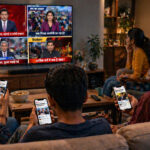
While concerns about bias and misinformation are valid, it is important to approach the topic with a balanced perspective. Media is not a monolith—it consists of diverse voices, each contributing to the broader information ecosystem.
The key lies in understanding how narratives are formed and how they influence perception. By developing critical thinking and engaging with multiple sources, audiences can navigate the gap between perception and reality more effectively.
In the end, the challenge is not just to consume information—but to understand it.
FAQs
1. What is media narrative vs reality?
It refers to the difference between how information is presented by media and the actual situation in the real world.
2. Why is media narrative vs reality controversial?
Because it involves issues of bias, misinformation, and the influence of media on public perception.
3. What does perception vs truth India mean?
It highlights the gap between what people believe based on media narratives and what is factually accurate.
4. Are media narratives always misleading?
No, not all narratives are misleading. However, they may emphasize certain aspects over others, influencing perception.
5. How can users identify the truth?
By cross-checking sources, verifying facts, and consuming information from credible platforms.