Introduction
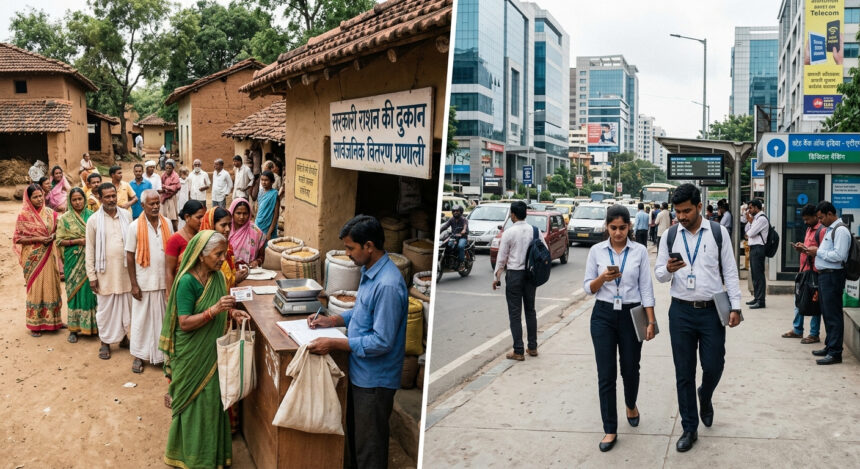
India runs one of the largest and most ambitious welfare ecosystems in the world. From rural employment guarantees to healthcare subsidies, housing support, and food security programs, the country has built a vast network of government initiatives aimed at inclusive growth. Yet, beneath the scale and intent lies a deeper question—how effective are these schemes in real life? The government schemes india impact is not just about numbers or budgets; it is about whether these policies truly transform lives on the ground.
In recent years, the conversation has shifted from policy announcements to outcomes. Citizens, analysts, and institutions are increasingly examining the policy ground reality india, trying to understand whether benefits are reaching the right people at the right time. While success stories are often highlighted in official narratives, ground-level experiences frequently reveal gaps, inconsistencies, and systemic challenges.
This topic matters now more than ever. With rising economic pressures, digital transformation, and growing public awareness, the effectiveness of government schemes has become central to India’s development story. Understanding their real impact requires a balanced, in-depth analysis—one that goes beyond surface-level commentary and explores both achievements and limitations.
Background and Context
India’s approach to government schemes has evolved significantly since independence. In the early years, the focus was primarily on nation-building—creating infrastructure, ensuring food security, and reducing poverty. Over time, as the economy expanded and social needs became more complex, welfare policies also diversified.

Programs such as the Public Distribution System (PDS), rural employment initiatives, and agricultural subsidies were designed to provide basic support to vulnerable populations. Later, the introduction of financial inclusion schemes, digital identity systems like Aadhaar, and Direct Benefit Transfers (DBT) marked a shift toward efficiency and transparency.
However, India’s diversity presents a unique challenge. With vast differences in literacy, income levels, and regional development, implementing a one-size-fits-all policy is rarely effective. This is where the policy ground reality india becomes crucial. A scheme that works efficiently in one state may struggle in another due to differences in governance, infrastructure, or awareness.
Historically, the success of government schemes has depended not just on policy design but also on execution. Bureaucratic layers, administrative capacity, and local governance structures have played a significant role in determining outcomes.
What Is Happening Right Now
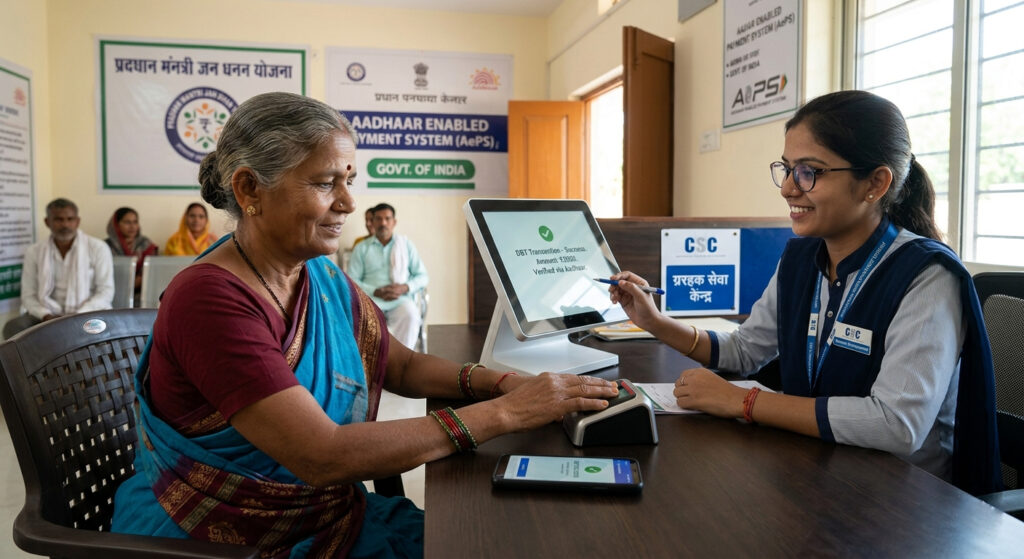
In the current landscape, government schemes in India are undergoing a major transformation. The emphasis has shifted toward digitization, targeted delivery, and data-driven governance. Initiatives like DBT have reduced intermediaries, ensuring that benefits are transferred directly to beneficiaries’ bank accounts.
The COVID-19 pandemic acted as a stress test for this system. Emergency schemes related to food distribution, cash transfers, and healthcare support were rolled out at an unprecedented scale. While many beneficiaries received timely assistance, the crisis also exposed gaps—especially for those without digital access or proper documentation.

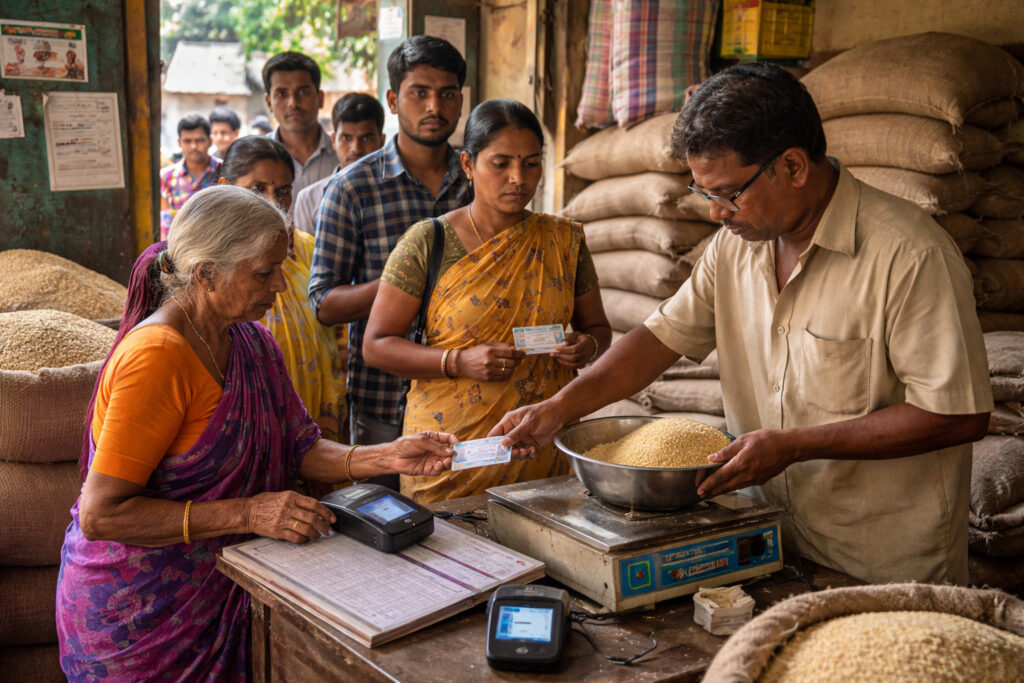
Today, discussions around the government schemes india impact are more nuanced. On one hand, there is recognition of improved efficiency and reduced leakages. On the other hand, concerns persist about exclusion errors, delays, and uneven implementation.
Additionally, there is a growing focus on schemes related to entrepreneurship, startups, and skill development. These aim to shift the narrative from welfare to empowerment. However, their success depends heavily on awareness, accessibility, and market conditions.
Why This Topic Is Controversial
The controversy surrounding government schemes is rooted in the gap between expectations and reality. While policies are often designed with clear objectives, their outcomes can vary significantly.

One major trigger of debate is the mismatch between official claims and ground-level experiences. Governments often highlight the number of beneficiaries or funds allocated, but critics argue that these metrics do not always reflect actual impact.
Another point of contention is regional disparity. Some states have strong administrative systems and achieve better results, while others struggle with implementation. This creates an uneven distribution of benefits.
Fiscal sustainability is also a concern. Large-scale welfare programs require significant funding, leading to debates about long-term economic impact. While some view these schemes as essential investments in social equity, others worry about the burden on public finances.
The policy ground reality india often reveals these complexities, making it clear that the issue is not black and white but layered and dynamic.
Different Perspectives
Supporters’ View
Supporters of government schemes argue that these initiatives have played a crucial role in improving living standards across India. They point to reductions in poverty, increased access to basic services, and greater financial inclusion as evidence of success.
From this perspective, the government schemes india impact is largely positive. Programs like housing schemes have provided shelter to millions, while healthcare initiatives have improved access to medical services. Financial inclusion efforts have brought millions into the formal banking system, enabling direct transfers and reducing dependency on intermediaries.
Supporters also emphasize that large-scale programs inevitably face challenges in the initial stages. Over time, improvements in technology and governance can address these issues. Digitization, in particular, is seen as a game-changer, reducing corruption and increasing transparency.
They argue that welfare schemes are not just expenses but investments in human capital. By supporting education, health, and livelihoods, these programs contribute to long-term economic growth.
Critics’ View
Critics, however, offer a more cautious assessment. They argue that while the intent behind government schemes is commendable, execution remains inconsistent.
One major concern is the lack of awareness among beneficiaries. Many eligible individuals are either unaware of schemes or unable to access them due to bureaucratic hurdles. This creates a gap between policy design and actual reach.
Another issue is data reliability. Critics question whether official statistics accurately reflect ground realities. Enrollment numbers, for example, do not necessarily indicate effective utilization or impact.
Corruption and inefficiency, although reduced in some areas, still persist in others. Middlemen, delays, and administrative bottlenecks continue to affect delivery.
From this viewpoint, the policy ground reality india highlights systemic challenges that need structural reforms rather than incremental fixes.
Facts vs Claims
Understanding the truth about government schemes requires separating facts from narratives. While data provides valuable insights, it must be interpreted carefully.
In terms of funding, there is no doubt that India allocates substantial resources to welfare programs. However, the utilization of these funds can vary. Delays, underutilization, or misallocation can reduce effectiveness.
Beneficiary reach is another area where perception differs from reality. While millions are enrolled in various schemes, not all receive consistent or adequate benefits.
Digitization has undoubtedly improved transparency, but it is not a complete solution. Issues such as digital literacy, connectivity, and authentication errors can still create barriers.
The government schemes india impact lies somewhere between these facts and claims. It is neither entirely successful nor entirely flawed, but a mix of progress and challenges.
What People Might Be Missing
One of the most overlooked aspects of government schemes is the role of local governance. Panchayats, municipal bodies, and frontline workers play a critical role in implementation. Their efficiency and integrity directly influence outcomes.
Another factor is behavioral economics. Even when schemes are accessible, people may not participate due to lack of trust, awareness, or cultural barriers. Understanding these factors is essential for improving adoption.
There is also a tendency to focus on quantitative metrics—such as the number of beneficiaries—while ignoring qualitative outcomes. For example, providing housing is one thing; ensuring livable conditions and community integration is another.
The policy ground reality india is shaped by these subtle dynamics, which are often missed in mainstream discussions.
Impact on Society / Economy / Users
The impact of government schemes extends across multiple dimensions, influencing society, the economy, and individual lives.
Socially, these schemes have contributed to improved access to education, healthcare, and basic services. Marginalized communities have benefited from targeted initiatives, leading to greater inclusion.
Economically, welfare programs have boosted consumption, especially in rural areas. Support for farmers, small businesses, and startups has helped sustain livelihoods. However, the financial burden of these schemes raises questions about long-term sustainability.
For individuals, the benefits can be life-changing. Access to subsidies, financial support, and essential services can improve quality of life significantly. At the same time, inconsistencies in delivery can create frustration and uncertainty.
The government schemes india impact is therefore complex, with both positive outcomes and areas for improvement.
Role of Media and Narrative
Media plays a powerful role in shaping how government schemes are perceived. Positive coverage can highlight success stories and build public trust, while critical reporting can expose gaps and drive accountability.
However, media narratives are not always balanced. Political affiliations, editorial priorities, and audience preferences can influence coverage. Social media further amplifies these narratives, often without context or verification.
As a result, public perception of the government schemes india impact can be fragmented. Some may see only the successes, while others focus solely on failures.
A balanced understanding requires looking beyond headlines and examining multiple sources of information.
Bigger Picture / Future Outlook
Looking ahead, the future of government schemes in India will be shaped by technology, policy reforms, and citizen engagement.
Digital tools such as artificial intelligence and data analytics can improve targeting and monitoring. Real-time dashboards and feedback systems can enhance transparency and accountability.
Policy reforms are likely to focus on outcome-based evaluation rather than input-based metrics. This means measuring success not just by how much is spent but by what is achieved.
Citizen participation will also play a crucial role. As awareness increases, people are more likely to demand accountability and provide feedback.
The policy ground reality india will continue to evolve, influenced by these changes. The challenge will be to balance scale with efficiency, ensuring that schemes remain both inclusive and effective.
Conclusion
Government schemes are a vital part of India’s development framework, designed to address inequality and support growth. However, their success depends not just on intent but on execution.
More Read

The government schemes india impact reveals a complex picture—one of progress, challenges, and opportunities. While many schemes have made a meaningful difference, gaps in implementation, awareness, and accountability remain.
Understanding the policy ground reality india requires a nuanced approach, recognizing both achievements and limitations. As India moves forward, the focus must shift from expanding schemes to improving their effectiveness.
Ultimately, the true measure of success lies in whether these initiatives can deliver consistent, meaningful change in people’s lives. The journey is ongoing, and the outcomes will shape the country’s future in profound ways.