
A moment of electoral drama just took an unexpected international twist. What began as a high-stakes press conference in India by Rahul Gandhi, alleging large-scale “vote chori” (vote theft) in the state of Haryana, has now drawn in a Brazilian model, Larissa Rocha Silva, whose image was presented as part of the evidence. This incident raises important questions about political tactics, digital media use, cross-border implications and the lives of individuals suddenly thrust into global political spectacles.
The Incident Unfolds
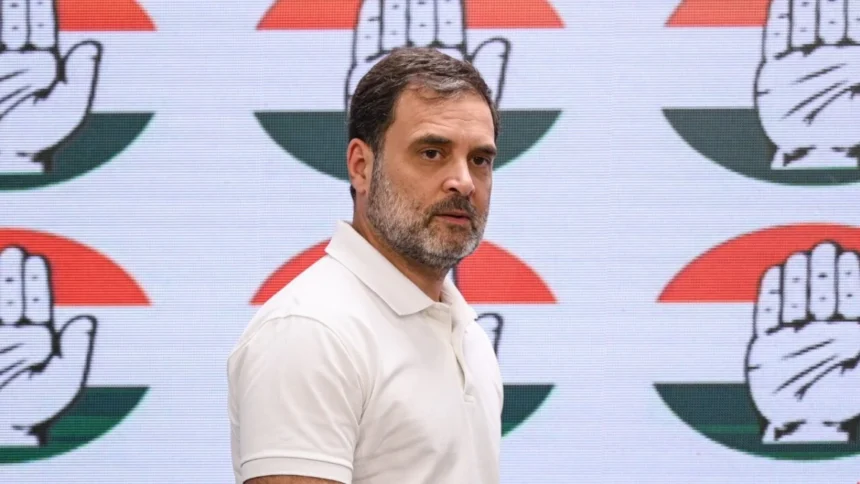
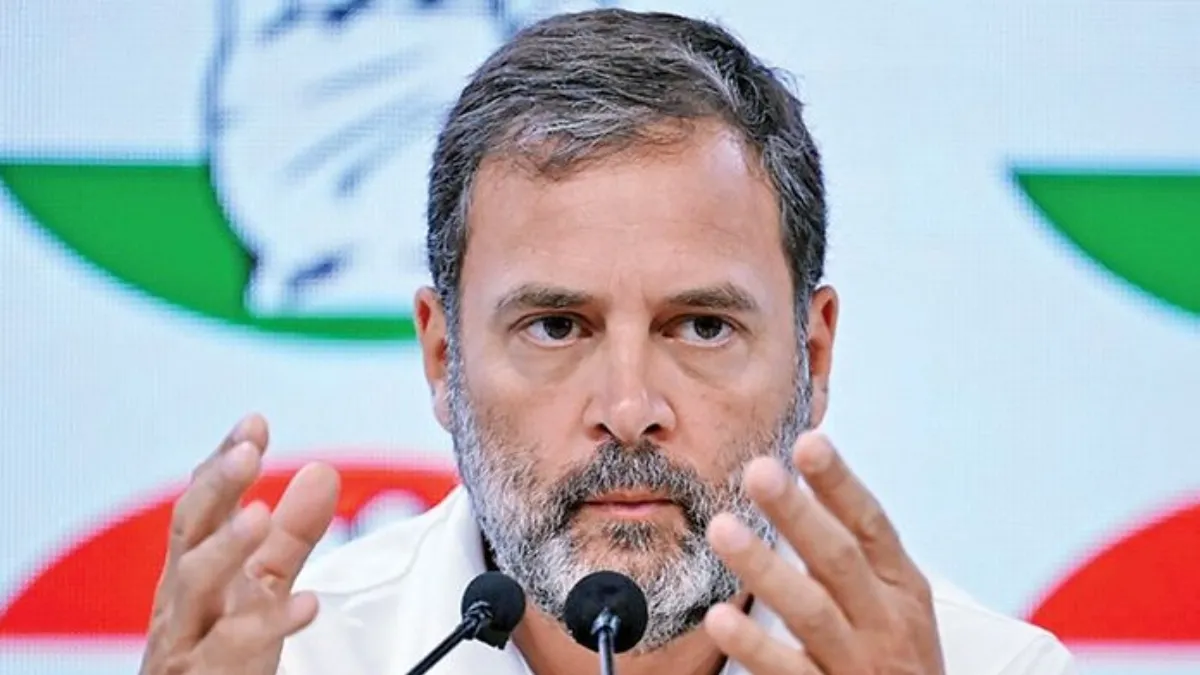
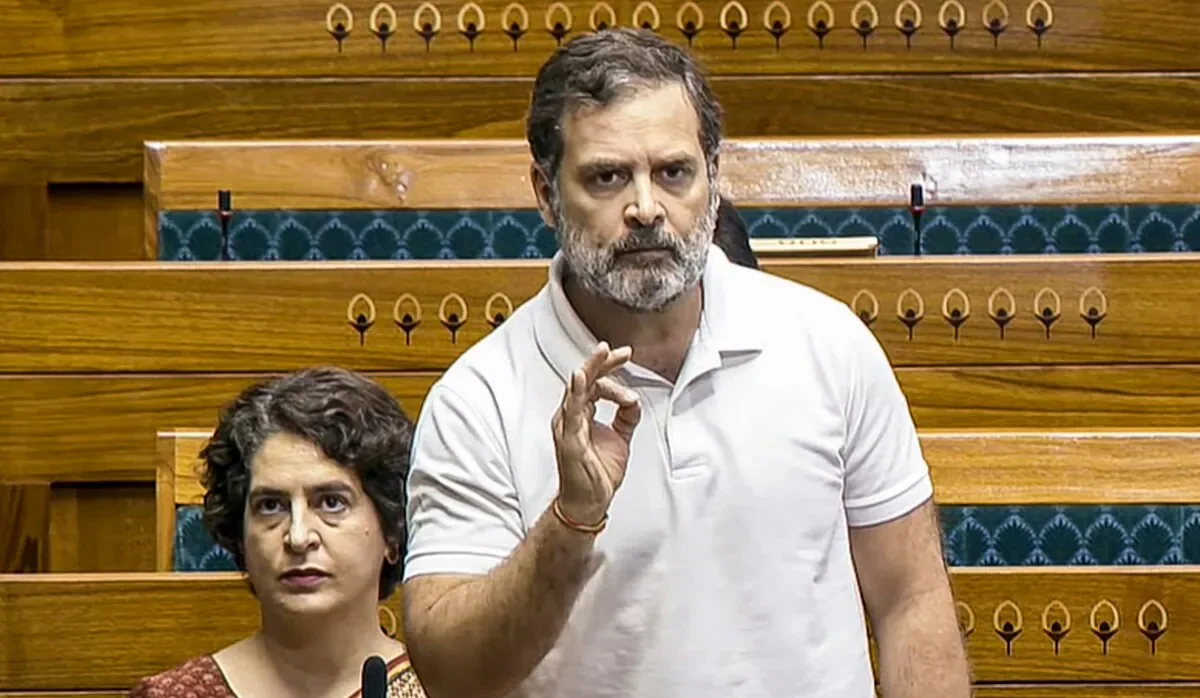
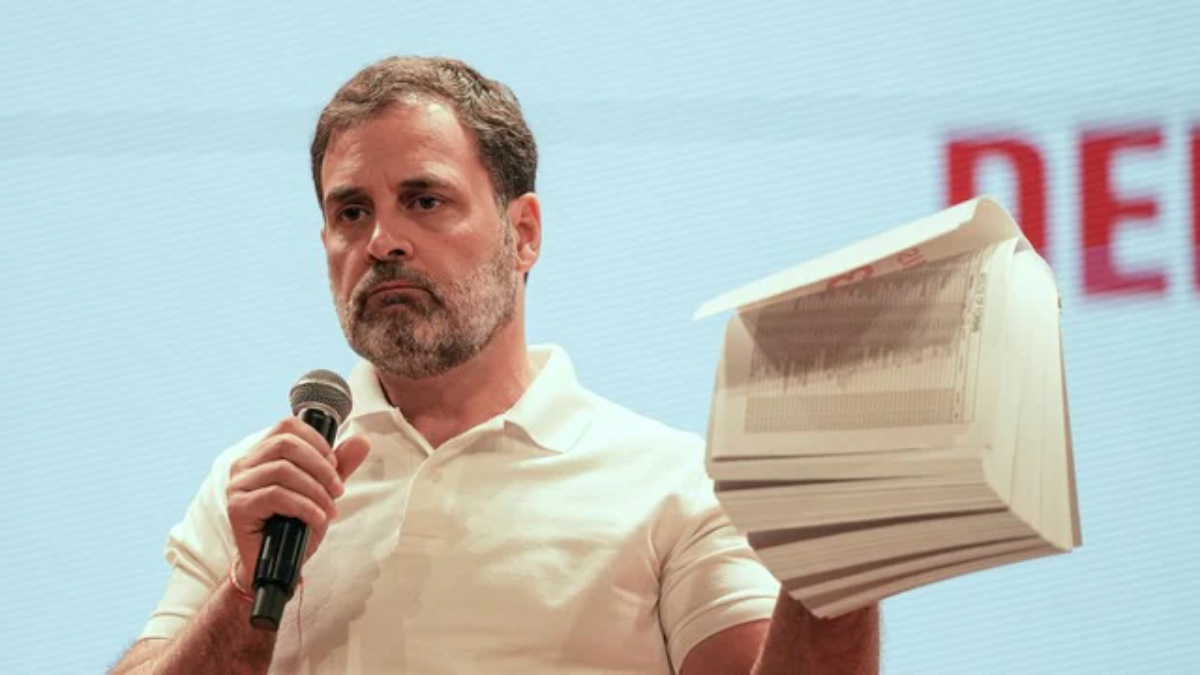
At a press conference in early November 2025, Congress leader Rahul Gandhi accused the ruling establishment and the electoral apparatus of systematic manipulation of the voter list in Haryana. As part of his evidence presentation, he displayed a photograph which he claimed appeared in the voter rolls 22 times under different names across polling booths. He asserted this as a clear sign of mass fraud.
What made the claim far more startling was Larissa’s revelation that the photo wasn’t of a voter in Haryana at all–but rather an old modelling photo she took and sold (or licensed) via an online stock-image platform. In videos and posts, she expressed disbelief that her image was being used to accuse Indian citizens of voting fraud.
“I have absolutely nothing to do with politics in India… My photo was purchased from a stock image platform and used without my involvement.” – Larissa Rocha Silva
About Larissa Rocha Silva
Larissa, known professionally as a model and digital creator from Brazil, revealed that she has never visited India and had no involvement in the Indian political system or electoral processes. Her surprise reflects the broader surreal nature of the incident: an image crossing continents, contexts and being used in a hardened political debate.
Why This Matters
On the surface, this might appear as a bizarre footnote in Indian electoral politics. But diving deeper, it reflects several critical themes:
Evidence and credibility in high-stakes politics
When an image presented as proof becomes contested, it calls into question the credibility of the entire claim. If Congress is alleging serious vote theft, but the image is of someone unrelated and foreign, political opponents and observers will ask: What else may be mis-identified?
The globalised nature of digital content
A modelling photo in Brazil can be licensed and used anywhere–and suddenly it ends up in an Indian electoral dispute. This underscores how images and visual proof are subject to licensing, reuse, mis-use and decontextualisation across borders.
Human impact: the person behind the photo
For Larissa, this is more than a political question–it is a deeply personal one. She now finds herself publicly associated (against her will) with Indian electoral fraud, approached by journalists, accruing Indian social-media followers, and trying to understand how her image ended up in this context. The emotional and reputational impact for an individual in such a spotlight is significant.
Media, politics and public perception
The moment shows how visuals can become shorthand for complex claims–mass fraud, duplicate voter IDs, misuse of identities. But when the visual is unmasked as unrelated, the narrative shifts into a contest of facts and intent. For the public, deciphering truth becomes harder.
Larissa’s Personal Reaction
In her posts and video clips, Larissa oscillates between incredulous humour and genuine concern. She remarks: “I did not even look Indian, I thought I looked Mexican!” (in reference to Indian social-media comments about her pictured identity). She described journalists from India contacting her, asking about her supposed involvement in voting in Haryana. A friend forwarded her images from Indian media, and she replied: “This is too crazy!”
Despite the absurdity, she took care to express gratitude to her new Indian followers, saying she appreciated the comments and engagement–even though she had no connection to the claims at hand. The tone reflects both the personal bewilderment and the unexpected global nature of the incident.
The Political Fallout
For Rahul Gandhi and the Congress party, the use of this photo was meant to substantiate a serious allegation: that the 2024-25 elections in Haryana and elsewhere were compromised by fake identities and duplicate voter entries. But political opponents, especially the Bharatiya Janata Party (BJP), seized on the photo’s dubious provenance to claim that the allegations themselves were flawed or politically motivated. The Election Commission of India also responded that no evidence had been formally filed regarding the specific duplicate entries and described some of the claims as unsubstantiated. Suddenly, an image that was supposed to bolster a charge of systemic manipulation became a flashpoint about evidence, accuracy and political strategy.
Broader Implications
Evidence in the Digital Age
In an era where images can be licensed, repurposed, deep-faked or taken out of context, the standards for “proof” in politics must evolve. An image isn’t just an image–it carries the weight of identity, memory, licensing and jurisdiction. When a photo from Brazil is used as part of an Indian electoral allegation, questions arise about chain of custody, authenticity, and whether the presentation did sufficient verification.
The Individual vs the State
Larissa’s experience highlights how individuals can become unwilling participants in state-level controversies. The phenomenon isn’t entirely new–celebrity look-alikes, stock images mis-attributed–but the stakes here are far higher: electoral legitimacy, democratic trust, national media attention. For the individual, dealing with inquiries, media calls, misinformation becomes real.
Democracy, Trust and the Public Sphere
At its core, the “vote chori” debate is about one person, one vote, fair elections, and trust in institutions. When that debate pivots on disputed evidence, the public may feel caught in a fog: Are they being told facts? Or manipulated narratives? Any erosion of trust in electoral process can have serious consequences for democracy.
More Read

Key Questions Ahead
How did the image reach the conference? What chain of verification was there?
Did Rahul Gandhi’s team know the photo was a stock image or licensed from abroad?
What implications does this have for legal action or investigations into electoral misconduct?
What safeguards exist for individuals whose likeness is used without consent in political claims?
Will this incident change how Indian parties or institutions handle electoral evidence going forward?
Conclusion
In the swirl of politics, it is easy to forget the human face behind a controversy. But as this incident reminds us, even the photograph of a Brazilian woman now carries weight in India’s electoral drama. Larissa Rocha Silva’s reaction–equal parts bemused and concerned–serves as a reminder of the interconnectedness of digital media, global licensing, identity and politics.
For the Indian public, the story is a cautionary tale about evidence: the symbol of “vote chori” may matter–but the authenticity of the proof matters more. For Larissa, it is a reminder that in a global media world, your image might travel far further than you ever imagined.
And for all of us watching, it raises a singular question: When politics becomes global and digital, how do we safeguard truth, reputation and the rights of individuals? Because behind every “vote chori” claim lies not just an election–but human identities, global connections and media-saturated realities.